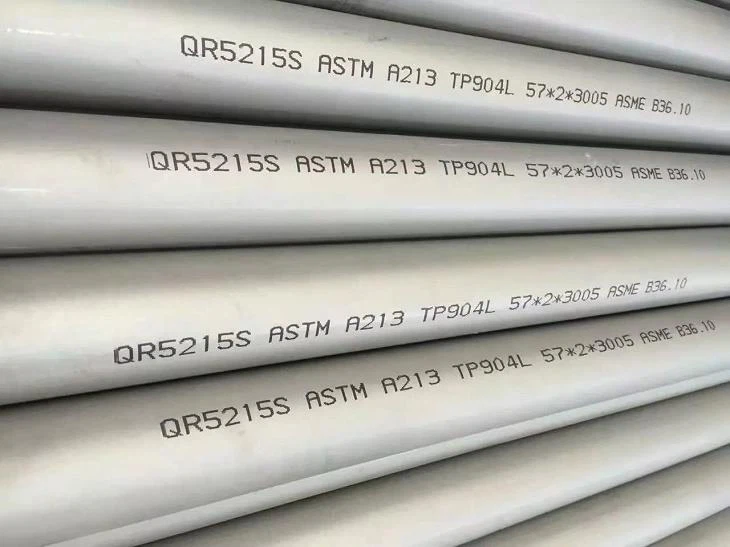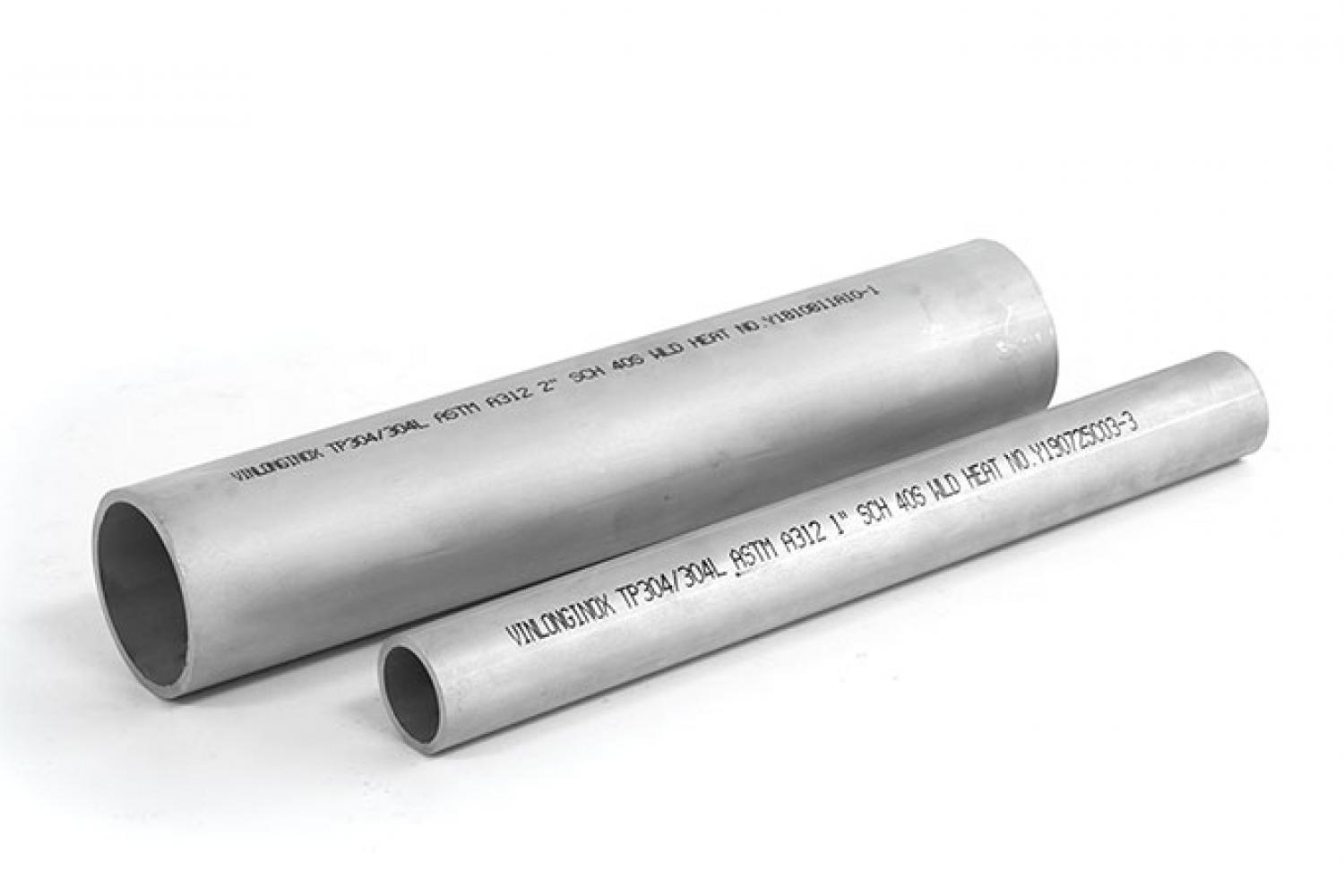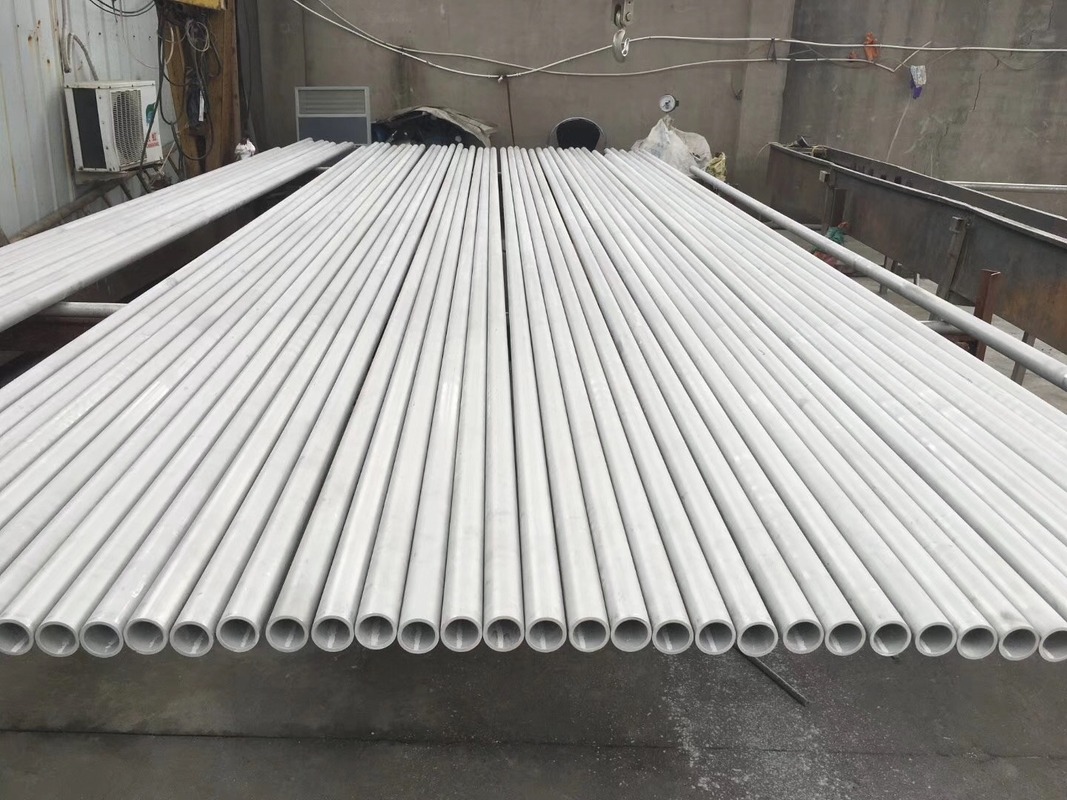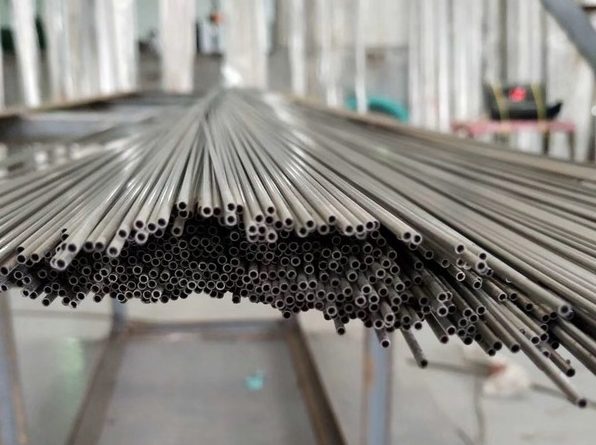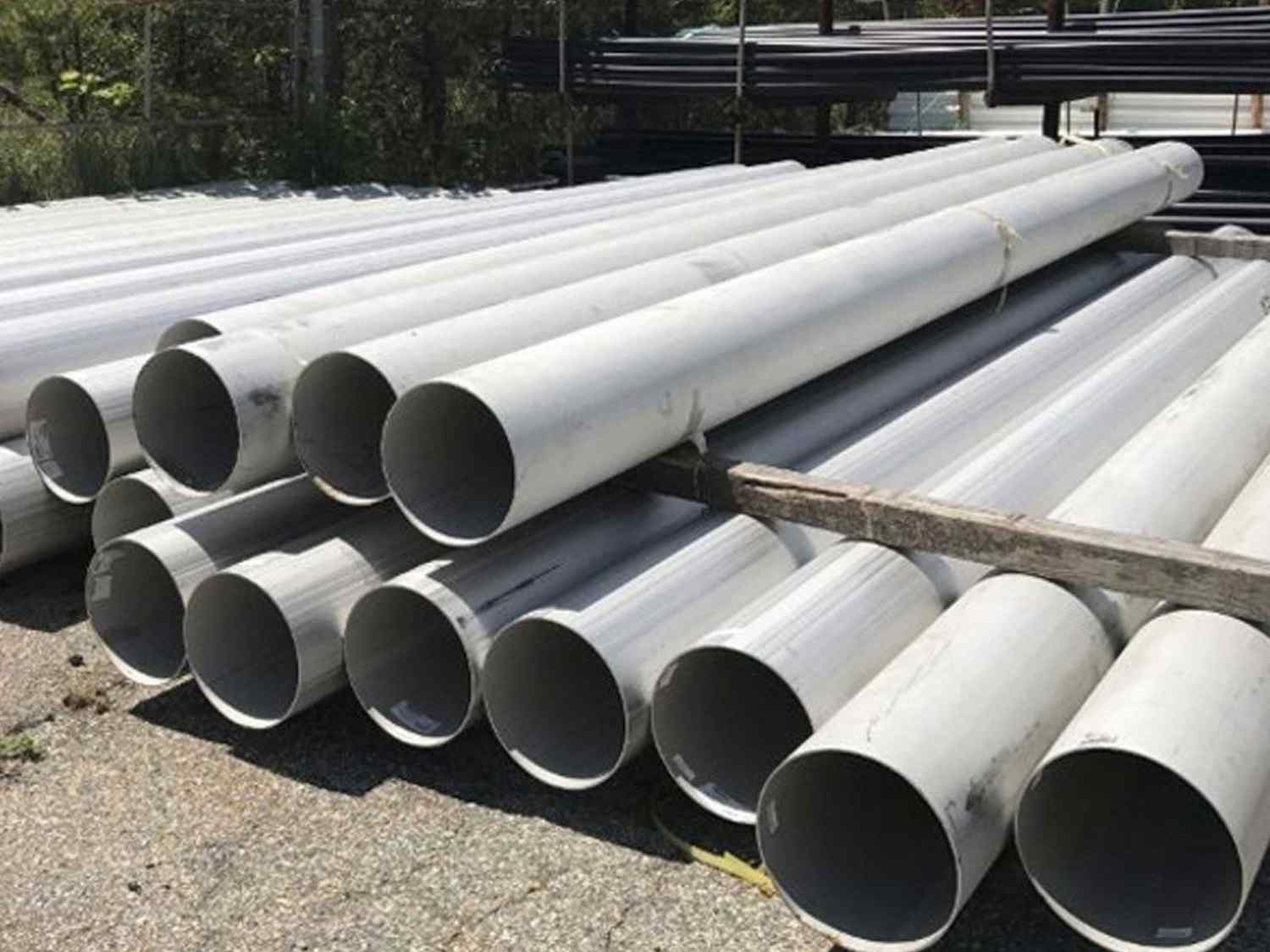
904L Stainless Steel Pipe & Tubing
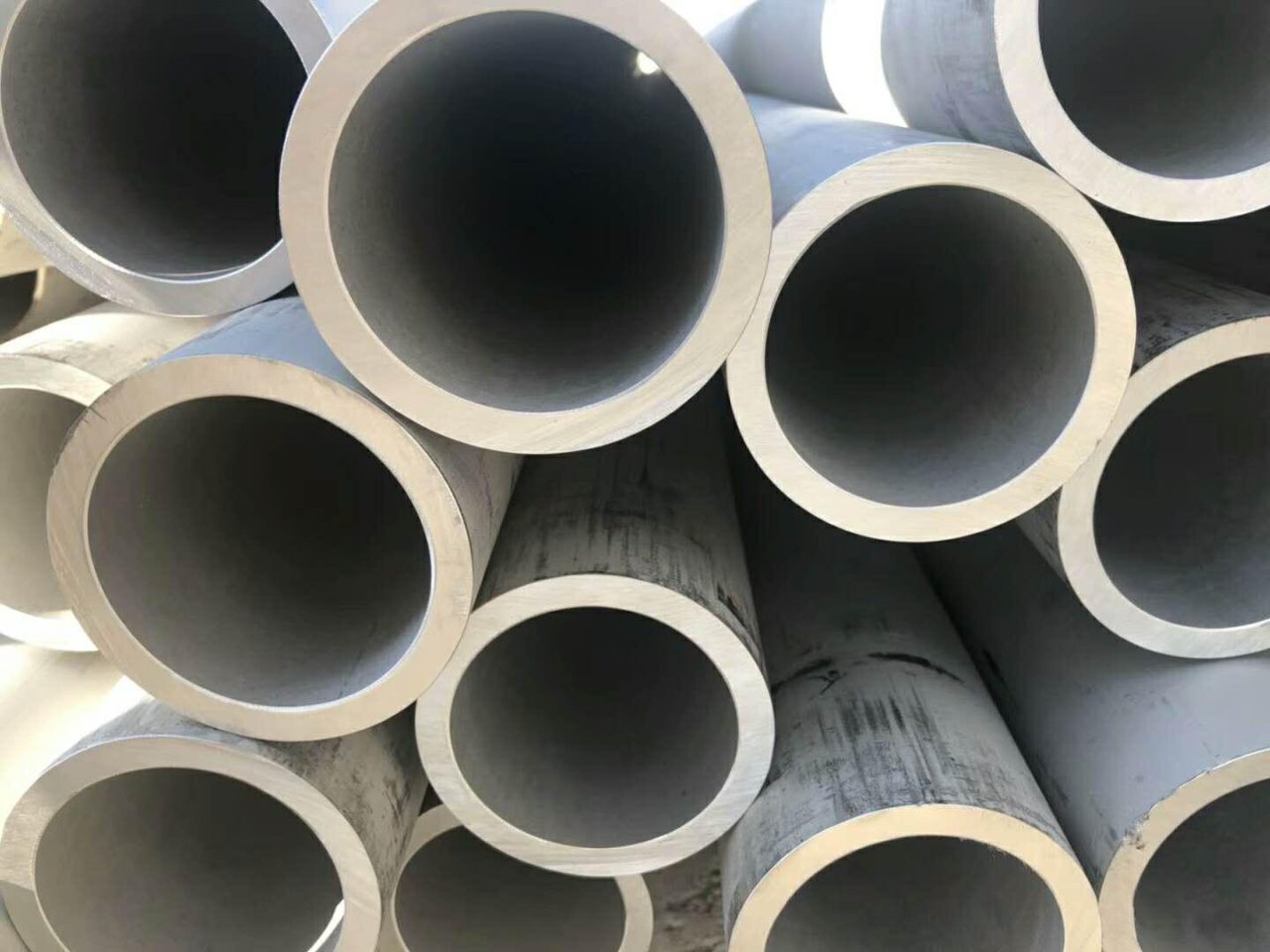
Internal Monologue: The Alchemy of N08904
When I dwell on the conceptual existence of a 904L stainless steel pipe, I find myself traveling deep into the crystalline lattice of the material, past the shiny, silver-hued exterior and into a world governed by electrochemical potentials and atomic stability. It is fascinating how we characterize this alloy as “super-austenitic,” a term that almost sounds like marketing hyperbole but is actually a precise metallurgical description of its high nickel and molybdenum content designed to suppress the formation of brittle phases. I think about the moment the molten charge is poured—a complex soup of chromium, nickel, and that essential copper addition. Why copper? It’s a question that leads me to the specific challenges of the sulfuric acid industry. While standard 316L thrives in many environments, it cowers in the face of warm, concentrated sulfuric acid, yet the 1% to 2% copper in 904L changes the game entirely, creating a barrier that is fundamentally different from a simple oxide film. I imagine the metal cooling, and my mind immediately jumps to the risk of the sigma phase, that dreaded intermetallic compound that can rob the steel of its toughness if the cooling rate isn’t precisely controlled. The low carbon content—the “L”—is a silent sentinel, ensuring that during the intense heat of welding, the chromium doesn’t abandon its post at the grain boundaries to chase after carbon atoms. If it did, we’d see sensitization, and the pipe would fail from the inside out. I see the vast array of sizes your company produces, from the delicate 6mm tubing for instrumentation to the massive 2000mm pipes for industrial infrastructure. Each one, regardless of scale, must maintain that same atomic perfection. The finishes—8K mirror, BA, or the rugged 2B—aren’t just about looks; they are about surface energy and the prevention of pitting. A mirror-polished surface isn’t just beautiful; it’s a topographical fortress where chloride ions find no purchase. I’m thinking about the way these pipes are shaped—hexagonal, oval, U-bend—each deformation adding a layer of work-hardening that must be carefully managed through solution annealing. It is a constant dialogue between the mechanical stress of manufacturing and the thermal relief of the furnace, all aimed at delivering a product that exists at the very edge of what stainless steel can achieve.
The Masterpiece of Corrosion Engineering: 904L Stainless Steel Pipe and Tubing
In the modern industrial landscape, where chemical aggression and extreme temperatures are the norm rather than the exception, the demand for materials that transcend the limitations of traditional alloys has never been higher. At the pinnacle of this evolution stands 904L Stainless Steel (UNS N08904 / 1.4539). Often referred to as a “super-austenitic” grade, 904L is not merely a steel; it is a meticulously engineered solution designed to survive in the most hostile environments known to industrial chemistry. From the depths of seawater desalination plants to the volatile heart of sulfuric acid reactors, our 904L pipe and tubing provide a level of structural and chemical security that is simply unattainable by 300-series stainless steels.
The Atomic Synergy: Why 904L Defines Reliability
The secret to the exceptional performance of 904L lies in its highly specific chemical architecture. While standard austenitic steels rely on a basic chromium-nickel-molybdenum framework, 904L pushes these concentrations to the extreme. The high Nickel (Ni) content—averaging 25%—provides two critical advantages: it stabilizes the austenitic (face-centered cubic) structure, preventing it from transforming into brittle martensite under stress, and it offers unparalleled resistance to Stress Corrosion Cracking (SCC). This is a vital feature for pipes subjected to high pressures and vibrations in chloride-rich environments.
Complementing the nickel is a robust addition of Molybdenum (Mo) and Chromium (Cr), which together elevate the Pitting Resistance Equivalent Number (PREN) to levels typically exceeding 35. However, the most distinctive characteristic of 904L is its Copper (Cu) content. Copper is a rare addition in stainless steel metallurgy, but in 904L, it serves to provide a significantly increased resistance to non-oxidizing acids, particularly warm sulfuric acid. In these conditions, the copper facilitates the formation of a more stable, sacrificial-like protective layer that remains intact where other materials would undergo rapid uniform corrosion.
Table 1: Chemical Composition Requirements (ASTM A312 / N08904)
| Element | Weight Percentage (%) | Technical Contribution to Performance |
| Chromium (Cr) | 19.0 – 23.0 | Facilitates the formation of the self-healing passive oxide film. |
| Nickel (Ni) | 23.0 – 28.0 | Ensures austenite stability and provides immunity to chloride SCC. |
| Molybdenum (Mo) | 4.0 – 5.0 | Dramatically improves resistance to localized pitting and crevice corrosion. |
| Copper (Cu) | 1.0 – 2.0 | Enhances corrosion resistance in reducing acids (Sulfuric/Phosphoric). |
| Carbon (C) | 0.020 Max | The “Low” designation; prevents intergranular corrosion post-welding. |
| Manganese (Mn) | 2.0 Max | Increases nitrogen solubility and aids in the deoxidation process. |
| Silicon (Si) | 1.0 Max | Improves general oxidation resistance and melt fluidity. |
| Phosphorus (P) | 0.045 Max | Controlled to maintain the purity of the grain boundaries. |
| Sulfur (S) | 0.035 Max | Kept minimal to ensure superior surface finish and weld integrity. |
| Iron (Fe) | Balance | The structural matrix that binds the alloying elements. |
Mechanical Integrity: The Balance of Strength and Ductility
A 904L pipe is more than its chemical resistance; it is a structural component that must withstand immense mechanical loads. Despite its high alloy content, 904L retains the excellent ductility and impact strength characteristic of austenitic steels. This means our pipes can be easily formed, bent into U-shapes for heat exchangers, or expanded into tube sheets without the risk of cracking.
The tensile properties of 904L are optimized to provide a high safety factor for pressure-bearing applications. Because the material work-hardens significantly, the cold-drawing process used to manufacture our seamless tubing actually enhances the strength of the final product. Even at cryogenic temperatures, 904L does not become brittle, making it an ideal choice for specialized liquefied gas transport systems.
Table 2: Mechanical and Tensile Requirements (ASTM A213 / A312)
| Property | Minimum Value | Importance in Application Engineering |
| Tensile Strength ($R_m$) | $\ge 490$ MPa (71 ksi) | The ultimate capacity of the pipe to resist being pulled apart. |
| Yield Strength ($R_{p0.2}$) | $\ge 220$ MPa (32 ksi) | The limit of elastic behavior; critical for pressure design. |
| Elongation ($A_5$) | $\ge 35\%$ | Indicator of extreme toughness and forming capability. |
| Hardness (Brinell/Rockwell) | $\le 192$ HBW / 90 HRB | Ensures the material is machinable and compatible with fittings. |
| Density | $7.95$ $g/cm^3$ | Critical for calculating the dead load of piping assemblies. |
Thermal Processing: The Science of the Solution Anneal
To maintain the high performance of 904L, the manufacturing process must include precise heat treatment. During the production of both seamless and welded pipes, the steel is subjected to various thermal cycles that can cause the precipitation of unwanted phases. To counteract this, we perform Solution Annealing.
Our pipes are heated to a temperature range of 1090°C to 1175°C, where all alloying elements are forced back into a solid solution. This is followed by a rapid water or air quench. This “freezing” of the microstructure ensures that no chromium carbides or sigma phases form, which would otherwise act as “nucleation sites” for corrosion. This process is particularly vital for our Welded Pipe (ERW/Spiral), as it restores the corrosion resistance of the weld seam to match that of the base metal.
Table 3: Heat Treatment Requirements (ISO 1127 / EN 10216-5)
| Process Step | Requirement | Objective |
| Annealing Temperature | 1090°C – 1175°C | Homogenizes the alloy and dissolves all intermetallic phases. |
| Soaking Time | Dependent on Wall Thickness | Ensures the entire cross-section reaches the solution temperature. |
| Cooling Method | Rapid Water Quench / Forced Air | Prevents the precipitation of sigma phase and carbides. |
| Surface Treatment | Pickling / Passivation | Removes thermal scale and restores the passive chromium layer. |
Versatility in Form and Finish
Our 904L range is designed to be as versatile as the industries it serves. Whether you require Seamless Pipe for high-pressure hydraulic lines or Welded Sanitary Tubing for the pharmaceutical industry, our production capabilities cover the entire spectrum of ASTM, EN, and ISO standards.
-
Custom Shapes: Beyond the standard round profile, we offer Hexagonal, Oval, Square, and Rectangular configurations to suit specific structural or heat-exchange designs.
-
Surface Excellence: We offer finishes ranging from the industrial 2B and Brushed to the high-purity BA (Bright Annealed) and 8K mirror polish. A smoother surface finish directly correlates to higher corrosion resistance by minimizing the “micro-valleys” where chlorides can accumulate.
-
Precision Dimensions: With outside diameters ranging from 6mm to 2000mm and wall thicknesses up to 30mm, we provide solutions for everything from micro-instrumentation to main chemical artery systems.
Choosing 904L Stainless Steel Pipe & Tubing is a strategic decision to reduce life-cycle costs. While the initial investment may be higher than 316L, the elimination of frequent repairs, the prevention of catastrophic failures in acidic environments, and the extended service life make it the most cost-effective choice for critical infrastructure.
Manufacturing Methodologies: Seamless, Welded, and Surface Topography
The choice between 904L seamless pipe and 904L welded pipe is often dictated by the intended pressure rating and the fluid dynamics of the system. Seamless pipes, produced through extrusion and cold-drawing, lack the longitudinal weld seam, which is traditionally seen as a potential weak point in high-corrosion environments. For sanitary tubing or hydraulic lines, the seamless method allows for a very consistent internal diameter (ID) and a superior surface finish. On the other hand, welded pipes (ERW or EFW) are increasingly popular due to their cost-effectiveness and the advancements in laser and plasma welding technologies. In a 904L welded pipe, the filler metal (if used) must be over-alloyed with molybdenum and nickel to compensate for the micro-segregation that occurs during solidification in the weld pool.
Surface finish is the final critical technical dimension. A “2B” finish (cold-rolled, heat-treated, pickled) is standard for industrial piping, but for the biotechnology or food processing industries, a “BA” (Bright Annealed) or “Polished” (No.4 or 8K) finish is required. A smoother surface reduces the effective surface area exposed to corrosive media and prevents the adhesion of bio-films or chemical deposits. In high-purity phosphoric acid transport, even a minor surface scratch can act as a site for crevice corrosion, making the “Peeled” or “Polished” options more than just aesthetic choices—they are functional requirements.
The Integration of Global Standards: ASTM, EN, and ISO
Operating within the framework of ASTM A312 (for seamless and welded pipes), ASTM A269 (for general service tubing), and EN 10216-5 (European standard for stainless steel tubes), our 904L products are subjected to rigorous non-destructive testing (NDT). This includes hydrostatic testing to verify pressure integrity, eddy current testing to detect surface and subsurface defects, and ultrasonic testing for heavy-walled pipes to ensure internal homogeneity. The ISO 1127 standard further defines the tolerances on outside diameter and wall thickness, ensuring that when a custom hexagonal or oval shape is required, the fluid dynamics remain predictable and the mechanical coupling remains secure.