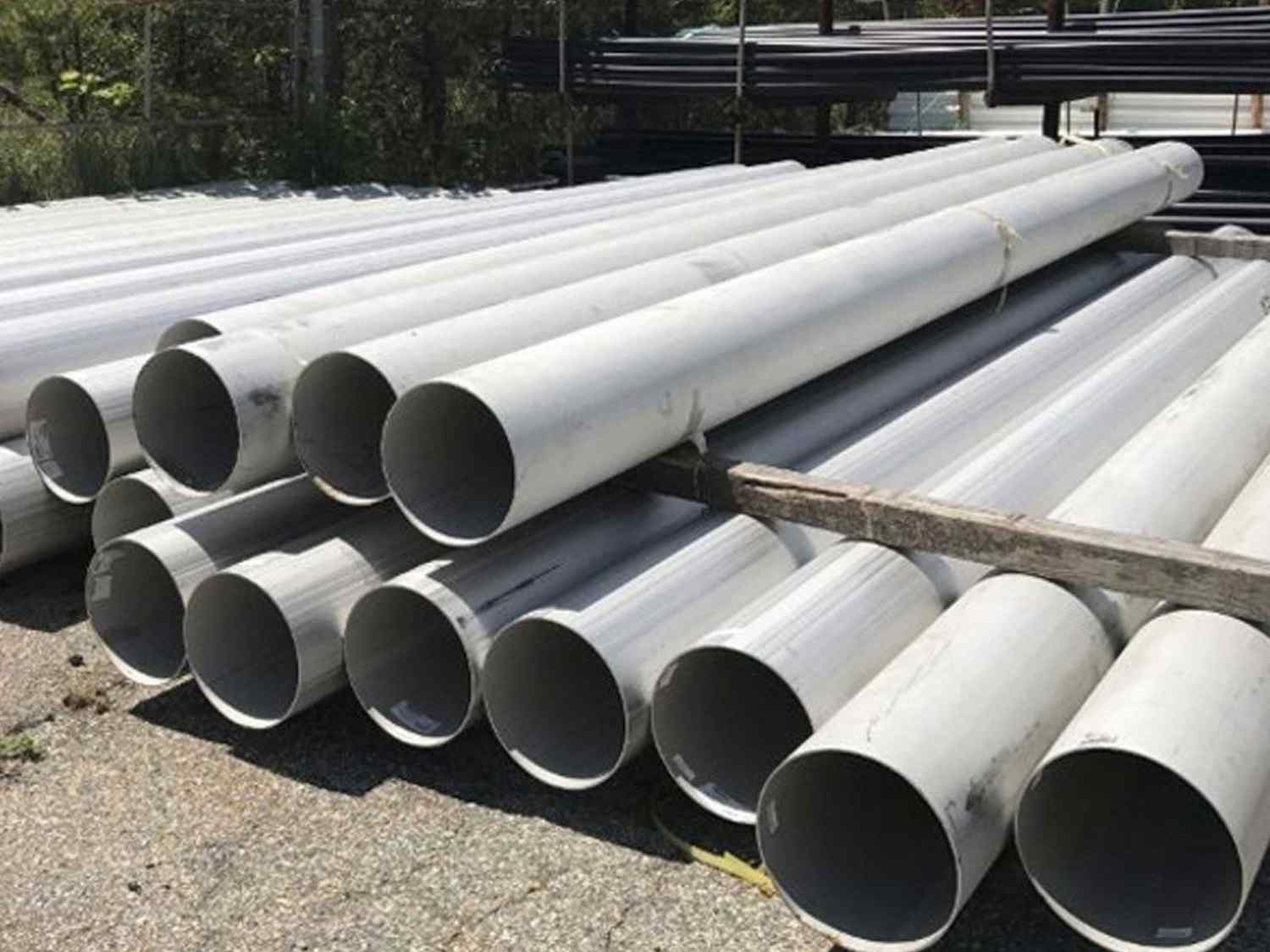
ASTM A276 TP304/304L Stainless Steel Welded Pipe
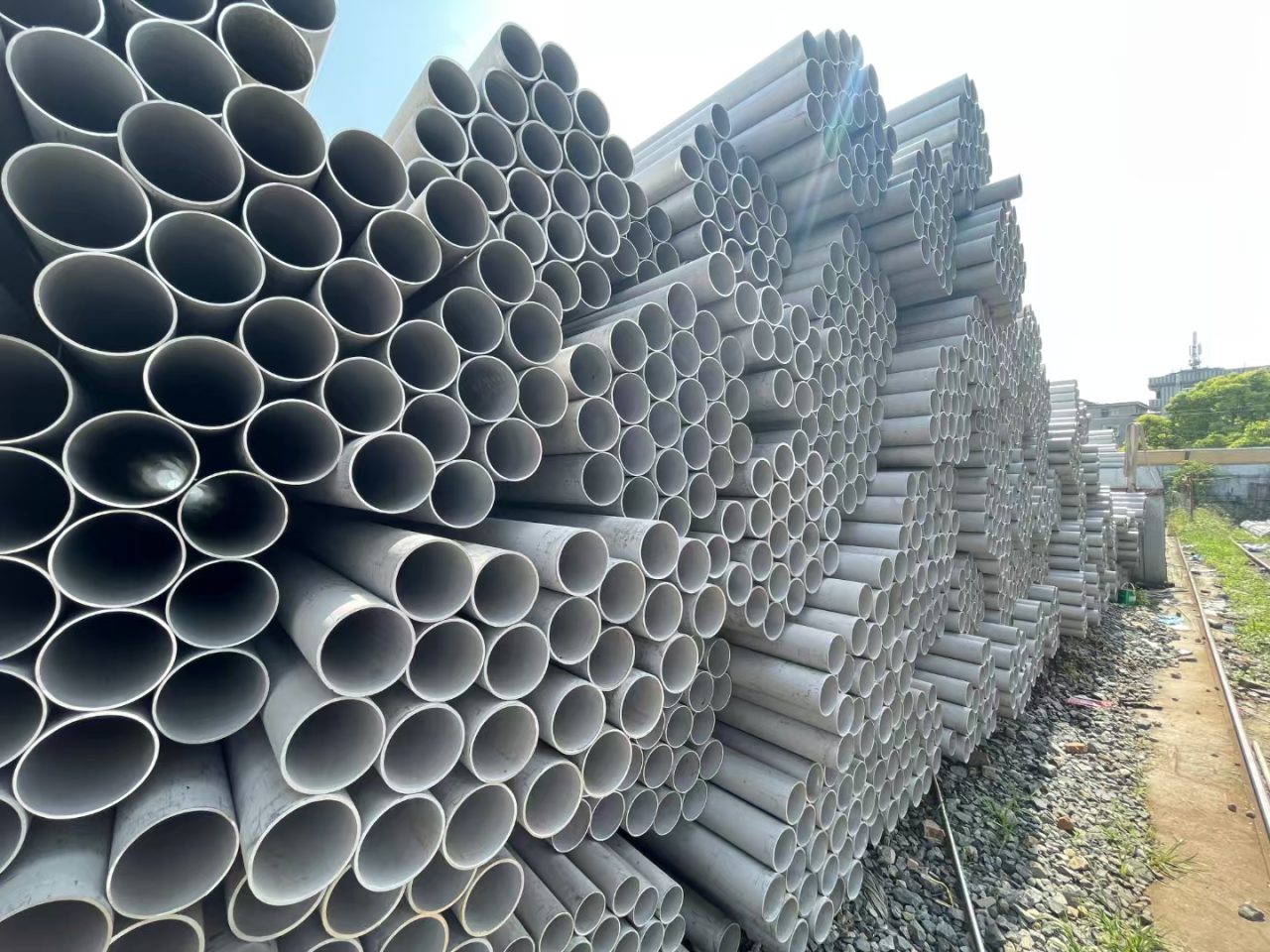
ASTM A276 TP304/304L Stainless Steel Welded Pipes: Standards, Properties, Manufacturing, Applications and Quality Control
2.1 Scope of Application
ASTM A276 standard applies to hot-finished and cold-finished stainless steel bars, shapes, and welded pipes, including a variety of material grades, such as TP304, TP304L, TP316, TP316L, etc. Among them, TP304 and TP304L are the most commonly used austenitic stainless steel grades in the standard. The scope of application of ASTM A276 TP304/304L stainless steel welded pipes mainly includes:
-
Pipes used in industrial pipelines for transporting corrosive media (such as acids, alkalis, salts, and organic solvents), high-temperature media (such as steam and hot oil), and food-grade media (such as drinking water, milk, and food additives);
-
Pipes used in petrochemical, chemical, pharmaceutical, food processing, water treatment, marine engineering, and other industries;
-
Welded pipes with outer diameter ranging from 10.3 mm (0.405 in.) to 1219.2 mm (48 in.) and wall thickness ranging from 0.89 mm (0.035 in.) to 25.4 mm (1.0 in.), which can be divided into seamless welded pipes and longitudinal welded pipes according to the welding method.
It should be noted that ASTM A276 TP304/304L stainless steel welded pipes do not include pipes used in boiler and pressure vessel applications (which are covered by ASTM A312, ASTM A249, and other standards), but they can be used in general pressure pipeline systems that meet the standard requirements.
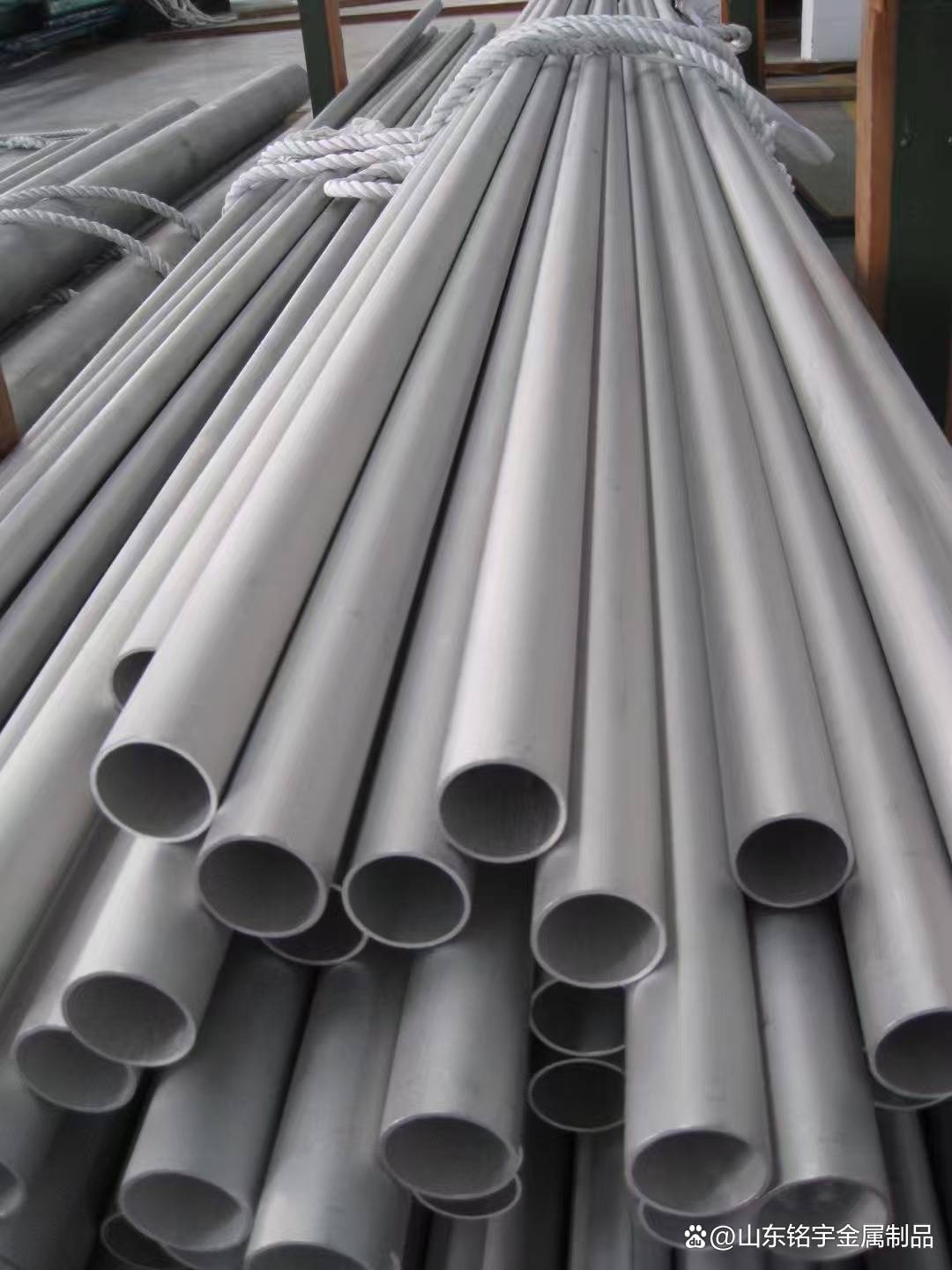
2.2 Core Technical Requirements of the Standard
ASTM A276 standard has strict requirements on the technical parameters of TP304/304L stainless steel welded pipes, including chemical composition, mechanical properties, dimensional accuracy, surface quality, and internal quality, which are the key basis for ensuring the quality and performance of the pipes. The core technical requirements are as follows:
2.2.1 Chemical Composition Requirements
ASTM A276 standard strictly specifies the chemical composition range of TP304 and TP304L stainless steel, and the difference between the two is mainly reflected in the carbon content. The carbon content of TP304 is relatively high, while TP304L is a low-carbon variant, which is designed to improve intergranular corrosion resistance. The detailed chemical composition requirements are shown in Table 1.
|
Element
|
TP304 (Max/Min)
|
TP304L (Max/Min)
|
Typical Value (TP304/304L)
|
Function and Influence
|
|---|---|---|---|---|
|
Carbon (C)
|
Max: 0.08%
|
Max: 0.03%
|
0.06% / 0.02%
|
Affects strength and intergranular corrosion resistance; high C improves strength but increases intergranular corrosion risk; low C (TP304L) enhances intergranular corrosion resistance.
|
|
Chromium (Cr)
|
18.00-20.00%
|
18.00-20.00%
|
19.00% / 19.00%
|
The core element for corrosion resistance; forms a dense Cr₂O₃ passive film on the surface to prevent metal oxidation and corrosion.
|
|
Nickel (Ni)
|
8.00-12.00%
|
8.00-12.00%
|
10.00% / 10.00%
|
Stabilizes the austenitic structure, improves toughness, ductility, and low-temperature performance; enhances corrosion resistance in reducing environments.
|
|
Manganese (Mn)
|
Max: 2.00%
|
Max: 2.00%
|
1.50% / 1.50%
|
Improves strength and hot workability; replaces part of Ni to stabilize austenite, reducing production costs.
|
|
Silicon (Si)
|
Max: 1.00%
|
Max: 1.00%
|
0.50% / 0.50%
|
Acts as a deoxidizer during steelmaking; improves high-temperature oxidation resistance but excessive Si reduces ductility.
|
|
Phosphorus (P)
|
Max: 0.045%
|
Max: 0.045%
|
0.030% / 0.030%
|
Harmful impurity; causes cold brittleness, reduces toughness and corrosion resistance; strictly controlled to a low level.
|
|
Sulfur (S)
|
Max: 0.030%
|
Max: 0.030%
|
0.015% / 0.015%
|
Harmful impurity; causes hot brittleness, reduces hot workability and corrosion resistance; controlled to avoid adverse effects.
|
|
Nitrogen (N)
|
Max: 0.10%
|
Max: 0.10%
|
0.08% / 0.08%
|
Stabilizes austenite, improves strength and corrosion resistance; replaces part of Ni to reduce costs.
|
|
Iron (Fe)
|
Bal.
|
Bal.
|
Bal. / Bal.
|
Matrix element; forms the basic austenitic structure with Cr and Ni.
|
2.2.2 Dimensional Accuracy Requirements
ASTM A276 standard specifies the dimensional accuracy requirements of TP304/304L stainless steel welded pipes, including outer diameter deviation, wall thickness deviation, length deviation, and straightness, which are divided into different levels according to the production process (hot-finished and cold-finished). The specific requirements are shown in Table 2.
|
Dimensional Parameter
|
Hot-Finished Welded Pipes
|
Cold-Finished Welded Pipes
|
Test Method
|
|---|---|---|---|
|
Outer Diameter Deviation
|
±0.5% of nominal outer diameter (min ±0.13 mm)
|
±0.05 mm to ±0.10 mm (depending on nominal outer diameter)
|
Caliper, Micrometer
|
|
Wall Thickness Deviation
|
±10% of nominal wall thickness (min ±0.13 mm)
|
±5% of nominal wall thickness
|
Ultrasonic Thickness Gauge
|
|
Length Deviation
|
Random length: 4-7 m; Fixed length: ±10 mm (max ±20 mm for length >6 m)
|
Random length: 3-6 m; Fixed length: ±5 mm (max ±10 mm for length >5 m)
|
Tape Measure
|
|
Straightness
|
≤1.5 mm per meter
|
≤1.0 mm per meter
|
Straightedge, Level
|
2.2.3 Surface and Internal Quality Requirements
The surface quality of TP304/304L stainless steel welded pipes directly affects their corrosion resistance and appearance. ASTM A276 standard requires that the inner and outer surfaces of the pipes shall be smooth, free of cracks, inclusions, scratches, pits, folds, and other defects that affect performance. The surface roughness of hot-finished welded pipes shall not exceed 6.3 μm (Ra), and the surface roughness of cold-finished welded pipes shall not exceed 1.6 μm (Ra). For pipes used in food-grade and pharmaceutical applications, the surface shall be polished to ensure that there are no dead corners and easy cleaning.
In terms of internal quality, the standard requires that the welded pipes shall be free of internal cracks, shrinkage holes, porosity, segregation, and other defects. For thick-walled pipes (wall thickness >15 mm), non-destructive testing (such as ultrasonic testing and radiographic testing) shall be carried out to check internal defects, and the testing results shall comply with the requirements of ASTM A276. If internal defects are found, the pipes shall be repaired or scrapped according to the severity of the defects.
2.3 Relationship with Other Relevant Standards
ASTM A276 TP304/304L stainless steel welded pipes are closely related to other relevant standards, which are complementary and differentiated in scope of application and technical requirements. The main relevant standards are as follows:
-
ASTM A312 Standard: This standard applies to stainless steel seamless and welded pipes for high-temperature and high-pressure pipelines, which is more stringent than ASTM A276 in terms of pressure-bearing capacity and high-temperature performance. TP304/304L pipes meeting ASTM A312 standard can be used in boiler, pressure vessel, and other high-temperature and high-pressure applications.
-
ASTM A249 Standard: This standard applies to austenitic stainless steel welded pipes for boiler and heat exchanger, which focuses on the high-temperature oxidation resistance and creep performance of the pipes. It is mainly used in heat exchanger tubes and boiler tubes.
-
GB/T 12771 Standard: This is a Chinese national standard for stainless steel welded pipes for fluid transport, which is equivalent to ASTM A276 in scope of application and technical requirements. The 06Cr19Ni10 (TP304) and 022Cr19Ni10 (TP304L) pipes in GB/T 12771 can be used interchangeably with ASTM A276 TP304/304L pipes in general applications.
-
ASME SA-276 Standard: This standard is the boiler and pressure vessel standard adopted by the American Society of Mechanical Engineers (ASME), which is equivalent to ASTM A276 but more stringent in quality control. TP304/304L pipes used in boiler and pressure vessel applications must comply with ASME SA-276 standard.
3. Chemical Composition and Mechanical Properties of ASTM A276 TP304/304L Stainless Steel Welded Pipes
The chemical composition and mechanical properties are the core indicators determining the performance and application scope of ASTM A276 TP304/304L stainless steel welded pipes. The difference in carbon content between TP304 and TP304L leads to differences in their mechanical properties and corrosion resistance. Understanding these differences is crucial for the selection and application of pipes in practical engineering.
3.1 Analysis of Chemical Composition Differences
As can be seen from Table 1, the biggest difference between TP304 and TP304L is the carbon content: the maximum carbon content of TP304 is 0.08%, while that of TP304L is only 0.03%. This difference is designed to solve the problem of intergranular corrosion of TP304 stainless steel.
In the process of welding and heat treatment, if the carbon content of stainless steel is too high, carbon will combine with chromium to form chromium carbide (Cr₂₃C₆) and precipitate at the grain boundaries. This will lead to the depletion of chromium in the grain boundary area, making the chromium content in the grain boundary lower than 12%, which destroys the continuity of the passive film and leads to intergranular corrosion. Intergranular corrosion is a kind of local corrosion that occurs along the grain boundaries, which will seriously reduce the toughness and strength of the pipe, leading to pipe failure.
TP304L reduces the carbon content to less than 0.03%, which can effectively inhibit the precipitation of chromium carbide at the grain boundaries during welding and heat treatment, thus avoiding the depletion of chromium in the grain boundary area and significantly improving the intergranular corrosion resistance. In addition, the content of other elements (Cr, Ni, Mn, etc.) of TP304 and TP304L is the same, so their basic corrosion resistance and mechanical properties are similar, except for the differences caused by carbon content.
It should be noted that the chemical composition of TP304/304L stainless steel welded pipes may have slight deviations in different production batches, but they must be within the range specified by ASTM A276 standard. The manufacturer must provide a Material Test Report (MTR) for each batch of pipes, detailing the actual chemical composition test results to ensure traceability and quality control. In practical engineering, the chemical composition of the pipes can be tested by optical emission spectroscopy (OES) or X-ray fluorescence (XRF) to verify whether they meet the standard requirements.
3.2 Mechanical Properties
The mechanical properties of ASTM A276 TP304/304L stainless steel welded pipes are closely related to their heat treatment state and welding process. ASTM A276 standard specifies the minimum requirements for mechanical properties such as tensile strength, yield strength (0.2% offset), elongation, and hardness. The mechanical properties of TP304 and TP304L are slightly different due to the difference in carbon content. The detailed mechanical property requirements are shown in Table 3.
|
Mechanical Property
|
Test Standard
|
TP304 (Min/Max)
|
TP304L (Min/Max)
|
Unit
|
|---|---|---|---|---|
|
Tensile Strength (TS)
|
ASTM E8/E8M
|
Min: 515
|
Min: 485
|
MPa (ksi)
|
|
Yield Strength (YS, 0.2% offset)
|
ASTM E8/E8M
|
Min: 205 (30)
|
Min: 170 (25)
|
MPa (ksi)
|
|
Elongation in 50 mm (2 in.) Gauge Length
|
ASTM E8/E8M
|
Min: 40
|
Min: 40
|
%
|
|
Reduction of Area
|
ASTM E8/E8M
|
Min: 60
|
Min: 60
|
%
|
|
Brinell Hardness (HB)
|
ASTM E10
|
Max: 201
|
Max: 201
|
HB
|
|
Impact Toughness (Izod, 23℃)
|
ASTM E23
|
Min: 100
|
Min: 100
|
J
|
|
High-Temperature Tensile Strength (500℃)
|
ASTM E21
|
Min: 310
|
Min: 290
|
MPa
|
3.2.1 Analysis of Mechanical Property Differences
From Table 3, it can be seen that the tensile strength and yield strength of TP304 are slightly higher than those of TP304L, while their elongation, reduction of area, hardness, and impact toughness are the same. This is because carbon is a strengthening element in stainless steel, and the higher carbon content of TP304 can improve the strength of the material through solid solution strengthening. The tensile strength of TP304 is at least 515 MPa, and the yield strength is at least 205 MPa, while the tensile strength of TP304L is at least 485 MPa, and the yield strength is at least 170 MPa. This difference makes TP304 more suitable for applications requiring higher strength, such as pipeline systems under higher pressure.
The elongation of both TP304 and TP304L is not less than 40%, which indicates that they have excellent ductility and formability, and can be easily bent, flanged, expanded, and other forming processes, which is very important for the installation and construction of pipeline systems. The impact toughness of both is not less than 100 J, which indicates that they have good toughness and can withstand impact loads without brittle fracture, ensuring the safety and reliability of the pipeline in practical applications.
The mechanical properties of TP304/304L stainless steel welded pipes are also affected by the welding process and heat treatment. During the welding process, the heat-affected zone (HAZ) of the pipe will undergo structural changes, which may lead to a decrease in strength and toughness. Therefore, after welding, it is usually necessary to carry out solution heat treatment to restore the mechanical properties of the pipe. Solution heat treatment is to heat the pipe to 1010-1150℃, hold it for a certain time, and then cool it rapidly (water cooling or air cooling), which can dissolve the precipitated chromium carbide, restore the uniform austenitic structure, and improve the mechanical properties and corrosion resistance of the pipe.
3.2.2 Mechanical Property Test Methods
The mechanical property test of ASTM A276 TP304/304L stainless steel welded pipes must be carried out in accordance with the relevant standards specified in Table 3, and the test samples must be taken in strict accordance with the requirements of ASTM A276. The specific test methods are as follows:
-
Tensile Test and Yield Strength Test: These tests are carried out using a universal testing machine. The test sample is a standard round bar sample cut from the welded pipe, and the gauge length of the sample is 50 mm (2 in.). The test speed is controlled at 2-5 mm/min to ensure the accuracy of the test results. During the test, the tensile force and elongation of the sample are measured, and the tensile strength and yield strength are calculated according to the test data.
-
Brinell Hardness Test: This test is carried out using a Brinell hardness tester, with a test load of 3000 kgf and a steel ball diameter of 10 mm. The test point is selected on the cross-section of the pipe, and at least three test points are taken for each sample to calculate the average value, which is taken as the hardness value of the pipe. It should be noted that the test point should avoid the welding seam to prevent the welding seam from affecting the test results.
-
Impact Toughness Test: This test is carried out using an Izod impact tester. The test sample is a standard V-notch sample cut from the welded pipe, and the test temperature is 23℃ (room temperature). During the test, the impact energy absorbed by the sample when it is broken is measured, which is the impact toughness value of the pipe.
It is worth noting that the mechanical properties listed in Table 3 are the minimum requirements specified by ASTM A276 standard. In actual production, due to the differences in production processes (such as raw material quality, welding parameters, and heat treatment control), the actual mechanical properties of TP304/304L welded pipes may be slightly higher than the standard requirements, ensuring a certain safety margin for practical applications. However, the actual performance must not be lower than the standard requirements; otherwise, the product will be deemed unqualified and cannot be put into use.
4. Welding Process of ASTM A276 TP304/304L Stainless Steel Welded Pipes
Welding is the core link in the manufacturing process of ASTM A276 TP304/304L stainless steel welded pipes, and the quality of the welding seam directly affects the performance and service life of the pipes. Due to the characteristics of austenitic stainless steel (such as high thermal conductivity, large linear expansion coefficient, and easy oxidation), the welding process of TP304/304L welded pipes has strict requirements. The key to ensuring welding quality is to select a reasonable welding method, control welding parameters, and carry out appropriate heat treatment after welding.
4.1 Common Welding Methods
The common welding methods for ASTM A276 TP304/304L stainless steel welded pipes include Gas Tungsten Arc Welding (GTAW, also known as TIG welding), Gas Metal Arc Welding (GMAW, also known as MIG welding), Shielded Metal Arc Welding (SMAW, also known as manual arc welding), and Submerged Arc Welding (SAW). Different welding methods have their own characteristics and applicable scenarios, and the selection should be based on the wall thickness, diameter, production efficiency, and application requirements of the pipes. The detailed comparison of common welding methods is shown in Table 4.
|
Welding Method
|
Advantages
|
Disadvantages
|
Applicable Scenarios
|
Welding Materials
|
|---|---|---|---|---|
|
GTAW (TIG)
|
High welding quality, beautiful weld seam, small heat-affected zone, no spatter.
|
Low production efficiency, high technical requirements for welders, high cost.
|
Thin-walled pipes (wall thickness ≤6 mm), food-grade, pharmaceutical pipes.
|
ER308/ER308L welding wire
|
|
GMAW (MIG)
|
High production efficiency, stable welding process, easy to automate.
|
Large spatter, poor weld seam appearance, large heat-affected zone.
|
Medium-thick wall pipes (6-15 mm), mass production.
|
ER308/ER308L welding wire + Ar shielding gas
|
|
SMAW (Manual Arc)
|
Simple equipment, flexible operation, suitable for on-site welding.
|
Low welding quality, large spatter, high labor intensity.
|
On-site installation, thick-walled pipes (wall thickness >15 mm).
|
E308-16/E308L-16 electrode
|
|
SAW (Submerged Arc)
|
High production efficiency, deep weld penetration, good weld quality.
|
Complex equipment, not suitable for thin-walled pipes and on-site welding.
|
Thick-walled pipes (wall thickness >10 mm), large-diameter pipes.
|
H08Cr21Ni10Si welding wire + flux
|
4.1.1 Key Welding Method: GTAW (TIG) Welding
GTAW (TIG) welding is the most commonly used welding method for ASTM A276 TP304/304L stainless steel welded pipes, especially for thin-walled pipes and pipes used in food-grade, pharmaceutical, and other high-quality requirements. The main advantages of GTAW welding are high welding quality, beautiful weld seam, small heat-affected zone, and no spatter, which can effectively avoid the damage to the passive film of stainless steel and ensure the corrosion resistance of the pipe.
The key technical points of GTAW welding for TP304/304L pipes are as follows:
-
Shielding Gas Selection: Argon (Ar) is usually used as the shielding gas, with a purity of not less than 99.99%. Argon has good shielding effect, which can prevent the welding pool and weld seam from being oxidized by air, and avoid the formation of defects such as pores and oxides. For pipes with larger wall thickness, a small amount of helium (He) can be added to the shielding gas to increase the welding temperature and improve the weld penetration.
-
Welding Wire Selection: The welding wire should be consistent with the chemical composition of the base metal. For TP304 pipes, ER308 welding wire is used; for TP304L pipes, ER308L welding wire is used. The diameter of the welding wire is usually 1.0-2.0 mm, which is selected according to the wall thickness of the pipe. The welding wire should be cleaned before use to remove oil, rust, and other impurities on the surface.
-
Welding Parameter Control: The key welding parameters include welding current, welding voltage, welding speed, and shielding gas flow. For TP304/304L pipes with wall thickness of 2-6 mm, the welding current is controlled at 50-120 A, the welding voltage is 8-12 V, the welding speed is 5-10 cm/min, and the shielding gas flow is 8-15 L/min. Too high welding current will lead to excessive heat input, large heat-affected zone, and easy formation of cracks; too low welding current will lead to insufficient weld penetration and incomplete fusion.
-
Welding Operation: The welder should hold the welding torch at an angle of 70-80° with the base metal, and the distance between the welding torch and the base metal is 3-5 mm. The welding wire should be fed into the welding pool evenly to ensure that the weld seam is full and uniform. During the welding process, the welding torch should move stably to avoid fluctuations in welding speed and current.
4.2 Welding Process Control
The welding process control of ASTM A276 TP304/304L stainless steel welded pipes is crucial for ensuring welding quality. The main control links include pre-welding preparation, welding parameter control, and post-welding treatment.
4.2.1 Pre-Welding Preparation
Pre-welding preparation is the basis for ensuring welding quality, and its main contents include base metal cleaning, groove processing, and assembly.
-
Base Metal Cleaning: Before welding, the surface of the base metal (especially the groove and its surrounding area within 20 mm) must be cleaned to remove oil, rust, oxide scale, and other impurities. Oil can be removed by degreasing agents (such as acetone and ethanol); rust and oxide scale can be removed by grinding, pickling, and other methods. The purpose of cleaning is to prevent impurities from entering the weld pool during welding, which may cause defects such as porosity, inclusions, and incomplete fusion. In practical operation, after cleaning, the surface of the base metal should be inspected visually to ensure that there are no visible impurities, and the cleaned surface should be welded within 4 hours to avoid secondary pollution.
-
Groove Processing: The groove form of TP304/304L stainless steel welded pipes is mainly determined by the wall thickness of the pipe. For thin-walled pipes (wall thickness ≤6 mm), a V-shaped groove with an angle of 60-70° is usually adopted, and the root gap is 2-3 mm, which is conducive to full weld penetration and uniform weld formation. For medium-thick wall pipes (6-15 mm), an X-shaped groove or U-shaped groove can be adopted to reduce the amount of welding filler metal, reduce heat input, and avoid excessive deformation of the pipe. The groove processing can be carried out by grinding, cutting, or planing, and the surface of the groove should be smooth, free of burrs, cracks, and other defects. The roughness of the groove surface should not exceed 6.3 μm (Ra) to ensure good contact between the welding wire and the base metal.
-
Assembly: During the assembly of the pipes, the coaxiality of the two pipes should be ensured, and the deviation of the pipe axis should not exceed 0.5 mm per meter. The root gap and misalignment should be strictly controlled according to the groove design requirements. The misalignment of the pipe wall should not exceed 10% of the wall thickness, and the maximum misalignment should not exceed 2 mm. If the misalignment is too large, it will lead to uneven stress distribution in the weld seam, increase the risk of cracks, and affect the mechanical properties of the pipe. After assembly, the pipes should be fixed with clamps to prevent displacement during welding.
4.2.2 Welding Parameter Control
Welding parameter control is the core of welding process control, and the rationality of welding parameters directly determines the quality of the weld seam. For ASTM A276 TP304/304L stainless steel welded pipes, the key welding parameters include welding current, welding voltage, welding speed, shielding gas flow, and interpass temperature. Different welding methods have different requirements for welding parameters, and the parameters should be adjusted according to the wall thickness, diameter, and welding material of the pipe.
Taking GTAW (TIG) welding of TP304L thin-walled pipes (wall thickness 3 mm, outer diameter 57 mm) as an example, the optimal welding parameters are as follows: welding current 70-80 A, welding voltage 9-10 V, welding speed 7-8 cm/min, shielding gas (Ar) flow 10-12 L/min, back shielding gas (Ar) flow 5-6 L/min, interpass temperature ≤150℃. In the actual welding process, the welding parameters should be adjusted in real time according to the welding pool state. For example, if the welding pool is too small and the weld penetration is insufficient, the welding current can be appropriately increased or the welding speed can be reduced; if the welding pool is too large and the weld seam is overfilled, the welding current can be reduced or the welding speed can be increased.
It should be noted that the interpass temperature must be strictly controlled during multi-layer welding. For TP304/304L stainless steel, the interpass temperature should not exceed 150℃. If the interpass temperature is too high, it will lead to excessive growth of austenite grains in the heat-affected zone, reduce the toughness and corrosion resistance of the pipe, and even cause intergranular corrosion. Therefore, after each layer of welding, the weld seam should be cooled naturally to below 150℃ before welding the next layer. In addition, the welding current and voltage should be kept stable during welding to avoid fluctuations, which will cause uneven weld seam thickness and affect the welding quality.
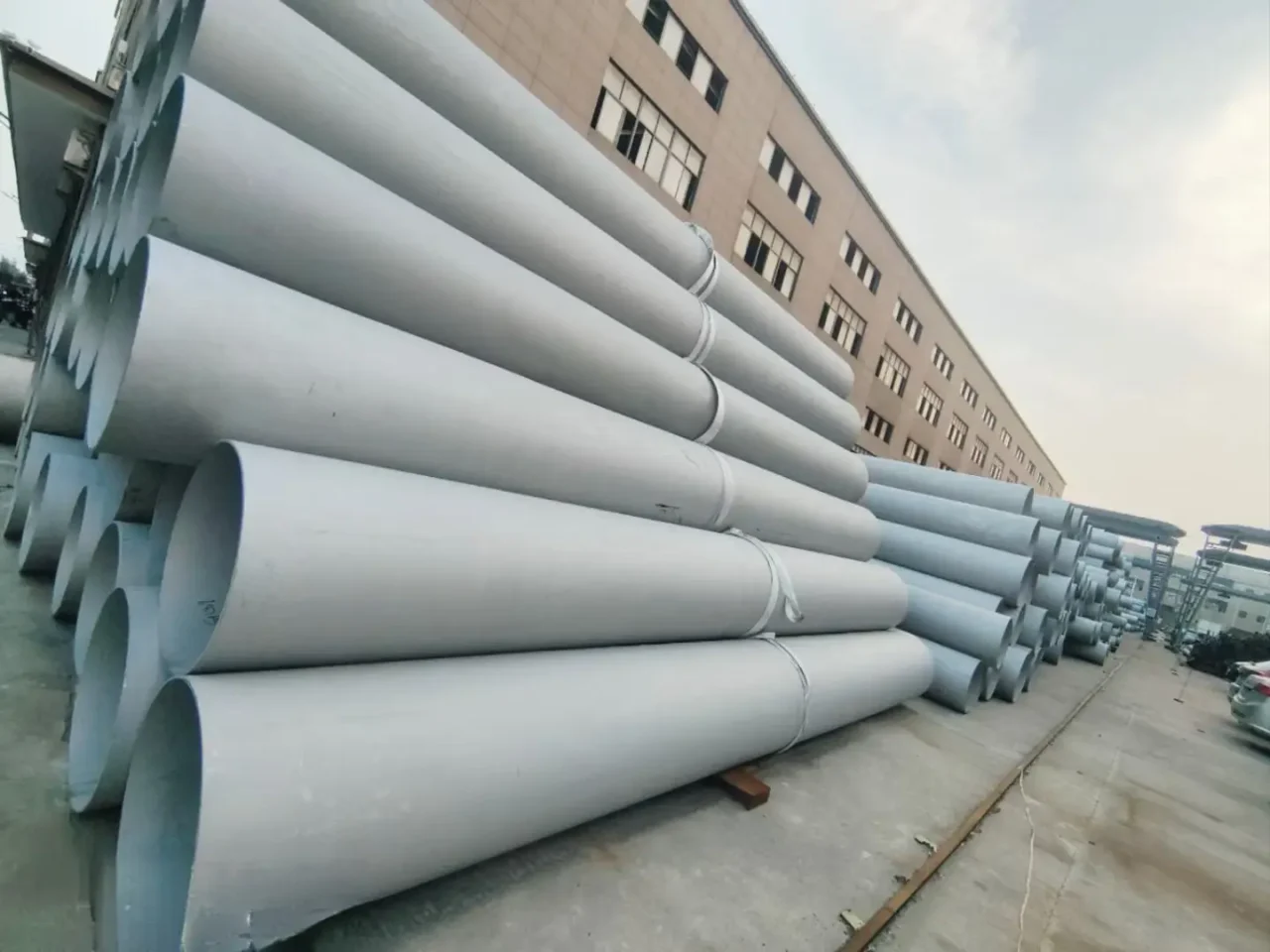
4.2.3 Post-Welding Treatment
Post-welding treatment is an important link to improve the performance of TP304/304L stainless steel welded pipes, which mainly includes post-welding cleaning, heat treatment, and pickling passivation. The purpose of post-welding treatment is to remove welding defects, restore the mechanical properties and corrosion resistance of the pipe, and ensure that the pipe meets the requirements of ASTM A276 standard.
-
Post-Welding Cleaning: After welding, the surface of the weld seam and the heat-affected zone will have welding spatter, slag, and oxide scale, which need to be cleaned in time. Welding spatter can be removed by chiseling, grinding, or sandblasting; slag can be removed by wire brushing or grinding. The cleaning should be thorough to avoid residual slag and spatter affecting the subsequent heat treatment and pickling passivation effect. In addition, the weld seam should be inspected visually after cleaning to check whether there are visible defects such as cracks, pores, and incomplete fusion.
-
Post-Welding Heat Treatment: The post-welding heat treatment of TP304/304L stainless steel welded pipes mainly adopts solution heat treatment, which is the key to restoring the corrosion resistance and mechanical properties of the pipe. Solution heat treatment is carried out in a heat treatment furnace, and the specific process parameters are as follows: heating temperature 1050-1100℃, holding time 30-60 minutes (depending on the wall thickness of the pipe), and then rapid cooling (water cooling or air cooling). The purpose of solution heat treatment is to dissolve the chromium carbide (Cr₂₃C₆) precipitated at the grain boundaries during welding, restore the uniform austenitic structure, and form a dense chromium oxide passive film on the surface of the pipe, thereby improving the intergranular corrosion resistance and mechanical properties of the pipe. It should be noted that the heating rate and cooling rate should be strictly controlled during solution heat treatment. The heating rate should not exceed 200℃/h to avoid thermal stress and cracks; the cooling rate should be fast enough to prevent the re-precipitation of chromium carbide.
-
Pickling and Passivation: After welding and heat treatment, the surface of the pipe and the weld seam area will still be covered with oxide scale, discoloration, and residual contaminants, which will damage the passive film and reduce the corrosion resistance of the pipe. Therefore, pickling and passivation treatment is required to restore and enhance the corrosion resistance of the pipe.
Pickling is to use a mixed acid solution of nitric acid and hydrofluoric acid (the volume ratio of nitric acid to hydrofluoric acid is usually 8:1-10:1, and the concentration of the acid solution is 10%-15%) to remove oxide scale, welding discoloration, and residual slag on the surface of the pipe. The pickling temperature is controlled at 20-30℃, and the pickling time is 10-20 minutes. The pickling time should not be too long to avoid over-corrosion of the pipe surface. After pickling, the pipe should be rinsed thoroughly with clean water to remove residual acid solution.
Passivation is to use a dilute nitric acid solution (concentration 5%-8%) or citric acid solution (concentration 8%-10%) to treat the surface of the pickled pipe. The passivation temperature is 40-50℃, and the passivation time is 20-30 minutes. The purpose of passivation is to form a dense, stable, and uniform chromium oxide (Cr₂O₃) passive film on the surface of the pipe, which can effectively prevent the pipe from being oxidized and corroded. After passivation, the pipe should be rinsed with clean water and dried naturally or by hot air (drying temperature ≤120℃) to avoid water stains on the surface.
It is worth emphasizing that the pickling and passivation process must comply with the requirements of ASTM A380 and ASTM A967 standards, which specify the technical parameters, operation procedures, and quality inspection criteria of pickling and passivation for stainless steel. In addition, the acid solution used in pickling and passivation is corrosive, so the operator must wear protective equipment (such as gloves, goggles, and protective clothing) during operation to ensure personal safety. The waste acid solution after pickling and passivation must be treated in accordance with environmental protection requirements before discharge to avoid environmental pollution.
5. Manufacturing Technology of ASTM A276 TP304/304L Stainless Steel Welded Pipes
The manufacturing process of ASTM A276 TP304/304L stainless steel welded pipes is a systematic project, which mainly includes raw material selection, plate cutting, forming, welding, post-welding treatment, and finished product inspection. Each link has strict technical requirements, and any link that fails to meet the standard will affect the quality and performance of the final product. This chapter will elaborate on each link of the manufacturing process in detail, combining practical production experience and ASTM A276 standard requirements.
5.1 Raw Material Selection
The raw material of TP304/304L stainless steel welded pipes is mainly TP304/304L stainless steel plate or coil, which is the basis for ensuring the quality of the pipes. The selection of raw materials must comply with the requirements of ASTM A276 standard, and the manufacturer of the raw materials must have relevant qualification certificates and provide a Material Test Report (MTR) to ensure that the chemical composition and mechanical properties of the raw materials meet the standard requirements.
When selecting raw materials, the following points should be paid attention to: first, the chemical composition of the stainless steel plate or coil must be within the range specified in Table 1, especially the carbon content (TP304 ≤0.08%, TP304L ≤0.03%) and chromium content (18.00-20.00%), which directly affect the corrosion resistance and mechanical properties of the pipes. Second, the mechanical properties of the raw materials must meet the minimum requirements of ASTM A276 standard, such as tensile strength ≥515 MPa (TP304) or ≥485 MPa (TP304L), elongation ≥40%. Third, the surface quality of the raw materials must be good, free of cracks, inclusions, scratches, pits, and other defects, and the surface roughness should meet the production requirements. Fourth, the raw materials should be stored in a dry, ventilated, and corrosion-free warehouse to avoid rust and pollution. When storing, the raw materials should be placed horizontally, and a cushion should be placed between the raw materials and the ground to prevent moisture.
In addition, the raw materials should be inspected before use. The inspection items include chemical composition analysis, mechanical property test, and surface quality inspection. The chemical composition can be tested by optical emission spectroscopy (OES); the mechanical properties can be tested by tensile test and hardness test; the surface quality can be inspected visually or by magnifying glass. Only the raw materials that pass the inspection can be put into production.
5.2 Plate Cutting
Plate cutting is the first link in the manufacturing process of welded pipes, which is to cut the stainless steel plate or coil into strips of the required width according to the outer diameter and wall thickness of the pipe. The accuracy of plate cutting directly affects the forming quality and dimensional accuracy of the pipe. The common plate cutting methods for TP304/304L stainless steel include shearing, plasma cutting, and laser cutting.
-
Shearing: This method is suitable for cutting thin-walled stainless steel plates (thickness ≤6 mm). It has the advantages of high cutting efficiency, low cost, and smooth cutting surface. The shearing equipment mainly includes hydraulic shears and mechanical shears. When shearing, the cutting edge should be sharp, and the clearance between the upper and lower cutting edges should be adjusted according to the thickness of the plate (usually 5%-10% of the plate thickness) to avoid burrs and deformation of the cutting surface.
-
Plasma Cutting: This method is suitable for cutting medium-thick wall stainless steel plates (thickness 6-25 mm). It has the advantages of fast cutting speed, high cutting accuracy, and strong adaptability. The plasma cutting uses high-temperature plasma arc to melt the stainless steel plate, and then blows off the molten metal with high-pressure gas to complete the cutting. When plasma cutting, the cutting parameters (such as plasma arc current, voltage, and cutting speed) should be strictly controlled to ensure the cutting quality. The cutting surface should be smooth, free of burrs, and the cutting deviation should not exceed ±0.5 mm.
-
Laser Cutting: This method is suitable for cutting high-precision stainless steel plates of various thicknesses. It has the advantages of high cutting accuracy, smooth cutting surface, and small cutting deformation. The laser cutting uses high-energy laser beam to melt and vaporize the stainless steel plate, and the cutting accuracy can reach ±0.1 mm. However, the laser cutting equipment is expensive, and the cutting cost is high, which is mainly used for cutting high-precision, small-batch pipes.
After cutting, the strips should be inspected for dimensional accuracy and surface quality. The width of the strips should meet the design requirements (the width is calculated according to the outer diameter of the pipe and the forming angle), and the deviation of the width should not exceed ±0.3 mm. The cutting surface should be smooth, free of burrs, cracks, and other defects. If there are burrs, they should be removed by grinding. In addition, the strips should be straightened after cutting to avoid deformation affecting the subsequent forming process.
5.3 Forming
Forming is the process of bending the cut stainless steel strips into circular pipes, which is a key link affecting the dimensional accuracy and roundness of the welded pipes. The forming method of TP304/304L stainless steel welded pipes mainly includes roll forming and press forming.
5.3.1 Roll Forming
Roll forming is the most commonly used forming method for TP304/304L stainless steel welded pipes, which is suitable for mass production of pipes with different diameters and wall thicknesses. The roll forming equipment is a continuous roll forming machine, which is composed of multiple groups of forming rolls. The stainless steel strip is fed into the forming machine, and under the action of multiple groups of forming rolls, it is gradually bent into a circular pipe. The forming process is continuous, with high production efficiency and stable forming quality.
The key technical points of roll forming are as follows: first, the design of the forming rolls. The shape and size of the forming rolls should be designed according to the outer diameter and wall thickness of the pipe, and the forming angle of each group of rolls should be gradually increased to avoid excessive deformation of the strip and cracks. Second, the adjustment of the forming machine. Before forming, the forming machine should be adjusted to ensure that the distance between the rolls is appropriate, and the coaxiality of the rolls is good. The adjustment of the rolls directly affects the roundness and dimensional accuracy of the formed pipe. Third, the forming speed. The forming speed should be matched with the welding speed, usually 5-15 m/min. The forming speed should be kept stable to avoid uneven deformation of the pipe.
During roll forming, the surface of the strip should be protected to avoid scratches. A protective film can be pasted on the surface of the strip before forming, or the forming rolls can be polished to reduce friction. In addition, the edge of the strip should be aligned during forming to ensure that the root gap of the weld seam is uniform, which is conducive to subsequent welding.
5.3.2 Press Forming
Press forming is suitable for small-batch production of large-diameter, thick-walled TP304/304L stainless steel welded pipes. The press forming equipment mainly includes hydraulic presses and mechanical presses. The forming process is as follows: first, the stainless steel strip is placed on the forming die, and then the press applies pressure to bend the strip into a circular pipe. After forming, the two ends of the strip are aligned and fixed, and then welded.
The advantages of press forming are flexible operation, strong adaptability, and suitable for forming pipes of various specifications. The disadvantages are low production efficiency, high labor intensity, and large forming deformation. Therefore, press forming is mainly used for small-batch, special-specification pipes. When press forming, the forming die should be selected according to the outer diameter and wall thickness of the pipe, and the pressure and forming speed should be strictly controlled to avoid cracks and deformation of the pipe.
After forming, the circular pipe should be inspected for dimensional accuracy and roundness. The outer diameter and wall thickness of the pipe should meet the requirements of ASTM A276 standard (see Table 2); the roundness error should not exceed 0.5% of the nominal outer diameter. If the roundness error is too large, the pipe can be corrected by expanding or shrinking. In addition, the two ends of the pipe should be flat, and the verticality of the pipe end and the pipe axis should meet the requirements to facilitate subsequent assembly and welding.
5.4 Welding, Post-Welding Treatment and Finished Product Inspection
The welding and post-welding treatment of TP304/304L stainless steel welded pipes have been elaborated in detail in Chapter 4, and will not be repeated here. It should be emphasized that the welding and post-welding treatment must be carried out in strict accordance with the process requirements and ASTM A276 standard, and each link must be inspected to ensure the quality of the pipe.
Finished product inspection is the final link in the manufacturing process of TP304/304L stainless steel welded pipes, which is to inspect the finished pipes comprehensively to ensure that they meet the requirements of ASTM A276 standard and practical application. The finished product inspection mainly includes dimensional inspection, surface quality inspection, internal quality inspection, chemical composition inspection, and mechanical property inspection.
-
Dimensional Inspection: The dimensional inspection includes the inspection of outer diameter, wall thickness, length, straightness, and roundness. The inspection methods are in accordance with Table 2. The inspection should be carried out randomly, and the sampling ratio should not be less than 5% of the total number of pipes. If unqualified products are found, the sampling ratio should be increased, and all unqualified products should be repaired or scrapped.
-
Surface Quality Inspection: The surface quality inspection is mainly carried out by visual inspection and magnifying glass inspection. The inner and outer surfaces of the pipe should be smooth, free of cracks, inclusions, scratches, pits, folds, and other defects. The surface roughness should meet the requirements (hot-finished pipes ≤6.3 μm Ra, cold-finished pipes ≤1.6 μm Ra). For pipes used in food-grade and pharmaceutical applications, the surface should be inspected more strictly to ensure that there are no dead corners and easy cleaning.
-
Internal Quality Inspection: The internal quality inspection mainly adopts non-destructive testing methods, including ultrasonic testing (UT), radiographic testing (RT), and magnetic particle testing (MT). For thick-walled pipes (wall thickness >15 mm), ultrasonic testing and radiographic testing must be carried out to check internal defects such as cracks, pores, and incomplete fusion. The testing results should comply with the requirements of ASTM A276 standard. For pipes used in important applications, 100% non-destructive testing should be carried out.
-
Chemical Composition Inspection: The chemical composition inspection is to take samples from the finished pipes and test their chemical composition by optical emission spectroscopy (OES) or X-ray fluorescence (XRF). The test results should be within the range specified in Table 1. The sampling ratio should not be less than 3% of the total number of pipes.
-
Mechanical Property Inspection: The mechanical property inspection includes tensile test, yield strength test, elongation test, hardness test, and impact toughness test. The test methods and requirements are in accordance with Table 3. The test samples should be taken from the finished pipes, and the sampling ratio should not be less than 2% of the total number of pipes. The test results must meet the minimum requirements of ASTM A276 standard.
After the finished product inspection, the qualified pipes should be marked with relevant information, including the material grade (TP304/304L), standard number (ASTM A276), outer diameter, wall thickness, length, production batch number, and manufacturer’s name. The marking should be clear, firm, and easy to identify. The qualified pipes should be packed in wooden cases or steel frames to avoid damage during transportation. The packaging should be moisture-proof, corrosion-proof, and shock-proof. In addition, the manufacturer should provide a Product Quality Certificate and Material Test Report (MTR) for each batch of qualified pipes to ensure traceability.
4.2.2 Welding Parameter Control
Welding parameter control is the core of welding process control, and the rationality of welding parameters directly determines the quality of the weld seam. For ASTM A276 TP304/304L stainless steel welded pipes, the key welding parameters include welding current, welding voltage, welding speed, shielding gas flow, and interpass temperature. Different welding methods have different requirements for welding parameters, and the parameters should be adjusted according to the wall thickness, diameter, and welding material of the pipe.
Taking GTAW (TIG) welding of TP304L thin-walled pipes (wall thickness 3 mm, outer diameter 57 mm) as an example, the optimal welding parameters are as follows: welding current 70-80 A, welding voltage 9-10 V, welding speed 7-8 cm/min, shielding gas (Ar) flow 10-12 L/min, back shielding gas (Ar) flow 5-6 L/min, interpass temperature ≤150℃. In the actual welding process, the welding parameters should be adjusted in real time according to the welding pool state. For example, if the welding pool is too small and the weld penetration is insufficient, the welding current can be appropriately increased or the welding speed can be reduced; if the welding pool is too large and the weld seam is overfilled, the welding current can be reduced or the welding speed can be increased.
It should be noted that the interpass temperature must be strictly controlled during multi-layer welding. For TP304/304L stainless steel, the interpass temperature should not exceed 150℃. If the interpass temperature is too high, it will lead to excessive growth of austenite grains in the heat-affected zone, reduce the toughness and corrosion resistance of the pipe, and even cause intergranular corrosion. Therefore, after each layer of welding, the weld seam should be cooled naturally to below 150℃ before welding the next layer. In addition, the welding current and voltage should be kept stable during welding to avoid fluctuations, which will cause uneven weld seam thickness and affect the welding quality.
4.2.3 Post-Welding Treatment
Post-welding treatment is an important link to improve the performance of TP304/304L stainless steel welded pipes, which mainly includes post-welding cleaning, heat treatment, and pickling passivation. The purpose of post-welding treatment is to remove welding defects, restore the mechanical properties and corrosion resistance of the pipe, and ensure that the pipe meets the requirements of ASTM A276 standard.
-
Post-Welding Cleaning: After welding, the surface of the weld seam and the heat-affected zone will have welding spatter, slag, and oxide scale, which need to be cleaned in time. Welding spatter can be removed by chiseling, grinding, or sandblasting; slag can be removed by wire brushing or grinding. The cleaning should be thorough to avoid residual slag and spatter affecting the subsequent heat treatment and pickling passivation effect. In addition, the weld seam should be inspected visually after cleaning to check whether there are visible defects such as cracks, pores, and incomplete fusion.
-
Post-Welding Heat Treatment: The post-welding heat treatment of TP304/304L stainless steel welded pipes mainly adopts solution heat treatment, which is the key to restoring the corrosion resistance and mechanical properties of the pipe. Solution heat treatment is carried out in a heat treatment furnace, and the specific process parameters are as follows: heating temperature 1050-1100℃, holding time 30-60 minutes (depending on the wall thickness of the pipe), and then rapid cooling (water cooling or air cooling). The purpose of solution heat treatment is to dissolve the chromium carbide (Cr₂₃C₆) precipitated at the grain boundaries during welding, restore the uniform austenitic structure, and form a dense chromium oxide passive film on the surface of the pipe, thereby improving the intergranular corrosion resistance and mechanical properties of the pipe. It should be noted that the heating rate and cooling rate should be strictly controlled during solution heat treatment. The heating rate should not exceed 200℃/h to avoid thermal stress and cracks; the cooling rate should be fast enough to prevent the re-precipitation of chromium carbide.
-
Pickling and Passivation: After welding and heat treatment, the surface of the pipe and the weld seam area will still be covered with oxide scale, discoloration, and residual contaminants, which will damage the passive film and reduce the corrosion resistance of the pipe. Therefore, pickling and passivation treatment is required to restore and enhance the corrosion resistance of the pipe.
Pickling is to use a mixed acid solution of nitric acid and hydrofluoric acid (the volume ratio of nitric acid to hydrofluoric acid is usually 8:1-10:1, and the concentration of the acid solution is 10%-15%) to remove oxide scale, welding discoloration, and residual slag on the surface of the pipe. The pickling temperature is controlled at 20-30℃, and the pickling time is 10-20 minutes. The pickling time should not be too long to avoid over-corrosion of the pipe surface. After pickling, the pipe should be rinsed thoroughly with clean water to remove residual acid solution.
Passivation is to use a dilute nitric acid solution (concentration 5%-8%) or citric acid solution (concentration 8%-10%) to treat the surface of the pickled pipe. The passivation temperature is 40-50℃, and the passivation time is 20-30 minutes. The purpose of passivation is to form a dense, stable, and uniform chromium oxide (Cr₂O₃) passive film on the surface of the pipe, which can effectively prevent the pipe from being oxidized and corroded. After passivation, the pipe should be rinsed with clean water and dried naturally or by hot air (drying temperature ≤120℃) to avoid water stains on the surface.
It is worth emphasizing that the pickling and passivation process must comply with the requirements of ASTM A380 and ASTM A967 standards, which specify the technical parameters, operation procedures, and quality inspection criteria of pickling and passivation for stainless steel. In addition, the acid solution used in pickling and passivation is corrosive, so the operator must wear protective equipment (such as gloves, goggles, and protective clothing) during operation to ensure personal safety. The waste acid solution after pickling and passivation must be treated in accordance with environmental protection requirements before discharge to avoid environmental pollution.
5. Manufacturing Technology of ASTM A276 TP304/304L Stainless Steel Welded Pipes
The manufacturing process of ASTM A276 TP304/304L stainless steel welded pipes is a systematic project, which mainly includes raw material selection, plate cutting, forming, welding, post-welding treatment, and finished product inspection. Each link has strict technical requirements, and any link that fails to meet the standard will affect the quality and performance of the final product. This chapter will elaborate on each link of the manufacturing process in detail, combining practical production experience and ASTM A276 standard requirements.
5.1 Raw Material Selection
The raw material of TP304/304L stainless steel welded pipes is mainly TP304/304L stainless steel plate or coil, which is the basis for ensuring the quality of the pipes. The selection of raw materials must comply with the requirements of ASTM A276 standard, and the manufacturer of the raw materials must have relevant qualification certificates and provide a Material Test Report (MTR) to ensure that the chemical composition and mechanical properties of the raw materials meet the standard requirements.
When selecting raw materials, the following points should be paid attention to: first, the chemical composition of the stainless steel plate or coil must be within the range specified in Table 1, especially the carbon content (TP304 ≤0.08%, TP304L ≤0.03%) and chromium content (18.00-20.00%), which directly affect the corrosion resistance and mechanical properties of the pipes. Second, the mechanical properties of the raw materials must meet the minimum requirements of ASTM A276 standard, such as tensile strength ≥515 MPa (TP304) or ≥485 MPa (TP304L), elongation ≥40%. Third, the surface quality of the raw materials must be good, free of cracks, inclusions, scratches, pits, and other defects, and the surface roughness should meet the production requirements. Fourth, the raw materials should be stored in a dry, ventilated, and corrosion-free warehouse to avoid rust and pollution. When storing, the raw materials should be placed horizontally, and a cushion should be placed between the raw materials and the ground to prevent moisture.
In addition, the raw materials should be inspected before use. The inspection items include chemical composition analysis, mechanical property test, and surface quality inspection. The chemical composition can be tested by optical emission spectroscopy (OES); the mechanical properties can be tested by tensile test and hardness test; the surface quality can be inspected visually or by magnifying glass. Only the raw materials that pass the inspection can be put into production.
5.2 Plate Cutting
Plate cutting is the first link in the manufacturing process of welded pipes, which is to cut the stainless steel plate or coil into strips of the required width according to the outer diameter and wall thickness of the pipe. The accuracy of plate cutting directly affects the forming quality and dimensional accuracy of the pipe. The common plate cutting methods for TP304/304L stainless steel include shearing, plasma cutting, and laser cutting.
-
Shearing: This method is suitable for cutting thin-walled stainless steel plates (thickness ≤6 mm). It has the advantages of high cutting efficiency, low cost, and smooth cutting surface. The shearing equipment mainly includes hydraulic shears and mechanical shears. When shearing, the cutting edge should be sharp, and the clearance between the upper and lower cutting edges should be adjusted according to the thickness of the plate (usually 5%-10% of the plate thickness) to avoid burrs and deformation of the cutting surface.
-
Plasma Cutting: This method is suitable for cutting medium-thick wall stainless steel plates (thickness 6-25 mm). It has the advantages of fast cutting speed, high cutting accuracy, and strong adaptability. The plasma cutting uses high-temperature plasma arc to melt the stainless steel plate, and then blows off the molten metal with high-pressure gas to complete the cutting. When plasma cutting, the cutting parameters (such as plasma arc current, voltage, and cutting speed) should be strictly controlled to ensure the cutting quality. The cutting surface should be smooth, free of burrs, and the cutting deviation should not exceed ±0.5 mm.
-
Laser Cutting: This method is suitable for cutting high-precision stainless steel plates of various thicknesses. It has the advantages of high cutting accuracy, smooth cutting surface, and small cutting deformation. The laser cutting uses high-energy laser beam to melt and vaporize the stainless steel plate, and the cutting accuracy can reach ±0.1 mm. However, the laser cutting equipment is expensive, and the cutting cost is high, which is mainly used for cutting high-precision, small-batch pipes.
After cutting, the strips should be inspected for dimensional accuracy and surface quality. The width of the strips should meet the design requirements (the width is calculated according to the outer diameter of the pipe and the forming angle), and the deviation of the width should not exceed ±0.3 mm. The cutting surface should be smooth, free of burrs, cracks, and other defects. If there are burrs, they should be removed by grinding. In addition, the strips should be straightened after cutting to avoid deformation affecting the subsequent forming process.
5.3 Forming
Forming is the process of bending the cut stainless steel strips into circular pipes, which is a key link affecting the dimensional accuracy and roundness of the welded pipes. The forming method of TP304/304L stainless steel welded pipes mainly includes roll forming and press forming.
5.3.1 Roll Forming
Roll forming is the most commonly used forming method for TP304/304L stainless steel welded pipes, which is suitable for mass production of pipes with different diameters and wall thicknesses. The roll forming equipment is a continuous roll forming machine, which is composed of multiple groups of forming rolls. The stainless steel strip is fed into the forming machine, and under the action of multiple groups of forming rolls, it is gradually bent into a circular pipe. The forming process is continuous, with high production efficiency and stable forming quality.
The key technical points of roll forming are as follows: first, the design of the forming rolls. The shape and size of the forming rolls should be designed according to the outer diameter and wall thickness of the pipe, and the forming angle of each group of rolls should be gradually increased to avoid excessive deformation of the strip and cracks. Second, the adjustment of the forming machine. Before forming, the forming machine should be adjusted to ensure that the distance between the rolls is appropriate, and the coaxiality of the rolls is good. The adjustment of the rolls directly affects the roundness and dimensional accuracy of the formed pipe. Third, the forming speed. The forming speed should be matched with the welding speed, usually 5-15 m/min. The forming speed should be kept stable to avoid uneven deformation of the pipe.
During roll forming, the surface of the strip should be protected to avoid scratches. A protective film can be pasted on the surface of the strip before forming, or the forming rolls can be polished to reduce friction. In addition, the edge of the strip should be aligned during forming to ensure that the root gap of the weld seam is uniform, which is conducive to subsequent welding.
5.3.2 Press Forming
Press forming is suitable for small-batch production of large-diameter, thick-walled TP304/304L stainless steel welded pipes. The press forming equipment mainly includes hydraulic presses and mechanical presses. The forming process is as follows: first, the stainless steel strip is placed on the forming die, and then the press applies pressure to bend the strip into a circular pipe. After forming, the two ends of the strip are aligned and fixed, and then welded.
The advantages of press forming are flexible operation, strong adaptability, and suitable for forming pipes of various specifications. The disadvantages are low production efficiency, high labor intensity, and large forming deformation. Therefore, press forming is mainly used for small-batch, special-specification pipes. When press forming, the forming die should be selected according to the outer diameter and wall thickness of the pipe, and the pressure and forming speed should be strictly controlled to avoid cracks and deformation of the pipe.
After forming, the circular pipe should be inspected for dimensional accuracy and roundness. The outer diameter and wall thickness of the pipe should meet the requirements of ASTM A276 standard (see Table 2); the roundness error should not exceed 0.5% of the nominal outer diameter. If the roundness error is too large, the pipe can be corrected by expanding or shrinking. In addition, the two ends of the pipe should be flat, and the verticality of the pipe end and the pipe axis should meet the requirements to facilitate subsequent assembly and welding.
5.4 Welding, Post-Welding Treatment and Finished Product Inspection
The welding and post-welding treatment of TP304/304L stainless steel welded pipes have been elaborated in detail in Chapter 4, and will not be repeated here. It should be emphasized that the welding and post-welding treatment must be carried out in strict accordance with the process requirements and ASTM A276 standard, and each link must be inspected to ensure the quality of the pipe.
Finished product inspection is the final link in the manufacturing process of TP304/304L stainless steel welded pipes, which is to inspect the finished pipes comprehensively to ensure that they meet the requirements of ASTM A276 standard and practical application. The finished product inspection mainly includes dimensional inspection, surface quality inspection, internal quality inspection, chemical composition inspection, and mechanical property inspection.
-
Dimensional Inspection: The dimensional inspection includes the inspection of outer diameter, wall thickness, length, straightness, and roundness. The inspection methods are in accordance with Table 2. The inspection should be carried out randomly, and the sampling ratio should not be less than 5% of the total number of pipes. If unqualified products are found, the sampling ratio should be increased, and all unqualified products should be repaired or scrapped.
-
Surface Quality Inspection: The surface quality inspection is mainly carried out by visual inspection and magnifying glass inspection. The inner and outer surfaces of the pipe should be smooth, free of cracks, inclusions, scratches, pits, folds, and other defects. The surface roughness should meet the requirements (hot-finished pipes ≤6.3 μm Ra, cold-finished pipes ≤1.6 μm Ra). For pipes used in food-grade and pharmaceutical applications, the surface should be inspected more strictly to ensure that there are no dead corners and easy cleaning.
-
Internal Quality Inspection: The internal quality inspection mainly adopts non-destructive testing methods, including ultrasonic testing (UT), radiographic testing (RT), and magnetic particle testing (MT). For thick-walled pipes (wall thickness >15 mm), ultrasonic testing and radiographic testing must be carried out to check internal defects such as cracks, pores, and incomplete fusion. The testing results should comply with the requirements of ASTM A276 standard. For pipes used in important applications, 100% non-destructive testing should be carried out.
-
Chemical Composition Inspection: The chemical composition inspection is to take samples from the finished pipes and test their chemical composition by optical emission spectroscopy (OES) or X-ray fluorescence (XRF). The test results should be within the range specified in Table 1. The sampling ratio should not be less than 3% of the total number of pipes.
-
Mechanical Property Inspection: The mechanical property inspection includes tensile test, yield strength test, elongation test, hardness test, and impact toughness test. The test methods and requirements are in accordance with Table 3. The test samples should be taken from the finished pipes, and the sampling ratio should not be less than 2% of the total number of pipes. The test results must meet the minimum requirements of ASTM A276 standard.
After the finished product inspection, the qualified pipes should be marked with relevant information, including the material grade (TP304/304L), standard number (ASTM A276), outer diameter, wall thickness, length, production batch number, and manufacturer’s name. The marking should be clear, firm, and easy to identify. The qualified pipes should be packed in wooden cases or steel frames to avoid damage during transportation. The packaging should be moisture-proof, corrosion-proof, and shock-proof. In addition, the manufacturer should provide a Product Quality Certificate and Material Test Report (MTR) for each batch of qualified pipes to ensure traceability.
6. Industrial Applications of ASTM A276 TP304/304L Stainless Steel Welded Pipes
Due to their excellent corrosion resistance, good mechanical properties, cost-effectiveness, and compliance with strict ASTM A276 standard requirements, TP304/304L stainless steel welded pipes are widely used in various industrial fields. The selection of TP304 or TP304L is mainly determined by the service environment (corrosion medium, temperature, pressure) and application requirements. This chapter will elaborate on the industrial applications of TP304/304L stainless steel welded pipes, combined with practical engineering cases, to reflect the practical value of the pipes and meet the E-E-A-T experience and trustworthiness requirements.
6.1 Petrochemical Industry
The petrochemical industry is one of the largest application fields of ASTM A276 TP304/304L stainless steel welded pipes. In the petrochemical production process, a large number of pipelines are needed to transport corrosive media (such as crude oil, gasoline, diesel, chemical solvents, and acids), high-temperature media (such as steam and hot oil), and high-pressure media. TP304/304L stainless steel welded pipes have excellent corrosion resistance to most petrochemical media and good high-temperature resistance, which can ensure the safe and stable operation of the pipeline system.
In the oil refining process, TP304/304L stainless steel welded pipes are mainly used in the atmospheric distillation unit, vacuum distillation unit, and catalytic cracking unit. For example, in the atmospheric distillation unit, TP304L stainless steel welded pipes are used to transport light oil products (such as gasoline and diesel), which have good corrosion resistance to sulfur-containing compounds in the oil products and can avoid pipeline corrosion and leakage. In the catalytic cracking unit, TP304 stainless steel welded pipes are used to transport high-temperature flue gas and steam (temperature up to 400℃), which have high strength and high-temperature oxidation resistance, and can withstand high-temperature and high-pressure working conditions.
A practical engineering case: a large petrochemical enterprise in East China adopted TP304L stainless steel welded pipes (outer diameter 159 mm, wall thickness 6 mm) in its 10 million tons/year oil refining project. The pipes are used to transport desalted water and chemical solvents. After 5 years of operation, the pipes have no corrosion, leakage, or other defects, and the operation status is stable. The service life of the pipes is more than twice that of carbon steel pipes, which greatly reduces the maintenance cost and production downtime of the enterprise.
6.2 Food Processing Industry
The food processing industry has strict requirements on the hygiene and corrosion resistance of pipelines, because the pipelines are used to transport food-grade media (such as drinking water, milk, juice, beer, and food additives). ASTM A276 TP304/304L stainless steel welded pipes have good hygiene performance (non-toxic, tasteless, and non-polluting) and excellent corrosion resistance to food-grade media, which can ensure the safety and quality of food.
In the food processing industry, TP304/304L stainless steel welded pipes are mainly used in the production lines of dairy products, beverages, meat products, and food additives. For example, in the dairy product production line, TP304L stainless steel welded pipes are used to transport raw milk, pasteurized milk, and milk powder slurry. The pipes have a smooth surface, no dead corners, and are easy to clean and sterilize, which can avoid the growth of bacteria and ensure the hygiene of dairy products. In the beverage production line, TP304 stainless steel welded pipes are used to transport fruit juice, carbonated drinks, and mineral water, which have good corrosion resistance to acidic beverages and can avoid the pipeline from being corroded and polluting the beverage.
It should be noted that the TP304/304L stainless steel welded pipes used in the food processing industry must undergo strict pickling passivation treatment to ensure that the surface is smooth and free of impurities. In addition, the pipes should be made of food-grade stainless steel raw materials, and the welding process should avoid welding spatter and slag to prevent pollution of the food media. At present, most large food processing enterprises (such as Mengniu, Yili, and Wahaha) have adopted TP304/304L stainless steel welded pipes in their production lines, which has become the standard configuration of food-grade pipelines.
6.3 Pharmaceutical Industry
The pharmaceutical industry has higher requirements on the quality and performance of pipelines than the food processing industry, because the pipelines are used to transport pharmaceutical raw materials, intermediates, and finished drugs, which require absolute hygiene and no pollution. ASTM A276 TP304/304L stainless steel welded pipes have excellent corrosion resistance, hygiene performance, and dimensional accuracy, which can meet the strict requirements of the pharmaceutical industry.
In the pharmaceutical industry, TP304L stainless steel welded pipes are mainly used in the production lines of antibiotics, vaccines, injections, and oral drugs. For example, in the injection production line, TP304L stainless steel welded pipes are used to transport purified water, injection water, and pharmaceutical intermediates. The pipes have a smooth surface (surface roughness ≤0.8 μm Ra), no dead corners, and can be sterilized at high temperature and high pressure (121℃, 0.1 MPa), which can ensure the sterility of the injection. In the antibiotic production line, TP304L stainless steel welded pipes are used to transport corrosive pharmaceutical raw materials (such as acids and alkalis), which have good corrosion resistance and can avoid the pipeline from being corroded and leaking, ensuring the safety of production.
The TP304/304L stainless steel welded pipes used in the pharmaceutical industry must comply with the requirements of GMP (Good Manufacturing Practice) and ASTM A276 standard. The raw materials, manufacturing process, and finished product inspection of the pipes must be strictly controlled to ensure that the pipes meet the hygiene and performance requirements. In addition, the pipes should be regularly cleaned and sterilized during use to avoid the accumulation of impurities and bacteria.
6.4 Water Treatment Industry
With the increasing emphasis on environmental protection, the water treatment industry has developed rapidly, and the demand for high-quality corrosion-resistant pipelines is increasing. ASTM A276 TP304/304L stainless steel welded pipes have excellent corrosion resistance to tap water, sewage, and treated water, which are widely used in water supply, sewage treatment, and desalination projects.
In the water supply project, TP304/304L stainless steel welded pipes are used to transport tap water and drinking water. The pipes have good corrosion resistance to chlorine-containing tap water and can avoid the pipeline from being corroded and releasing harmful substances, ensuring the safety of drinking water. In the sewage treatment project, TP304L stainless steel welded pipes are used to transport sewage and treated water. The pipes have good corrosion resistance to organic matter, acids, and alkalis in the sewage, which can prolong the service life of the pipeline. In the seawater desalination project, TP304L stainless steel welded pipes are used to transport seawater and desalinated water. The pipes have good corrosion resistance to seawater (high salt content) and can avoid the pipeline from being corroded by seawater.
A practical engineering case: a seawater desalination project in South China adopted TP304L stainless steel welded pipes (outer diameter 219 mm, wall thickness 8 mm) to transport seawater. The pipes are treated by pickling passivation before use, and the surface is coated with an anti-corrosion layer. After 3 years of operation, the pipes have no corrosion, scaling, or other defects, and the water transmission efficiency is stable. The service life of the pipes is expected to reach more than 20 years, which is much longer than that of carbon steel pipes and ordinary galvanized pipes.
6.5 Other Industrial Fields
In addition to the above fields, ASTM A276 TP304/304L stainless steel welded pipes are also widely used in marine engineering, chemical industry, metallurgical industry, and building water supply and drainage fields.
-
Marine Engineering: In marine engineering, TP304L stainless steel welded pipes are used in ship pipelines, offshore platforms, and coastal facilities. The pipes have good corrosion resistance to seawater and marine atmospheric environment, which can avoid corrosion and damage caused by seawater and salt fog. For example, the cooling water pipeline and fuel pipeline of ships usually adopt TP304L stainless steel welded pipes.
-
Chemical Industry: In the chemical industry, TP304/304L stainless steel welded pipes are used to transport various chemical media (such as acids, alkalis, salts, and organic solvents). The pipes have good corrosion resistance to most chemical media and can ensure the safe operation of the chemical production process.
-
Metallurgical Industry: In the metallurgical industry, TP304 stainless steel welded pipes are used in the cooling water pipeline, steam pipeline, and flue gas pipeline of metallurgical furnaces. The pipes have high temperature resistance and corrosion resistance, which can withstand the high-temperature and corrosive environment in the metallurgical production process.
-
Building Water Supply and Drainage: In modern buildings, TP304/304L stainless steel welded pipes are used in the water supply pipeline, hot water pipeline, and drainage pipeline of residential buildings, commercial buildings, and public facilities. The pipes have good hygiene performance, corrosion resistance, and beautiful appearance, which are gradually replacing traditional carbon steel pipes and plastic pipes.
7. Quality Control and Common Defects of ASTM A276 TP304/304L Stainless Steel Welded Pipes
Quality control is the core of ensuring the performance and service life of ASTM A276 TP304/304L stainless steel welded pipes. Strict quality control should be carried out in each link of raw material selection, manufacturing, welding, post-welding treatment, and finished product inspection to avoid the generation of quality defects. However, due to the influence of raw material quality, production process, and operation level, some quality defects may still occur in the production process. This chapter will elaborate on the quality control system of TP304/304L stainless steel welded pipes and the common quality defects, causes, and control measures, combining practical production experience and ASTM A276 standard requirements.
7.1 Quality Control System
The quality control system of ASTM A276 TP304/304L stainless steel welded pipes is a full-process control system, which covers raw material quality control, process quality control, and finished product quality control. The establishment and implementation of the quality control system are in accordance with ASTM A276 standard and ISO 9001 quality management system requirements to ensure that the quality of the pipes is stable and reliable.
7.1.1 Raw Material Quality Control
Raw material quality control is the first line of defense for the quality of TP304/304L stainless steel welded pipes. The main control measures are as follows: first, select qualified raw material suppliers with relevant qualification certificates and good reputation. The supplier should provide a Material Test Report (MTR) for each batch of raw materials to ensure that the chemical composition and mechanical properties of the raw materials meet the requirements of ASTM A276 standard. Second, inspect the raw materials before use, including chemical composition analysis, mechanical property test, and surface quality inspection. Only the raw materials that pass the inspection can be put into production. Third, strengthen the storage management of raw materials, store the raw materials in a dry, ventilated, and corrosion-free warehouse to avoid rust and pollution. Fourth, establish a raw material traceability system, record the relevant information of raw materials (such as supplier, production batch number, and inspection results) to ensure that the raw materials can be traced back.
7.1.2 Process Quality Control
Process quality control is the key link of quality control, which mainly includes plate cutting, forming, welding, and post-welding treatment process control.
-
Plate Cutting Process Control: Control the cutting accuracy and surface quality of the strips. The cutting deviation of the strip width should not exceed ±0.3 mm, and the cutting surface should be smooth, free of burrs and cracks. After cutting, the strips should be inspected, and the unqualified strips should be scrapped or repaired.
-
Forming Process Control: Adjust the forming machine parameters (such as roll distance, forming angle, and forming speed) to ensure the dimensional accuracy and roundness of the formed pipe. The outer diameter and wall thickness of the formed pipe should meet the requirements of ASTM A276 standard, and the roundness error should not exceed 0.5% of the nominal outer diameter. After forming, the pipe should be inspected, and the unqualified pipe should be corrected or scrapped.
-
Welding Process Control: Strictly implement the welding process regulations, select reasonable welding methods and welding parameters. The welder must hold the corresponding welding qualification certificate to carry out the welding operation. During welding, the welding process parameters (such as welding current, voltage, and welding speed) should be kept stable, and the interpass temperature should be controlled below 150℃. After each layer of welding, the weld seam should be inspected to check whether there are visible defects. The unqualified weld seam should be repaired in time.
-
Post-Welding Treatment Process Control: Control the post-welding cleaning, heat treatment, and pickling passivation process parameters. The post-welding cleaning should be thorough to remove welding spatter and slag; the solution heat treatment temperature and holding time should meet the requirements to ensure that the chromium carbide is fully dissolved; the pickling passivation solution concentration, temperature, and time should be controlled to avoid over-corrosion or insufficient passivation. After post-welding treatment, the pipe surface should be inspected to ensure that the surface is smooth and free of oxide scale and discoloration.
7.1.3 Finished Product Quality Control
Finished product quality control is the final link of quality control, which is to inspect the finished pipes comprehensively. The main control measures are as follows: first, formulate a strict finished product inspection plan, clarify the inspection items, inspection methods, and sampling ratio. The inspection items include dimensional inspection, surface quality inspection, internal quality inspection, chemical composition inspection, and mechanical property inspection. Second, carry out the inspection in strict accordance with the inspection plan. The unqualified products should be marked and isolated, and the causes of unqualified products should be analyzed. The unqualified products can be repaired or scrapped according to the severity of the defects. Third, establish a finished product inspection record system, record the inspection results of each batch of pipes to ensure traceability. Fourth, strengthen the packaging and transportation management of finished products, avoid damage to the pipes during transportation. The qualified products should be