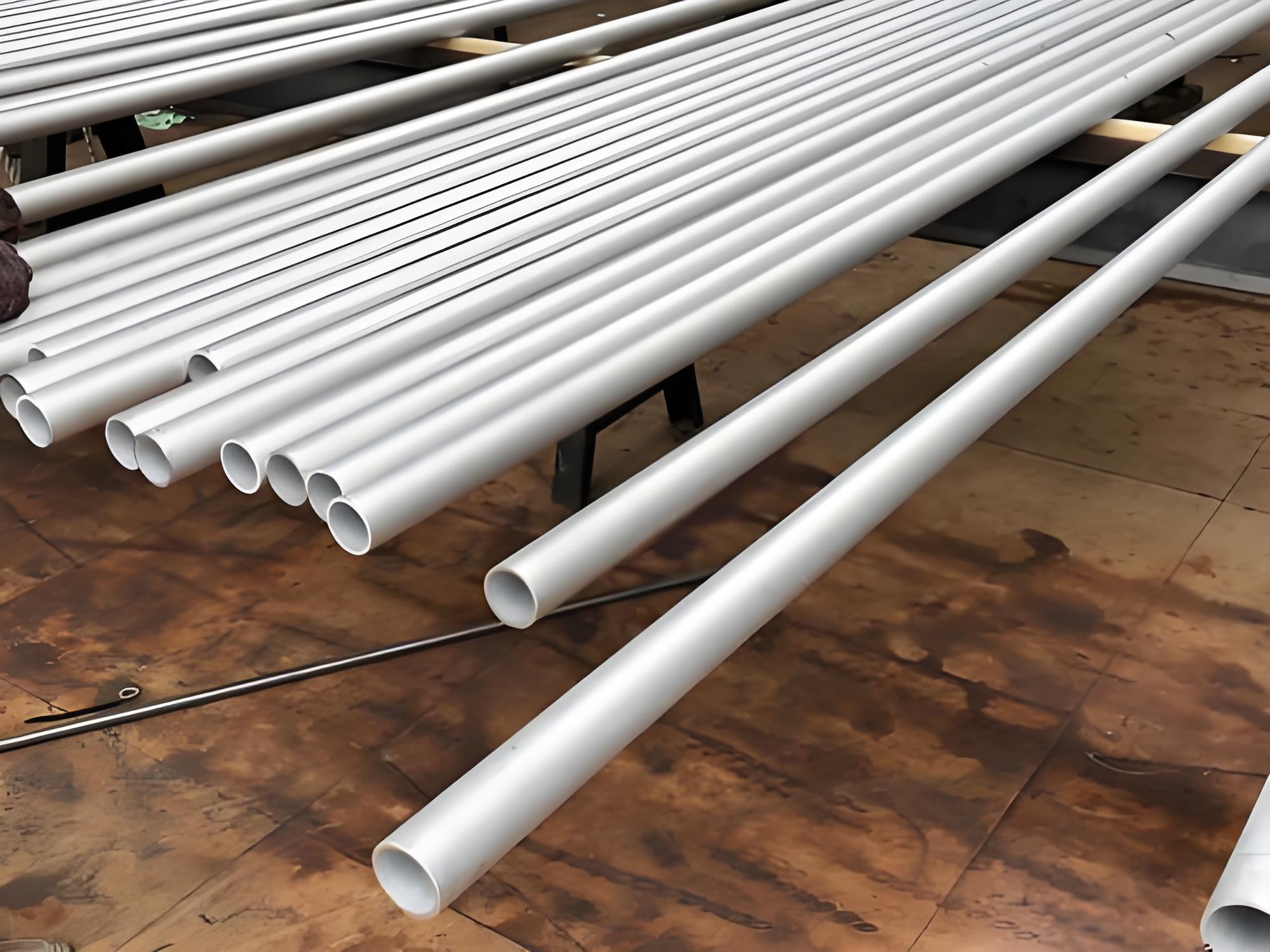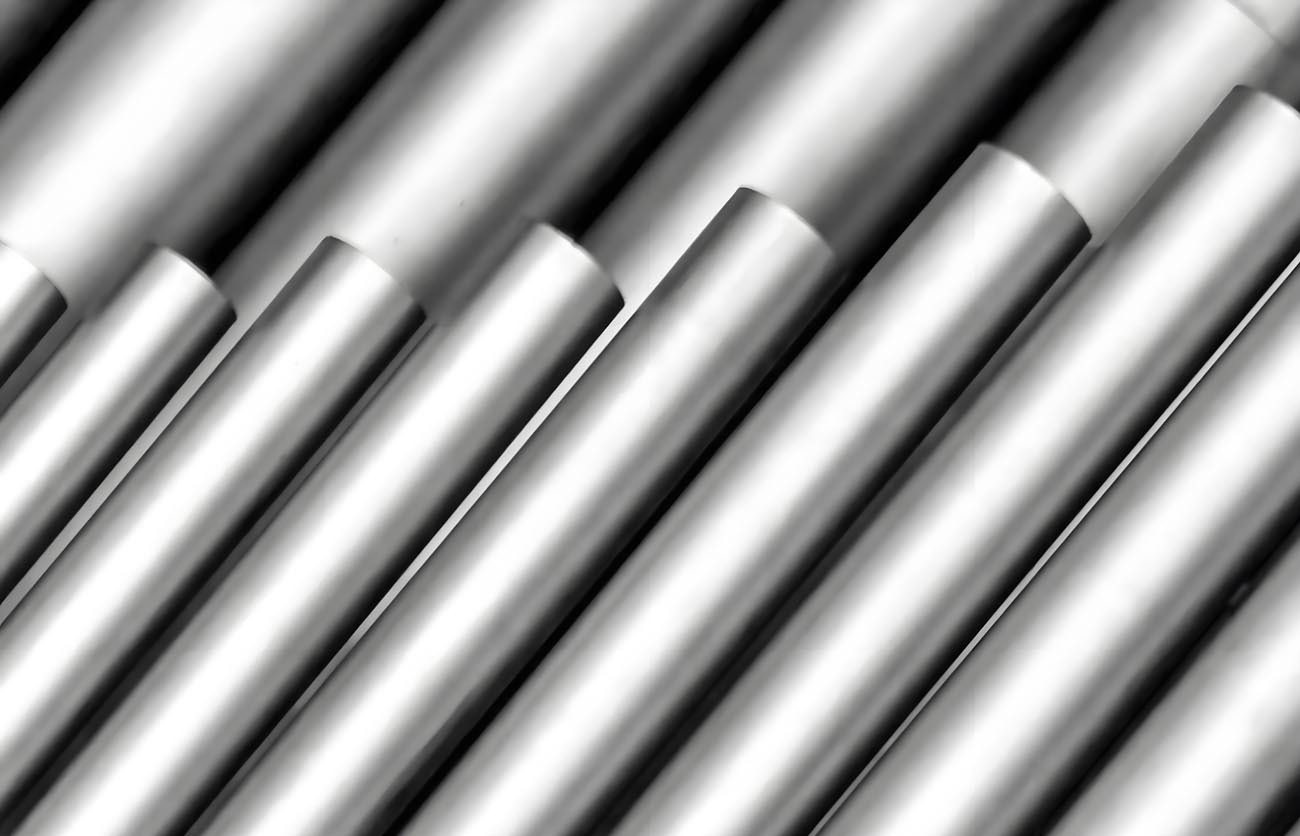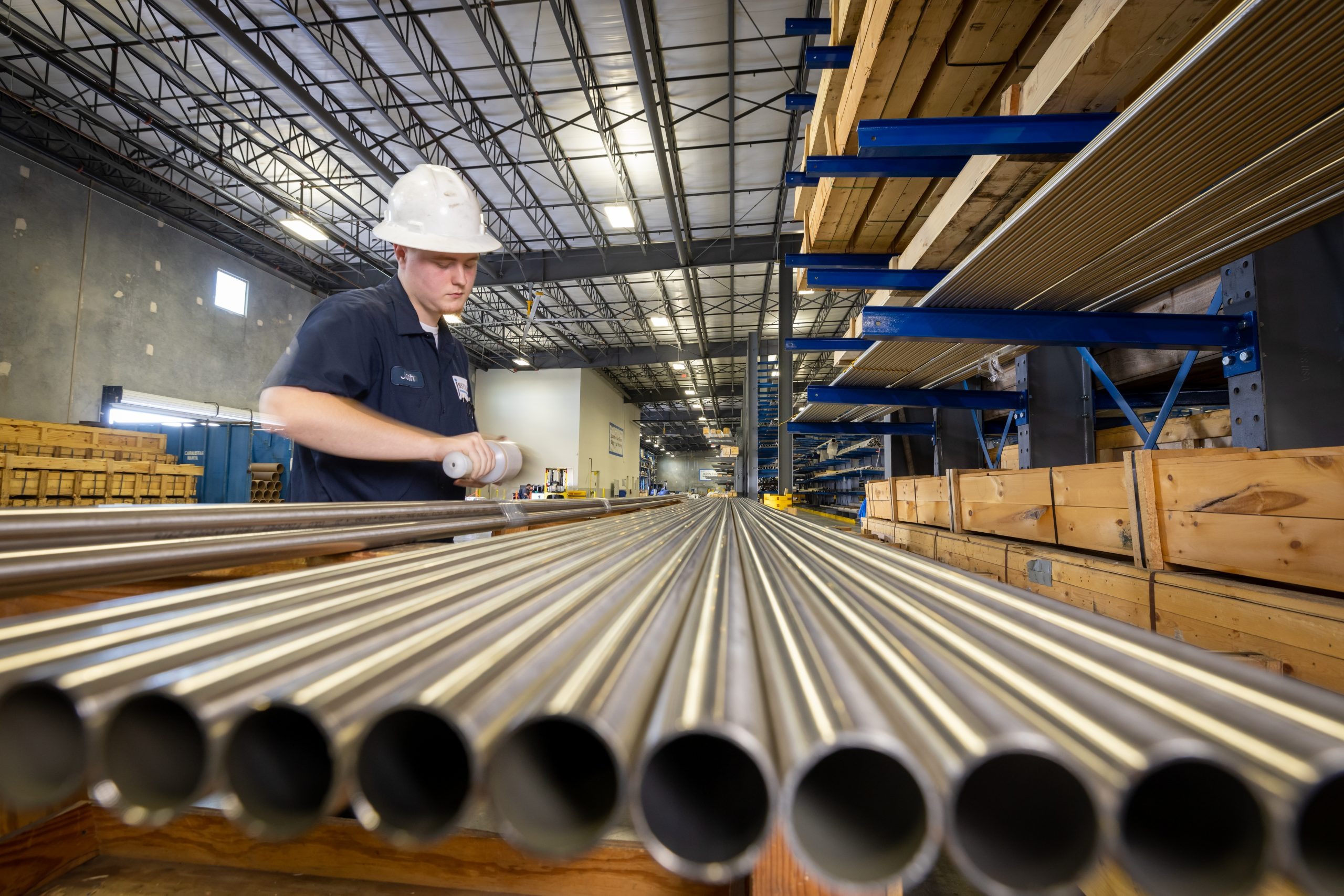
Alloy 600 Steel Tube & Pipe • UNS N06600 • WNR 2.4816
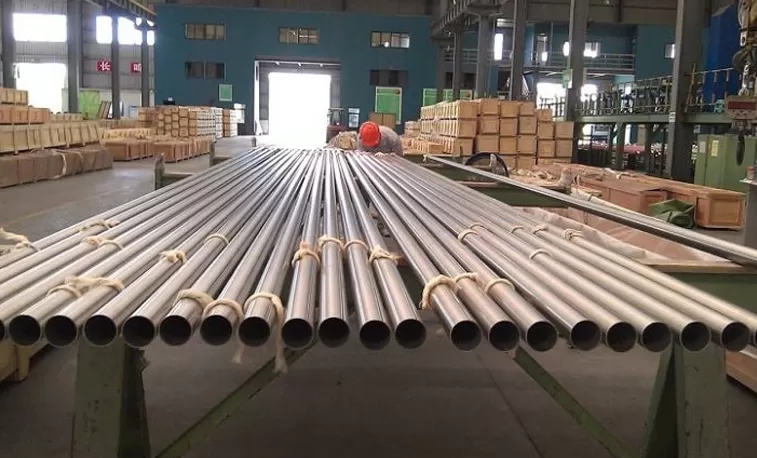
Alloy 600 Steel Tube & Pipe • UNS N06600 • WNR 2.4816
Chemical Composition
The typical chemical composition of Alloy 600 includes:
- Nickel (Ni): 72.0 min
- Chromium (Cr): 14.0 – 17.0
- Iron (Fe): 6.0 – 10.0
- Manganese (Mn): 1.0 max
- Silicon (Si): 0.5 max
- Copper (Cu): 0.5 max
- Carbon (C): 0.15 max
- Sulfur (S): 0.015 max
Mechanical Properties
- Tensile Strength: 655 MPa (95 ksi) min
- Yield Strength (0.2% Offset): 240 MPa (35 ksi) min
- Elongation: 30% min
- Hardness: 85 HRB max
Physical Properties
- Density: 8.47 g/cm³
- Melting Point: 1354 – 1413 °C (2470 – 2575 °F)
- Specific Heat: 444 J/kg-°C (0.106 Btu/lb-°F)
- Thermal Conductivity: 14.8 W/m-°C (102 Btu-in/ft²-h-°F)
Applications
Alloy 600 is employed in various industries due to its excellent performance in high-temperature and corrosive environments. Common applications include:
- Aerospace: Engine and airframe components exposed to high temperatures.
- Chemical Processing: Heat exchangers, evaporators, and flaking trays.
- Nuclear Engineering: Reactor components and heat exchangers.
- Heat Treating: Furnace components, such as muffles, retorts, and radiant tubes.
- Power Generation: Steam generators and other high-temperature components.
Corrosion Resistance
Alloy 600 is highly resistant to a variety of corrosive environments, including:
- Oxidation and Carburization: Excellent resistance to oxidation and carburization at elevated temperatures.
- Acids and Alkalis: Good resistance to a wide range of acids and alkalis, particularly in oxidizing and reducing environments.
- Chlorides: Resistant to chloride-ion stress-corrosion cracking.
Fabrication and Welding
Alloy 600 is relatively easy to fabricate using standard techniques:
- Forming: Can be hot or cold formed using conventional methods.
- Machining: Machining should be performed with appropriate tooling and cutting fluids to manage work hardening.
- Welding: Can be welded using standard welding techniques such as TIG, MIG, and resistance welding. Filler metals of matching composition are recommended.
Standards and Specifications
- ASTM: B163, B167 (tubes); B168 (plates, sheets, and strips); B166 (bars and rods)
- ASME: SB163, SB167 (tubes); SB168 (plates, sheets, and strips); SB166 (bars and rods)
- DIN: 17742 (plates, sheets, and strips), 17750 (tubes), 17752 (bars and rods)
- ISO: 6208
Summary
Alloy 600, with its superior resistance to oxidation, corrosion, and high temperatures, is a versatile material ideal for demanding applications in aerospace, chemical processing, nuclear engineering, heat treating, and power generation industries. Its excellent mechanical properties and ease of fabrication further enhance its suitability for critical high-temperature and corrosive environments.