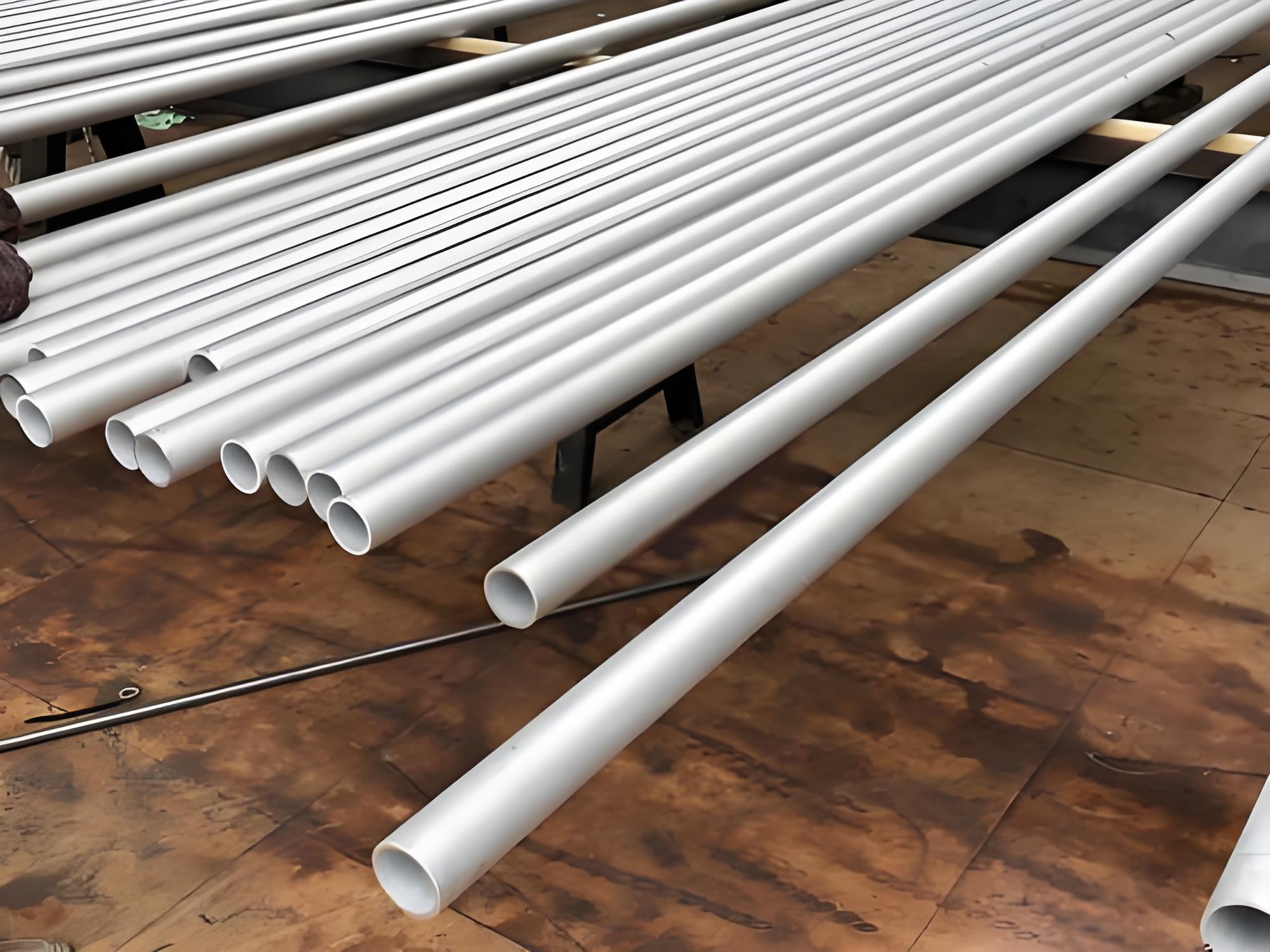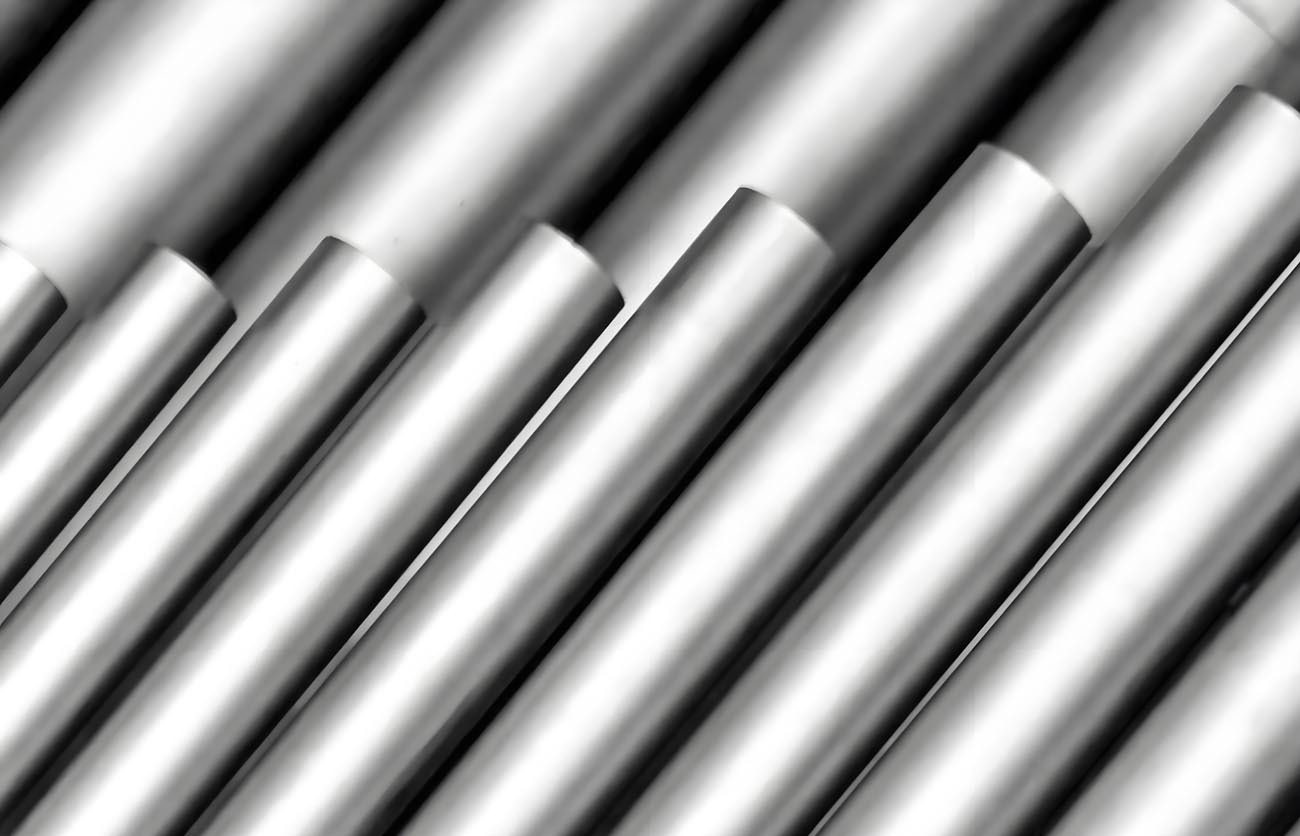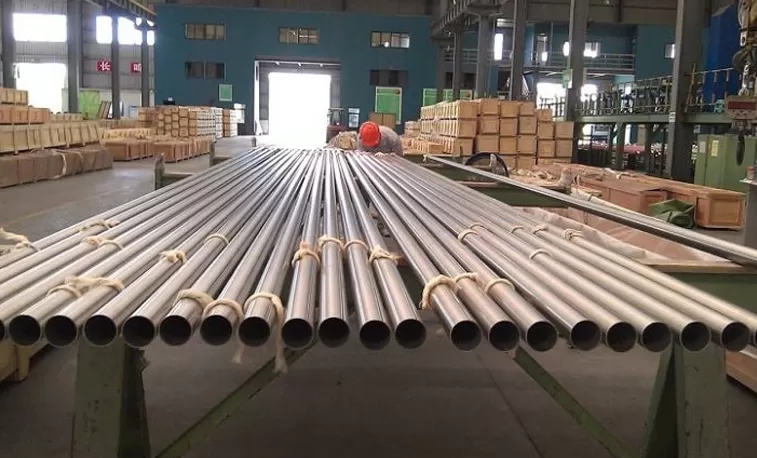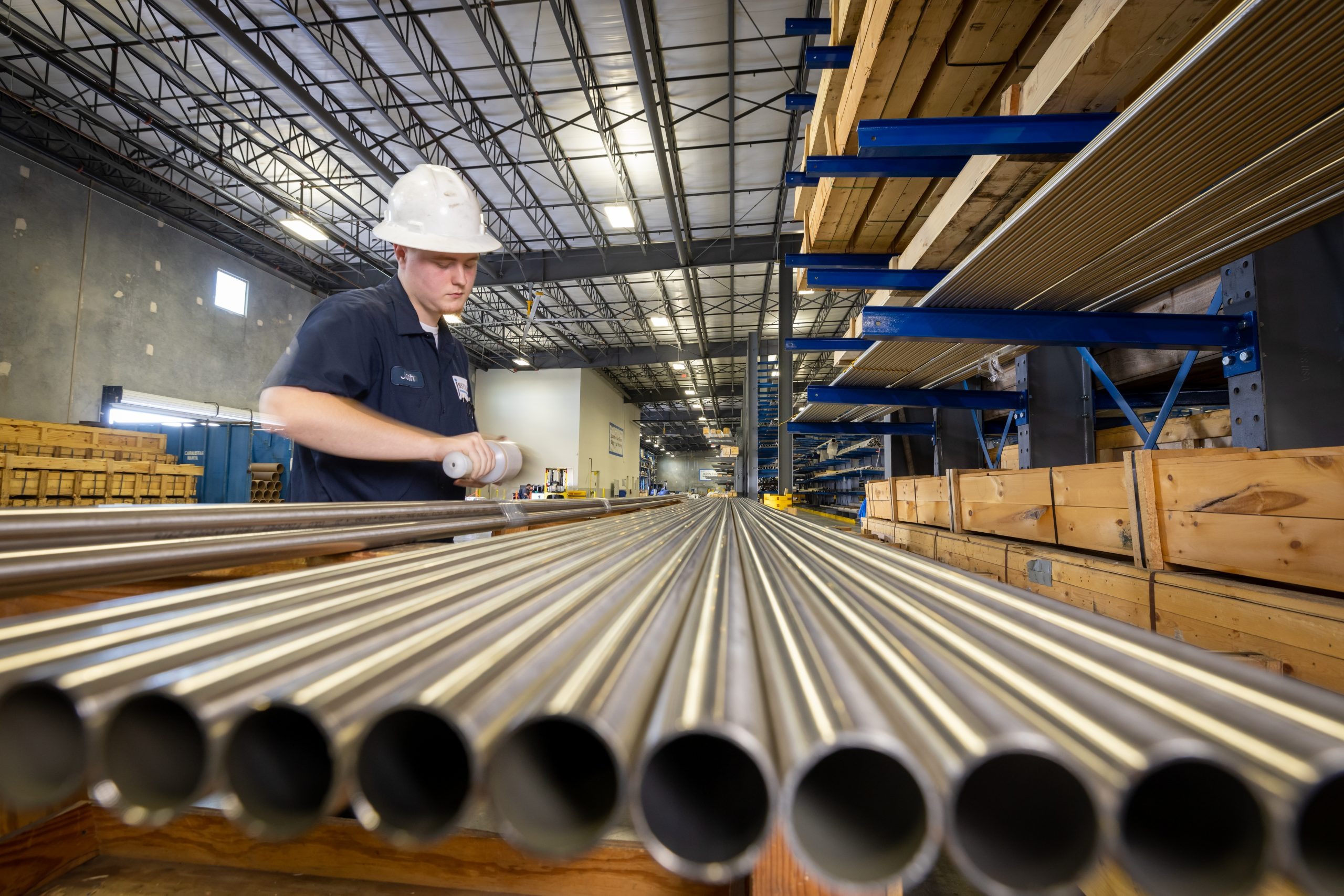
ASTM B729 UNS N08020 Nickel Alloy 20 Seamless Pipe
Premium High-Performance Alloys
ASTM B729 UNS N08020 Nickel Alloy 20 Seamless Pipe & Tube
Ultimate Technical Guide, Mechanical Properties, Chemical Composition, Standards, Tolerances, and Industrial Applications of Corrosion-Resistant Carpenter 20 Superalloy.
Quick Technical Index & Critical Metrics
1. Comprehensive Overview of ASTM B729 UNS N08020
ASTM B729 UNS N08020, widely known as Alloy 20 or Carpenter 20, is an austenitic, nickel-iron-chromium-molybdenum-copper alloy designed specifically for maximum resistance to acid attack, particularly sulfuric acid. This premium superalloy is highly valued in chemical processing environments where severe corrosive media are routinely encountered. The addition of copper, along with molybdenum, provides excellent resistance to general corrosion, pitting, and crevice corrosion in chemical environments containing chlorides, sulfuric acid, phosphoric acid, and nitric acid.
The seamless pipes and tubes produced under the ASTM B729 specification represent the pinnacle of structural integrity and reliability. These seamless pipes can be finished via cold working or hot finishing, followed by critical heat treatments such as stabilized annealing or solution annealing to ensure the material achieves optimum mechanical properties and granular stability. The stabilized state prevents sensitization during subsequent welding or thermal cycles, maintaining superior resistance against intergranular corrosion.
2. ASTM B729 Pipe Specifications & Parameters
To ensure complete compliance with engineering requirements, ASTM B729 outlines strict criteria. Below is the primary specification matrix for ASTM B729 UNS N08020 seamless tubes and pipes.
| Parameter | Technical Specification Details |
|---|---|
| Standard Specification | ASTM B729 / ASME SB729 |
| Material Grade & UNS | UNS N08020 (Alloy 20 / Carpenter 20) |
| Manufacturing Process | Cold Worked or Hot Finished Seamless Execution |
| Outer Diameter (OD) Range | 6 mm to 610 mm (1/8 inch to 30 inch nominal size) |
| Wall Thickness (WT) Range | 0.5 mm to 30 mm (SCH 5S, 10S, 40S, 80S, XS, XXS, SCH 160) |
| Surface Finish States | Bright Annealed (BA), Solution Annealed & Pickled (AP), Polished |
| End Configurations | Plain End (PE), Beveled End (BE), Threaded, Coupled |
3. Chemical Composition & Metallurgical Breakdown
The performance of Alloy 20 is heavily dictated by its unique and precise combination of alloying elements. The high concentration of nickel (ranging from 32.0% to 38.0%) prevents chloride-induced stress corrosion cracking (SCC), while chromium and copper additions guarantee outstanding protection in acidic reducing environments. The table below outlines the compositional range required by ASTM B729.
| Element | Symbol | Minimum Content (%) | Maximum Content (%) |
|---|---|---|---|
| Nickel | Ni | 32.00 | 38.00 |
| Chromium | Cr | 19.00 | 21.00 |
| Molybdenum | Mo | 2.00 | 3.00 |
| Copper | Cu | 3.00 | 4.00 |
| Niobium + Tantalum | Nb + Ta | 8 x C | 1.00 |
| Carbon | C | – | 0.07 |
| Manganese | Mn | – | 2.00 |
| Silicon | Si | – | 1.00 |
| Phosphorus | P | – | 0.045 |
| Sulfur | S | – | 0.035 |
4. Mechanical & Physical Performance
Alloy 20 maintains outstanding mechanical properties across a wide temperature spectrum. It remains structurally robust even during extreme processing states. Let us examine the minimum mechanical properties stipulated by ASTM B729.
| Mechanical Parameter | Metric Unit (SI) | Imperial Unit (US) |
|---|---|---|
| Tensile Strength (Minimum) | 551 MPa | 80,000 psi (80 ksi) |
| Yield Strength (0.2% Offset, Min) | 241 MPa | 35,000 psi (35 ksi) |
| Elongation in 2 inches (Min) | 30.0 % | 30.0 % |
| Brinell Hardness (HBW, Max) | 217 HBW | – |
| Rockwell Hardness (HRB, Max) | 95 HRB | – |
5. Global Industry Equivalents
Alloy 20 is cross-listed and recognized across major international specifications. This simplifies global procurement and design standardization:
| Standard System | Material Designation | Werkstoff Number |
|---|---|---|
| UNS Standard (US) | UNS N08020 | 2.4660 |
| EN Standard (Europe) | NiCr20CuMo | 2.4660 |
| AFNOR (France) | Z2NCUD31-20AZ | – |
| Common Name | Alloy 20 / Carpenter 20 | – |
6. Thermal Processing & Annealing Guidelines
To secure appropriate microstructural and corrosion properties, proper thermal handling is critical. For Alloy 20 (UNS N08020), the heat treatment should be performed under stabilized-annealed parameters.
The recommended annealing temperature range for UNS N08020 is 1800°F to 1850°F (982°C to 1010°C), which must be followed by immediate water quenching or rapid cooling by alternative forced methods. This prevents carbides from precipitating at the grain boundaries, which could cause intergranular sensitization in high-temperature environments.
7. Exceptional Corrosion Resistance Profile
Originally developed for industrial sulfuric acid applications, Alloy 20 offers robust safety factors when processing sulfuric media over a wide range of concentrations. Let’s explore its resistance profile across common chemical acids:
- Sulfuric Acid (H₂SO₄): Outstanding resistance across concentrations up to 95% at temperatures approaching boiling points. Its performance in hot sulfuric environments significantly outperforms standard 316L stainless steel.
- Phosphoric Acid (H₃PO₄): Highly effective at keeping corrosion rates minimal during chemical plant reactions involving heavy wet-process phosphoric environments.
- Nitric Acid (HNO₃): Exceptional resistance in oxidizing nitric environments, avoiding rapid passivation layer breakdown.
- Chloride SCC Resistance: The 33% (min) nickel matrix yields virtual immunity to chloride-induced stress corrosion cracking, making it perfect for marine environments and coastal processing plants.
8. Broad Industrial Applications of Alloy 20
The unique characteristics of ASTM B729 UNS N08020 seamless pipes make them the first choice in standard-critical applications. These include:
Chemical Process Equipment
Used extensively in mixing tanks, chemical reactors, heat exchangers, piping manifolds, heat exchangers, and scrubbers where contact with organic/inorganic chemicals is continuous.
Petrochemical & Oil Processing
Crucial in refinery operations, acid cleaning plants, pickling baths, and industrial gasoline manufacturing processes that generate highly corrosive acidic byproducts.
9. Nominal Pipe Sizes & Theoretical Weight Matrix
Below is the comprehensive engineering reference chart outlining standard nominal pipe sizes (NPS), schedules, actual dimensions, and theoretical weights (calculated at standard density 8.05 g/cm³):
| Nominal Size (NPS) | Outer Diameter (in) | Outer Diameter (mm) | Schedule (SCH) | Wall Thickness (mm) | Weight (kg/m) |
|---|---|---|---|---|---|
| 1/2″ | 0.840 | 21.34 | SCH 10S | 2.11 | 1.02 |
| 1/2″ | 0.840 | 21.34 | SCH 40S | 2.77 | 1.29 |
| 3/4″ | 1.050 | 26.67 | SCH 40S | 2.87 | 1.71 |
| 1″ | 1.315 | 33.40 | SCH 40S | 3.38 | 2.54 |
| 1-1/2″ | 1.900 | 48.26 | SCH 80S | 5.08 | 5.49 |
| 2″ | 2.375 | 60.33 | SCH 40S | 3.91 | 5.52 |
10. Advanced Testing & Technical Quality Assurance
To fully qualify as an official ASTM B729 UNS N08020 product, every single length of pipe and tube undergoes a rigorous sequence of non-destructive testing (NDT) and mechanical examinations. No structural deviation is tolerated, ensuring absolute reliability in high-pressure systems.
- Hydrostatic Testing: Each tube must be subjected to high internal liquid pressures, verified against the ASME design limits, to check for micro-voids, cracks, or leaks.
- Nondestructive Electric Test (Eddy Current / Ultrasonic): An advanced, automated electronic scanning probe is passed across 100% of the pipe surface to guarantee internal structural homogeneity.
- Flaring & Flattening Tests: Standardized mechanical tests to ensure the ductile weld joint and parent alloy can withstand physical manipulation without suffering localized fractures.
11. Fabrication & Welding Best Practices
Welding Alloy 20 (UNS N08020) can be executed using standard industrial processes, such as Gas Tungsten Arc Welding (GTAW), Shielded Metal Arc Welding (SMAW), or Gas Metal Arc Welding (GMAW).
The recommended filler metals are matching chemistry materials, typically designated as AWS ERNiCrMo-3 (Alloy 625) or specialized Alloy 20 weld filler to retain corresponding chemical properties in the weld bead. Preheating is not required, and interpass temperatures should be kept below 150°C (300°F) to prevent localized distortion or sensitization of adjacent grains.
12. Comprehensive Companion Standards Reference
Alloy 20 comprises a vast standard network across multiple product shapes. To ease full pipeline construction projects, here are the core ASTM/ASME standards associated with Carpenter 20:
| Product Form | ASTM Specification | ASME Specification |
|---|---|---|
| Seamless Pipe & Tube | ASTM B729 | ASME SB729 |
| Welded Pipe | ASTM B464 | ASME SB464 |
| Pipe Fittings (Elbow, Tee, Reducer) | ASTM B366 | ASME SB366 |
| Forged Flanges & Valves | ASTM B462 | ASME SB462 |
| Plate, Sheet, and Strip | ASTM B463 | ASME SB463 |
13. Dimensional Tolerances & Permissible Variations
Precise fabrication requires seamless tubes to fit strict dimensional variations. The following details are governed by ASTM B829 (the general requirements specification for Nickel Alloy seamless tubes):
| Outside Diameter Range (mm) | OD Tolerance (+) (mm) | OD Tolerance (-) (mm) | Wall Thickness Tolerance (%) |
|---|---|---|---|
| 6.0 to 15.0 | +0.15 | -0.15 | ±15.0% |
| 15.1 to 38.1 | +0.20 | -0.20 | ±12.5% |
| 38.2 to 88.9 | +0.40 | -0.40 | ±10.0% |
| 89.0 to 114.3 | +0.75 | -0.75 | ±10.0% |
14. Elevated and Cryogenic Temperature Performance
Alloy 20 remains extremely versatile. It shows no loss of ductility or tough crystal behavior under deep cryogenic environments down to liquid helium states (-269°C).
For continuous heat-exposed operations, ASME allows structural code utilization of UNS N08020 up to 800°F (427°C). Above this thermal ceiling, the possibility of structural micro-phase changes and standard grain boundaries shifting calls for dynamic load adjustments to prevent unexpected stress rupture.
15. Logistics, Export Packaging & Marking standards
To preserve the polished, pickled finish of premium Alloy 20 seamless pipes during maritime logistics, standard industrial packaging protocols are strictly enforced. Each bundle is individually wrapped with strong woven polymer sleeves or housed within sturdy custom-built wooden crates.
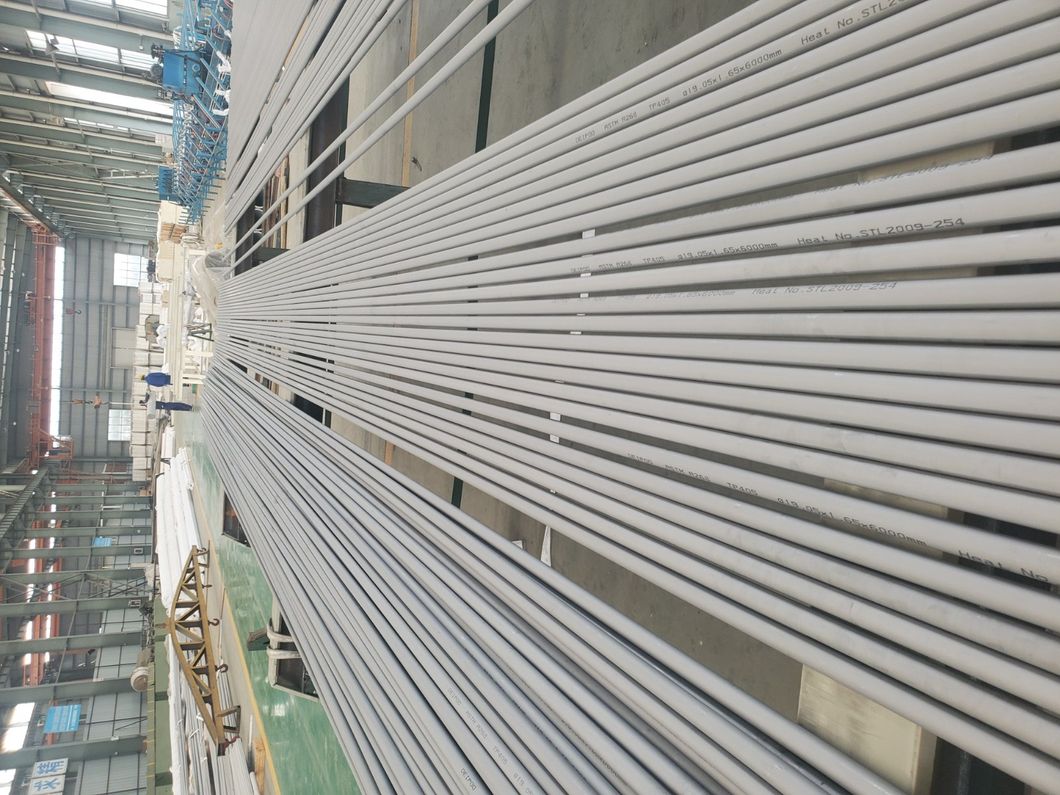
All pipe shipments are marked with continuous run-stenciling highlighting the critical technical metrics: “MFR NAME – ASTM B729 UNS N08020 – SEAMLESS – OD x WT – HEAT NUMBER – MADE IN CHINA”. This trace pattern links back directly to certified EN 10204 3.1 Material Test Certificates.
16. Technical FAQ & Troubleshooting Guide
Q: Why choose ASTM B729 Alloy 20 over standard 316L Stainless Steel?
A: While 316L is highly effective for moderate chemical environments, it breaks down quickly in high concentrations of hot sulfuric and phosphoric acids. Alloy 20 has dynamic elemental additions (35% Ni, 3.5% Cu, 2.5% Mo) that prevent localized pitting and catastrophic stress cracking in these extreme regimes.
Q: What is the main difference between ASTM B729 and ASTM B464?
A: ASTM B729 governs seamless execution pipes and tubes, which are typically extruded and cold-drawn without any longitudinal weld lines. ASTM B464 governs welded pipes made from roll-formed sheet and plates, which are continuous-welded along their longitudinal seam.
ASTM B729 UNS N08020 TECHNICA