กำหนดการ 40 ท่อเหล็กชุบสังกะสีสำหรับท่อส่งน้ำ
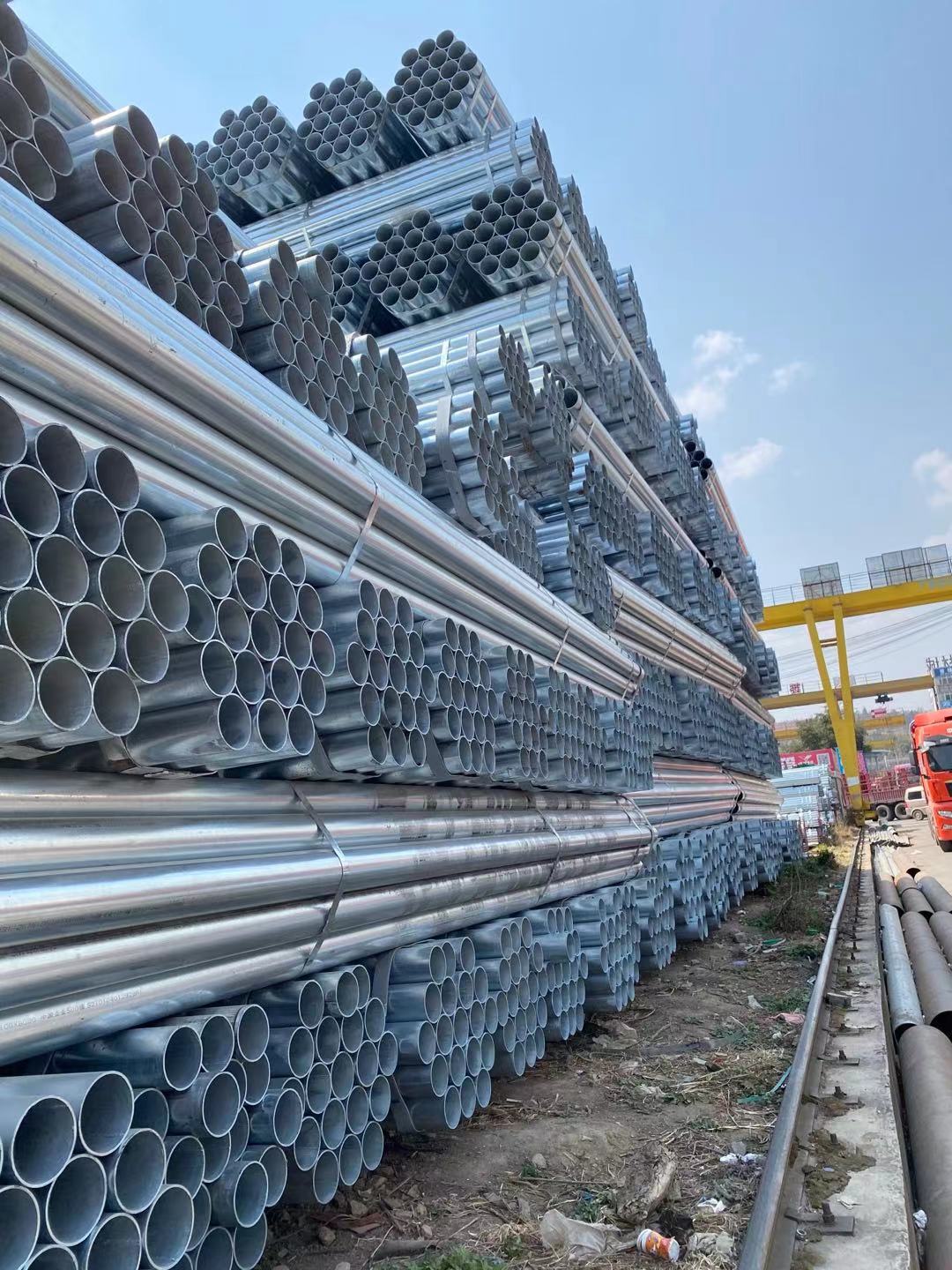
ตารางเหล็กชุบสังกะสี 40 ท่อถือเป็นเสาหลักทางสถาปัตยกรรมของการขนส่งของเหลวแบบธรรมดา, โซลูชันการออกแบบที่แพร่หลายในโครงสร้างพื้นฐานท่อส่งน้ำซึ่งความซับซ้อนทางเทคนิคมักถูกบดบังด้วยความคุ้นเคยที่แท้จริง. มันยังคงครอบงำอยู่, แม้จะต้องเผชิญกับทางเลือกโพลีเมอร์และคอมโพสิตสมัยใหม่ก็ตาม, เป็นข้อพิสูจน์ถึงความสมดุลที่ได้รับการปรับปรุงระหว่างวัตถุดิบ, ความแข็งแกร่งที่เชื่อถือได้ของเหล็กกล้าคาร์บอนและความสง่างาม, เคมีไฟฟ้าแบบเสียสละตนเองของการเคลือบสังกะสี. เพื่อให้เข้าใจผลิตภัณฑ์นี้อย่างแท้จริง จำเป็นต้องมีโครงสร้างทางเทคนิคที่ก้าวไปไกลกว่าความเรียบง่ายที่มองเห็นได้, เจาะลึกมาตรฐานอันเข้มงวด—โดยเฉพาะ ASTM A53, ASME B36.10M, และ ASTM A123—ที่ควบคุมองค์ประกอบของวัสดุ, ความแม่นยำทางเรขาคณิต, และประสิทธิภาพการป้องกันการกัดกร่อน. การนำเสนอคุณค่าทางวิศวกรรมของท่อนี้มีความซับซ้อน, ไม่เพียงแต่มีความสามารถในการควบคุมแรงกดดันเท่านั้น, แต่ในการออกแบบให้มีอายุยืนยาว, คุณลักษณะนี้ขึ้นอยู่กับอัตราการสลายตัวที่คำนวณได้ของชั้นสังกะสีป้องกันโดยตรง.
รากฐานของประสิทธิภาพที่แข็งแกร่งของท่อนั้นมาจากวัสดุ: เหล็กกล้าคาร์บอนต่ำ, ได้รับการรับรองบ่อยที่สุดว่าเป็น ASTM A53 เกรด B. เกรดนี้ถูกเลือกอย่างแม่นยำเนื่องจากมีองค์ประกอบทางเคมี—ควบคุมระดับคาร์บอน ($\text{C}$), แมงกานีส ($\text{Mn}$), กำมะถัน ($\text{S}$), และฟอสฟอรัส ($\text{P}$)- มอบโปรไฟล์ทางโลหะวิทยาในอุดมคติ: มีความเหนียวสูงทนทานต่อการดัดงอและการขึ้นรูป, ความสามารถในการเชื่อมที่ดีเยี่ยม (สำหรับส่วนรวม $\text{ERW}$ กระบวนการผลิต), และรับประกันความแข็งแกร่งของผลผลิตขั้นต่ำ ($\text{S}_y$) ของ $35,000 \text{ psi}$. ความแรงนี้ไม่ได้เกิดขึ้นโดยพลการ; เป็นรากฐานที่สำคัญสำหรับการออกแบบภาชนะรับความดัน. สำหรับ $\text{A53}$ ท่อสำหรับบริการน้ำ, ความแข็งแรงนี้ช่วยให้แน่ใจว่าท่อทำงานได้อย่างปลอดภัยภายในบริเวณยืดหยุ่นภายใต้ภาระอุทกสถิตทั่วไป, ป้องกันการเสียรูปถาวรของพลาสติกและรับประกันว่าท่อจะต้านทานความเครียดที่สำคัญของห่วง, ซึ่งเป็นความตึงเส้นรอบวงที่เกิดจากแรงดันภายใน, คำนวณตามแนวคิดโดยใช้สูตรบาร์โลว์. ความหลากหลายของการผลิตที่ได้รับอนุญาตจาก $\text{A53}$—ประเภท F (ก้นเตาเชื่อม), ประเภท E (ความต้านทานไฟฟ้าเชื่อม), และแบบ S (ไร้รอยต่อ)—ช่วยให้ผู้ผลิตสามารถเลือกวิธีการที่คุ้มค่าที่สุดโดยยังคงรักษาคุณสมบัติทางกลของเกรด B ไว้ได้, แม้ว่าจะมีการชุบสังกะสีแบบจุ่มร้อนก็ตาม (เอชดีจี) กระบวนการจำเป็นต้องมีรอยเชื่อมใดๆ (ประเภท E หรือ F) จะต้องได้รับการปฏิบัติอย่างพิถีพิถัน—มักจะทำให้เป็นมาตรฐาน—เพื่อให้แน่ใจว่าโครงสร้างจุลภาคที่เป็นเนื้อเดียวกันที่สามารถทำปฏิกิริยากับสังกะสีหลอมเหลวได้อย่างสม่ำเสมอ, ป้องกันความล้มเหลวของการเคลือบเฉพาะที่แนวเชื่อม.
รากฐานทางโลหะวิทยานี้กำหนดปริมาณเชิงโครงสร้างตามกำหนดการ 40 ($\text{SCH 40}$) การกำหนด, แนวคิดที่เป็นศูนย์กลางของอุตสาหกรรมท่อที่กำหนดอย่างเข้มงวดโดยมาตรฐาน ASME B36.10M. ระบบกำหนดการคือการลดความซับซ้อนที่ยอดเยี่ยม: มันกำหนดความหนาของผนัง ($\text{WT}$) เป็นฟังก์ชันของขนาดท่อที่กำหนด ($\text{NPS}$), รับรองว่าตามขนาดที่กำหนด, ปริมาตรภายในและมิติภายนอกของท่อสามารถคาดเดาได้, โดยไม่คำนึงถึงผู้ผลิต. $\text{SCH 40}$ มีความหมายตรงกันกับประวัติศาสตร์ “น้ำหนักมาตรฐาน” ท่อ, รวบรวมจุดหวานทางเศรษฐกิจที่ท่อมีเพียงพอ $\text{WT}$ เพื่อต้านทานแรงกดดันในการทำงานมาตรฐาน (โดยทั่วไปจะอยู่ภายใต้ $300 \text{ psi}$ สำหรับน้ำและอากาศอัด) และความแข็งภายนอกเพียงพอที่จะต้านทานความเสียหายจากการจัดการและรองรับน้ำหนักของตัวเองตลอดช่วง, โดยไม่ทำให้เกิดต้นทุนและน้ำหนักวัสดุที่ไม่จำเป็นของส่วนที่หนักกว่าเช่น $\text{SCH 80}$ หรือ $\text{SCH 160}$. ที่ $\text{SCH 40}$ ความหนาของผนังคือ, ดังนั้น, ปัจจัยกำหนดหลักของระดับแรงดันภายในของท่อและความสามารถที่สำคัญในการทนทานต่อความเข้มงวดทางกลของการทำเกลียว, ซึ่งเป็นวิธีการรวมที่ใช้บ่อยที่สุดสำหรับคลาสไปป์นี้โดยเฉพาะ, กระบวนการที่เอาวัสดุท่อออกทางกายภาพ และลดความหนาของผนังที่ข้อต่อ. การควบคุมมิติที่แม่นยำกำหนดโดย $\text{SCH 40}$ ความหนา, ควบคู่กับ $\text{ASTM A53}$ ขีดจำกัดความอดทน, ช่วยให้มั่นใจว่าความสมบูรณ์ของโครงสร้างที่เหลืออยู่หลังจากการทำเกลียวนั้นเพียงพอเพื่อป้องกันความล้มเหลว, โดยเฉพาะบริเวณโคนด้ายที่รับแรงตึงสูง.
ขั้นตอนการเปลี่ยนแปลงคือการประยุกต์ใช้กระบวนการชุบสังกะสี, ซึ่งเป็นความมุ่งมั่นทางเทคนิคของท่อในการมีอายุยืนยาวในสภาพแวดล้อมที่มีน้ำ. ควบคุมโดย ASTM A123/A153, การชุบสังกะสีแบบจุ่มร้อน ($\text{HDG}$) กระบวนการเป็นลำดับทางโลหะวิทยาที่พิถีพิถัน: ทำความสะอาด (ดอง), ฟุ้งซ่าน, และการแช่ในสังกะสีหลอมเหลว ($\sim 450^{\circ}\text{C}$). ผลลัพธ์ที่ได้ไม่ใช่แค่การทาสีพื้นผิวเท่านั้น, แต่เป็นการเคลือบคอมโพสิตพันธะฟิวชั่นที่แท้จริงที่ประกอบด้วยความแตกต่าง $\text{Iron-Zinc ($\text{Fe-Zn}$) alloy layers}$ ($\Gamma_1, \delta, \zeta$) nearest the steel substrate, capped by a ductile layer of relatively pure zinc ($\eta$). The scientific brilliance of this system lies in its inherent sacrificial protection mechanism: when the pipe is exposed to water containing dissolved oxygen and electrolytes, the zinc, being anodic relative to the steel, preferentially corrodes. This electrochemical action generates a flow of protective current (electrons) to the exposed steel cathode, preventing the iron from oxidizing and forming rust. This self-healing ability is vital in water pipelines where minor construction damage, abrasion from suspended solids, or localized failure points are inevitable. The minimum coating thickness, measured in ounces per square foot or microns, is the direct mathematical predictor of the pipe’s lifespan, establishing the economic viability of the entire water infrastructure project based on the calculated corrosion consumption rate of the zinc in that specific water chemistry.
ประสิทธิภาพของสังกะสีชนิดนี้ $\text{SCH 40}$ ท่อในสภาพแวดล้อมท่อส่งน้ำแนะนำเฉพาะ, ตัวแปรทางเคมีที่ท้าทาย. การมีอยู่ของออกซิเจนที่ละลายน้ำ ($\text{DO}$) เป็นตัวขับเคลื่อนหลักของการกัดกร่อน, แต่อายุการใช้งานของท่อยังถูกท้าทายจากน้ำอีกด้วย $\text{pH}$ และความเป็นด่าง. ในน้ำที่เป็นกลางหรือเป็นด่างเล็กน้อย ($\text{pH} 7.5 \text{ to } 12$), สังกะสีจะเกิดความเสถียร, ชั้นสังกะสีคาร์บอเนตที่ไม่ละลายน้ำจะทะลุพื้นผิวและทำให้อัตราการกัดกร่อนของสังกะสีช้าลง ซึ่งเป็นปัจจัยสำคัญในการยืดอายุการใช้งานของท่อ. อย่างไรก็ตาม, ถ้าน้ำมีความเป็นกรดมาก ($\text{pH} < 6.5$) หรือบริสุทธิ์และนุ่มนวลอย่างยิ่ง (ขาดแร่ธาตุที่คงตัว), สารเคลือบสังกะสีสามารถละลายได้เร็ว, ทำให้เกิดการกัดกร่อนของฐานเหล็กตั้งแต่เนิ่นๆ, ปรากฏภายในเป็นวัณโรค (การสะสมของเหล็กออกไซด์) และภายนอกเป็นการเร่งการกัดกร่อนทั่วไป. นอกจากนี้, การปรากฏตัวของสารกัดกร่อนเช่นคลอไรด์ ($\text{Cl}^-$) และซัลเฟต ($\text{SO}_4^{2-}$) สามารถทำลายชั้นฟิล์มป้องกันได้, เร่งการบริโภคโล่สังกะสี. การวิเคราะห์โครงสร้างของท่อนี้, ดังนั้น, โดยเนื้อแท้จะต้องรวมการประเมินเคมีของน้ำโดยละเอียดเพื่อคาดการณ์ระยะยาวได้อย่างแม่นยำ $\text{C}$-ปัจจัย (ค่าสัมประสิทธิ์ความหยาบไฮดรอลิก) และจุดที่การกัดกร่อนของเหล็กภายในจะเริ่มลดขนาดเส้นผ่านศูนย์กลางการไหลที่มีประสิทธิภาพและประสิทธิภาพของไฮดรอลิกลงอย่างมาก, การลดลงทางเทคนิคที่ต้องคำนึงถึงชีวิตการออกแบบเชิงเศรษฐกิจของไปป์ไลน์.
ความสมบูรณ์ในทางปฏิบัติของไปป์ไลน์จะขึ้นอยู่กับวิธีการต่อท่ออย่างมาก, โดยมีกระบวนการทางกลของการร้อยด้ายเป็นตัวเลือกเริ่มต้นสำหรับ $\text{SCH 40}$ มิติเนื่องจากความง่ายในการดำเนินการภาคสนามและการพึ่งพาอุปกรณ์มาตรฐาน. การดำเนินการทำเกลียว, อย่างไรก็ตาม, ก่อให้เกิดความท้าทายทางเทคนิคที่สำคัญ: การกำจัดวัสดุทางกายภาพสำหรับ $\text{NPT}$ (เรียวเกลียวท่อแห่งชาติ) ตัดผ่านทั้งหมด $\text{HDG}$ การเคลือบ, เผยให้เห็นฐาน $\text{A53}$ เหล็กบริเวณที่เกิดความเค้นสูงที่สุดของข้อต่อ. ในขณะที่การเคลือบสังกะสีที่อยู่ติดกันช่วยป้องกันการเสียดสีกับสีข้างด้าย, เหล็กที่ถูกเปิดออกยังคงมีความเสี่ยงอยู่. ดังนั้น, โปรโตคอลการติดตั้งที่เข้มงวดจำเป็นต้องมีการใช้สีหรือสารประกอบชุบสังกะสีที่อุดมด้วยสังกะสีทันทีหลังจากการร้อยเกลียวเพื่อฟื้นฟูเกราะป้องกันบางส่วน, โดยรับทราบว่าการเคลือบภาคสนามนี้มีความด้อยกว่าการเคลือบแบบเดิมในทางโลหะวิทยา $\text{HDG}$ แต่จำเป็นต่อการรักษาความต้านทานการกัดกร่อนในท้องถิ่น. ในทางตรงกันข้าม, เมื่อไร $\text{SCH 40}$ มีการเชื่อมท่อ (มักจำเป็นสำหรับเส้นผ่านศูนย์กลางที่ใหญ่กว่าหรือมีแรงกดดันสูงกว่า), ความร้อนจัดจะทำให้การเคลือบสังกะสีกลายเป็นไออย่างสมบูรณ์เป็นเวลาหลายนิ้วรอบๆ บริเวณรอยเชื่อม. สิ่งนี้ต้องการการทำความสะอาดที่ครอบคลุมมากขึ้นและกระบวนการเคลือบซ้ำในภายหลังด้วยสีที่มีสังกะสีสูงเป็นพิเศษเพื่อป้องกันการกัดกร่อนบริเวณรอยเชื่อมทันที, เสริมสร้างความได้เปรียบทางเทคนิคและเศรษฐกิจของการกลึงเกลียวสำหรับระบบชุบสังกะสีแรงดันต่ำ.
สิ่งที่จำเป็น $\text{Tolerance of Thickness Schedules}$ เป็นตัวชี้วัดที่สำคัญสำหรับการประกันคุณภาพ. ที่ $\text{ASTM A53}$ มาตรฐานอนุญาตให้มีความทนทานต่อความหนาของผนังติดลบได้สูงสุดถึง $-12.5\%$ จากเล็กน้อย $\text{SCH 40}$ มิติ. แม้ว่าความคลาดเคลื่อนที่ยอมรับได้นี้จะรับรองว่าเป็นไปตามระดับแรงดันขั้นต่ำ, โครงการคุณภาพสูงมักจะระบุถึงความอดทนที่เข้มงวดมากขึ้น (เช่น, $-8\%$ หรือน้อยกว่า) เพื่อให้มั่นใจถึงความแข็งแกร่งของโครงสร้างของท่อและ, วิกฤต, เพื่อรับประกันว่าวัสดุที่เหลืออยู่ที่รูทด้ายจะถูกขยายให้ใหญ่สุด. ความหนาของผนังที่ลดลงมากเกินไปเนื่องจากความแปรปรวนในการผลิตจะส่งผลโดยตรงต่อความต้านทานการยุบตัวของท่อและความสามารถขั้นสูงสุดในการกักเก็บแรงดันภายใต้ความเค้นสูง. กระบวนการควบคุมคุณภาพยังต้องรวมการตรวจสอบรายละเอียดเกี่ยวกับการชุบสังกะสีด้วย, ยึดมั่นใน $\text{ASTM A123}$ ผ่านการทดสอบเช่นการทดสอบ Preece (ไม่ค่อยได้ใช้ตอนนี้) หรือ, โดยทั่วไป, เกจวัดความหนาแบบแม่เหล็กและการทดสอบการยึดเกาะ (การตอก/ดัด) เพื่อตรวจสอบว่าความหนาของชั้นเคลือบมีความสม่ำเสมอและมีพันธะฟิวชันมีกลไกที่ดี, รับรองว่าการวิพากษ์วิจารณ์ $\text{Fe-Zn}$ ชั้นโลหะผสมมีอยู่และสมบูรณ์ก่อนที่จะรับท่อไปติดตั้งในระบบท่อส่งน้ำระยะยาว. การประยุกต์ใช้ที่ประสบความสำเร็จในระยะยาวของ $\text{SCH 40}$ ท่อชุบสังกะสีจึงเป็นการทำงานร่วมกันที่ซับซ้อนระหว่างรูปทรงเรขาคณิตมาตรฐาน, รับประกันคุณสมบัติทางกล, และระบบป้องกันไฟฟ้าเคมีที่เหมาะสมอย่างยิ่ง.
ข้อมูลข้อกำหนดทางเทคนิคที่มีโครงสร้าง: กำหนดการ 40 ท่อเหล็กชุบสังกะสีสำหรับท่อส่งน้ำ
| หมวดหมู่ | ข้อกำหนดทางเทคนิค | ข้อกำหนดทั่วไป & มาตรฐาน | ความสำคัญทางเทคนิคสำหรับท่อส่งน้ำ |
| เกรดวัสดุ (ฐาน) | เหล็กกล้าคาร์บอน | ASTM A53/A53M เกรด B (ไร้รอยต่อ/เชื่อม) หรือ ASTM A106 เกรด B (ไร้รอยต่อ). | ให้ความแข็งแรงของโครงสร้างฐาน ($\text{S}_y$) และความเหนียว; ปริมาณคาร์บอนต่ำช่วยให้เกิดปฏิกิริยาการชุบสังกะสีที่เหมาะสมที่สุด. |
| ขนาด/ช่วงขนาด | กำหนดการ ASME B36.10M 40 ($\text{SCH 40}$) | กำหนด $\text{WT}$ สัมพันธ์กับ $\text{NPS}$ (ขนาดท่อที่กำหนด). $\text{SCH 40}$ คือ “น้ำหนักมาตรฐาน” ท่อ. | ความหนาให้คะแนนแรงดันภายในที่ต้องการ, ความแข็งของโครงสร้าง, และค่าเผื่อวัสดุที่เพียงพอสำหรับการร้อยด้าย. |
| ข้อกำหนดการเคลือบ | ชุบสังกะสีแบบจุ่มร้อน ($\text{HDG}$) | มาตรฐาน ASTM A123/A153. มวลเคลือบ/ความหนาขั้นต่ำขึ้นอยู่กับความหนาของเหล็กท่อ (เช่น, $610 \text{ g/m}^2$ มวลเฉลี่ยขั้นต่ำ). | มาตรฐานรับประกันความหนา, ฟิวชั่นถูกผูกมัด $\text{Fe-Zn}$ การเคลือบ, ให้การป้องกันแคโทดิกแบบบูชายัญในระยะยาวต่อการกัดกร่อนภายในและภายนอก. |
| มาตรฐานการปกครอง | ฐาน: $\text{ASTM A53/A106}$. เรขาคณิต: $\text{ASME B36.10M}$. เสร็จ: $\text{ASTM A123/A153}$. | การปฏิบัติตามมาตรฐานทั้งสามนี้ทำให้มั่นใจถึงความแข็งแกร่งของวัสดุ, การทำนายมิติ, และทนทานต่อการกัดกร่อน. | |
| องค์ประกอบทางเคมี | ขีดจำกัด ASTM A53 เกรด B | $\text{C}$ สูงสุด $\le 0.30\%$. $\text{Mn}$ สูงสุด $\le 1.20\%$. $\text{P}$ สูงสุด $\le 0.035\%$. $\text{S}$ สูงสุด $\le 0.035\%$. | องค์ประกอบที่มีการควบคุมช่วยให้มั่นใจได้ถึงคุณภาพการเชื่อมที่สูง ($\text{Type E}$) และลดสิ่งสกปรกที่อาจรบกวนการทำงานของ $\text{Fe-Zn}$ พันธะทางโลหะวิทยาระหว่างการชุบสังกะสี. |
| ต้องการการรักษาความร้อน. | ตามรูปแบบ / บรรเทาความเครียด | $\text{Type E}$ (ERW): ตะเข็บเชื่อมมักต้องใช้ความร้อนเต็มรูปแบบ (การทำให้เป็นมาตรฐาน) เพื่อคืนความสมบูรณ์ของโครงสร้างจุลภาคก่อนการชุบสังกะสี. | รับประกันโครงสร้างจุลภาคที่เป็นเนื้อเดียวกันและขจัดความเค้นตกค้างที่อาจทำให้เกิดการแตกร้าวในระหว่างที่อุณหภูมิสูง $\text{HDG}$ กระบวนการ. |
| ข้อกำหนดด้านแรงดึง | ASTM A53 เกรดบี | ความแข็งแรงของผลผลิต ($\text{S}_y$): นาที $35,000 \text{ psi}$ (240 MPa). ความต้านแรงดึง ($\text{S}_u$): นาที $60,000 \text{ psi}$ (415 MPa). | ให้ความสามารถทางโครงสร้างที่จำเป็นในการทนต่อความเค้นภายในห่วง, โหลดภายนอก, และแรงดึงจำนวนมากที่พบในระหว่างการติดตั้ง. |
| แอปพลิเคชัน | ระบบขนส่งทางน้ำ | สายน้ำดื่ม, น้ำในกระบวนการอุตสาหกรรม, ระบบดับเพลิง, และการลำเลียงไอน้ำ/อากาศที่ไม่สำคัญ. | ท่อนี้ได้รับการปรับให้เหมาะกับสภาพแวดล้อมที่มีความชื้นและออกซิเจน, ต้องการการควบคุมการกัดกร่อนควบคู่ไปกับการกักเก็บแรงดันที่เชื่อถือได้. |
| คุณสมบัติ | การคุ้มครองผู้เสียสละ, ความทนทาน, ความสามารถในการร้อยด้าย | คุณสมบัติที่สำคัญ: การเสียสละ $\text{Zn}$ ชั้น; แข็งแกร่ง $\text{SCH 40}$ ความหนาของผนัง; สูง $\text{C}$-ปัจจัยในเบื้องต้น; เข้ากันได้กับมาตรฐาน $\text{NPT}$ ฟิตติ้ง. | ที่ $\text{Zn}$ การเคลือบช่วยป้องกันรอยขีดข่วนและเกลียวที่สัมผัสในท้องถิ่น, ยืดอายุการใช้งานได้อย่างมากเมื่อเทียบกับเหล็กกล้าคาร์บอนธรรมดา. |
| ความทนทานของตารางความหนา | ASTM A53/A106 ความทนทานต่อผนัง | เชิงลบ $\text{WT}$ ความอดทน: $-12.5\%$ ของเล็กน้อย $\text{SCH 40}$ ความหนา. | ตรวจสอบให้แน่ใจว่าความหนาของผนังโครงสร้างขั้นต่ำที่ต้องการนั้นยังคงอยู่สำหรับระดับแรงดันและความแข็งแรงของเกลียว, แม้จะมีความแปรปรวนทางการผลิตก็ตาม. |
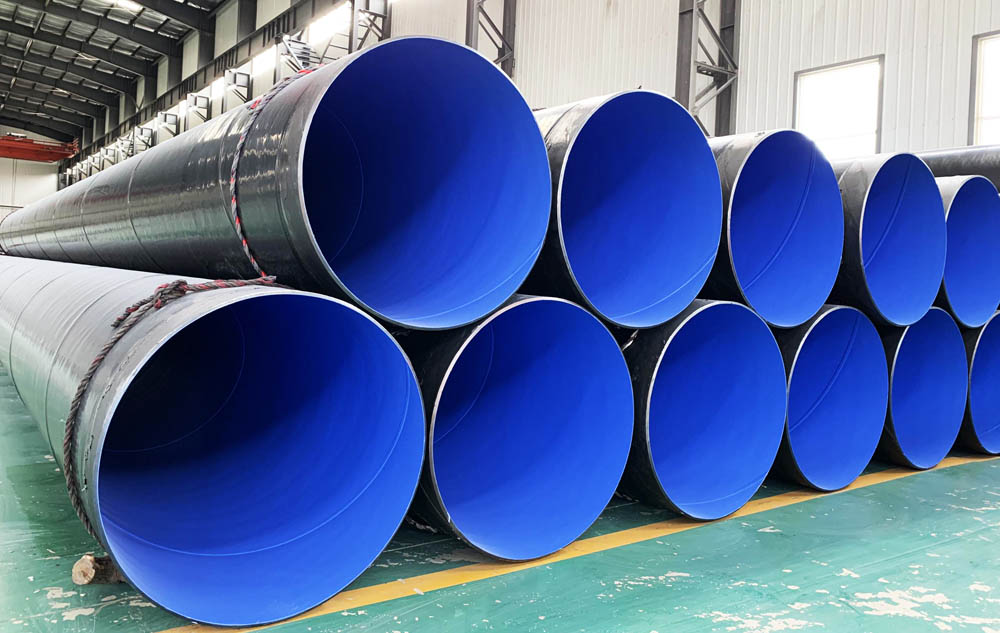
การป้องกันการกัดกร่อนของท่อหมายถึงมาตรการที่จะชะลอตัวลงหรือป้องกันการกัดกร่อนและการเสื่อมสภาพของท่อภายใต้การกระทำทางเคมีหรือเคมีไฟฟ้าของสื่อภายในและภายนอกหรือกิจกรรมการเผาผลาญของจุลินทรีย์. เหตุใดท่อเหล็กที่ไร้รอยต่อจึงต้องต่อต้านการแก้ปัญหา? ท่อเหล็กไร้รอยต่อเป็นท่อเหล็กระดับสูง. ต่อมา, วัตถุดิบเป็นเหล็ก, ซึ่งจะเป็นสนิม, ซึ่งจะส่งผลกระทบต่ออายุการใช้งานในท่อ. ดังนั้น, การต่อต้านการแข็งตัวของท่อเหล็กที่ไร้รอยต่อก็เป็นกระบวนการที่ต้องทำก่อนการก่อสร้างท่อส่ง. สำหรับท่อเหล็กไร้รอยต่อส่วนใหญ่จะใช้สำหรับ anticorrosion 3PE หรือ anticorrosion tar ถ่านหินอีพอกซี.
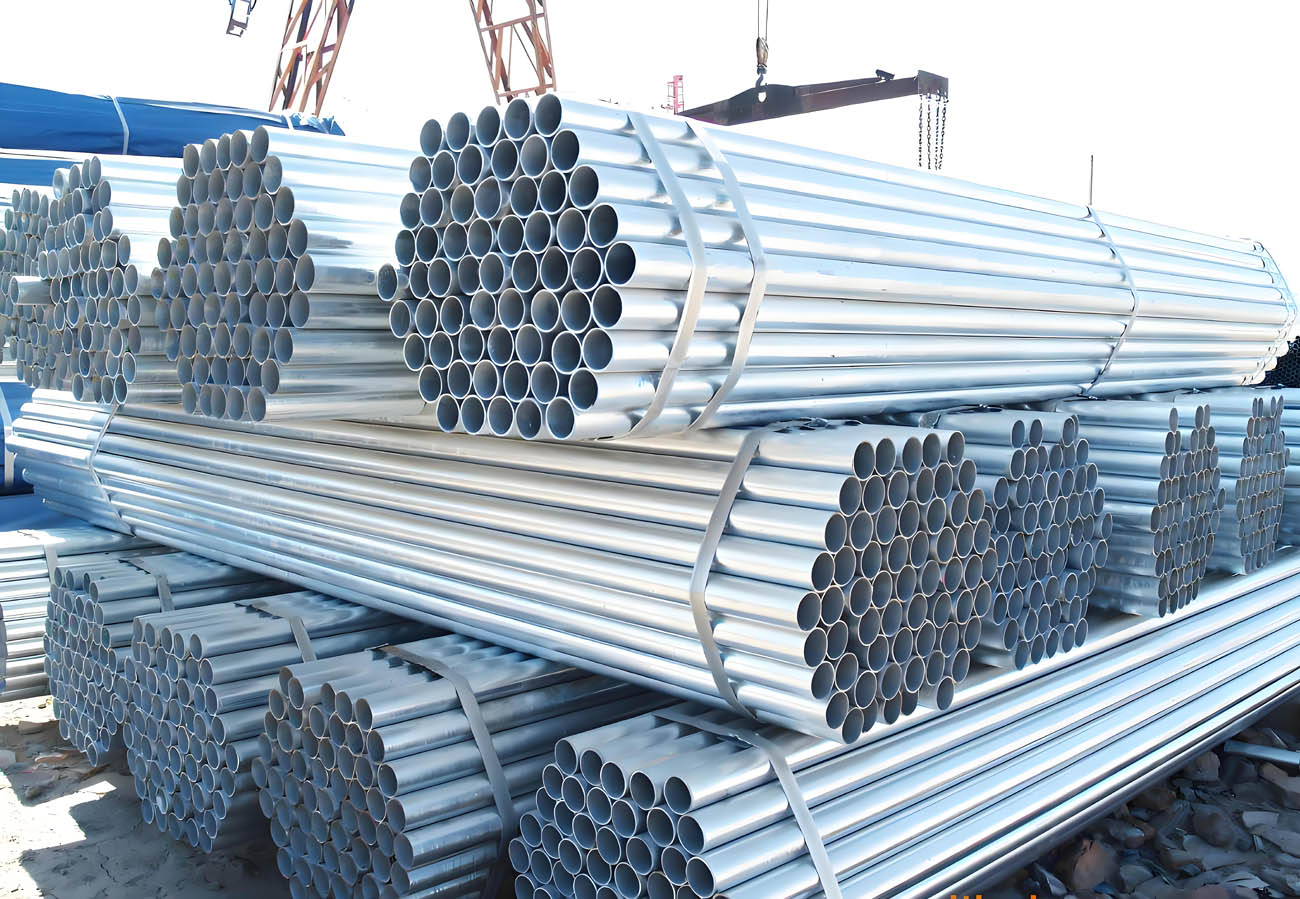
เมื่อเลือกระหว่างการชุบสังกะสีแบบจุ่มร้อนและการชุบสังกะสีล่วงหน้า, พิจารณาสภาพแวดล้อมและข้อกำหนดเฉพาะของการใช้งานของคุณ. การชุบสังกะสีแบบจุ่มร้อนให้การปกป้องที่เหนือกว่าสำหรับสภาพแวดล้อมที่รุนแรงเนื่องจากมีการเคลือบที่หนากว่า, ในขณะที่การชุบสังกะสีล่วงหน้าเป็นโซลูชันที่คุ้มค่าสำหรับสภาวะที่มีความต้องการน้อยกว่า. ทั้งสองวิธี, เมื่อเป็นไปตามมาตรฐานเช่น ASTM A525, ให้การป้องกันการกัดกร่อนที่เชื่อถือได้สำหรับส่วนประกอบที่เป็นเหล็ก.
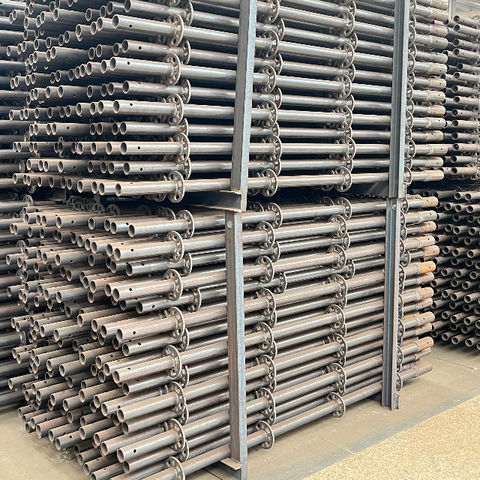
ท่อนั่งร้านเป็นองค์ประกอบสำคัญของอุตสาหกรรมการก่อสร้าง, ให้การเข้าถึงพื้นที่ทำงานยกระดับได้อย่างปลอดภัยและสนับสนุนการดำเนินโครงการให้เสร็จสิ้นอย่างมีประสิทธิภาพ. เข้าใจถึงความจำเป็นของท่อนั่งร้าน, วิธีการประกอบ, วัสดุที่ใช้ในการก่อสร้าง, และกระบวนการที่เกี่ยวข้องกับการตรวจสอบความปลอดภัยถือเป็นสิ่งสำคัญในการรับรองความปลอดภัยและความสำเร็จของโครงการก่อสร้าง. โดยยึดหลักปฏิบัติที่ดีที่สุดและมาตรฐานความปลอดภัย, ผู้เชี่ยวชาญด้านการก่อสร้างสามารถลดความเสี่ยงและสร้างสภาพแวดล้อมการทำงานที่ปลอดภัยสำหรับทุกคนที่เกี่ยวข้อง.

ท่อและท่อนั่งร้านแต่ละประเภทมีข้อดีที่แตกต่างกัน และได้รับการคัดเลือกตามความต้องการเฉพาะของโครงการก่อสร้าง, รวมถึงปัจจัยต่างๆ เช่น ความสามารถในการรับน้ำหนัก, สภาพแวดล้อม, และข้อจำกัดด้านงบประมาณ. โดยเลือกใช้วัสดุที่เหมาะสม, ผู้เชี่ยวชาญด้านการก่อสร้างสามารถมั่นใจในความปลอดภัยและประสิทธิภาพของระบบนั่งร้านของตนได้.
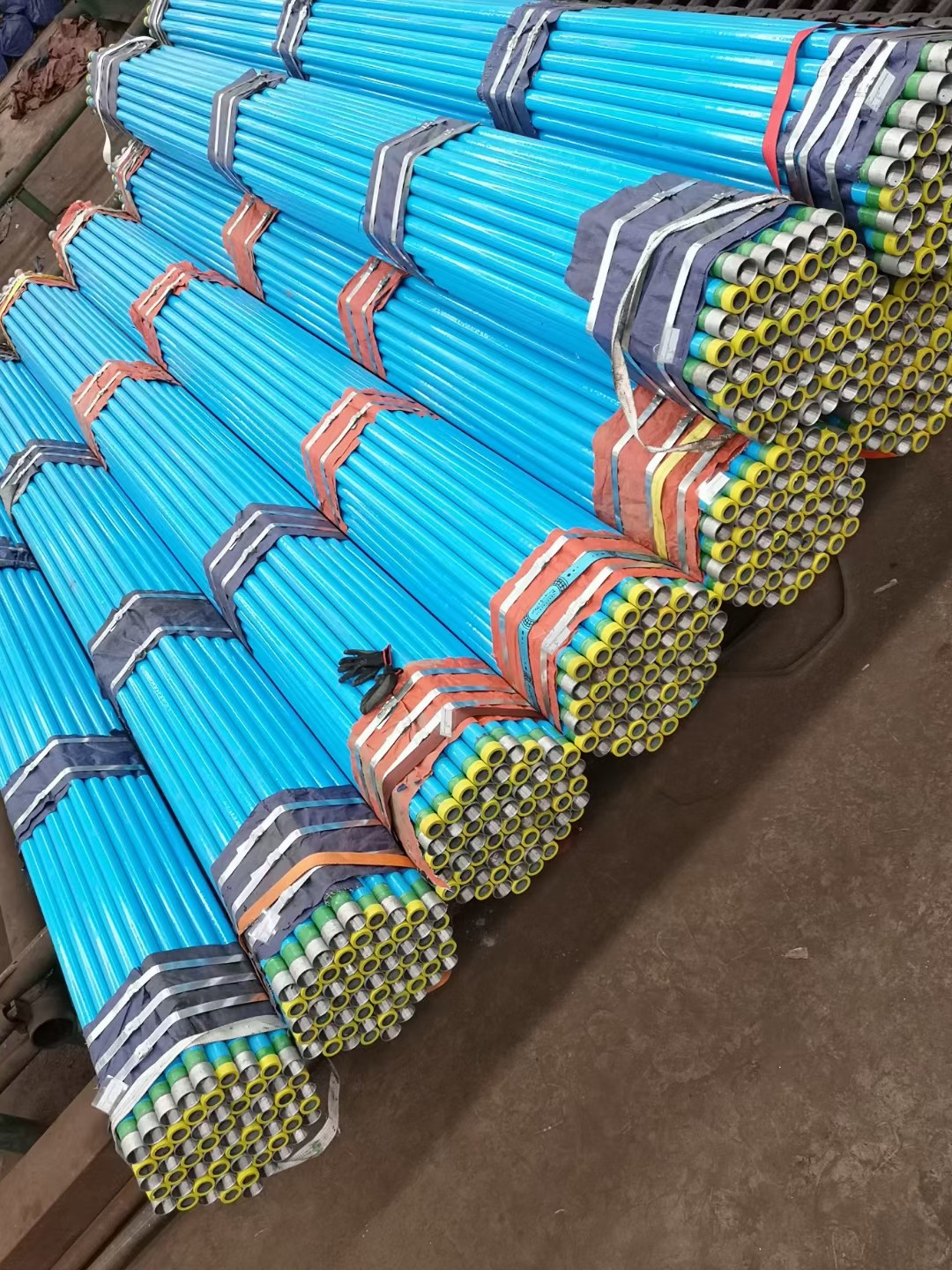
ท่อสังกัดท่อชุบสังกะสีร้อน,ท่อเหล็กชุบสังกะสีก่อน,ท่อและท่อ GI, ท่อและท่อที่จุ่มร้อนมีบทบาทที่ดีมากขึ้นในกลางแจ้งโดยใช้เช่นท่อสะพาน, คลังสินค้า, โคมไฟถนน, และเสาโทรเลข, และสำหรับท่อเหลว, มีประโยชน์อย่างกว้างขวาง. ท่อเหล็กที่ใช้ในการก่อสร้างที่ใช้ในการก่อสร้าง / วัสดุก่อสร้าง ท่อเหล็ก, ท่อนั่งร้าน, ส่วนประกอบโครงสร้างพลังงานแสงอาทิตย์ท่อเหล็ก, รั้วโพสต์ท่อเหล็ก, ท่อเหล็กกรอบเรือนกระจก.
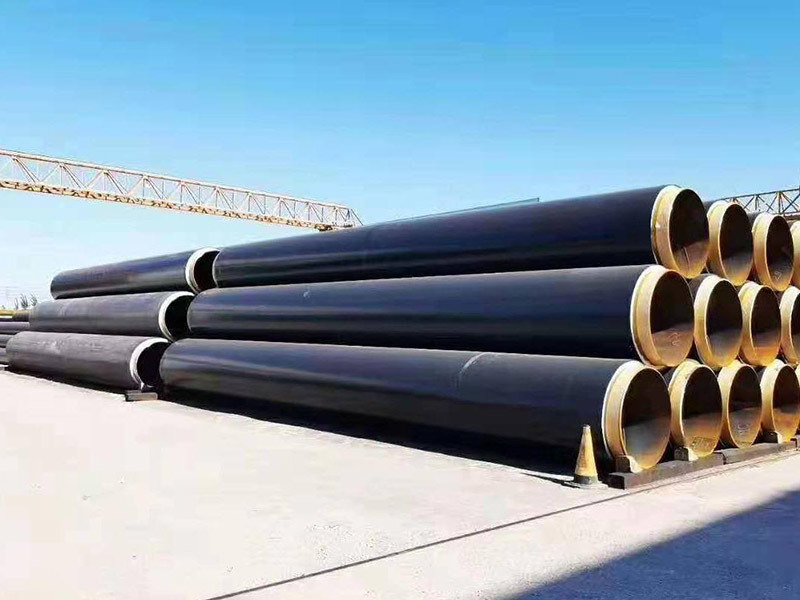
ท่อเหล็กฉนวนโพลียูรีเทนต้องการการตรวจสอบบ่อยน้อยกว่าและมีต้นทุนการบำรุงรักษาที่ลดลงเนื่องจากความต้านทานต่อความชื้นและการกัดกร่อนของพวกเขา. ความเข้ากันได้ของพวกเขากับระบบตรวจจับการรั่วไหลขั้นสูงช่วยลดการหยุดทำงานและค่าใช้จ่ายในการซ่อมแซม, ทำให้พวกเขาเป็นตัวเลือกที่คุ้มค่าสำหรับโครงการโครงสร้างพื้นฐานระยะยาว.