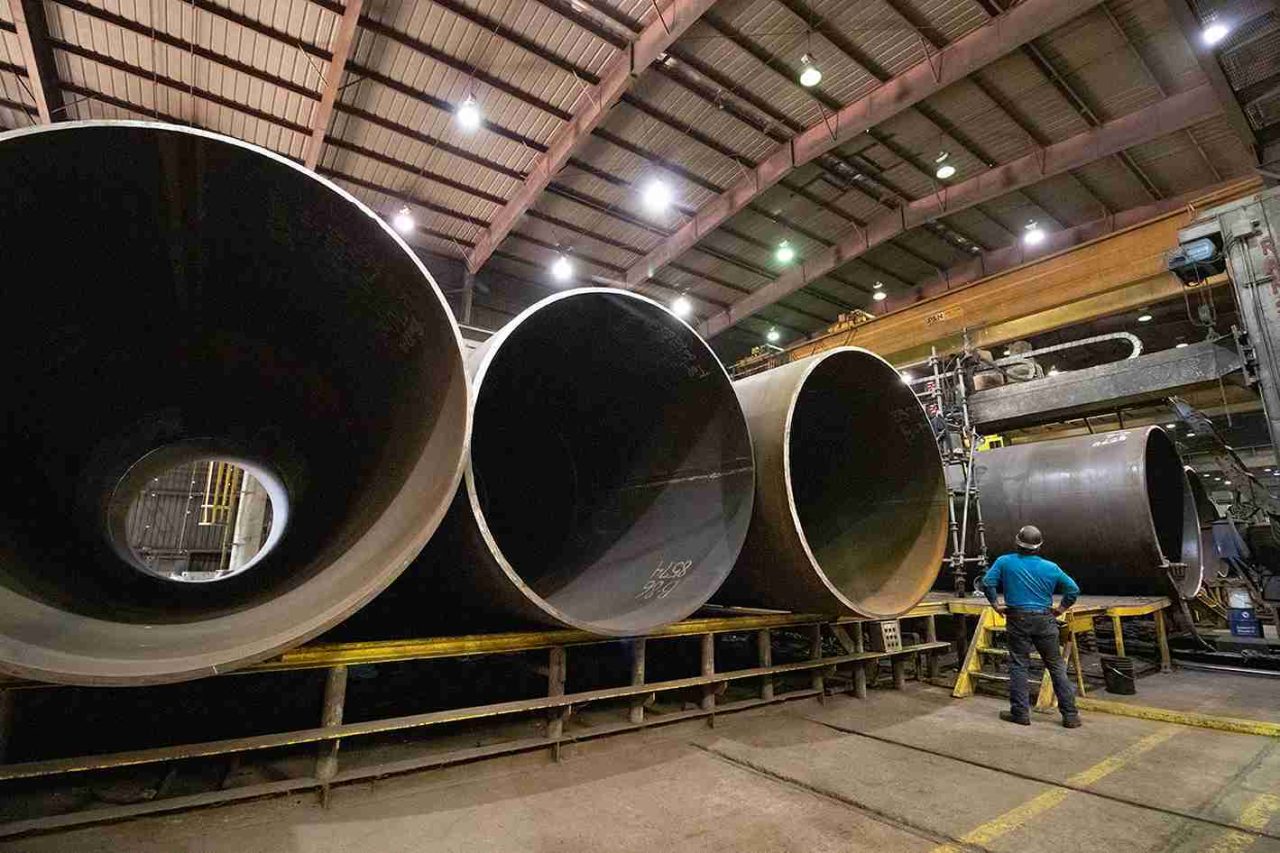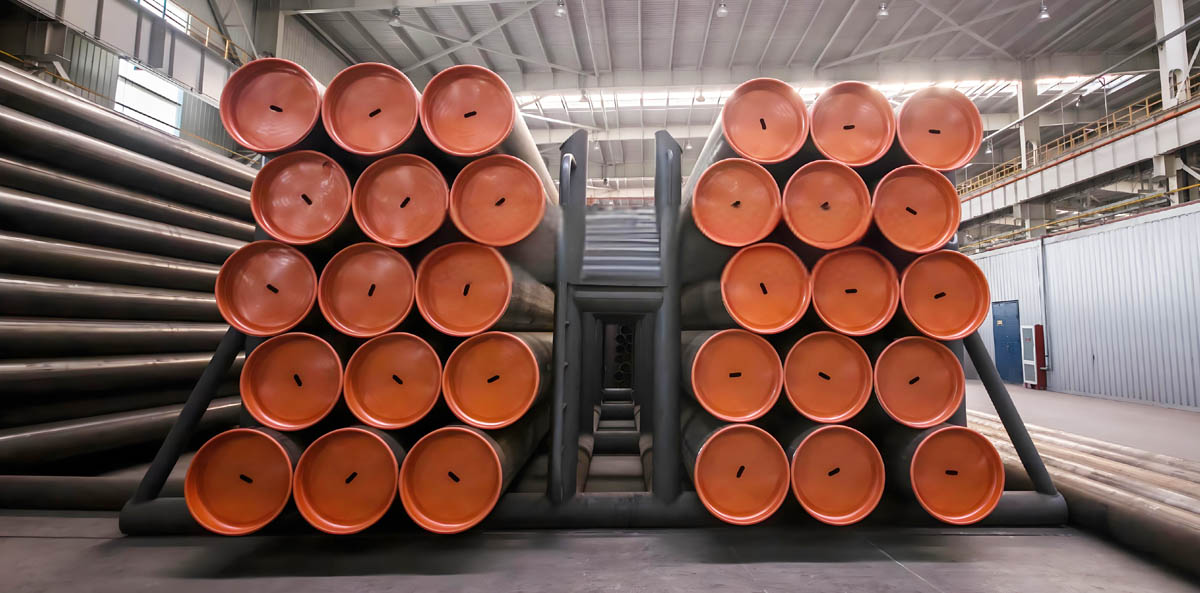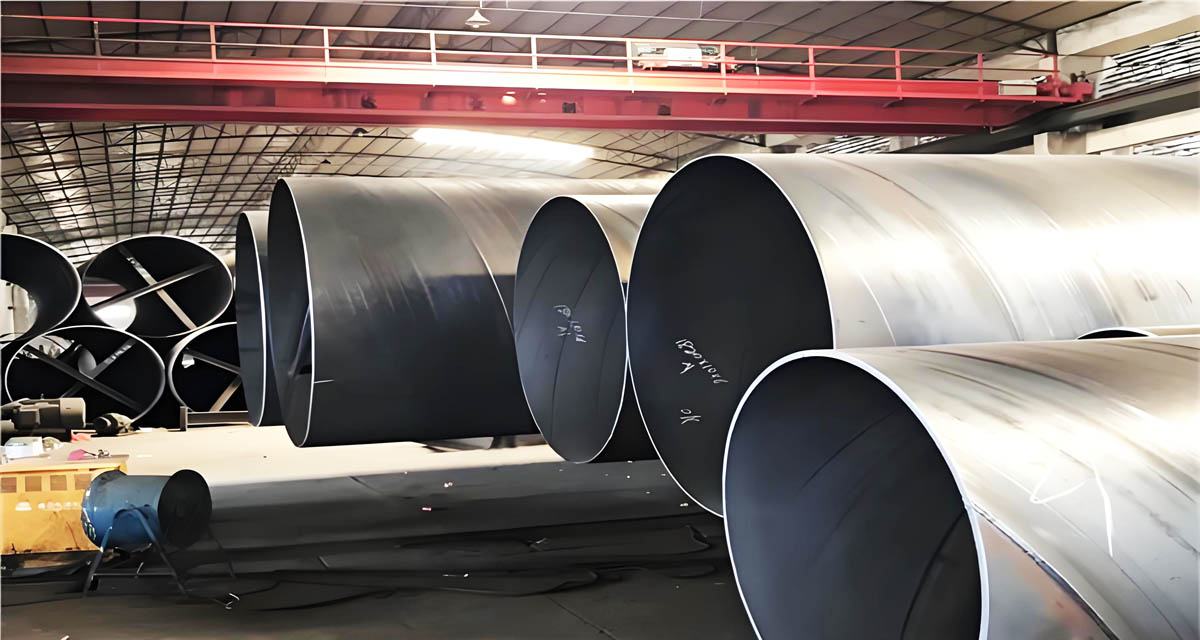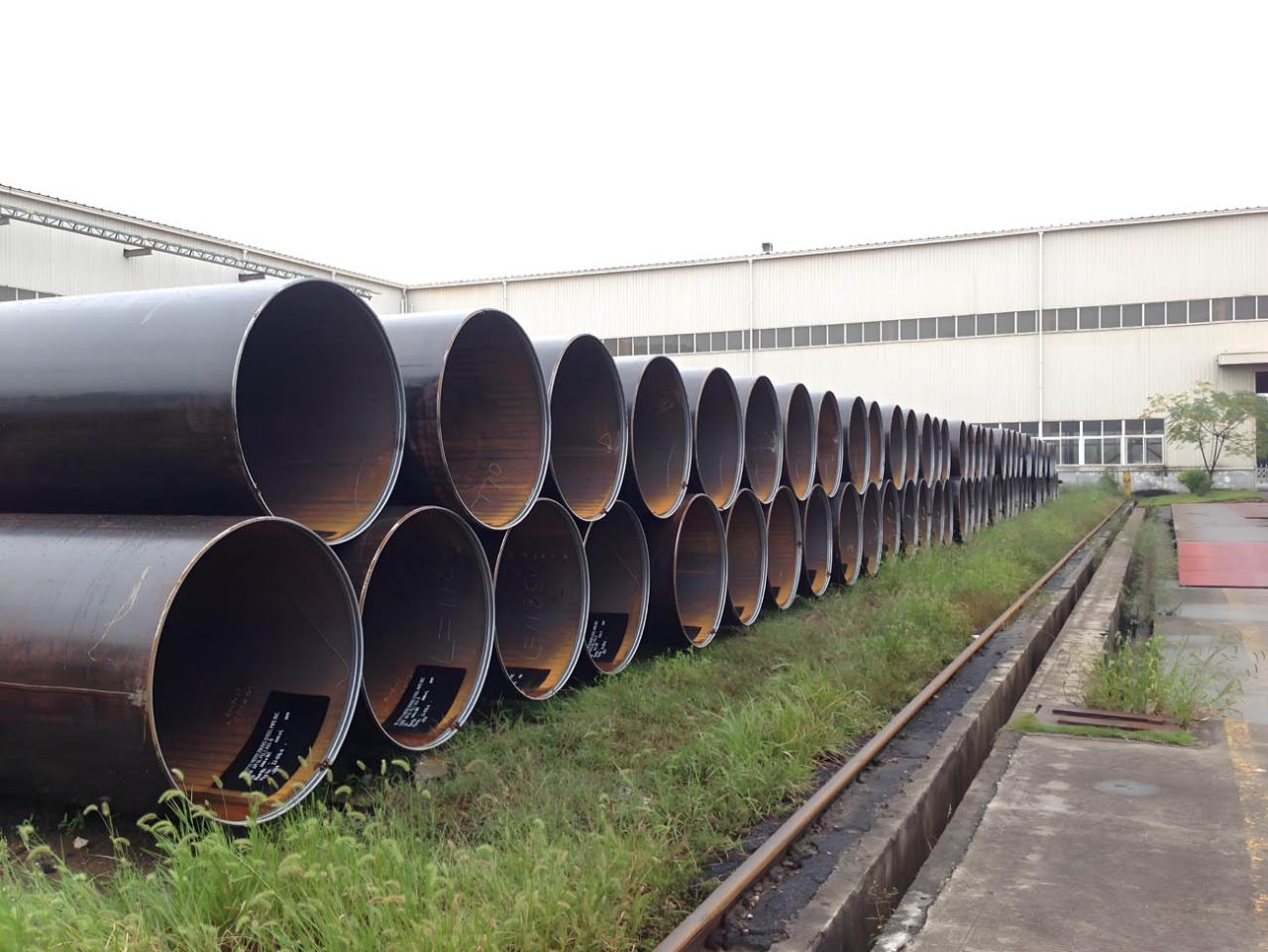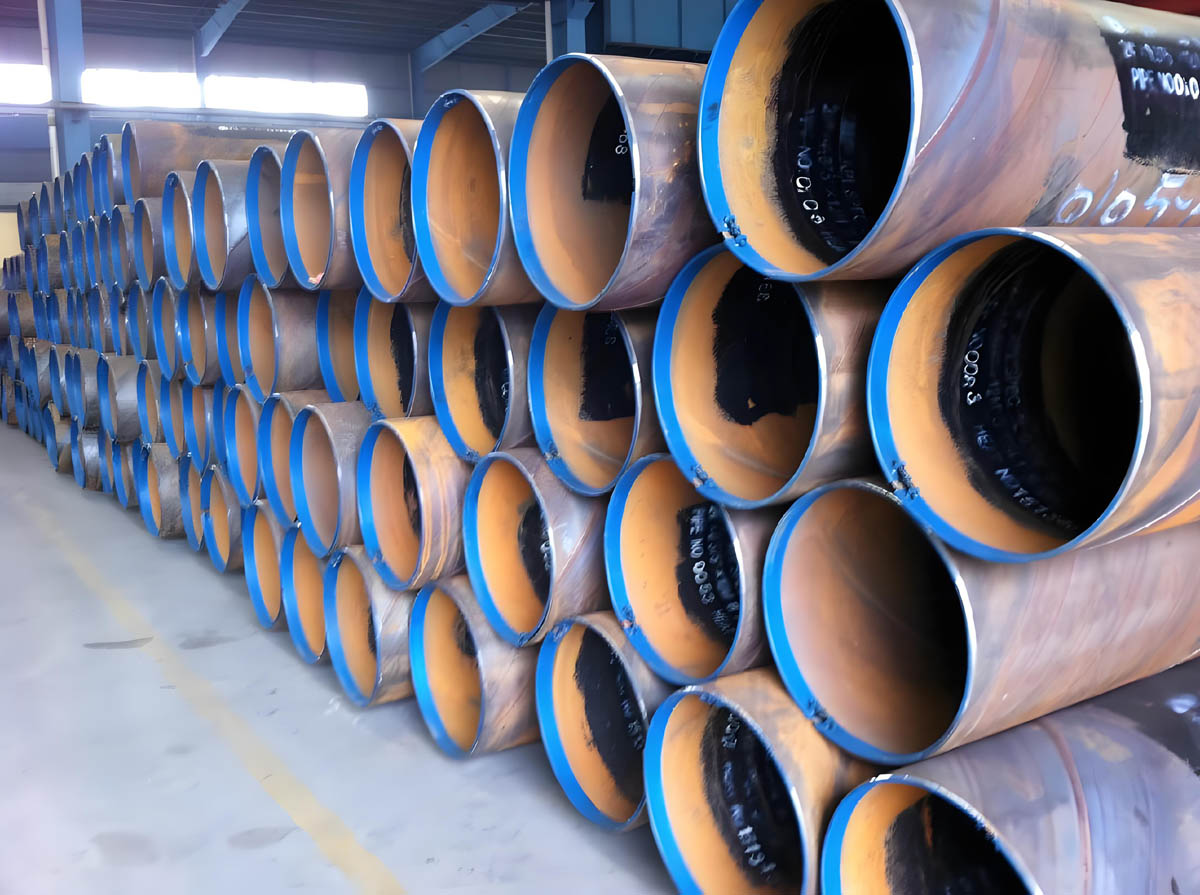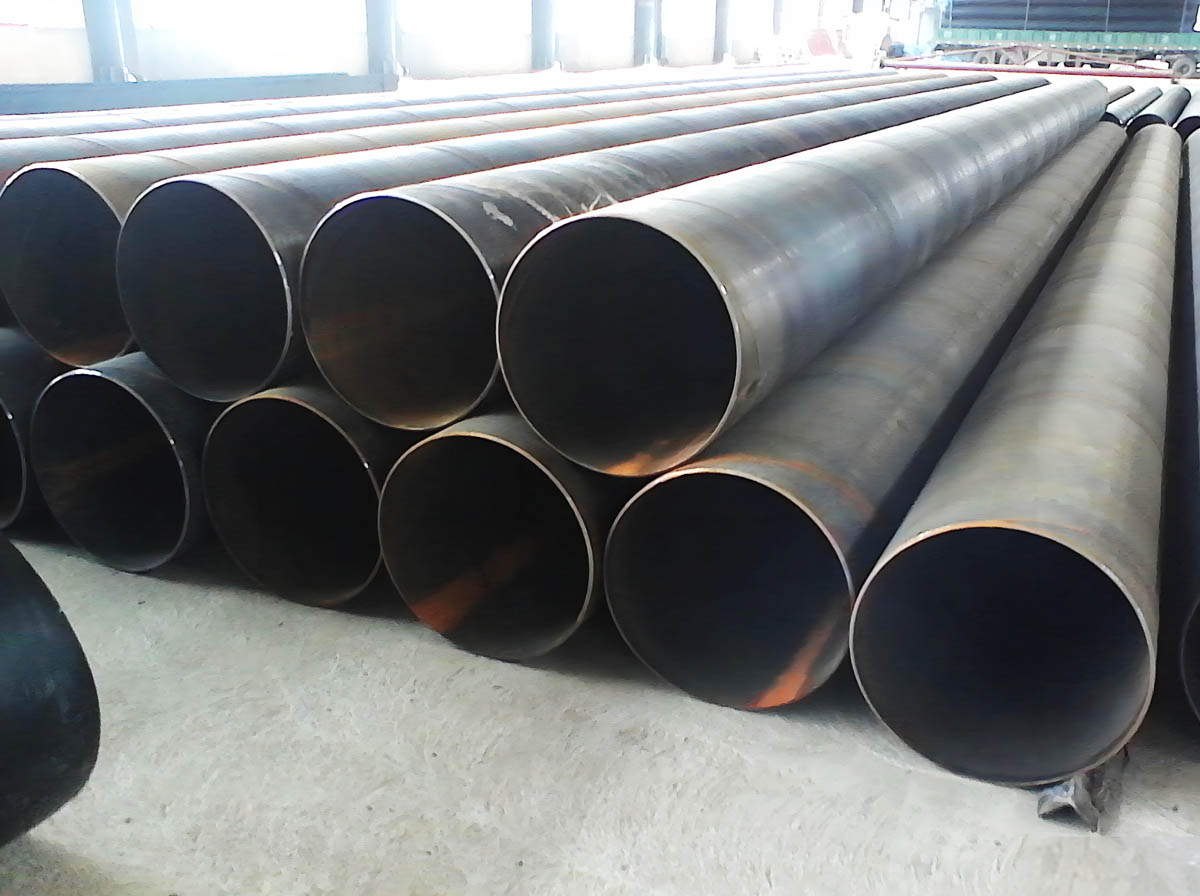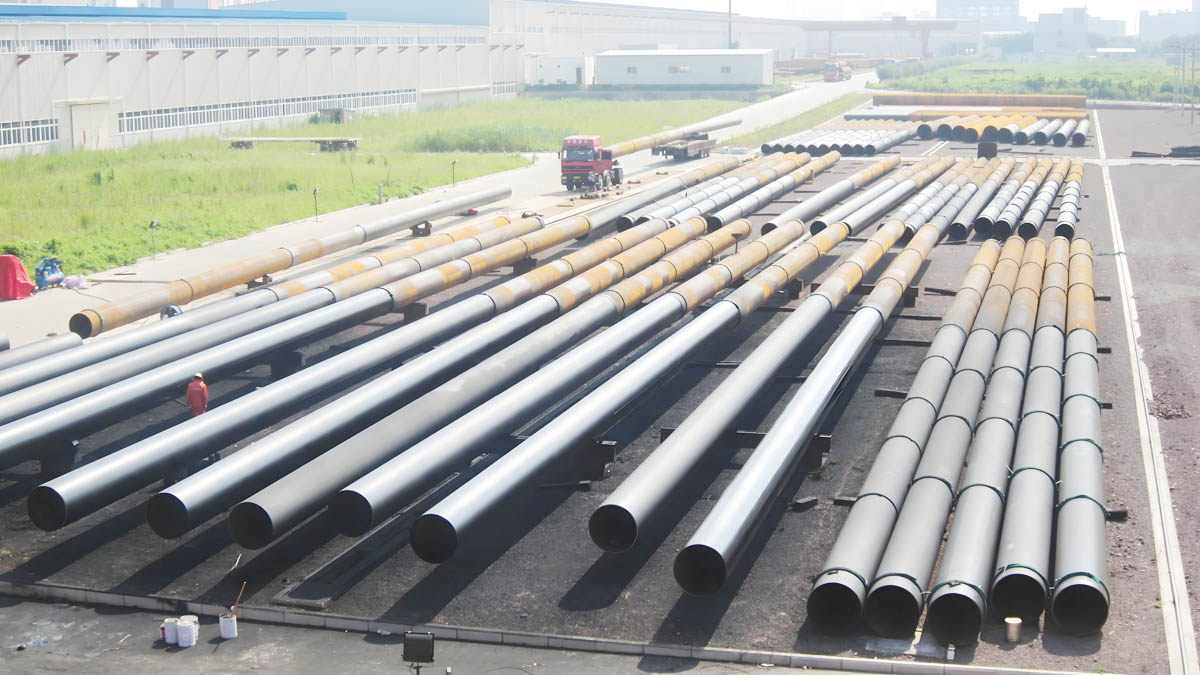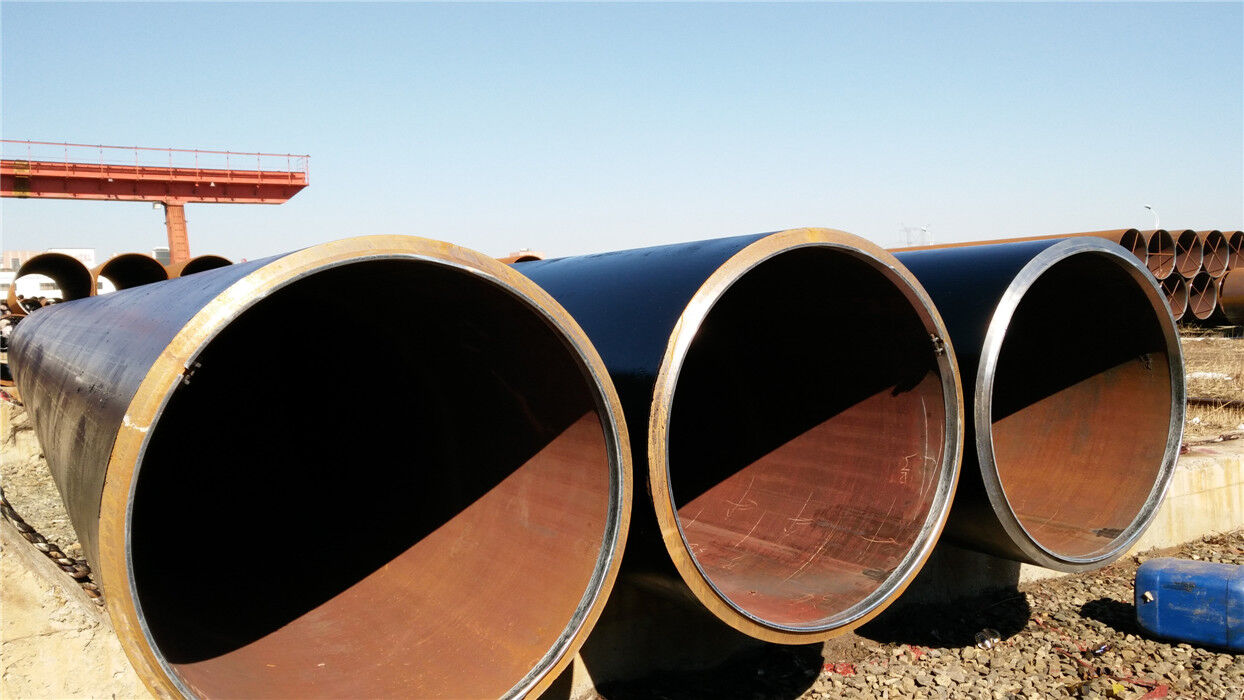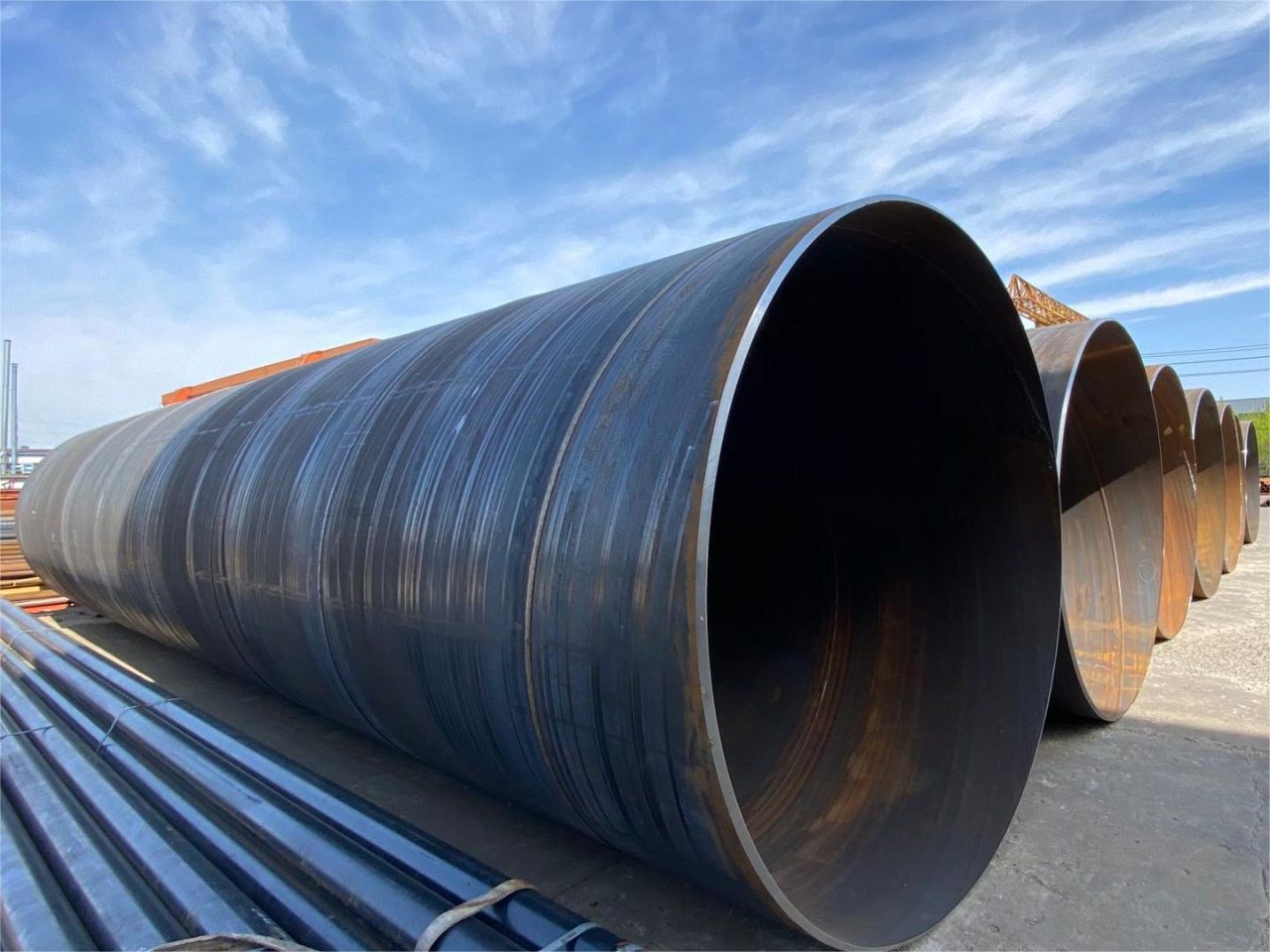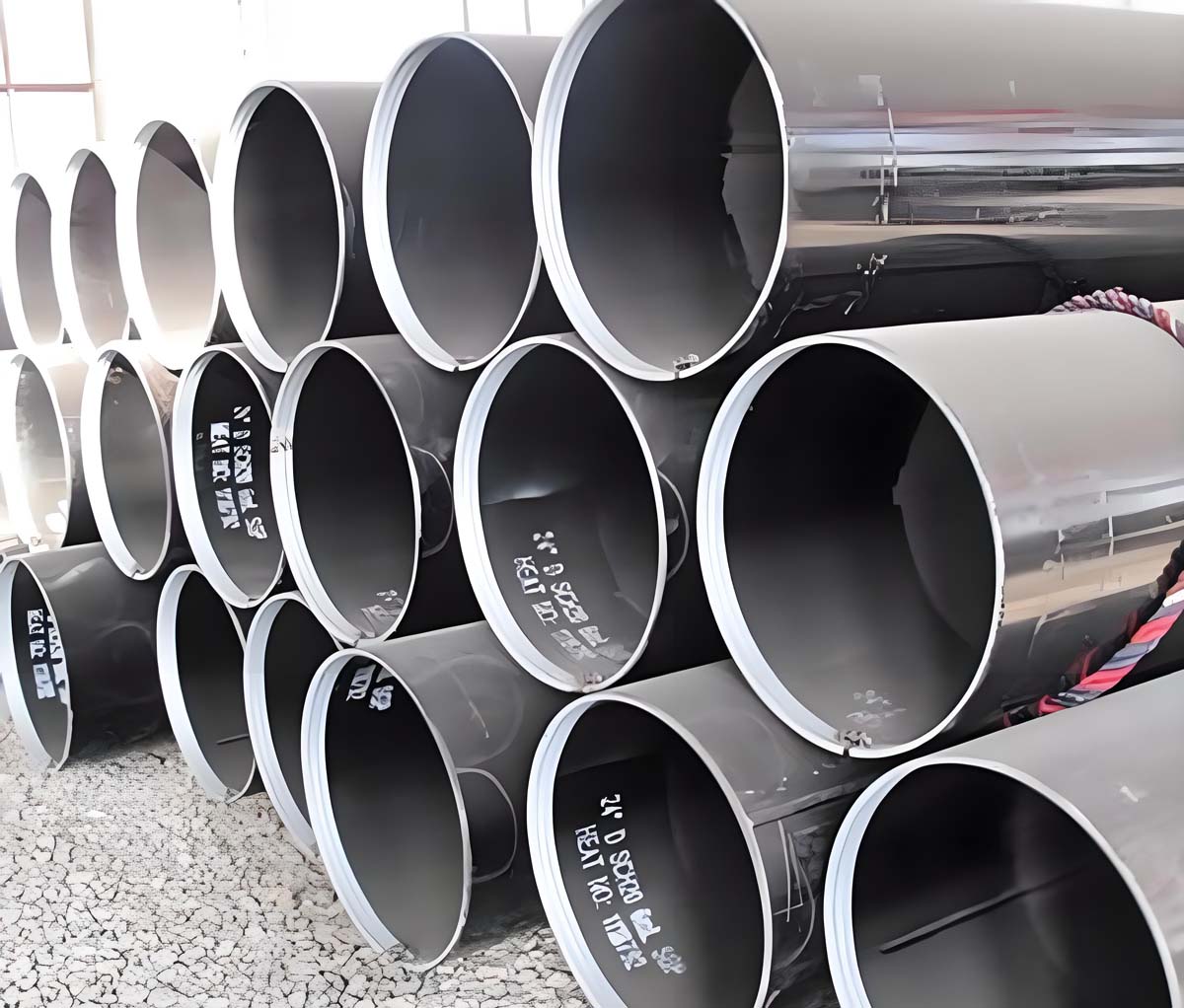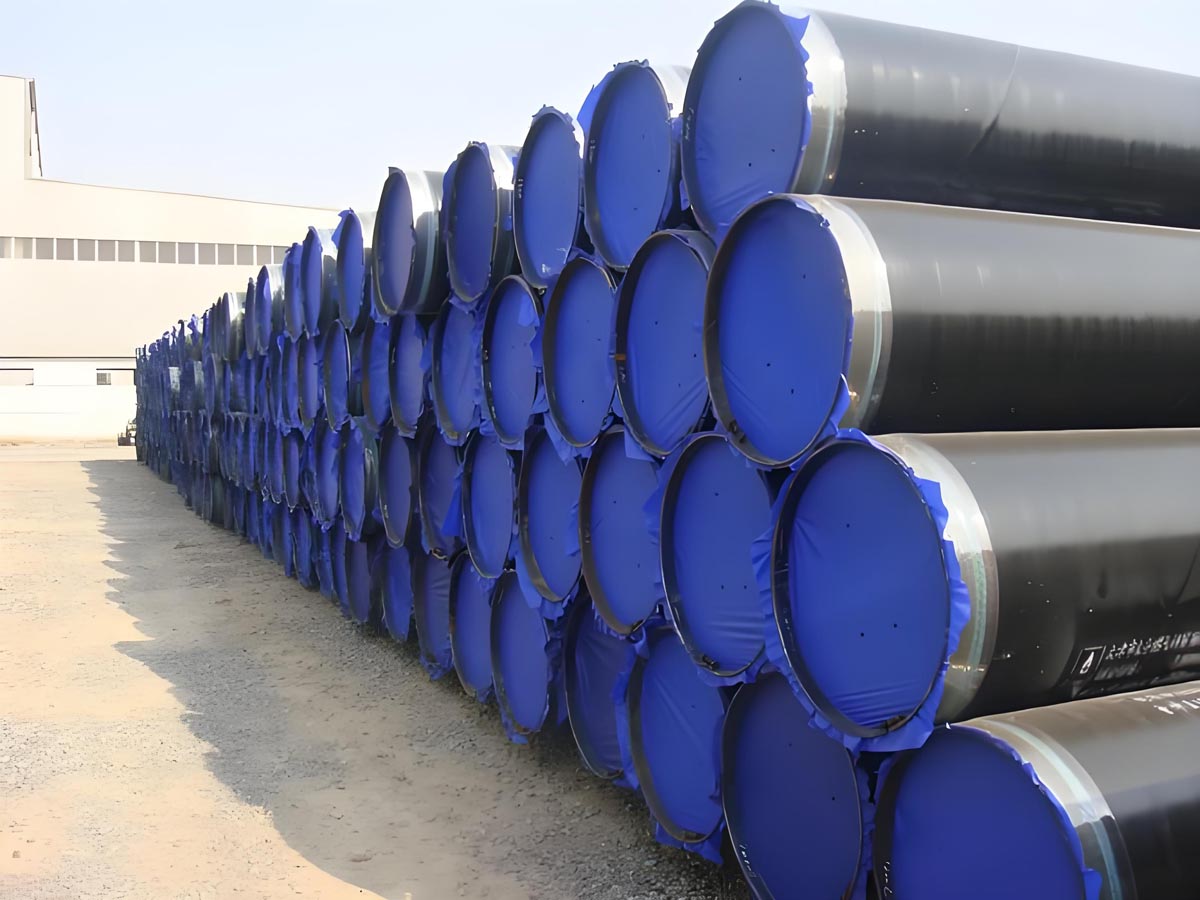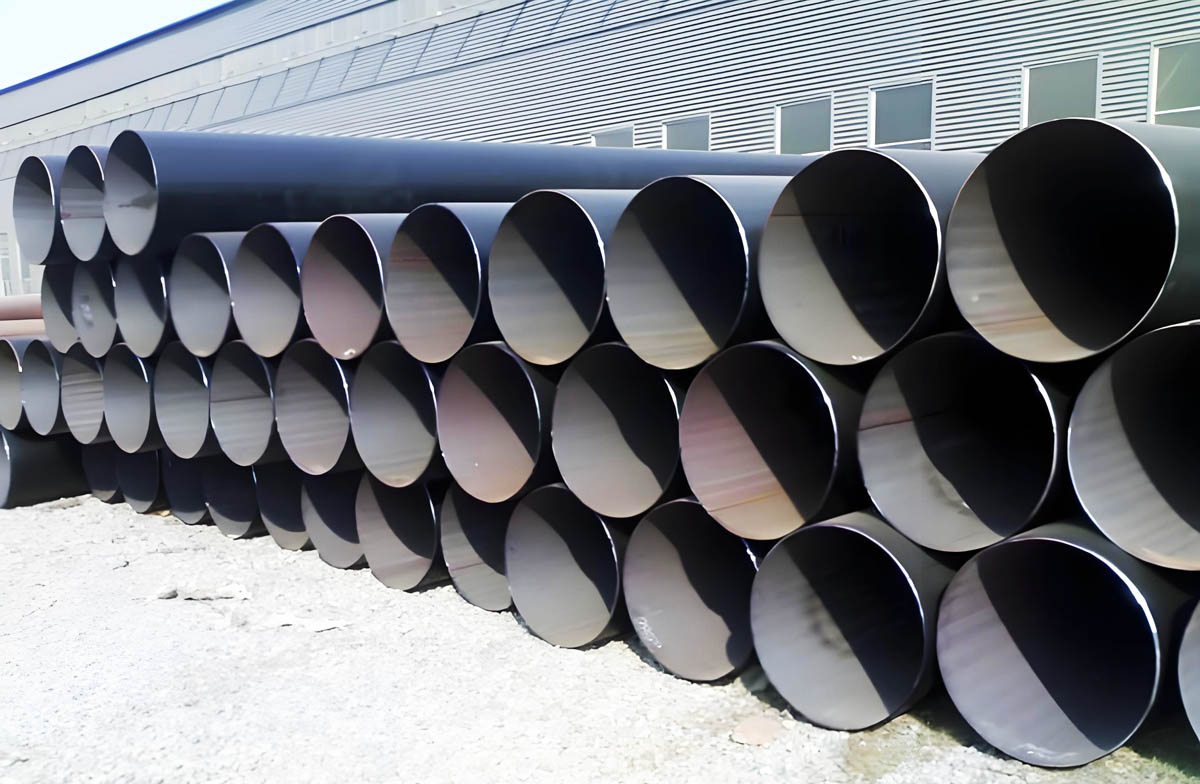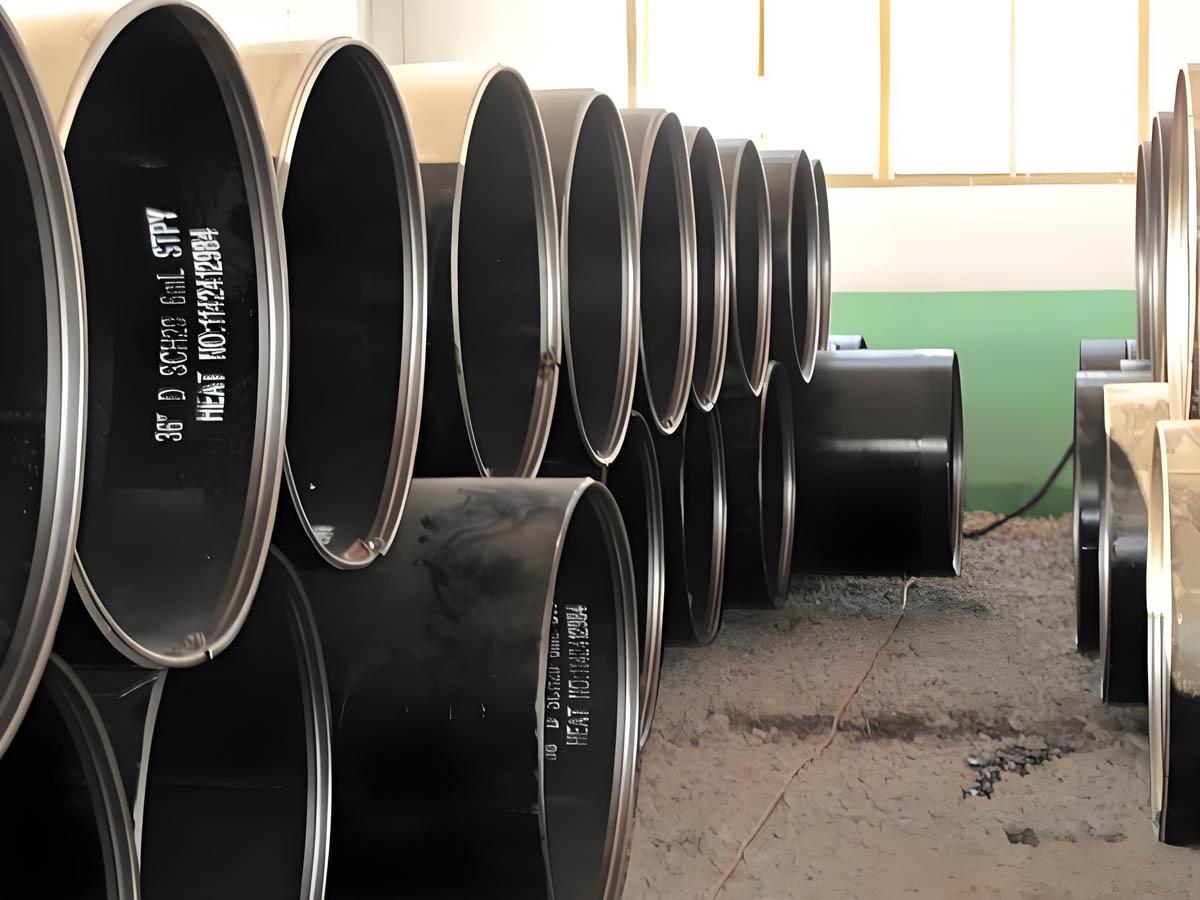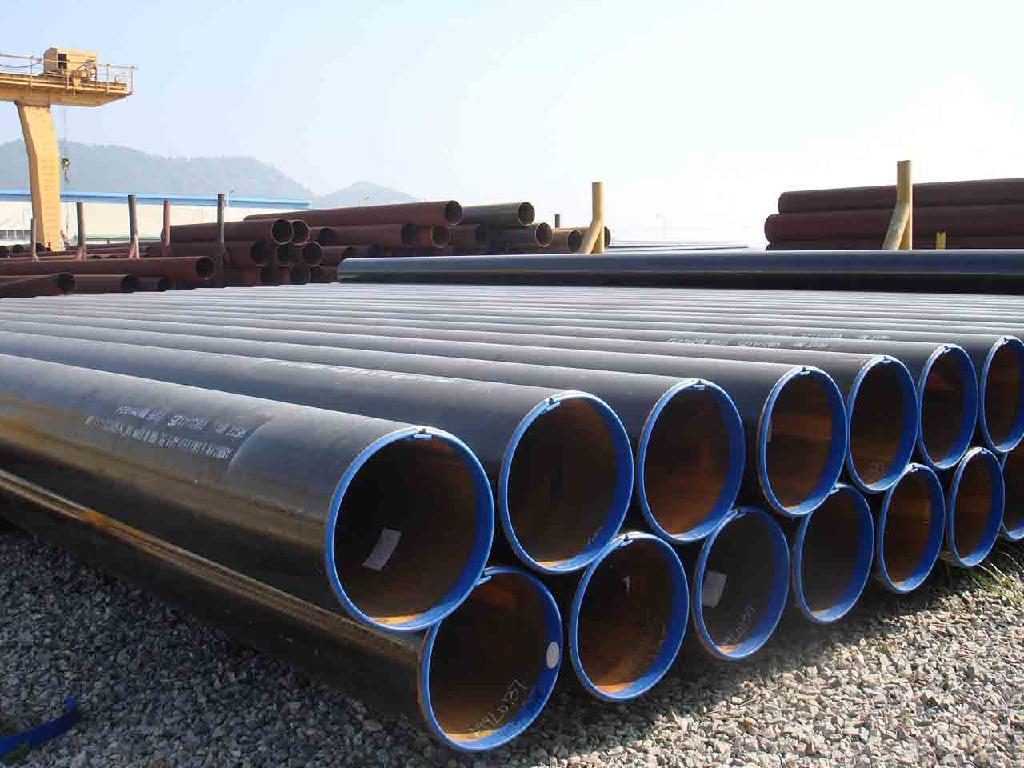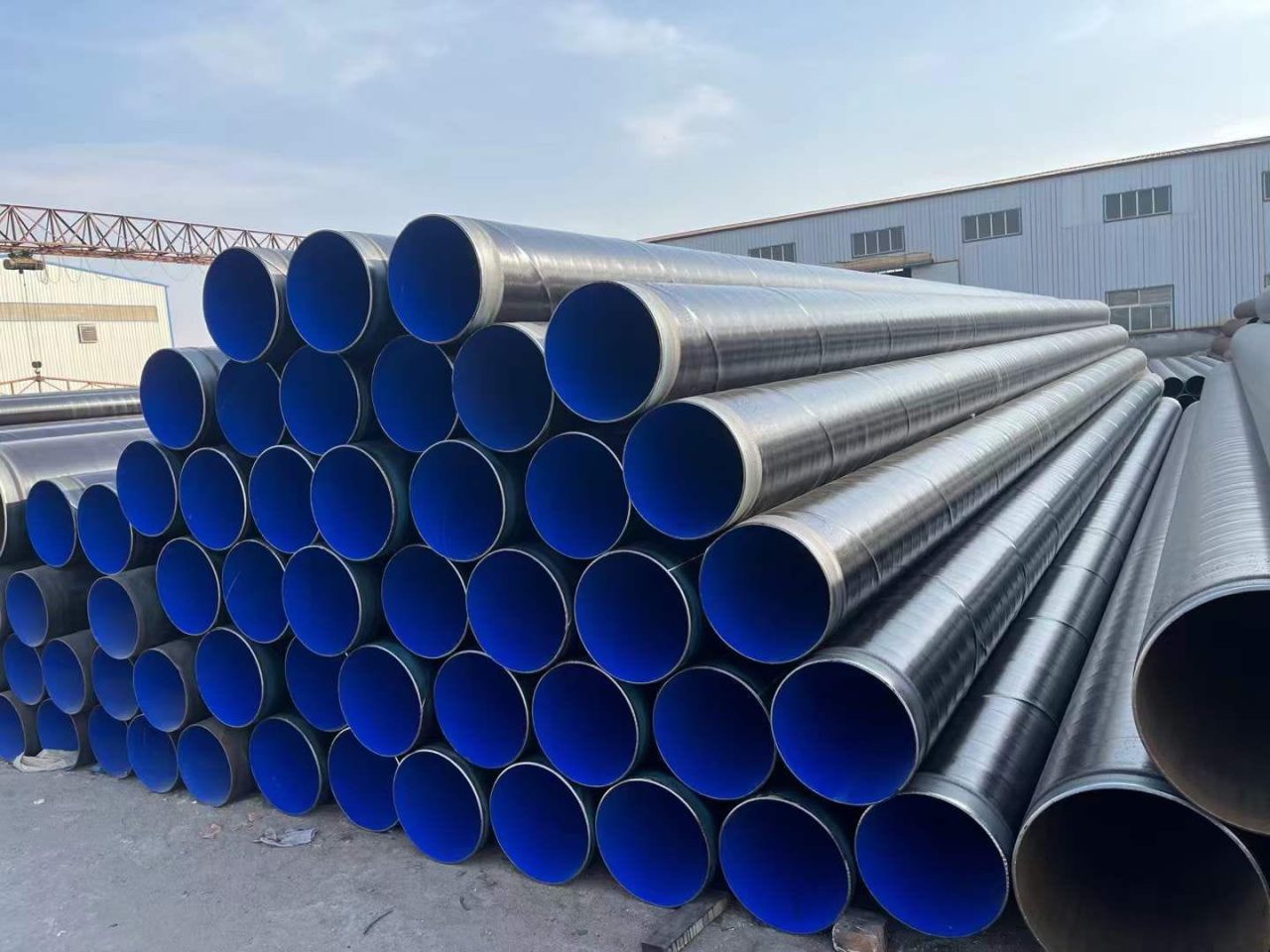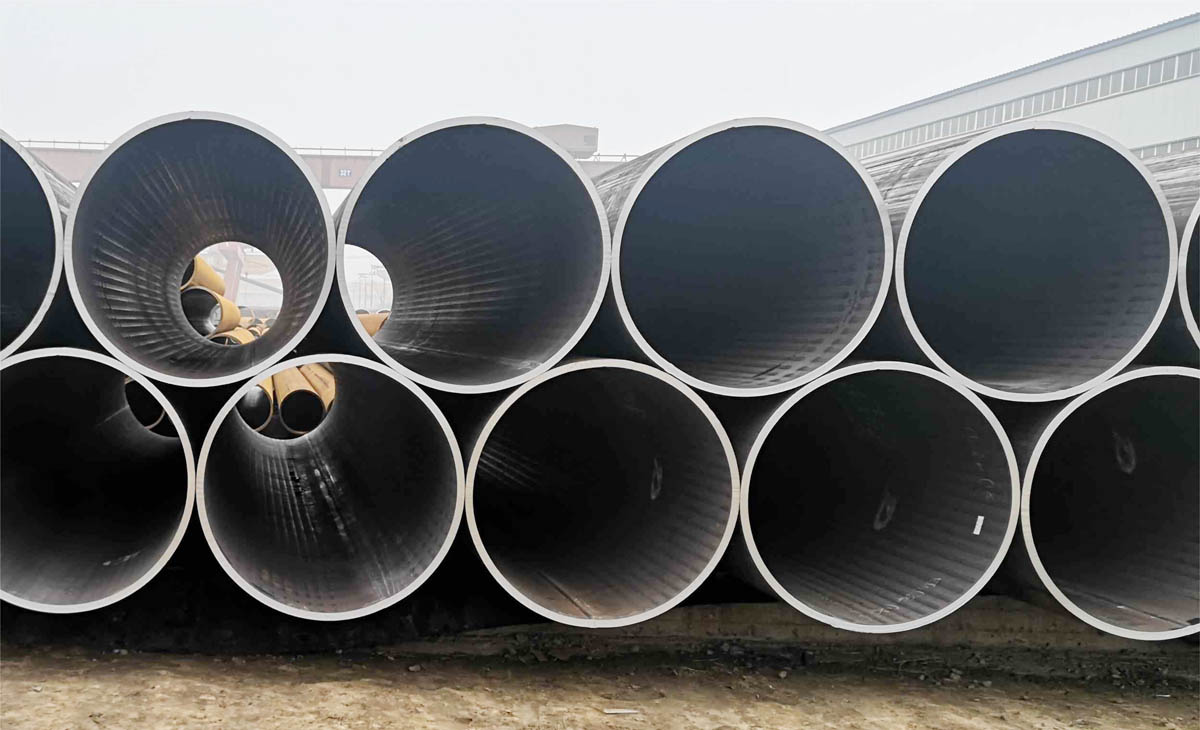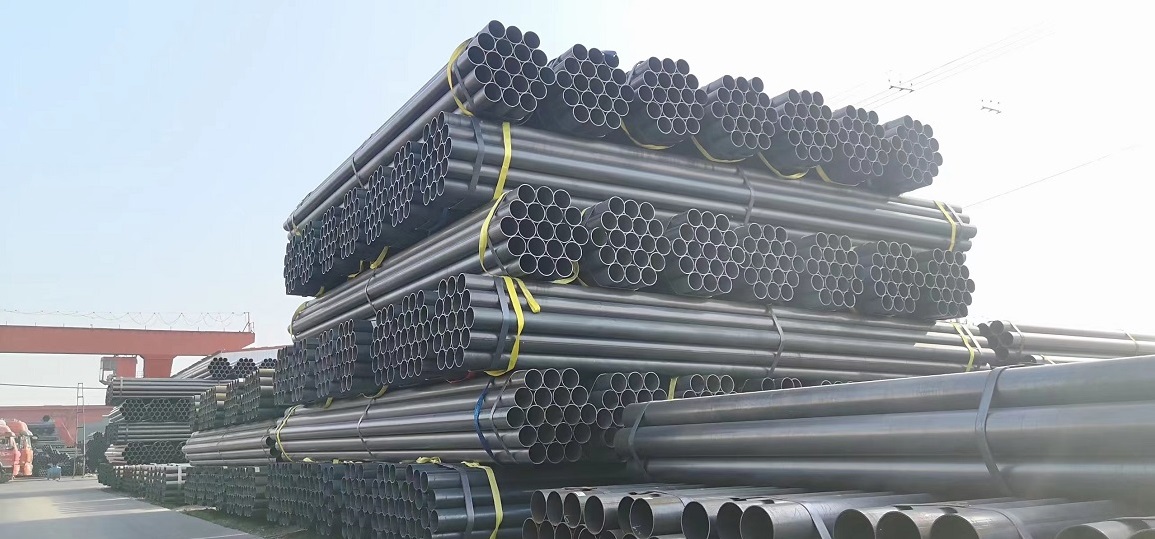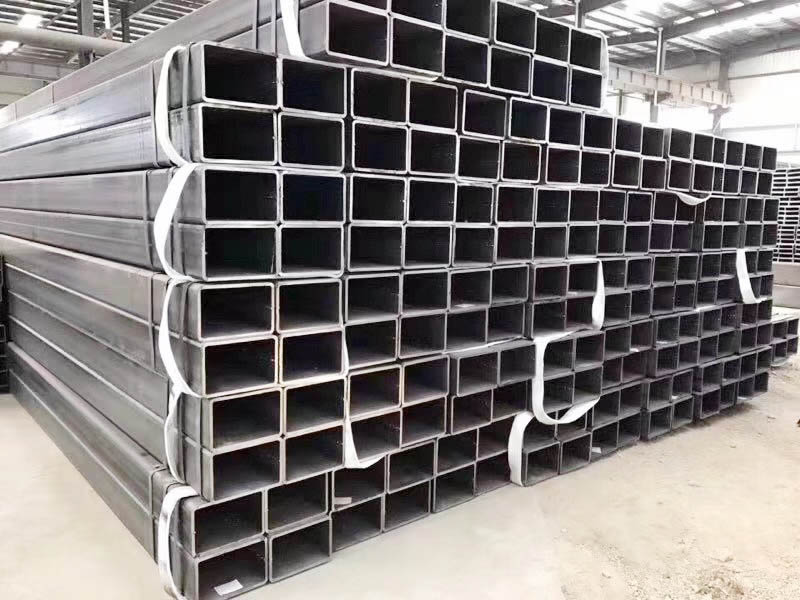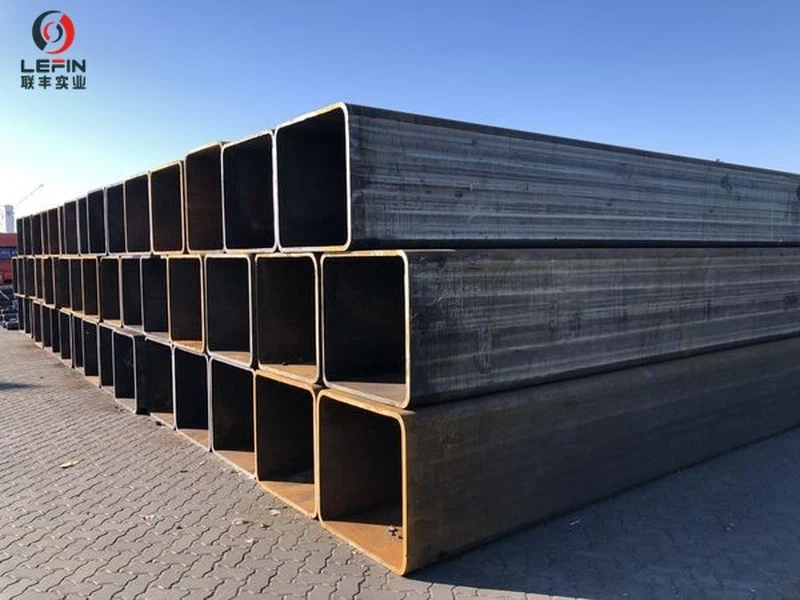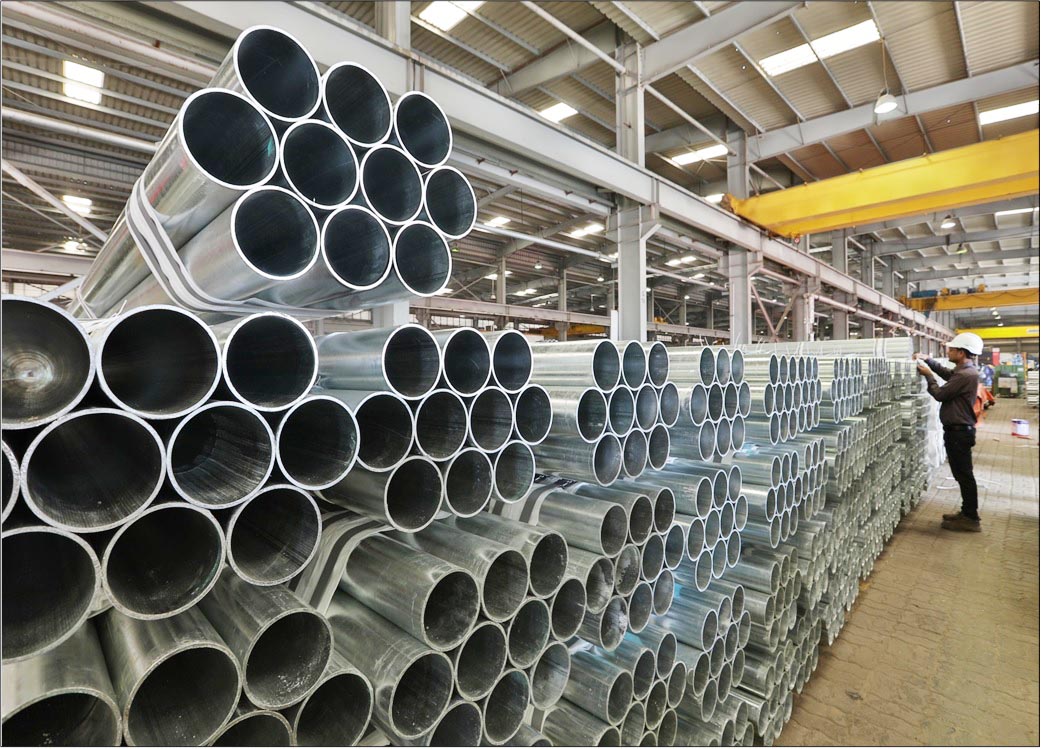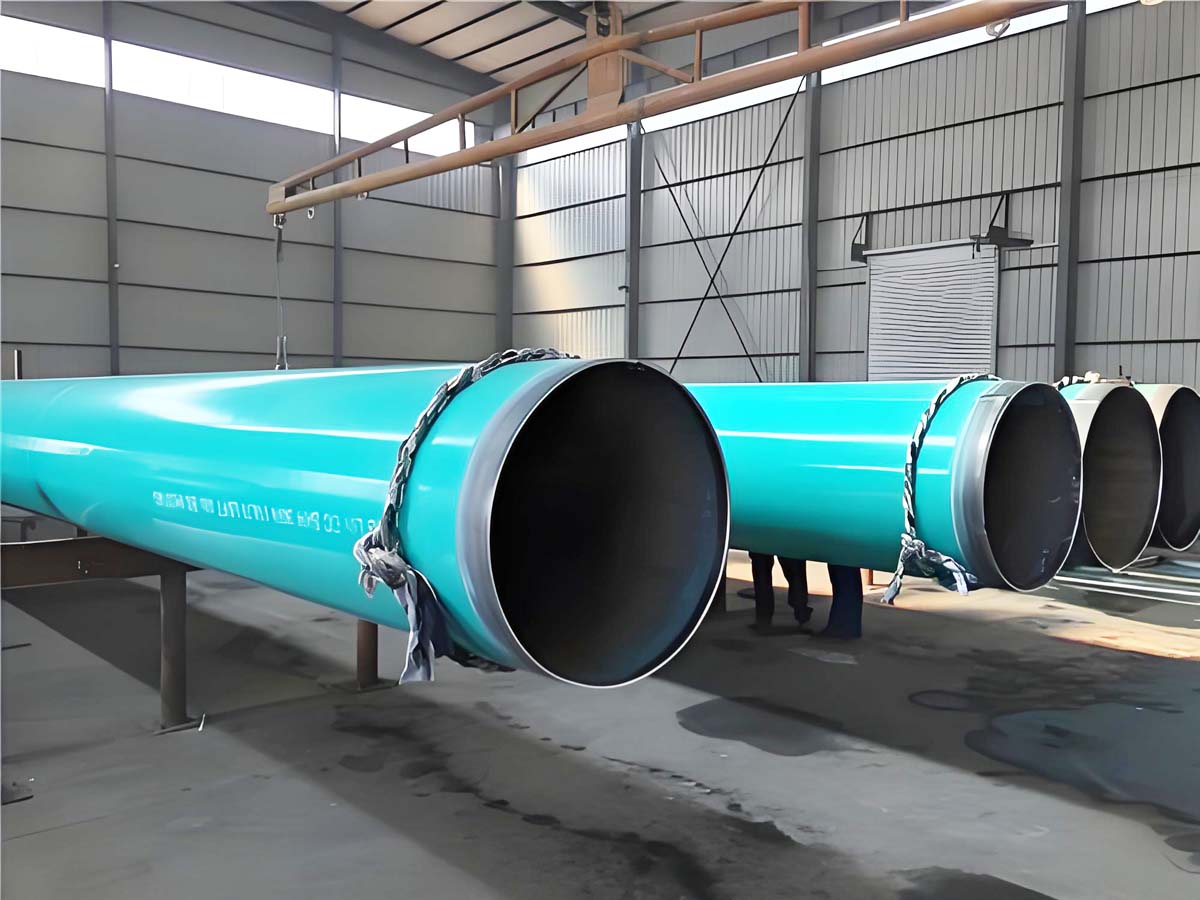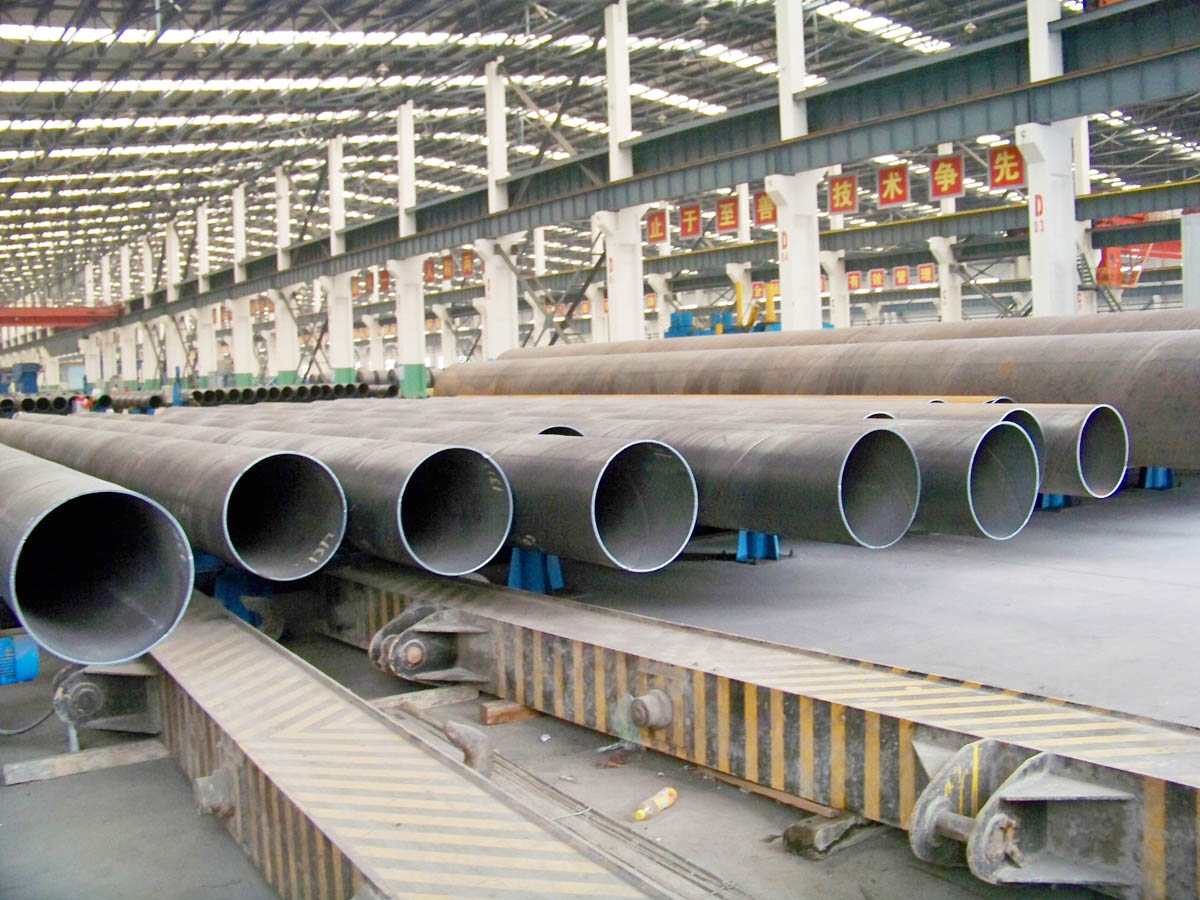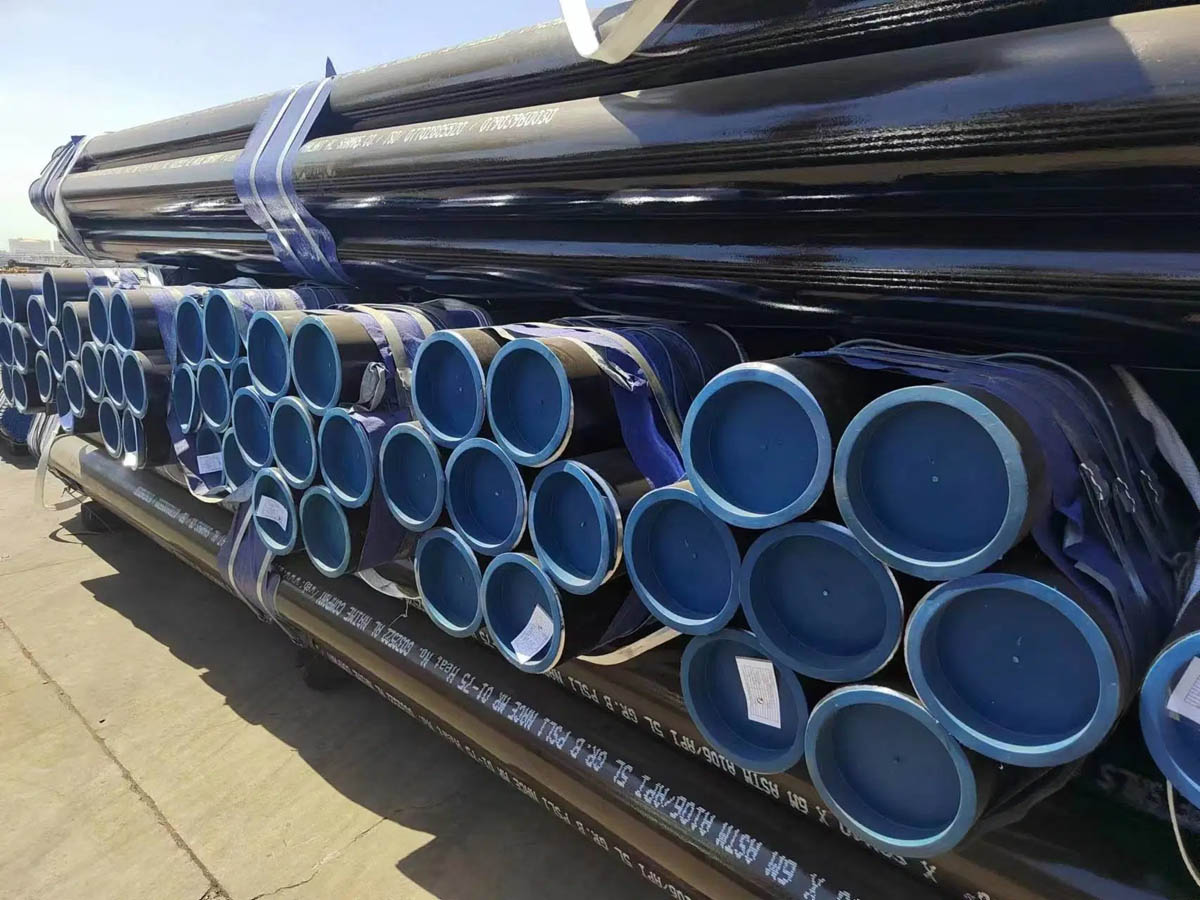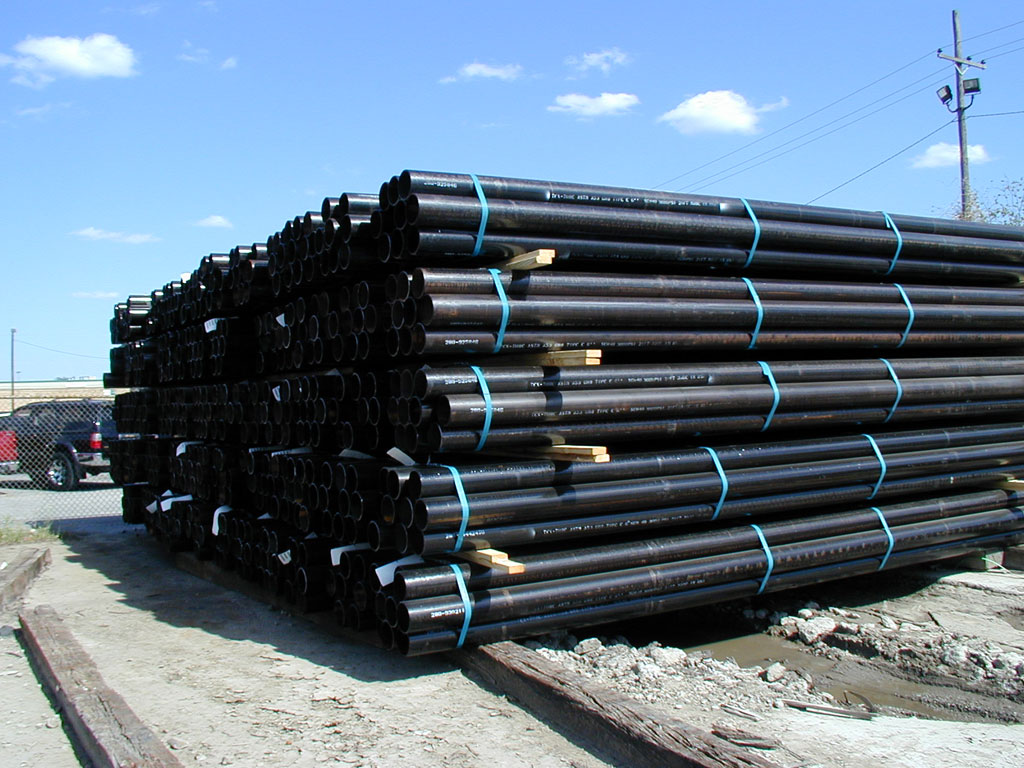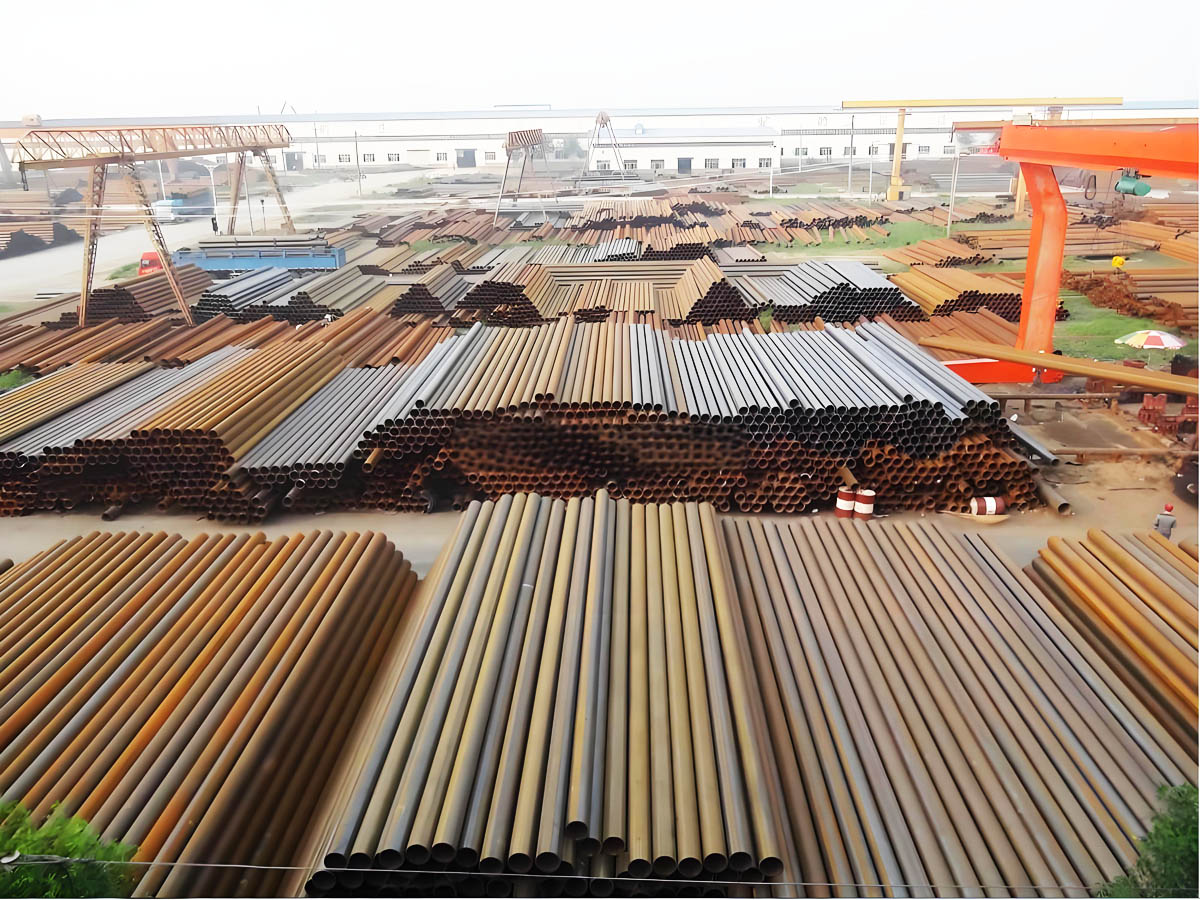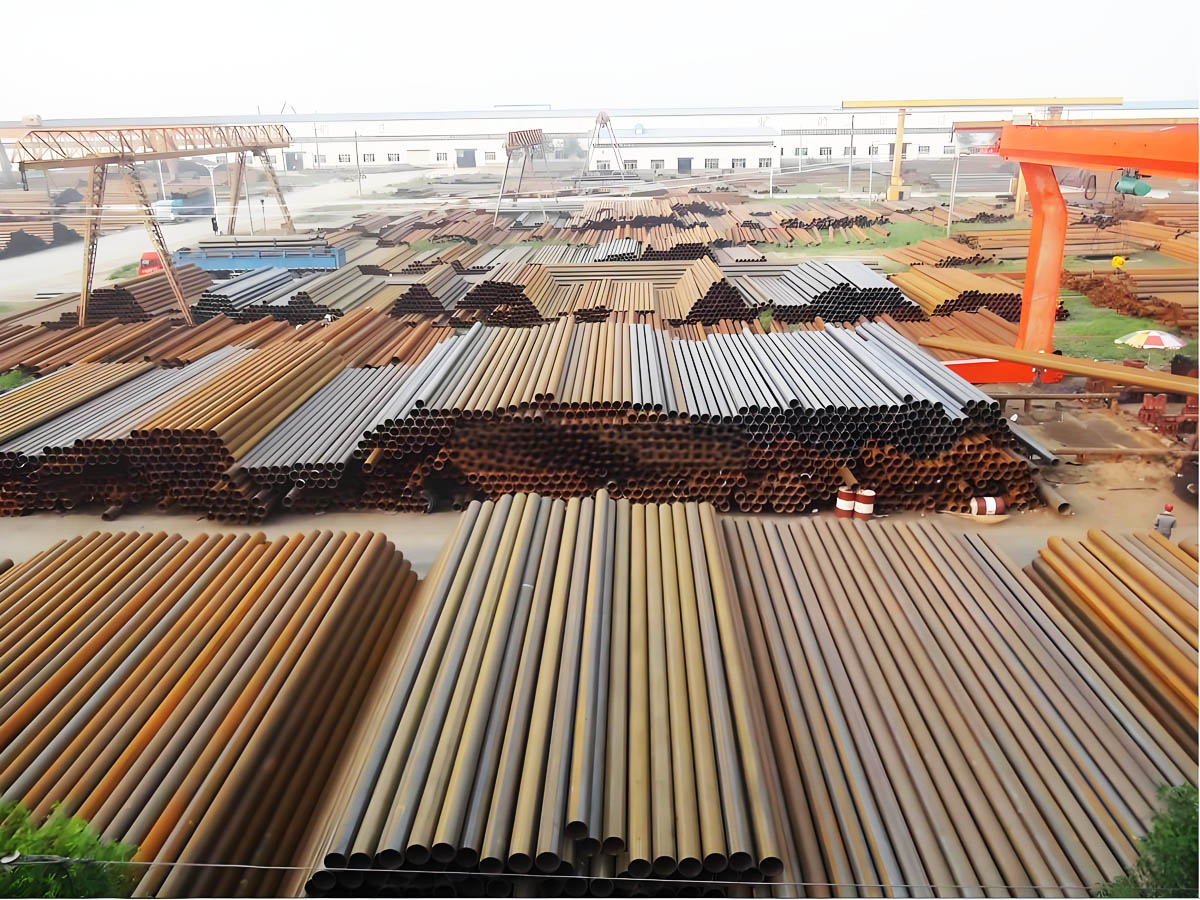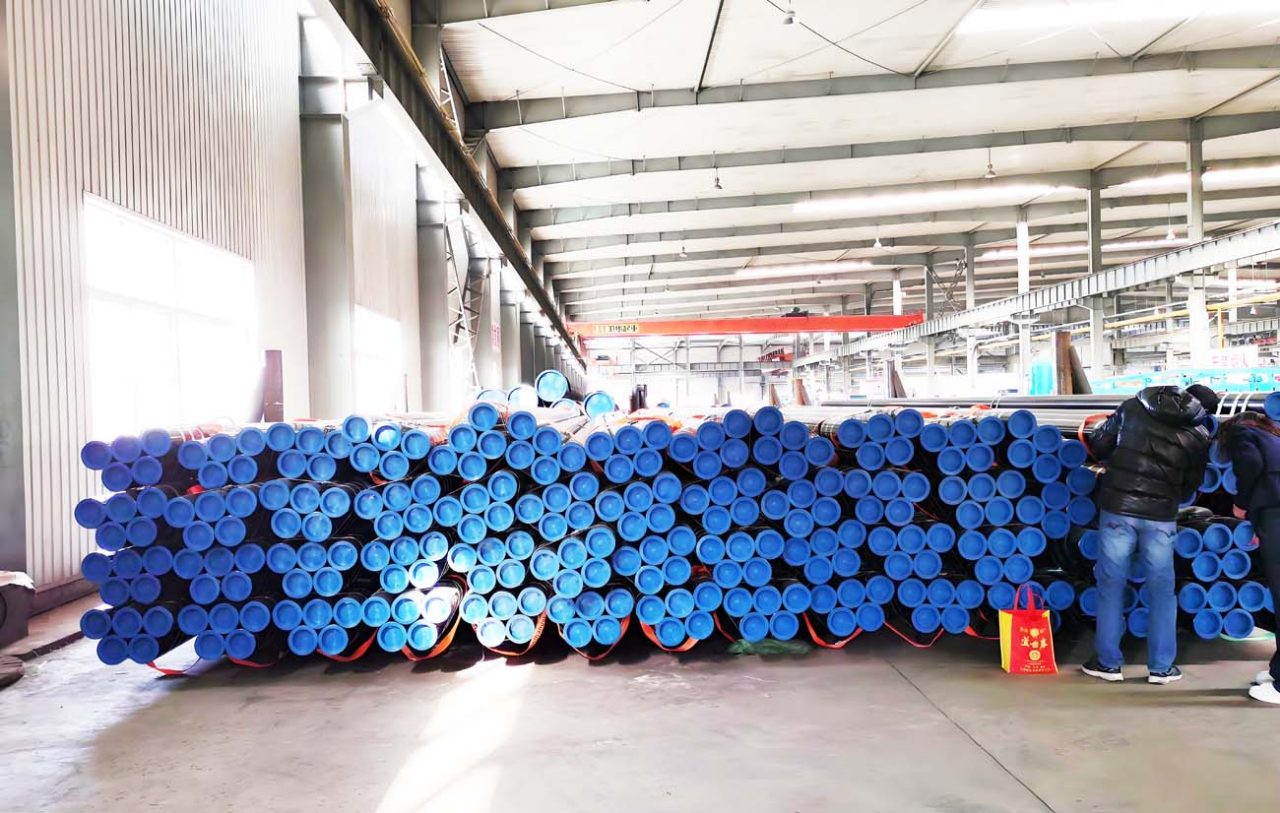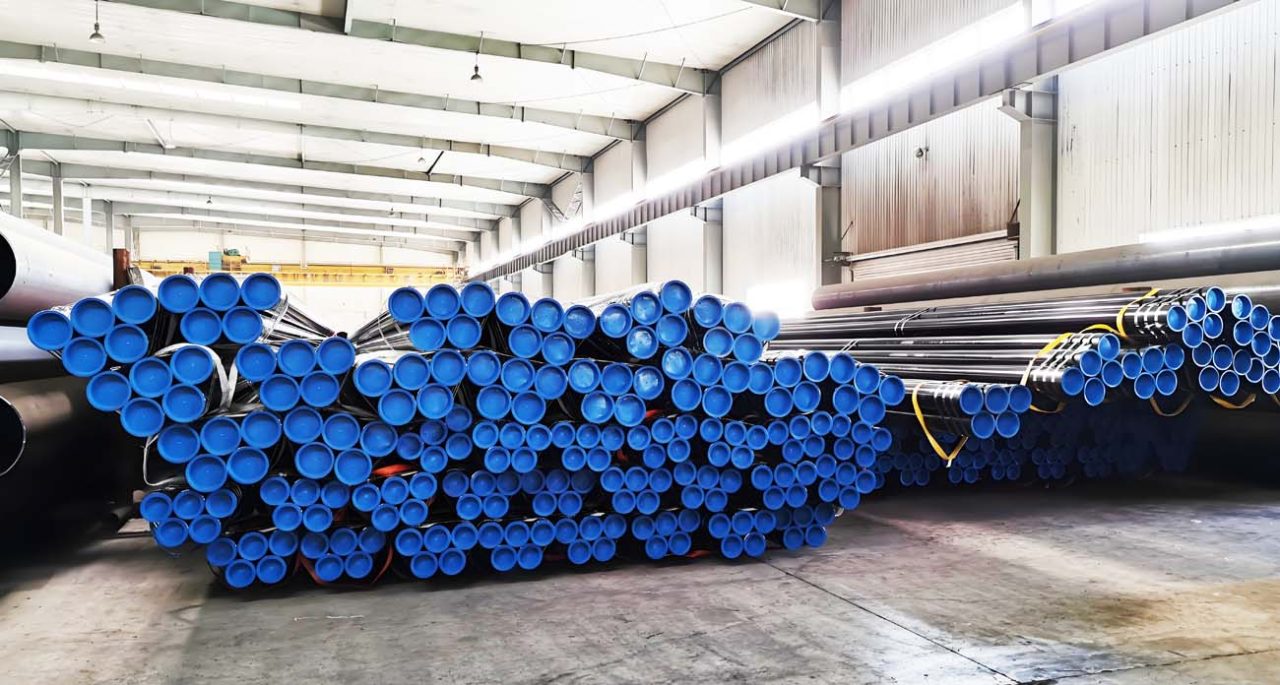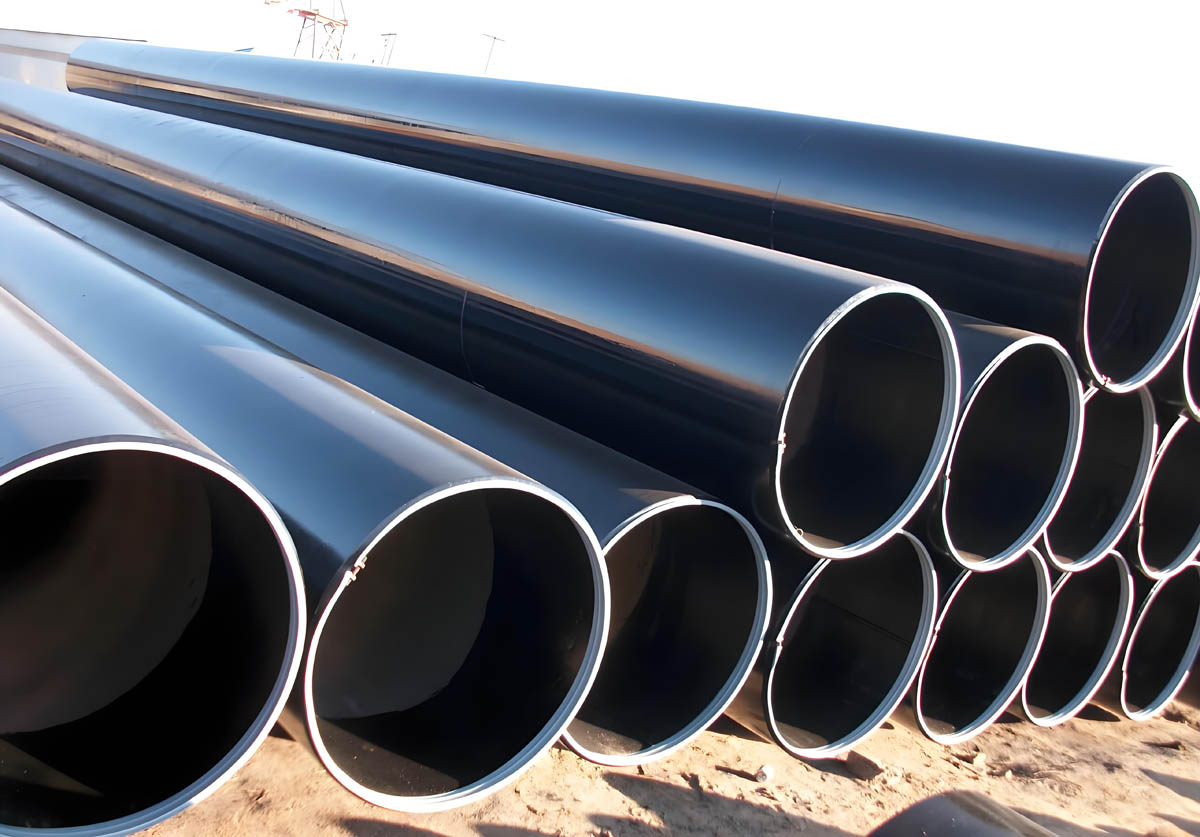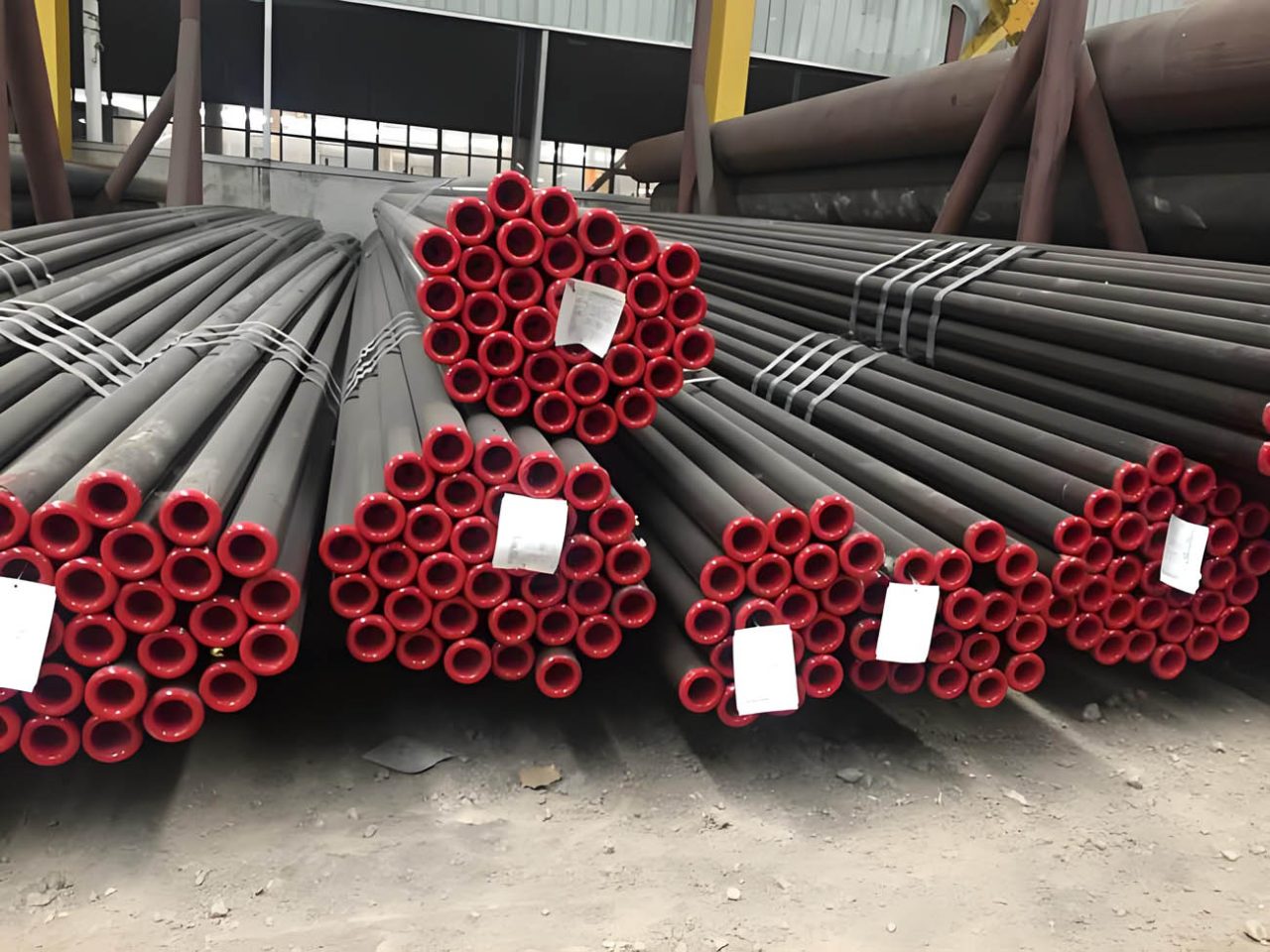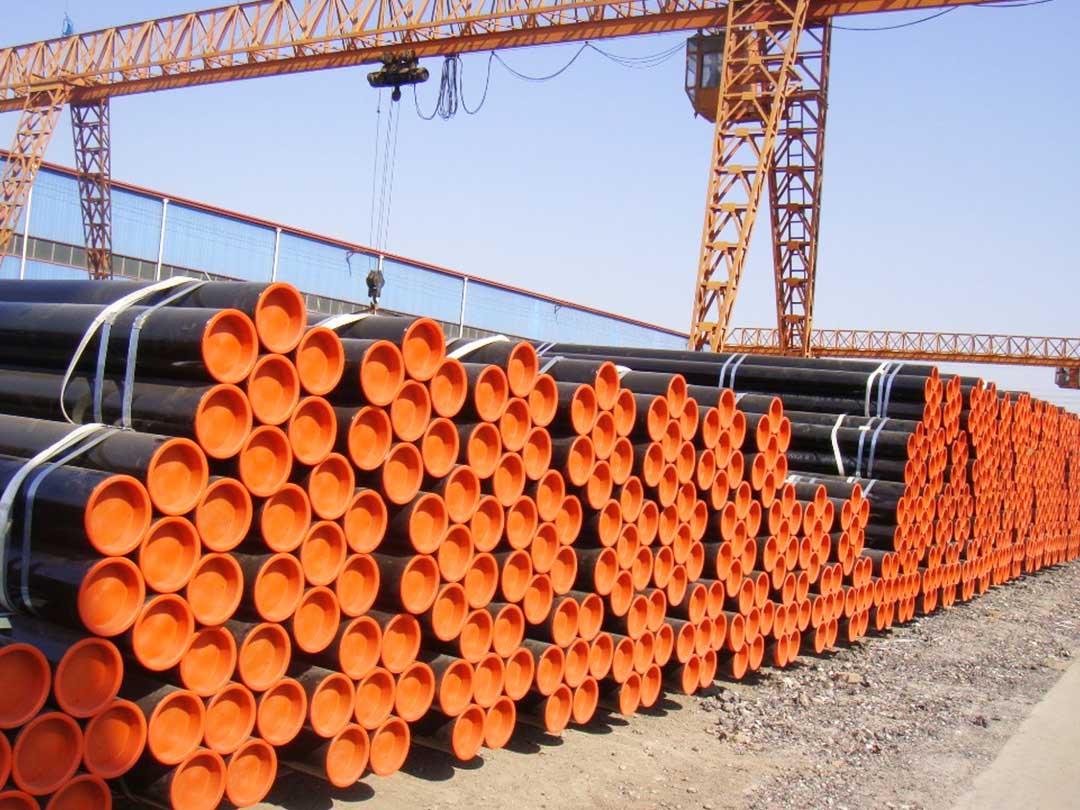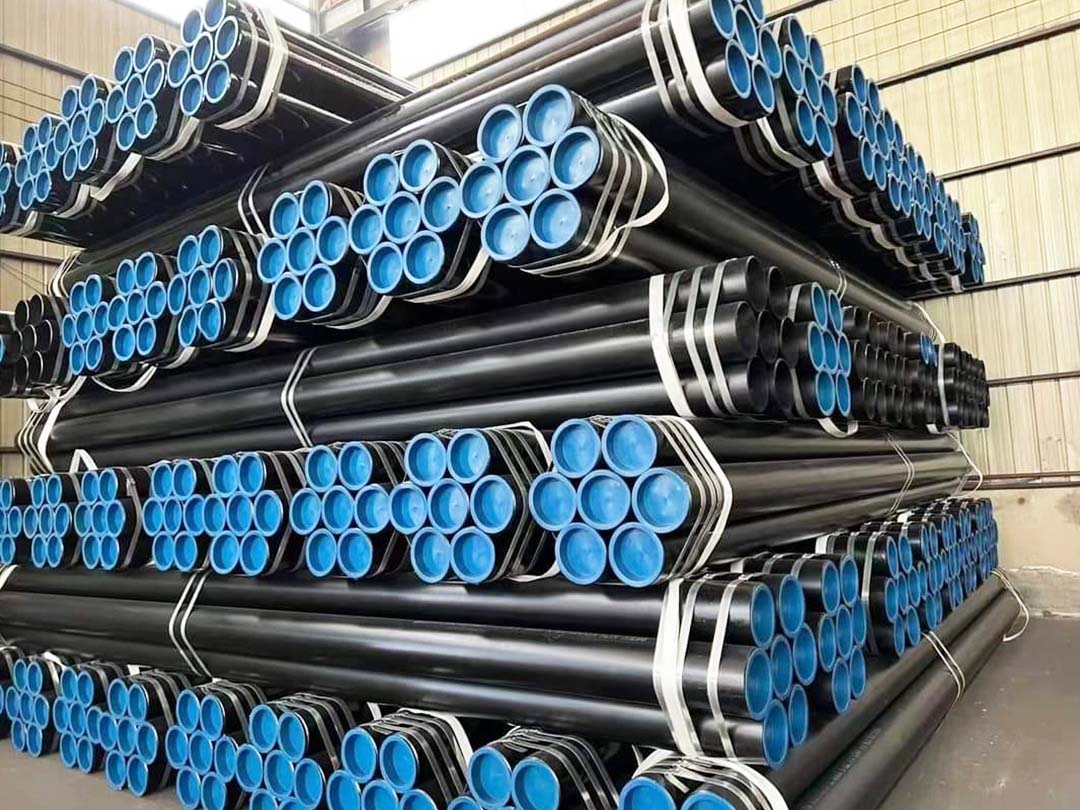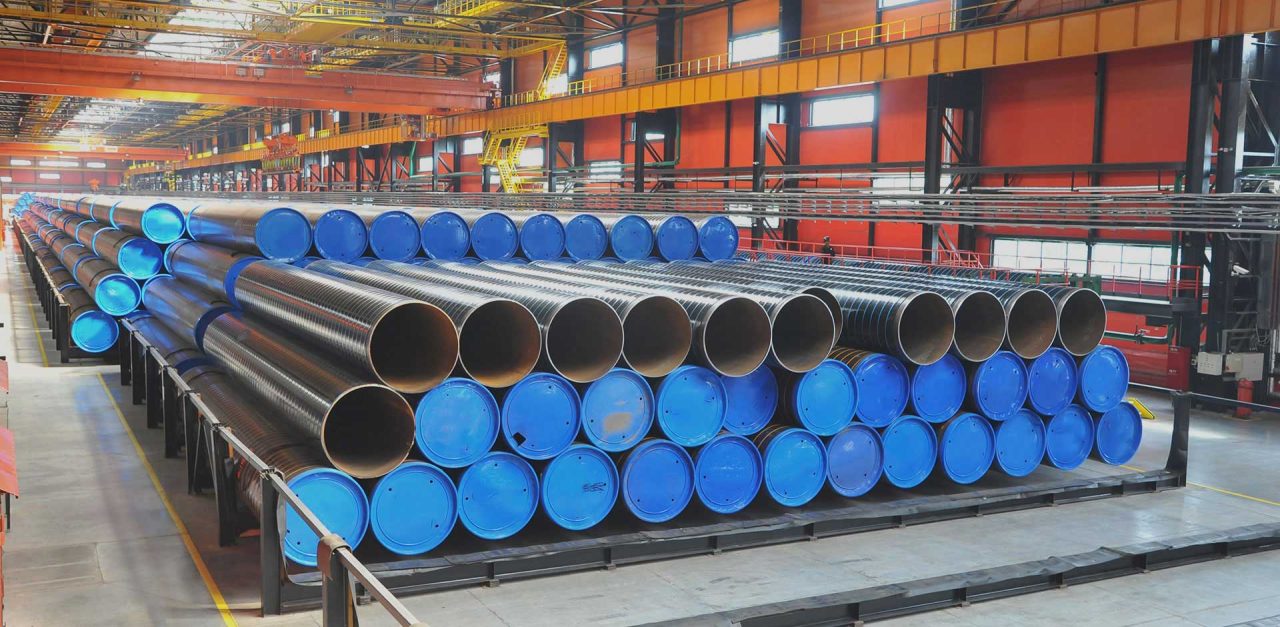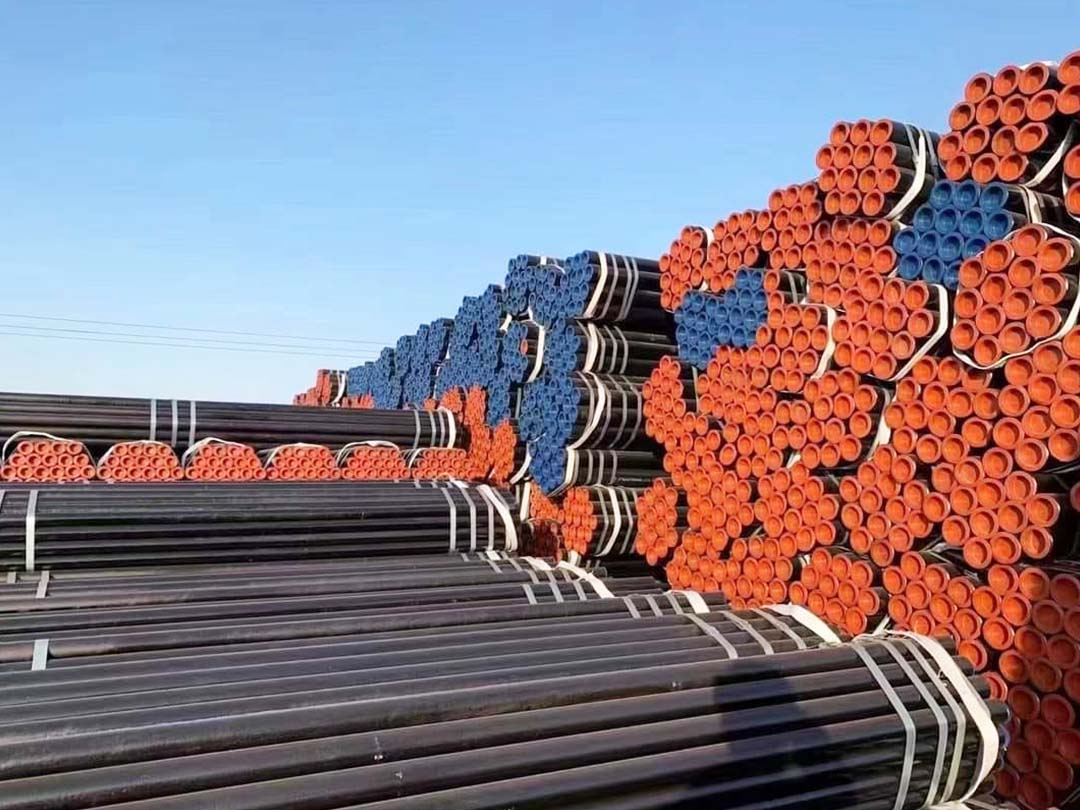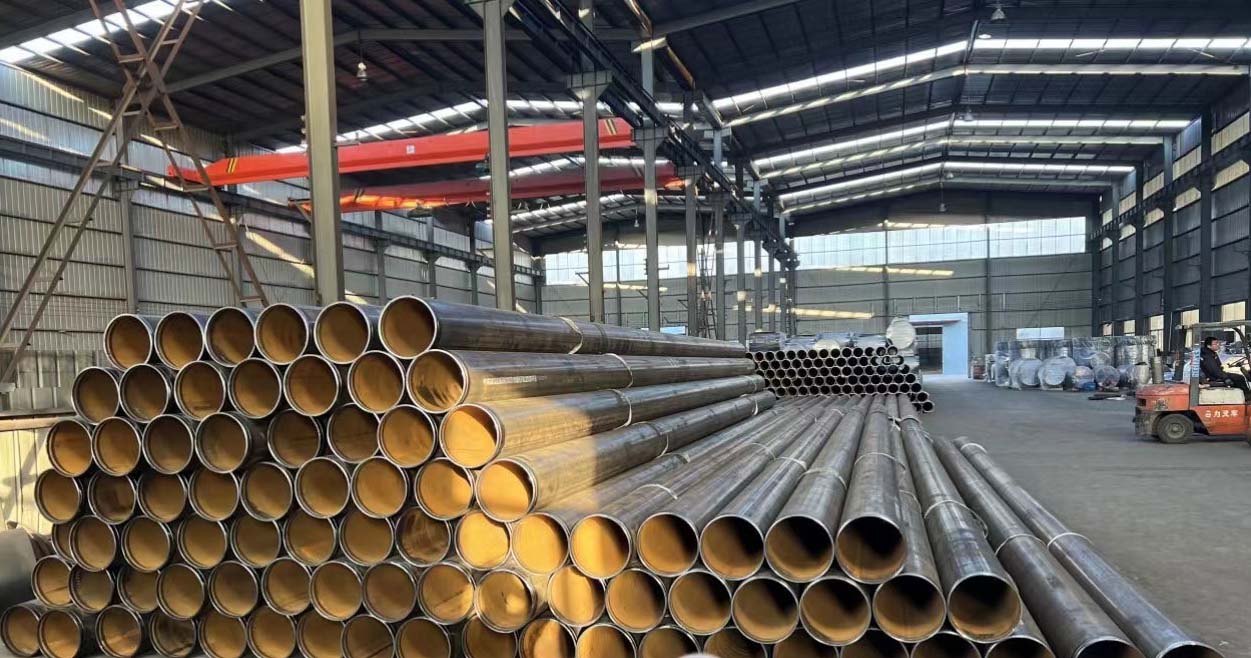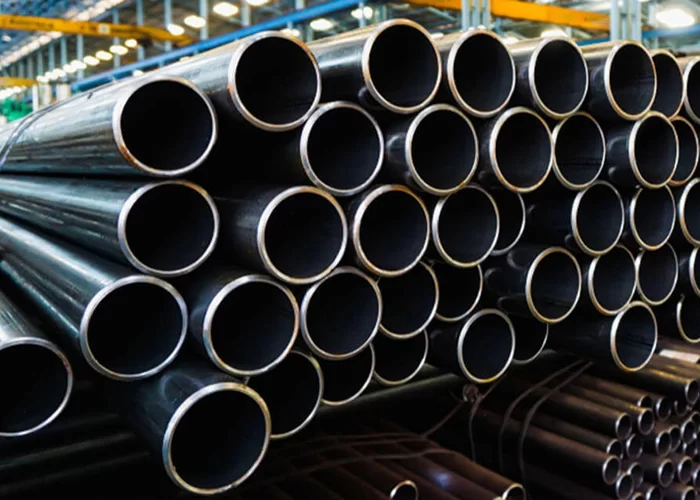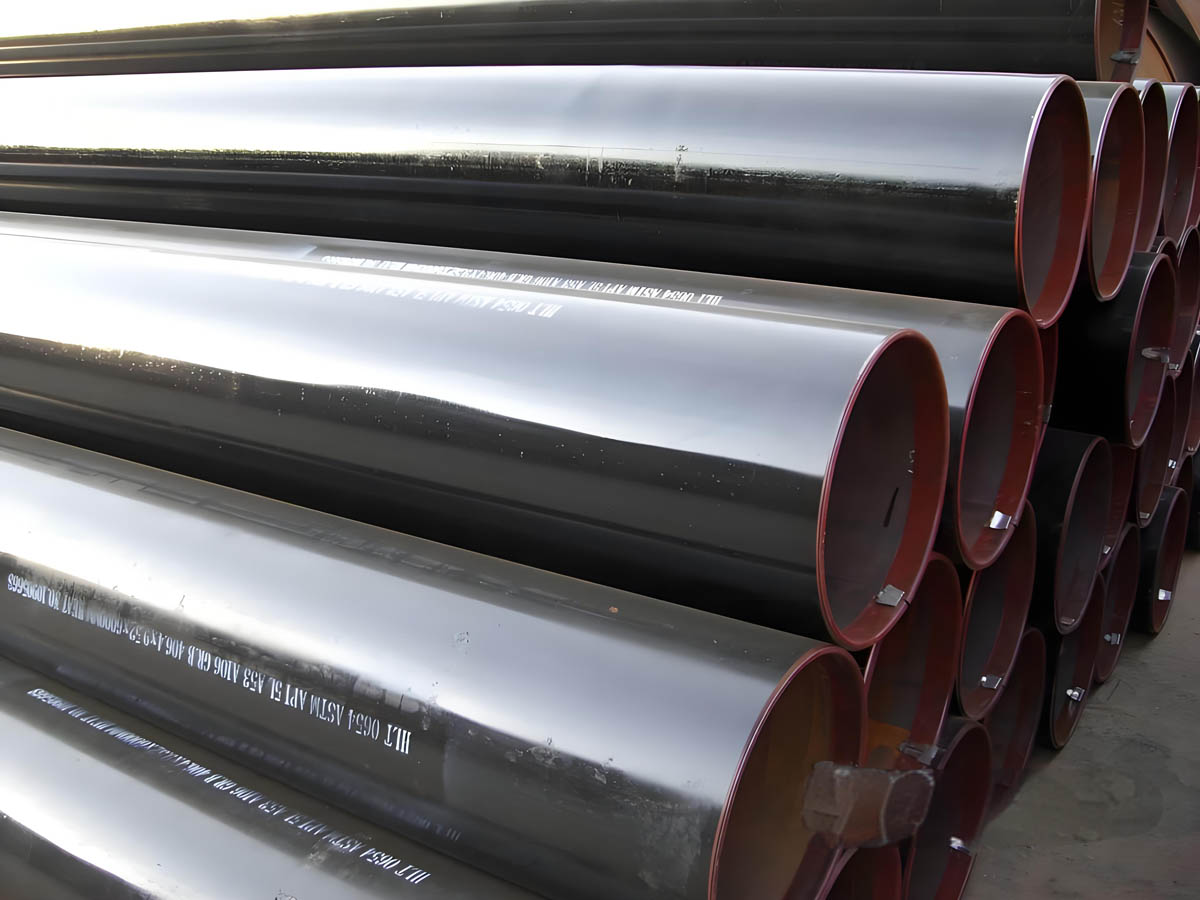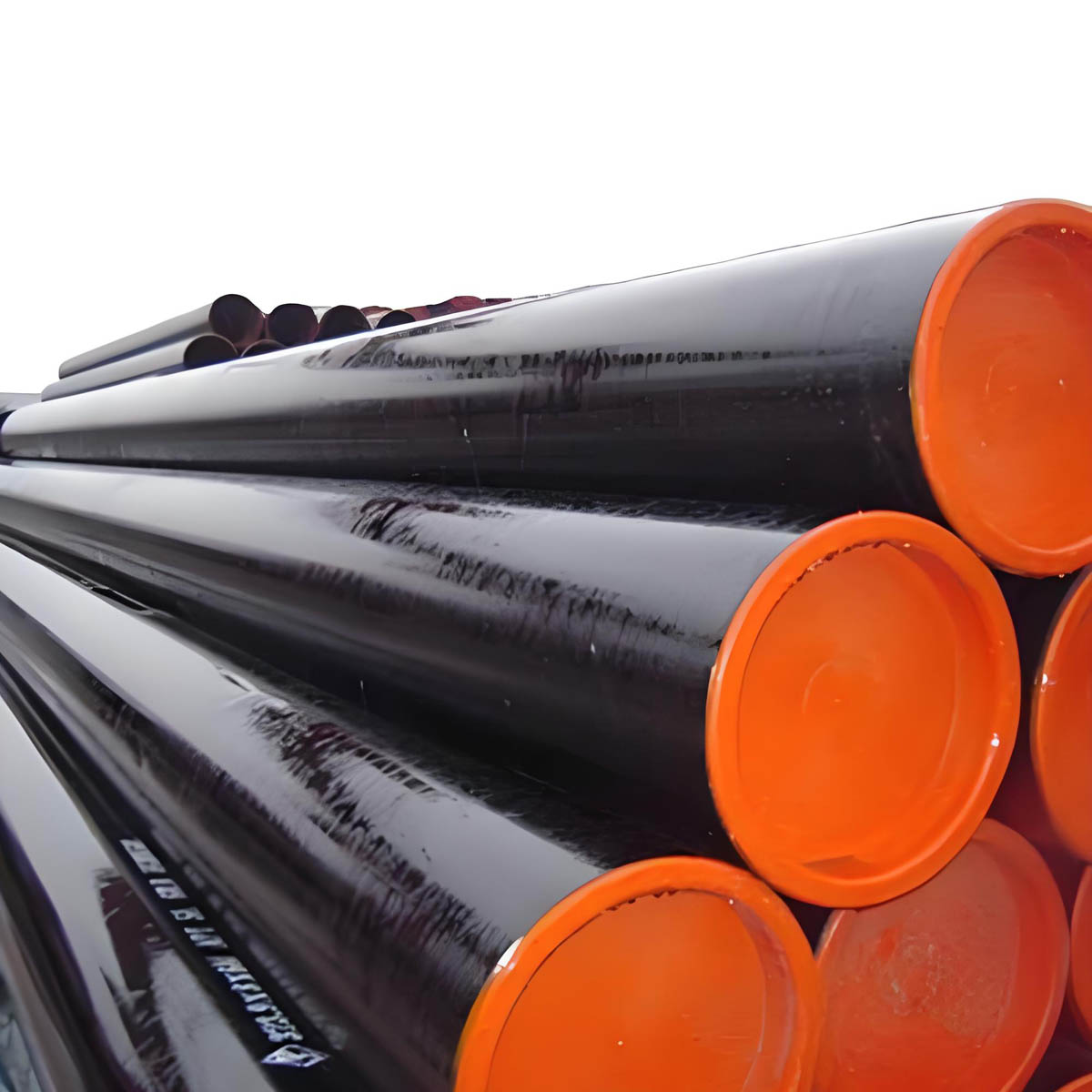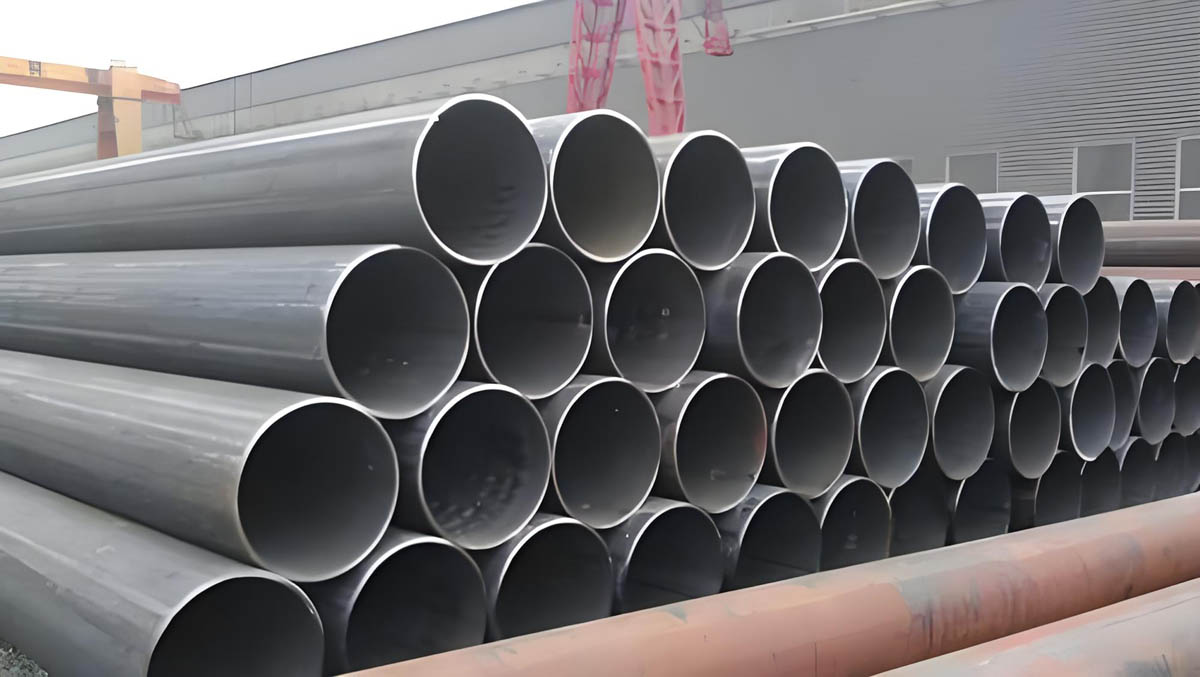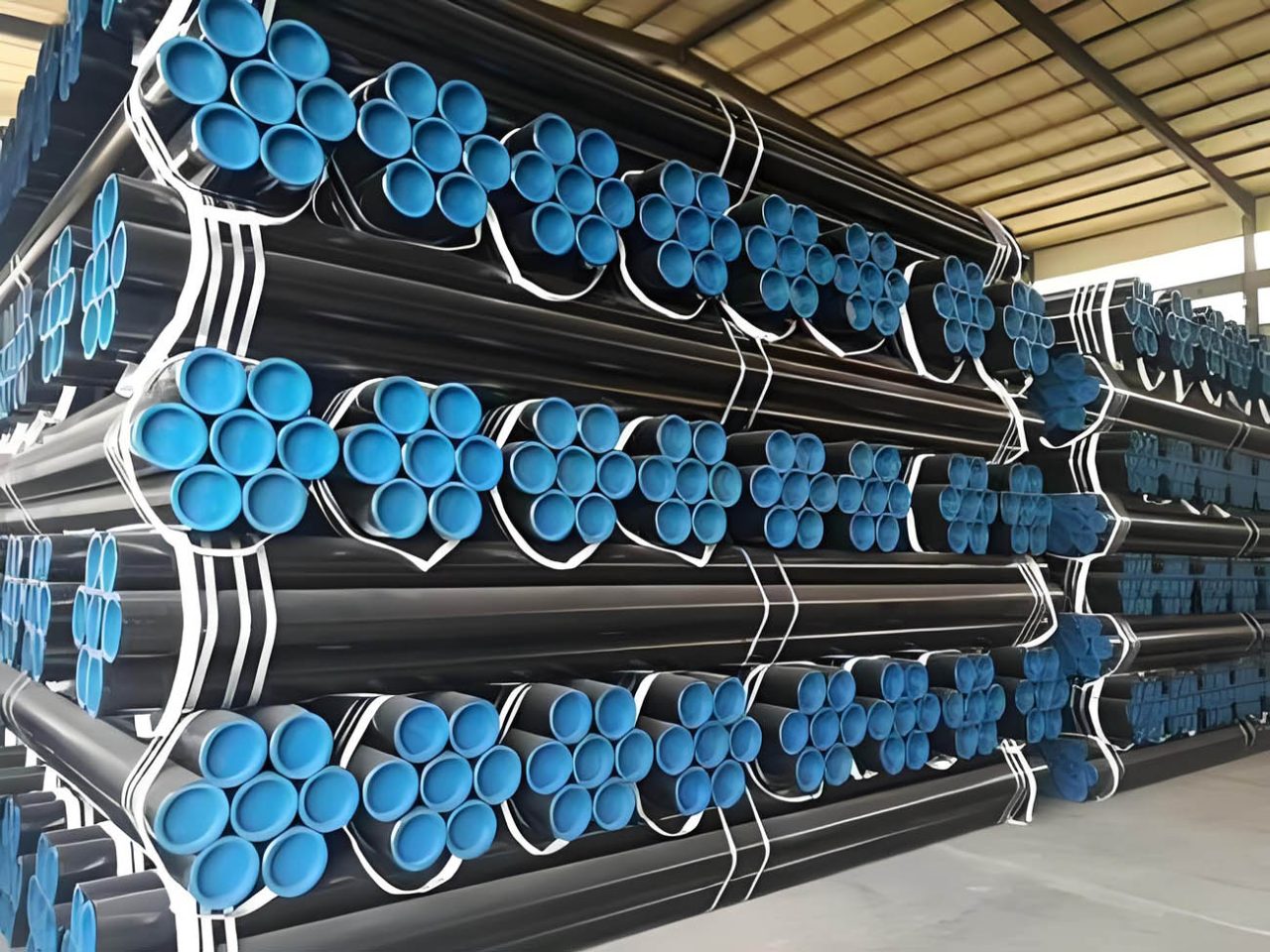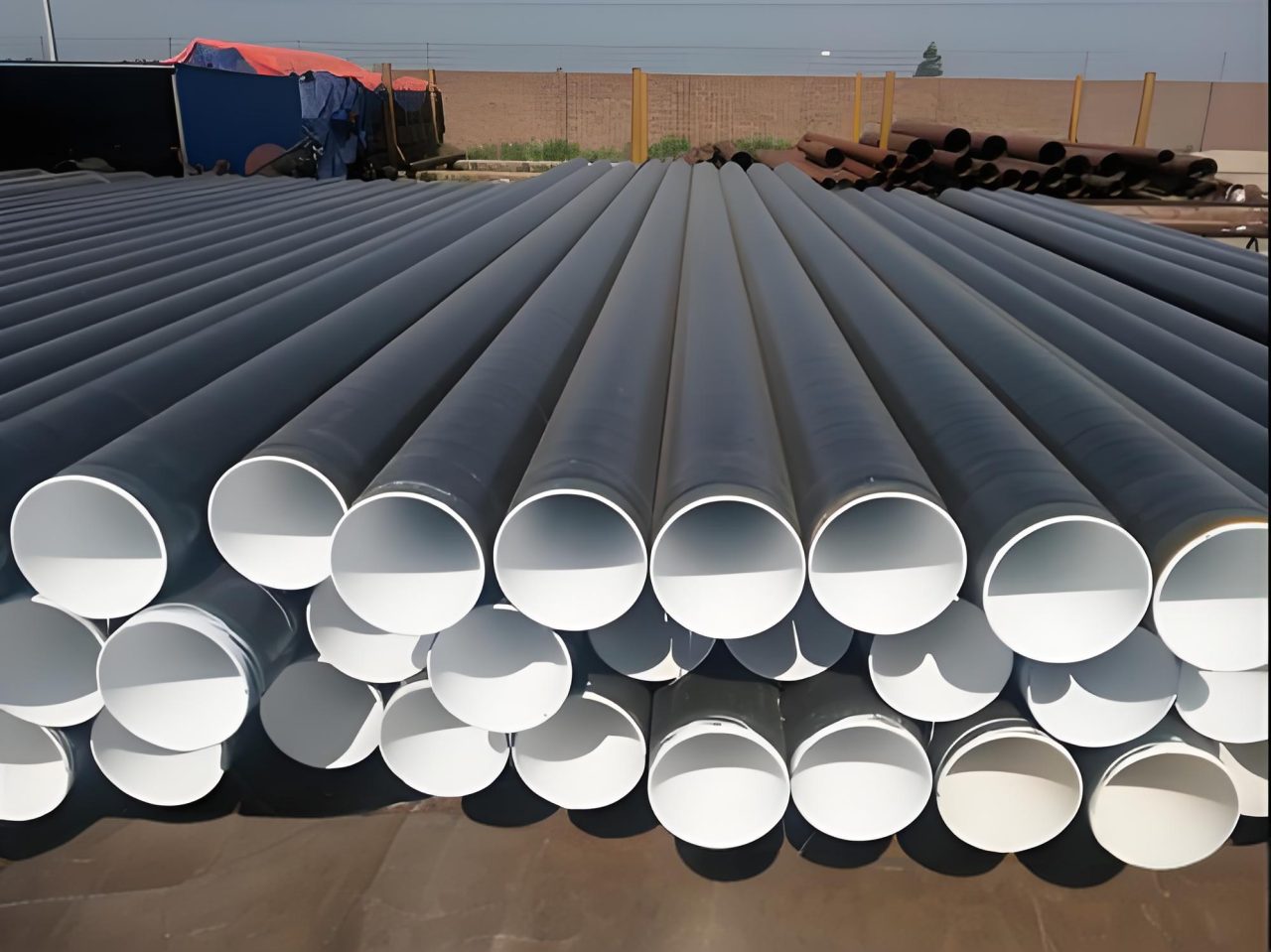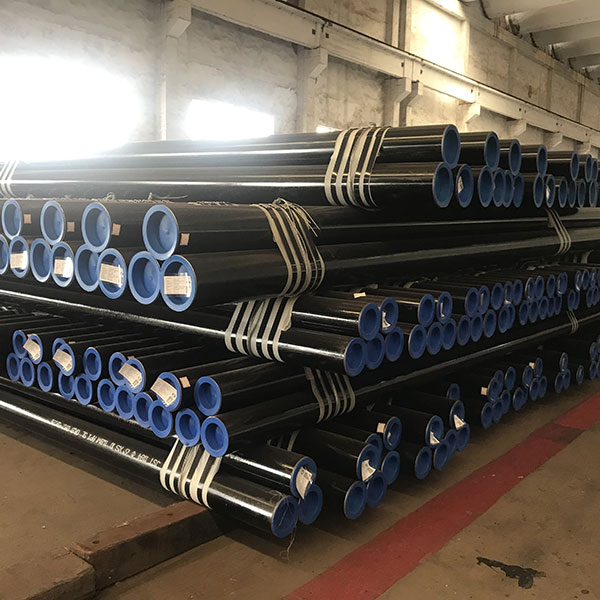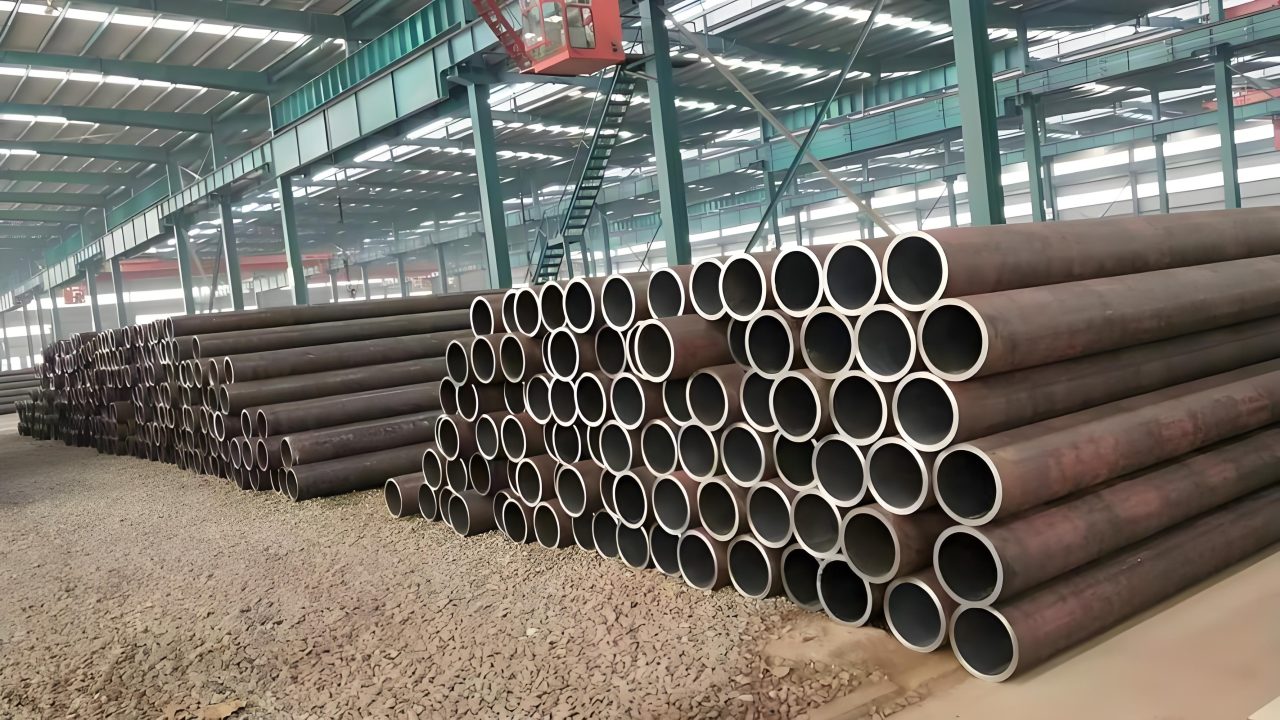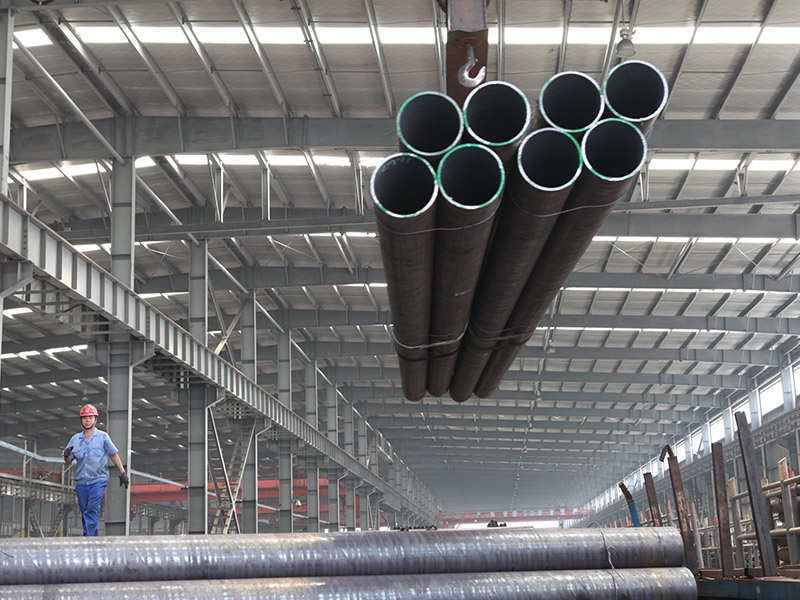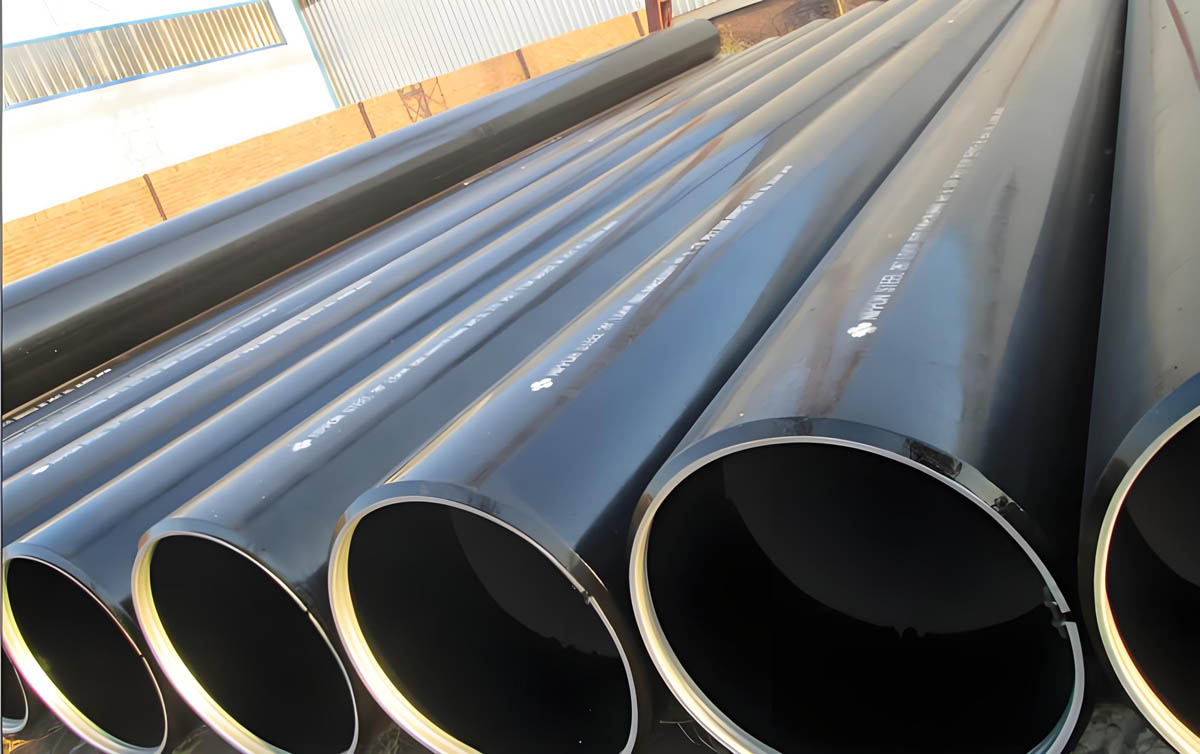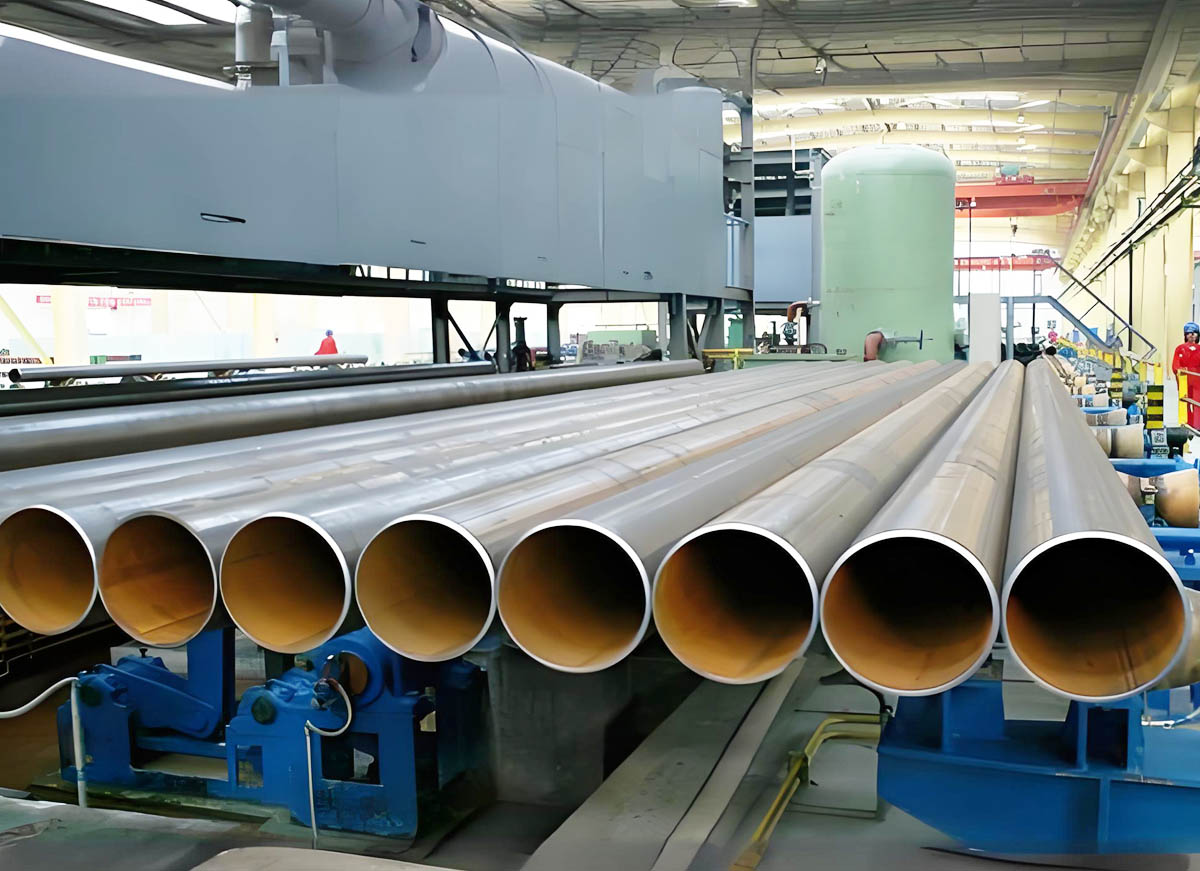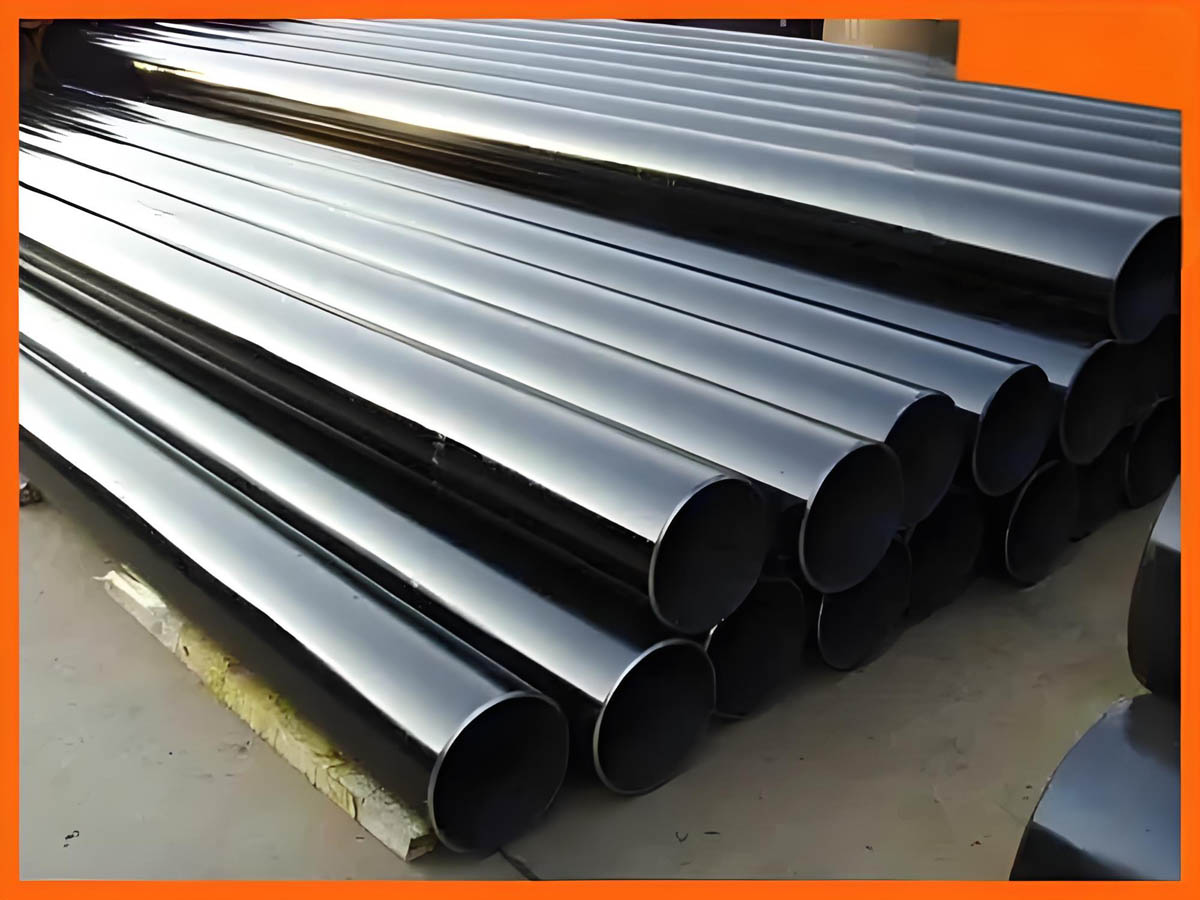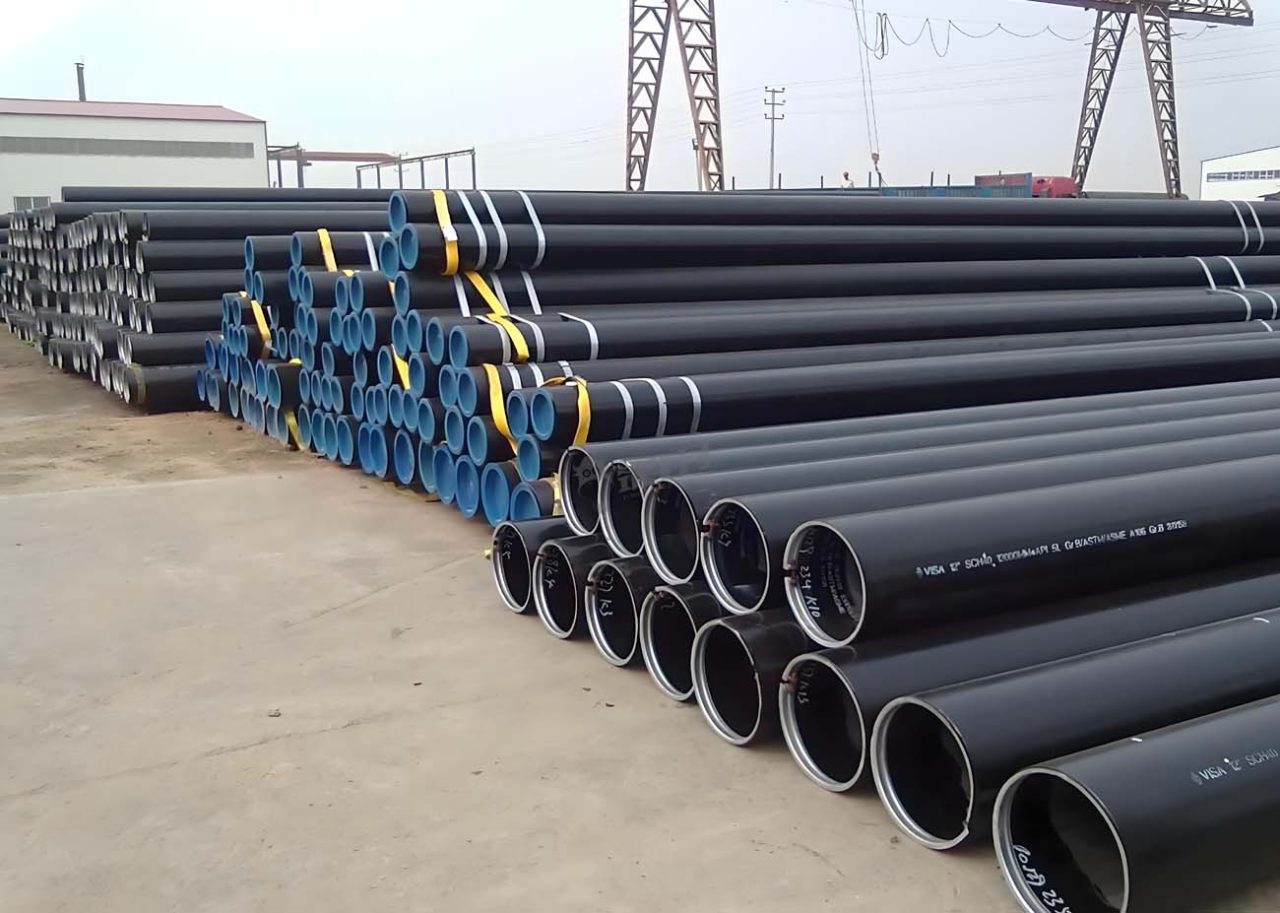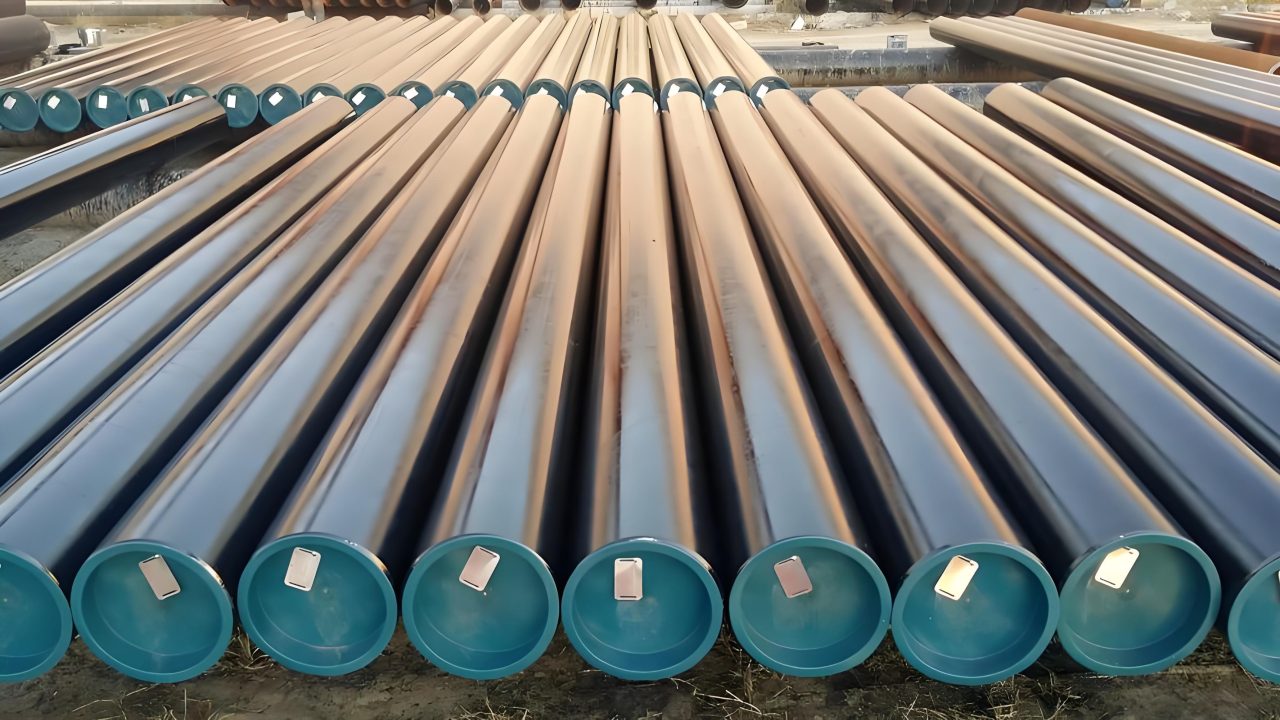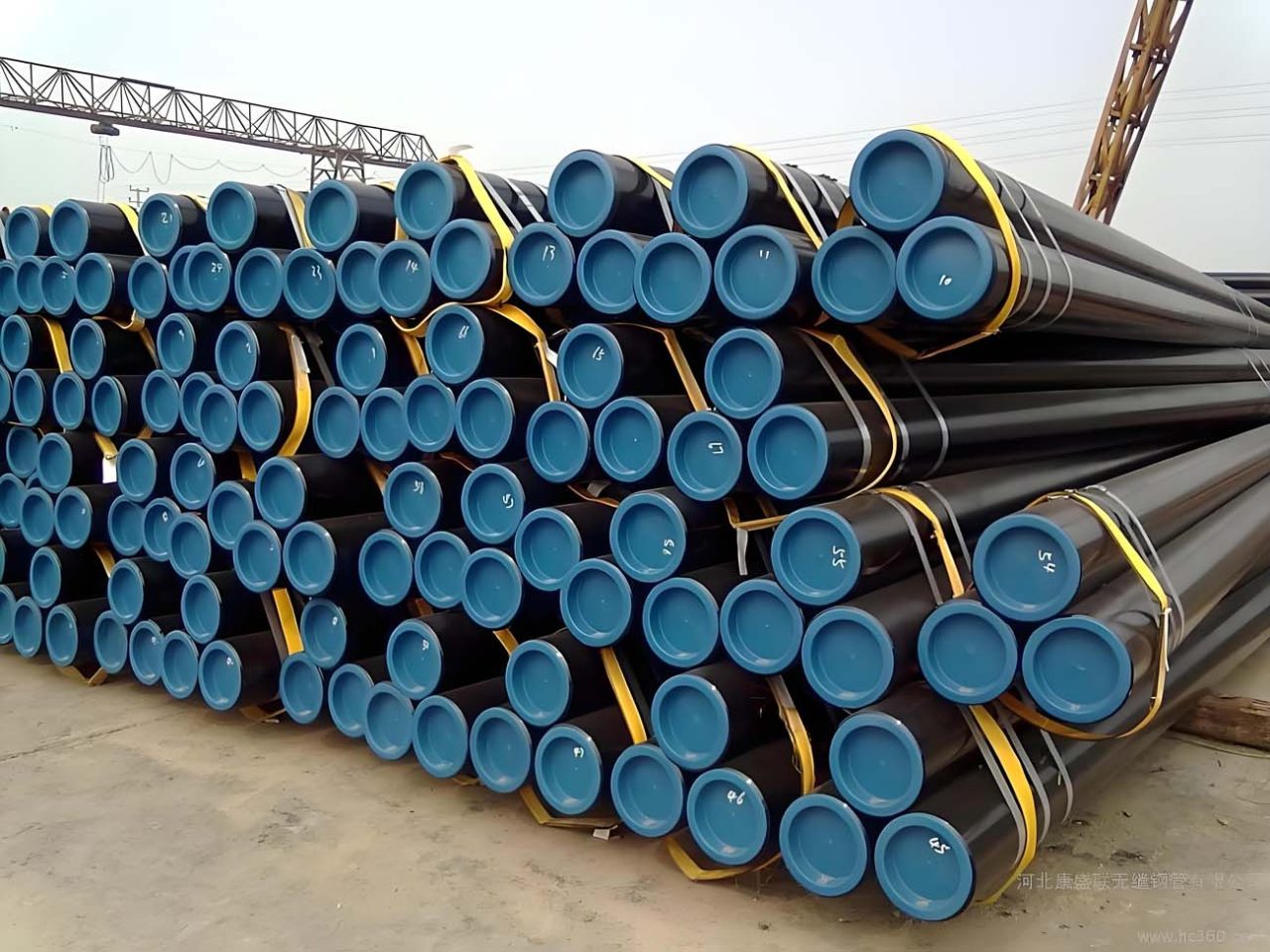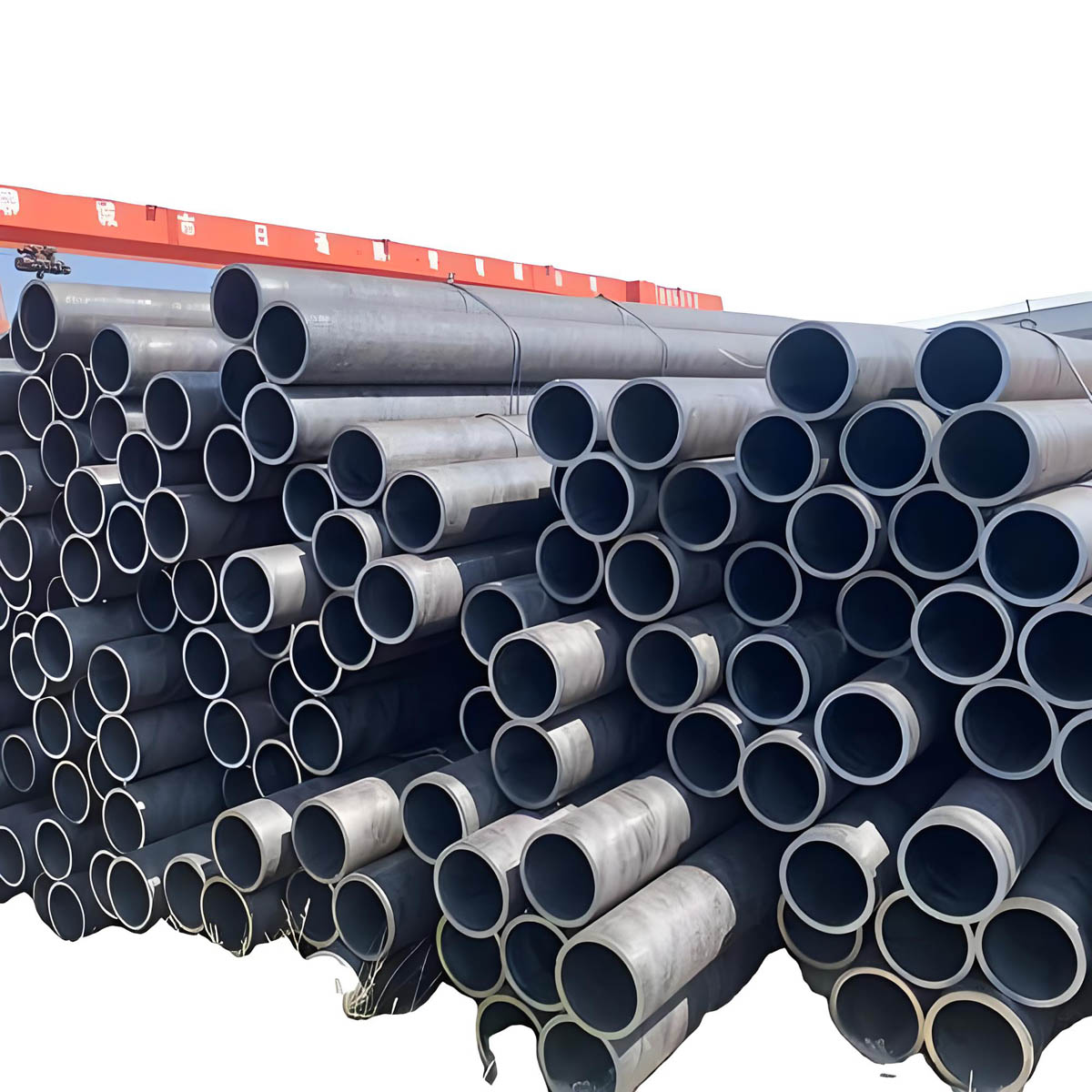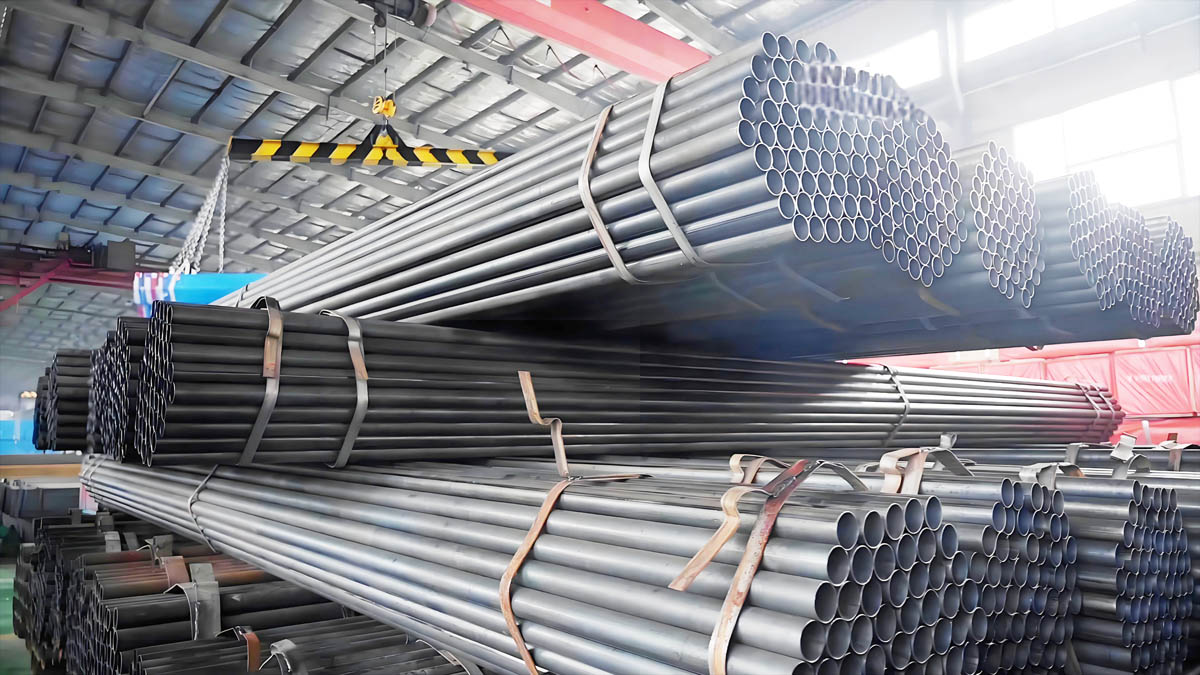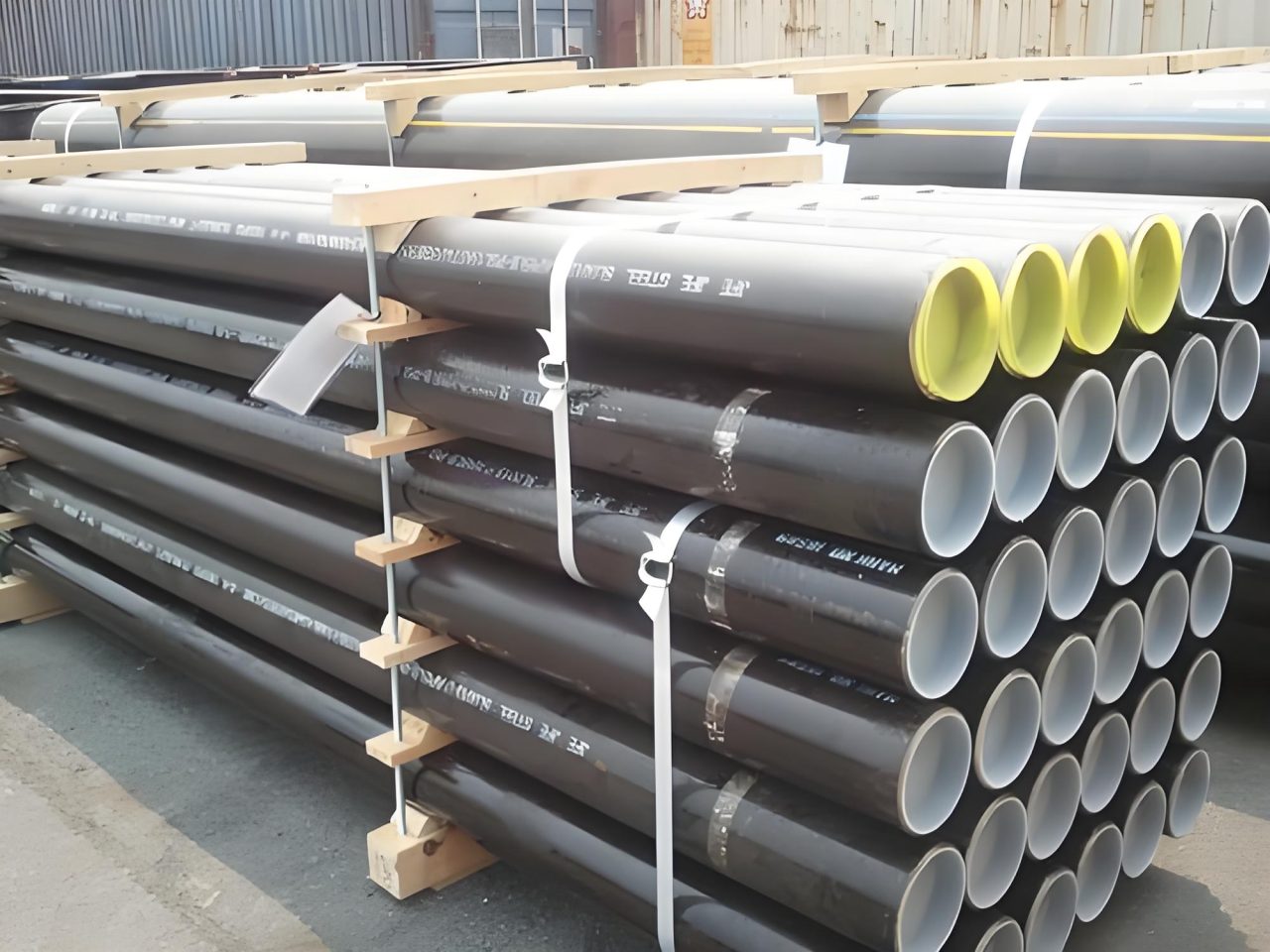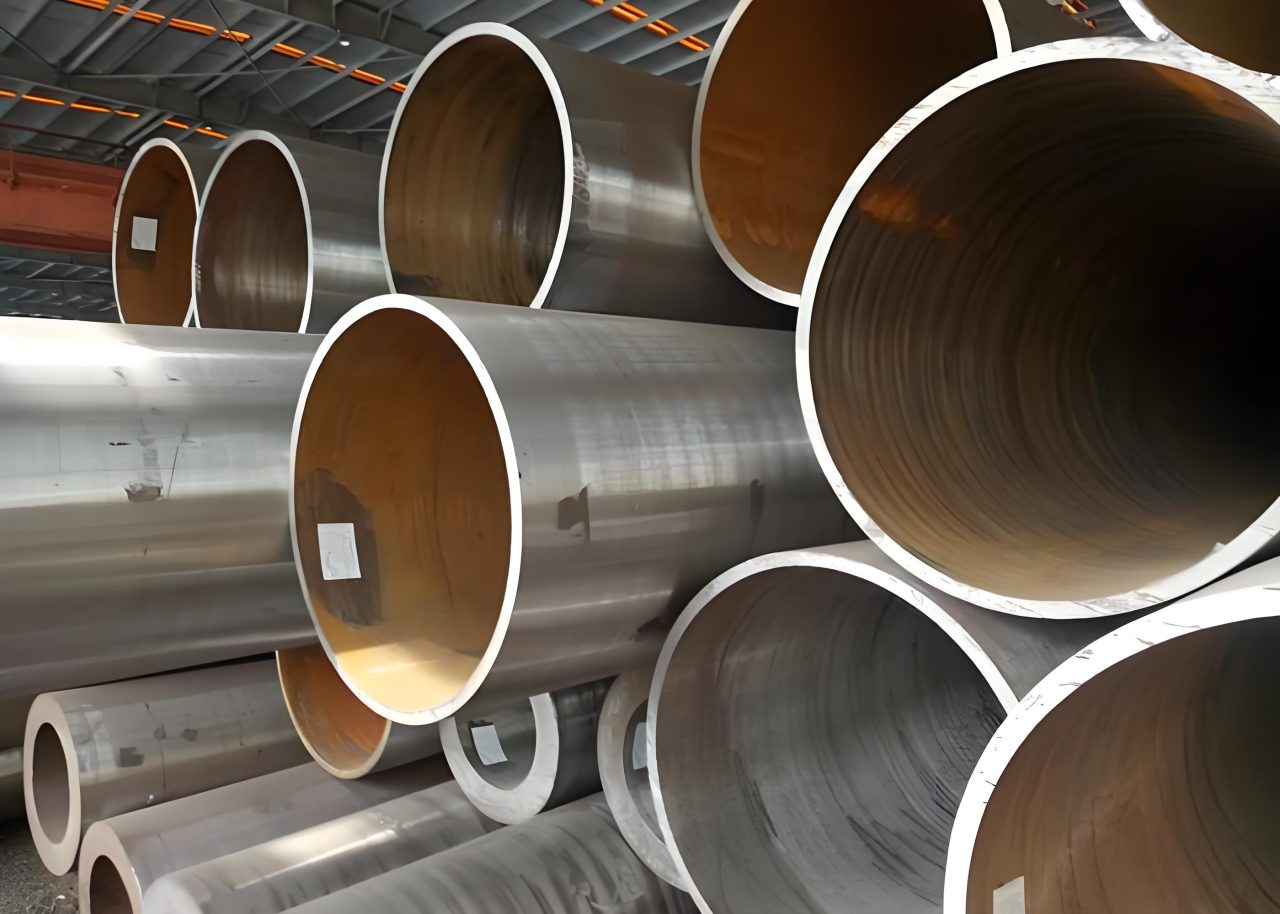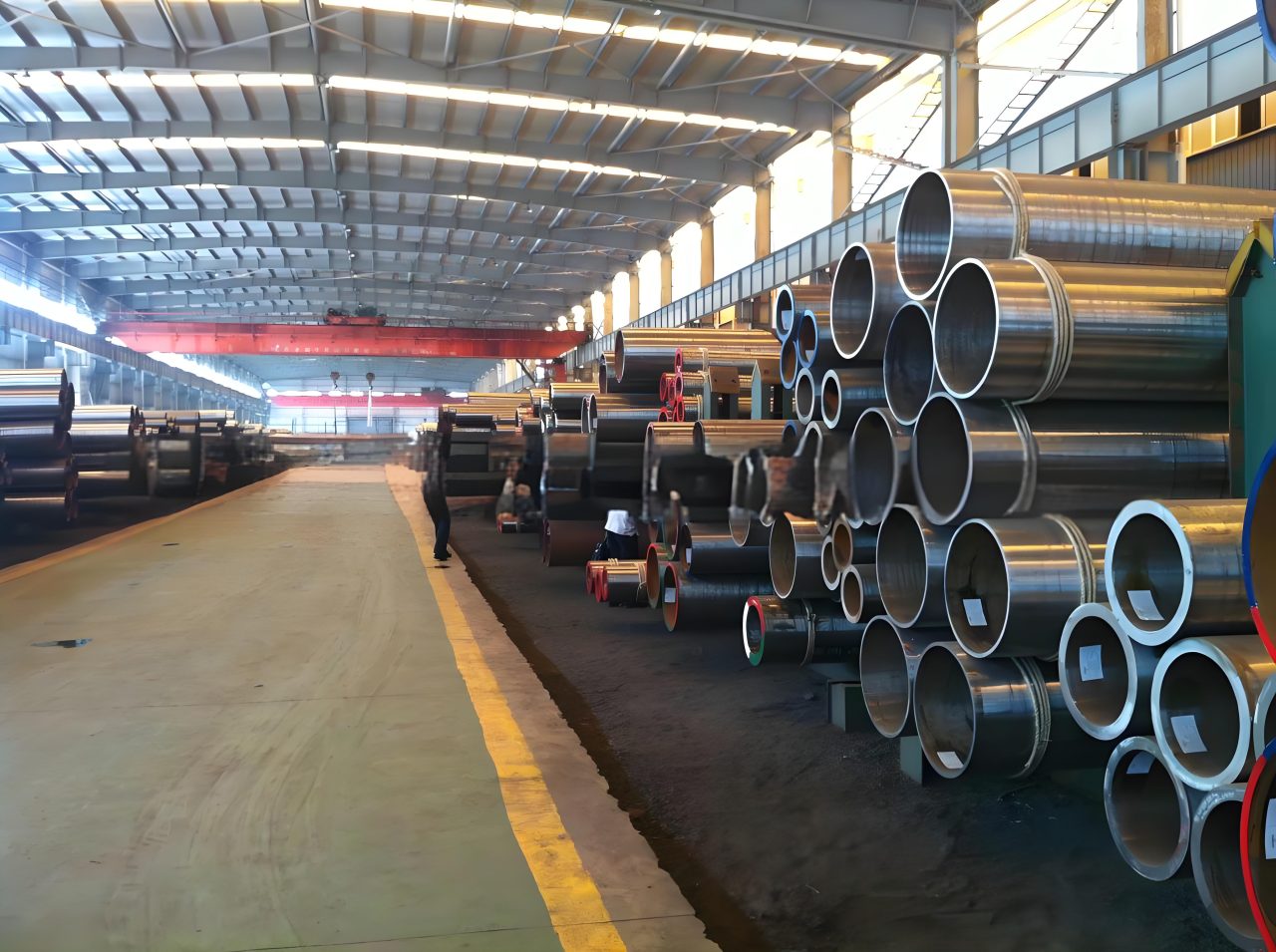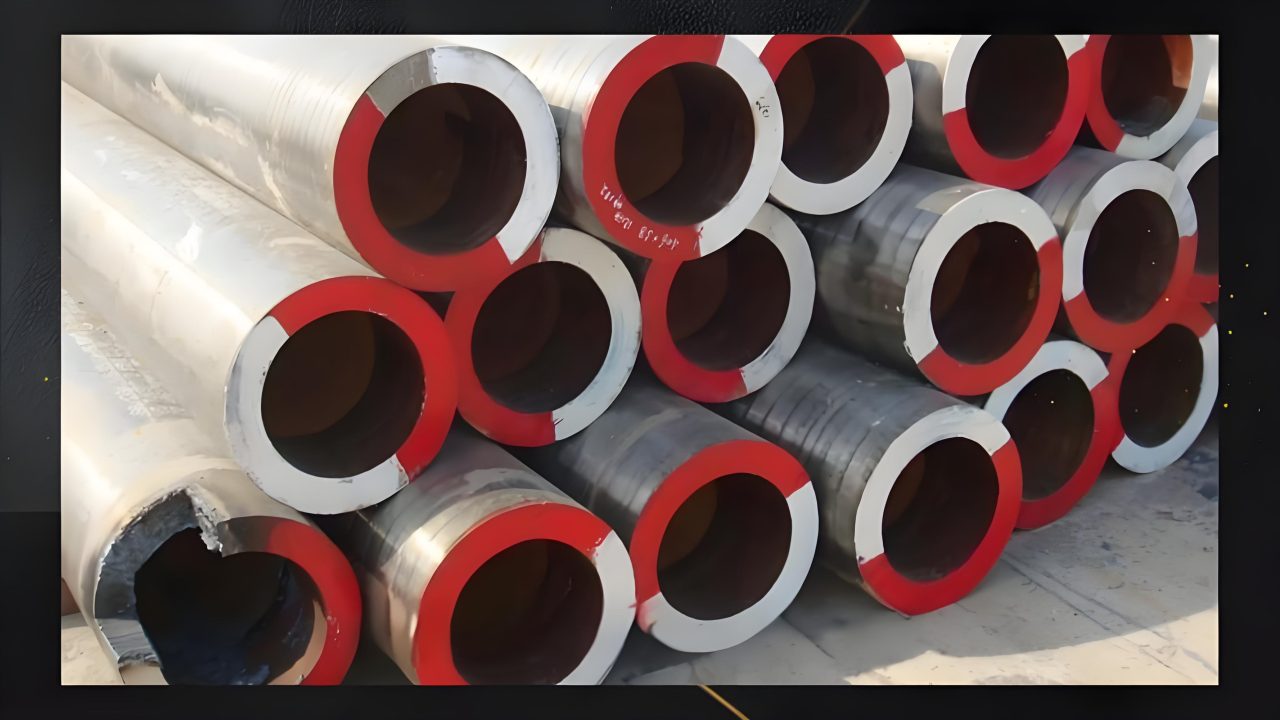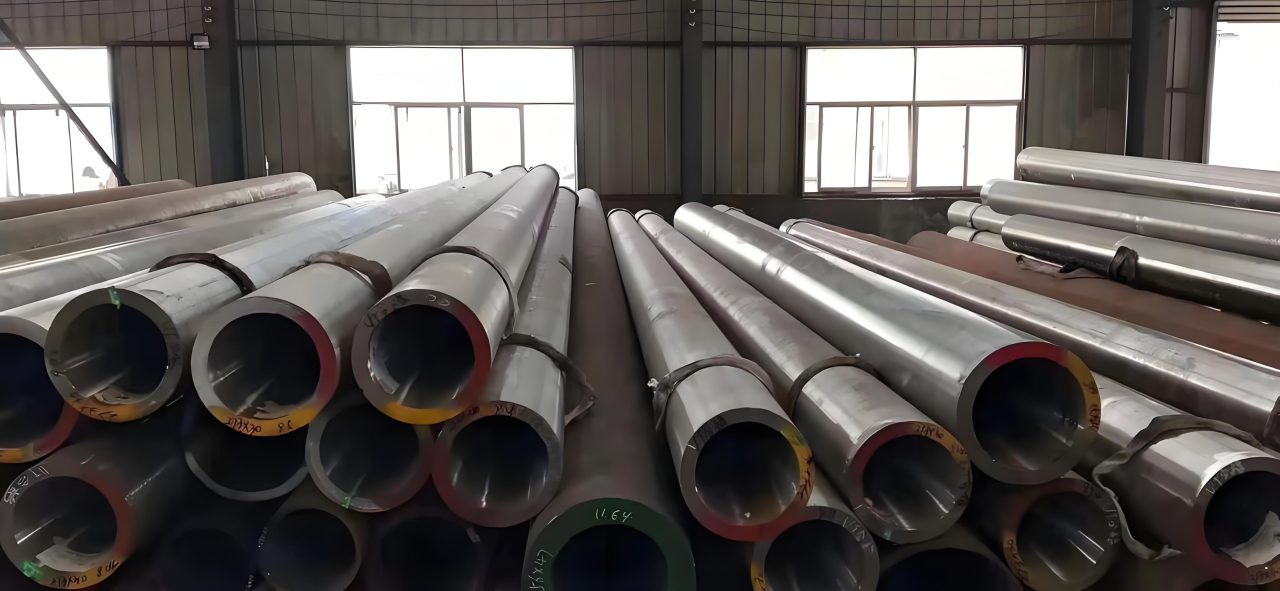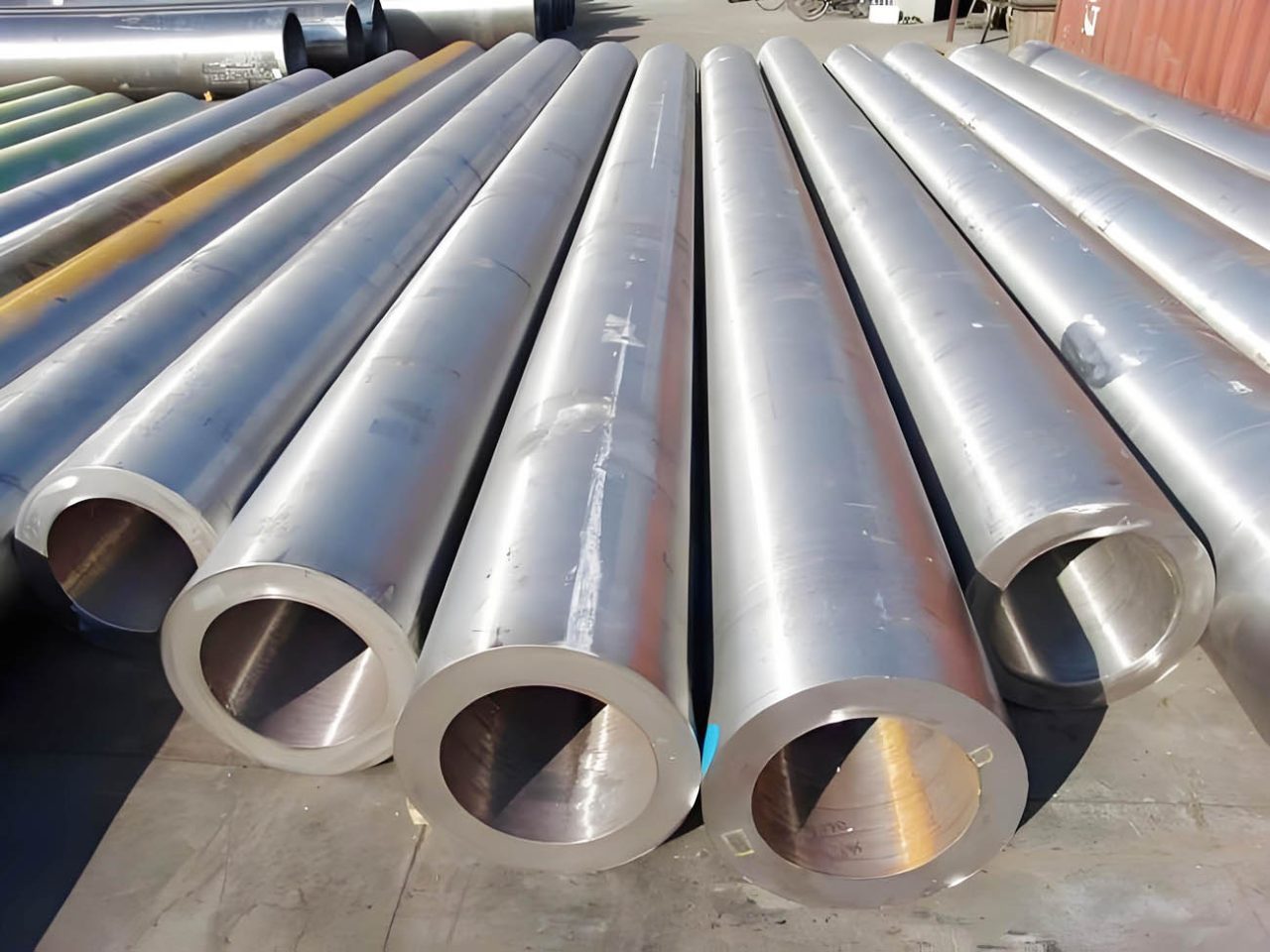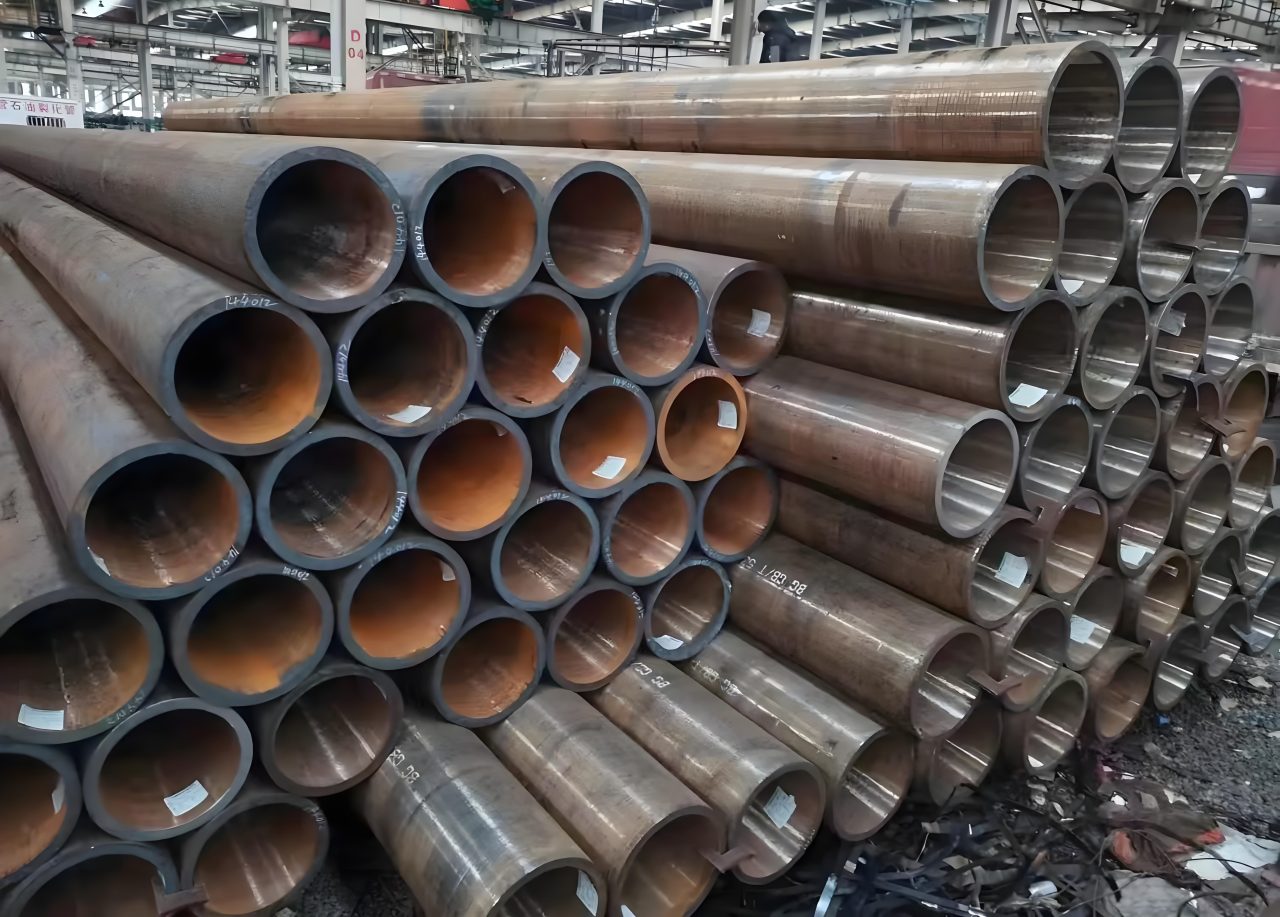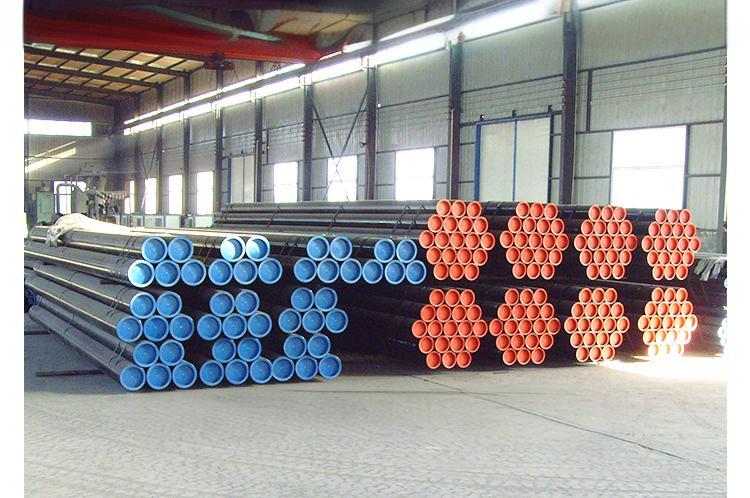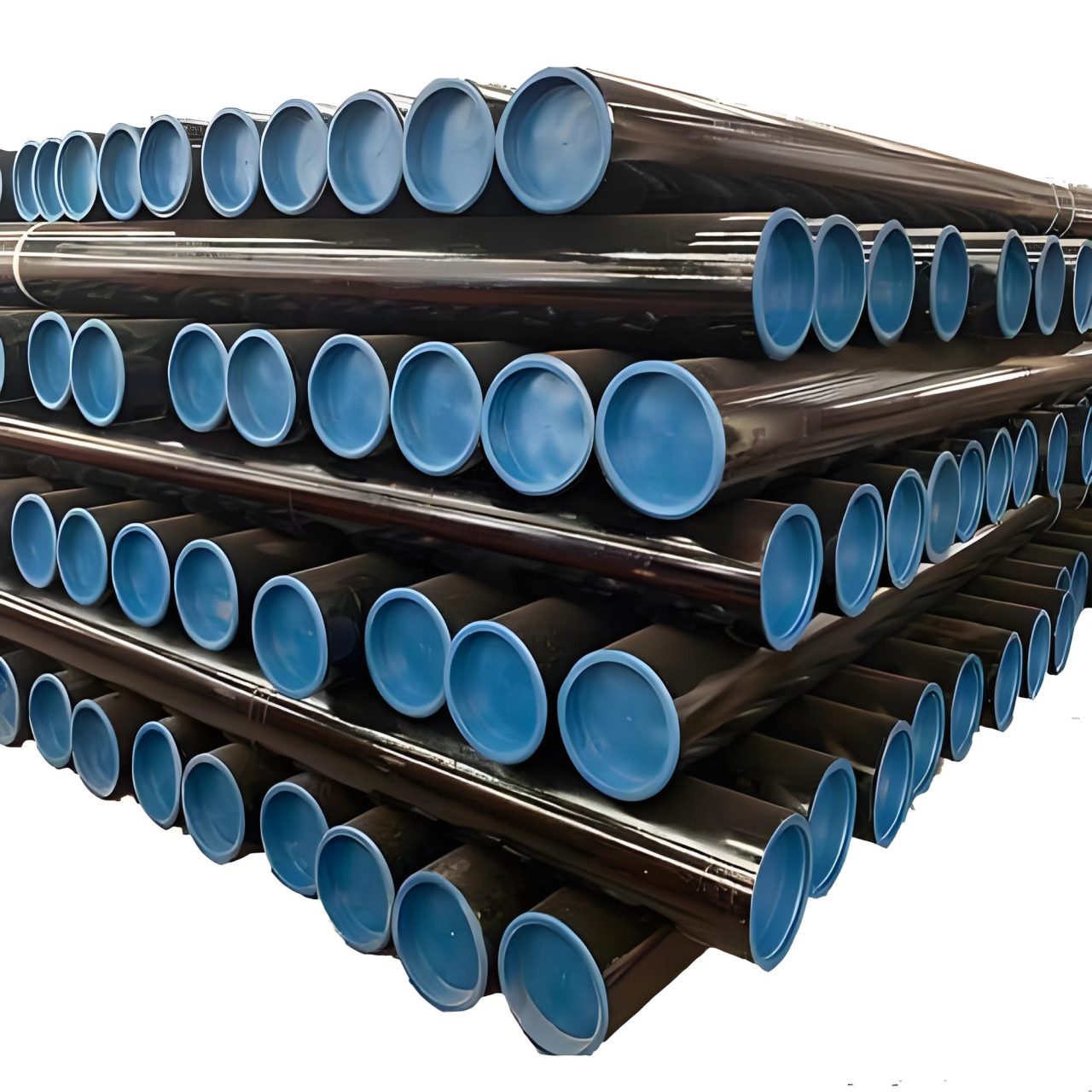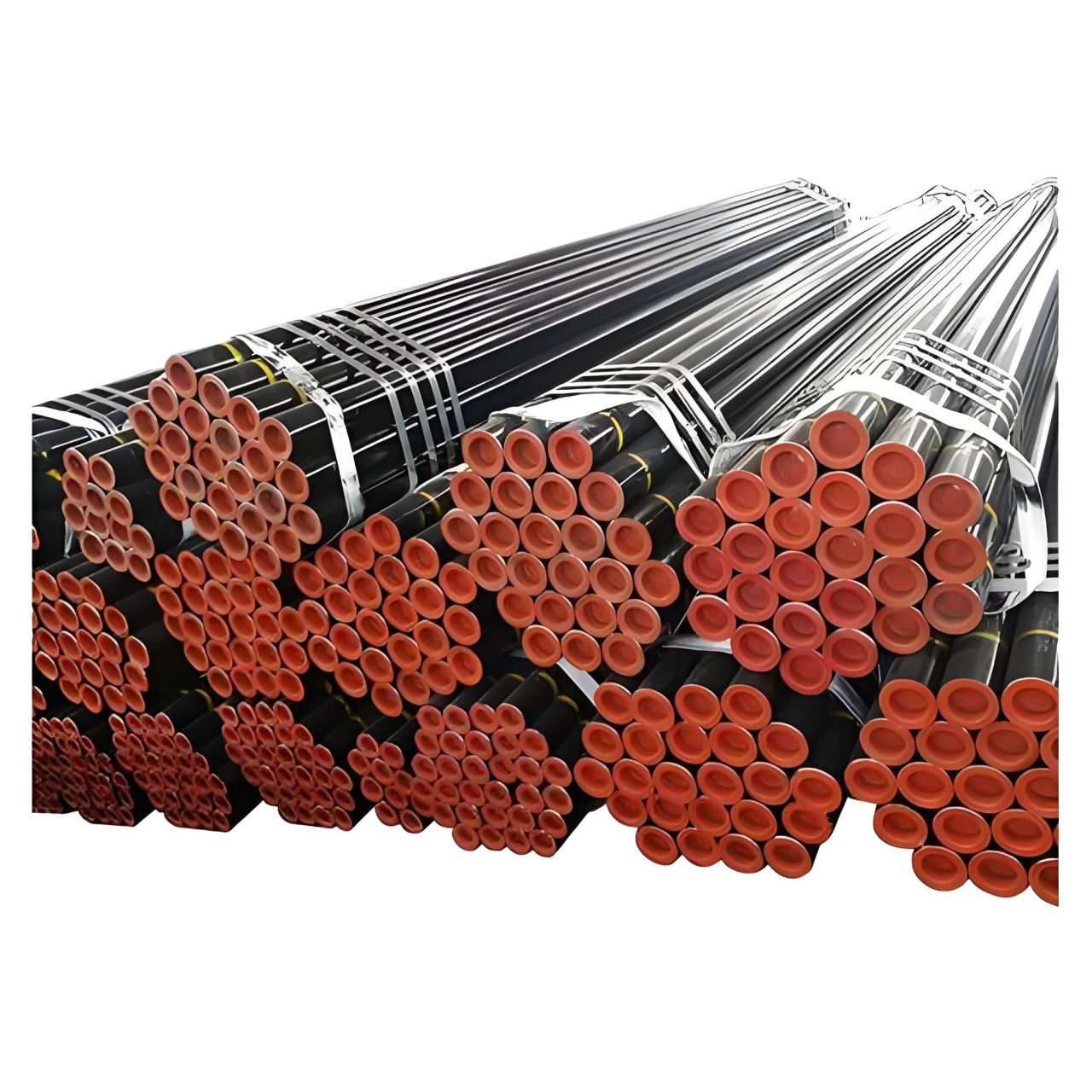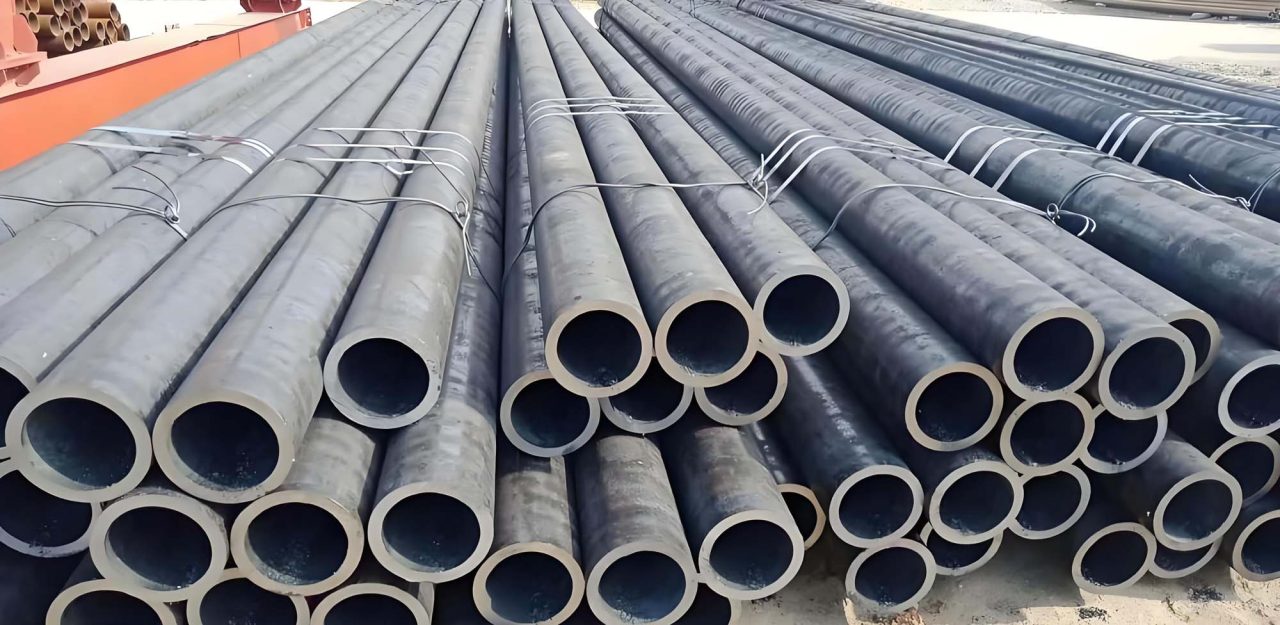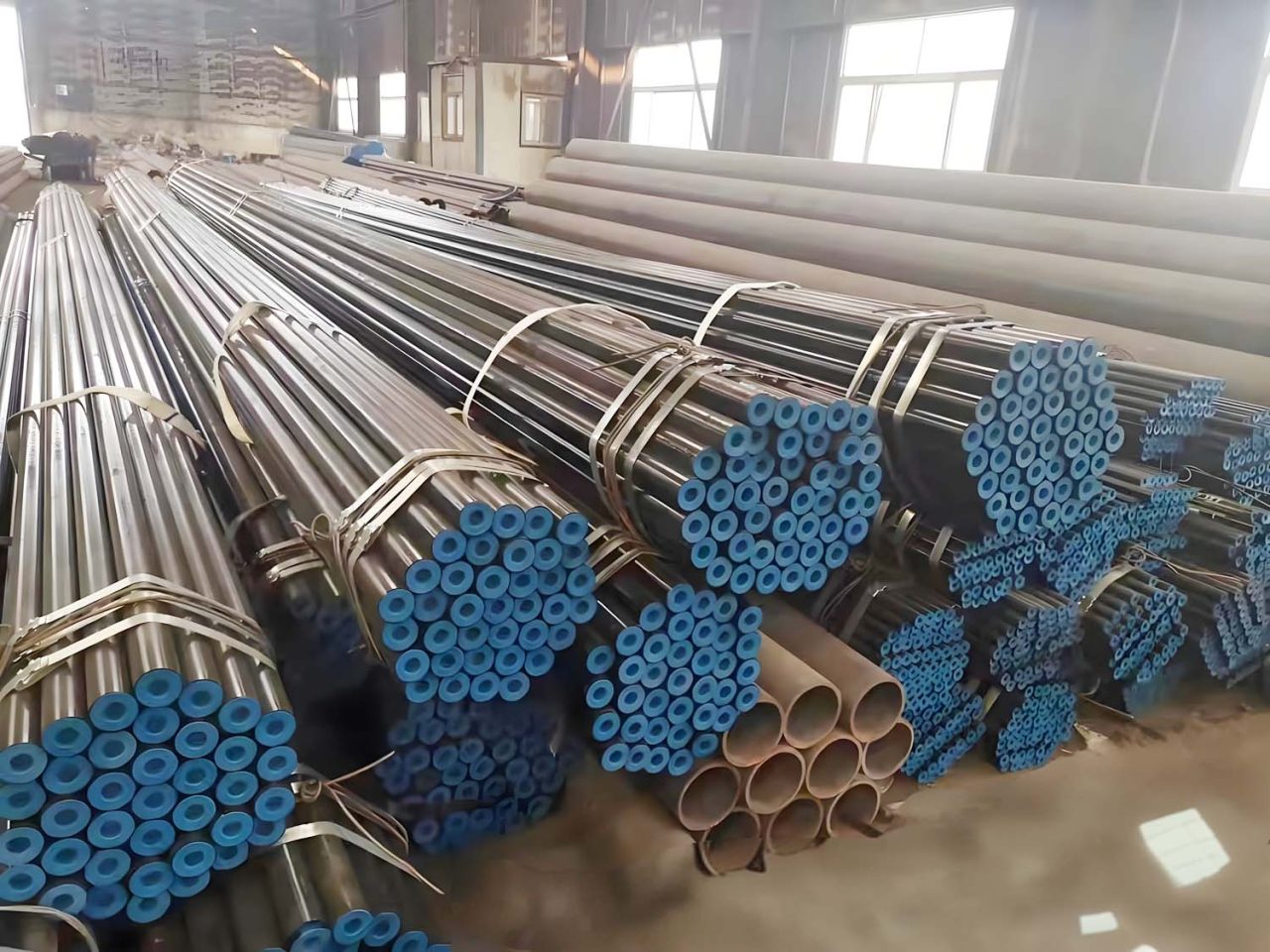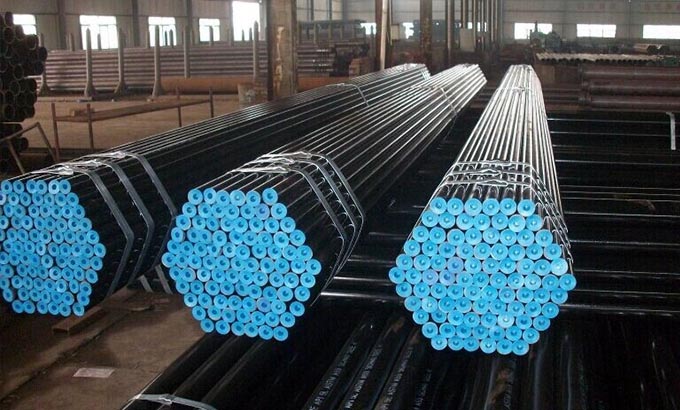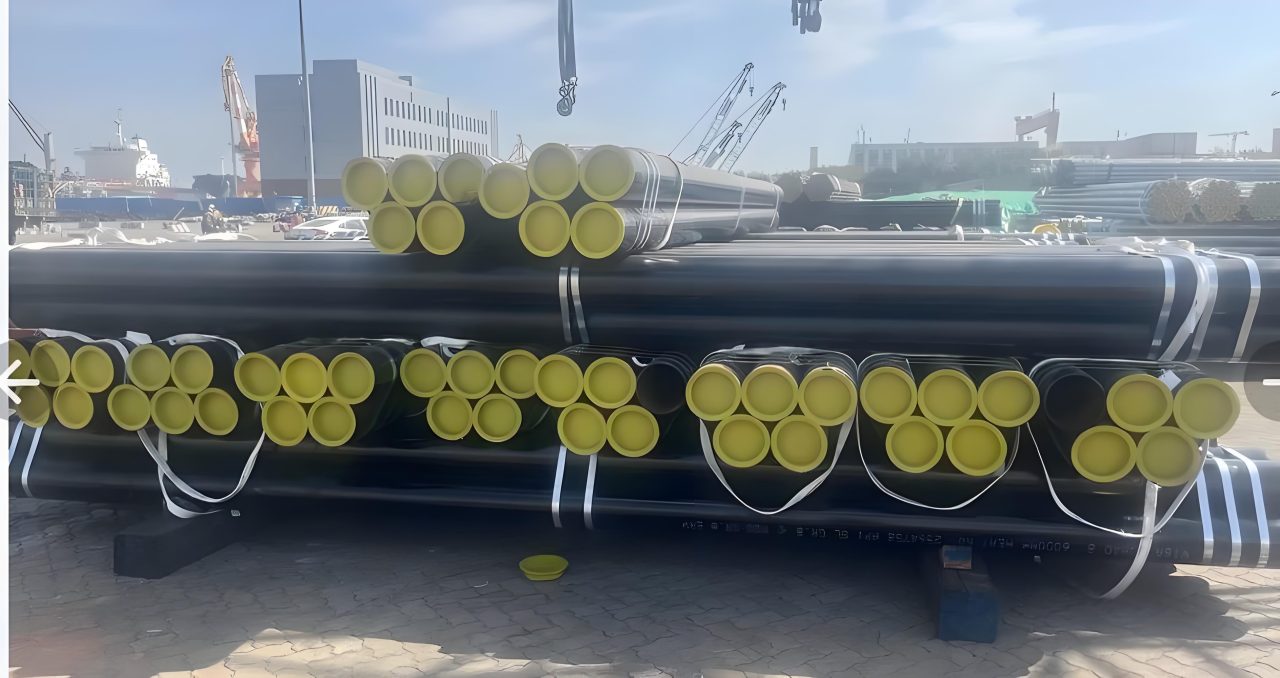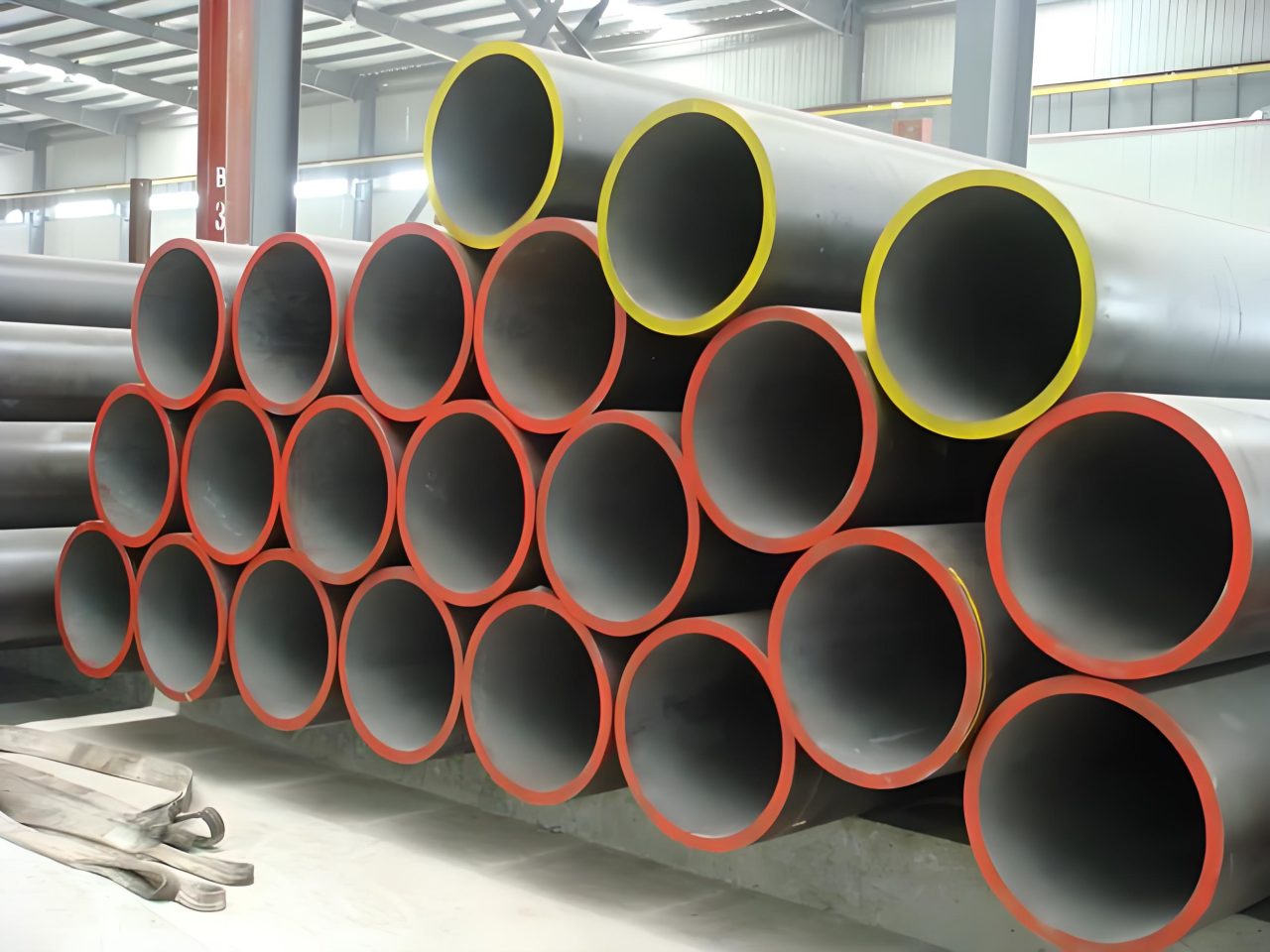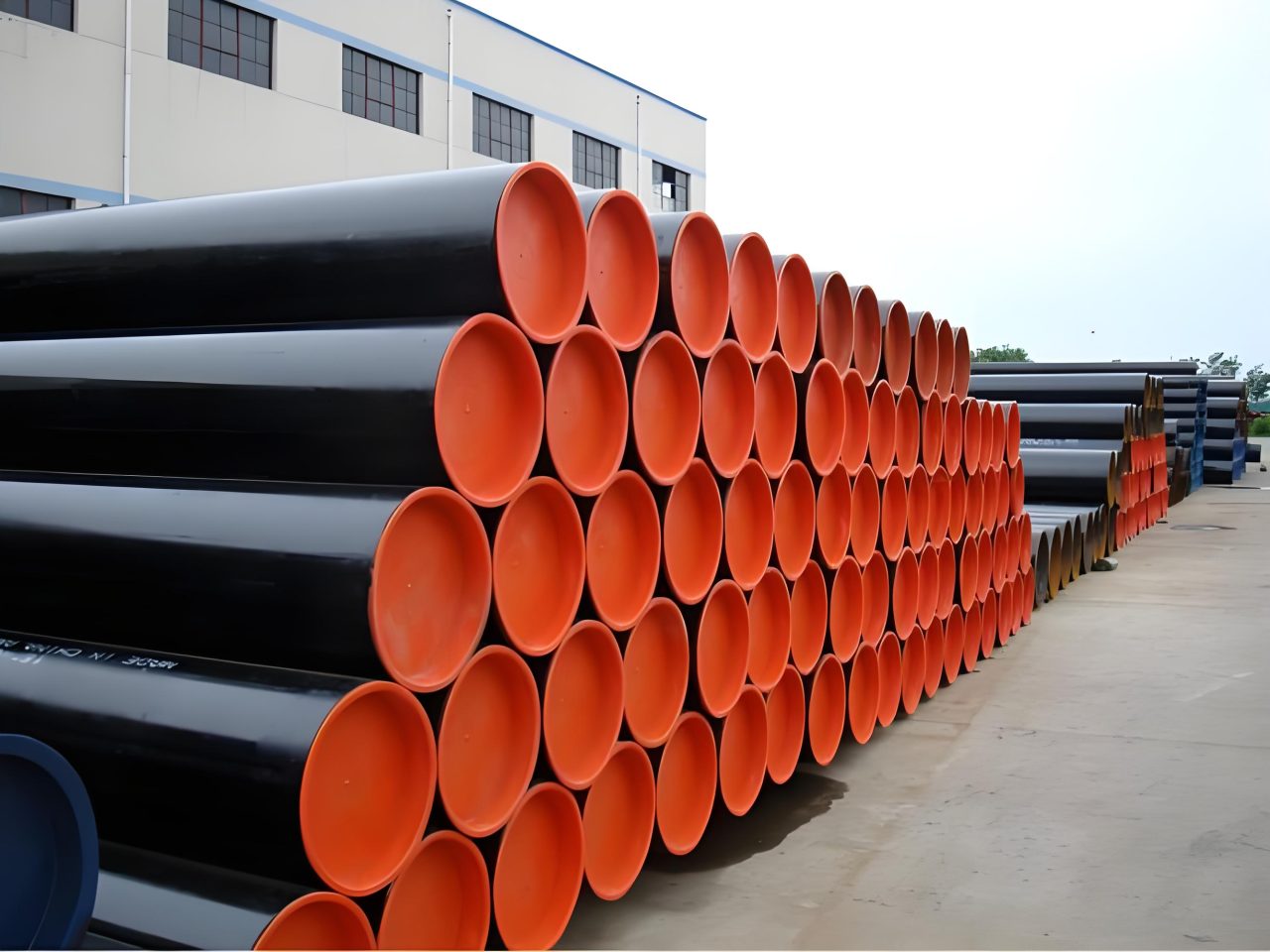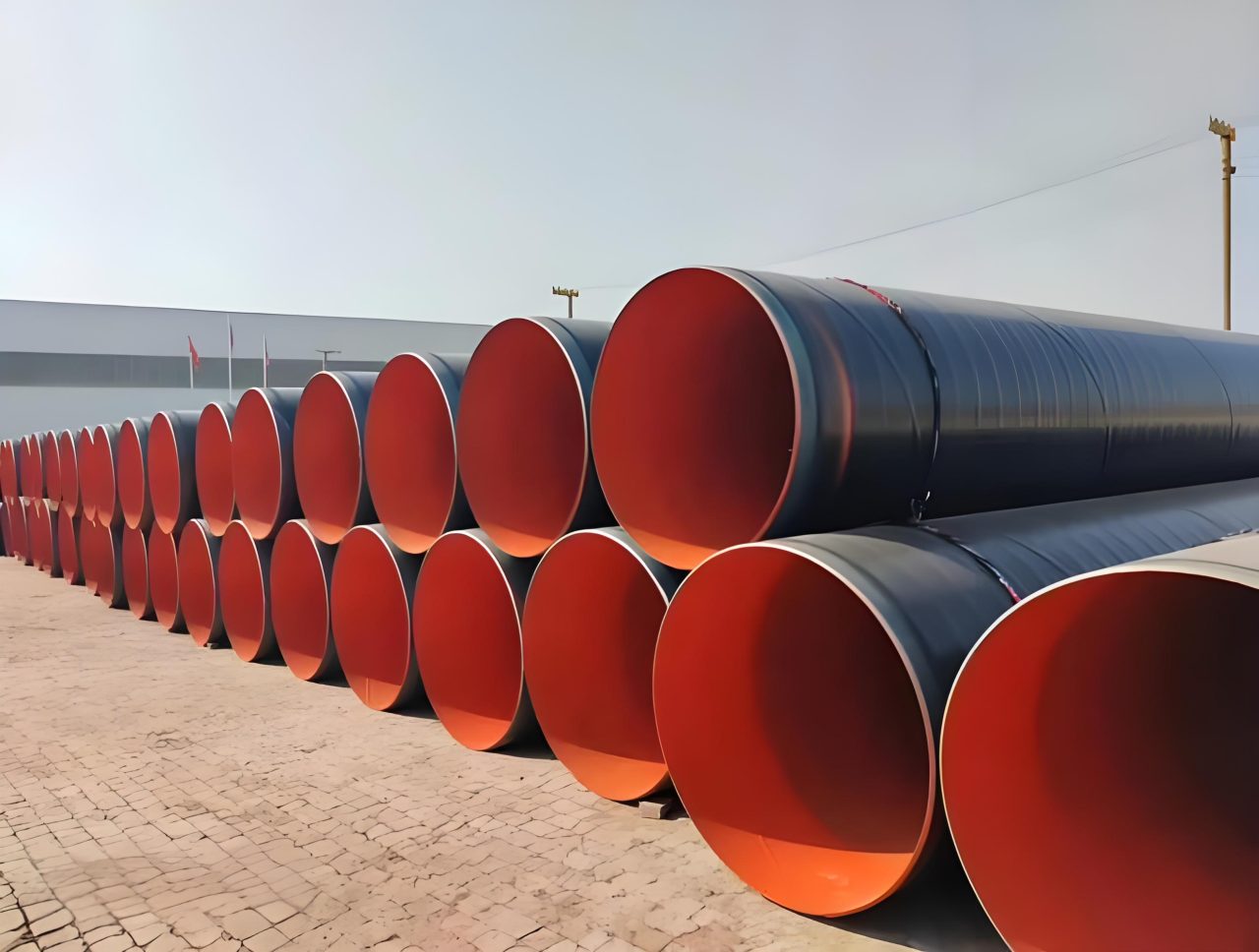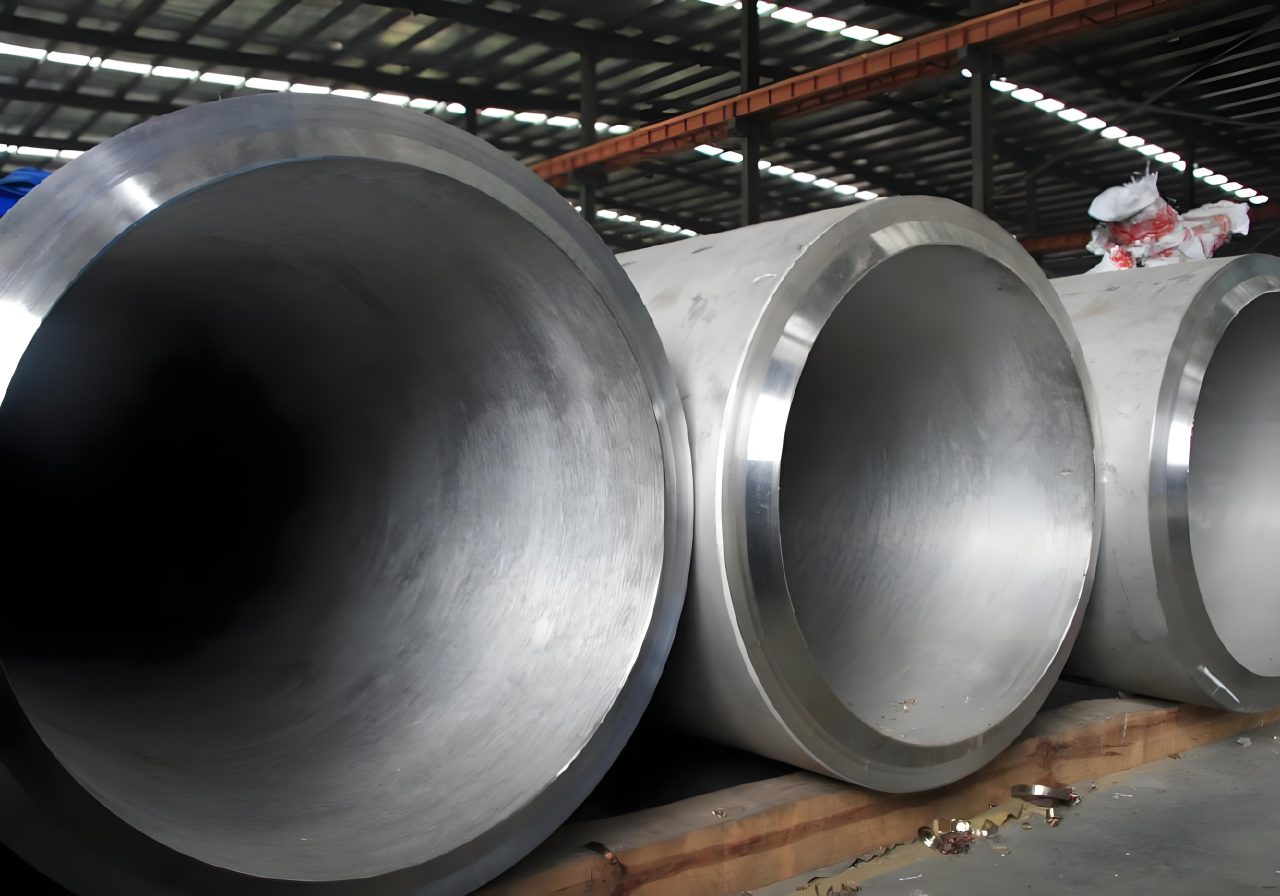
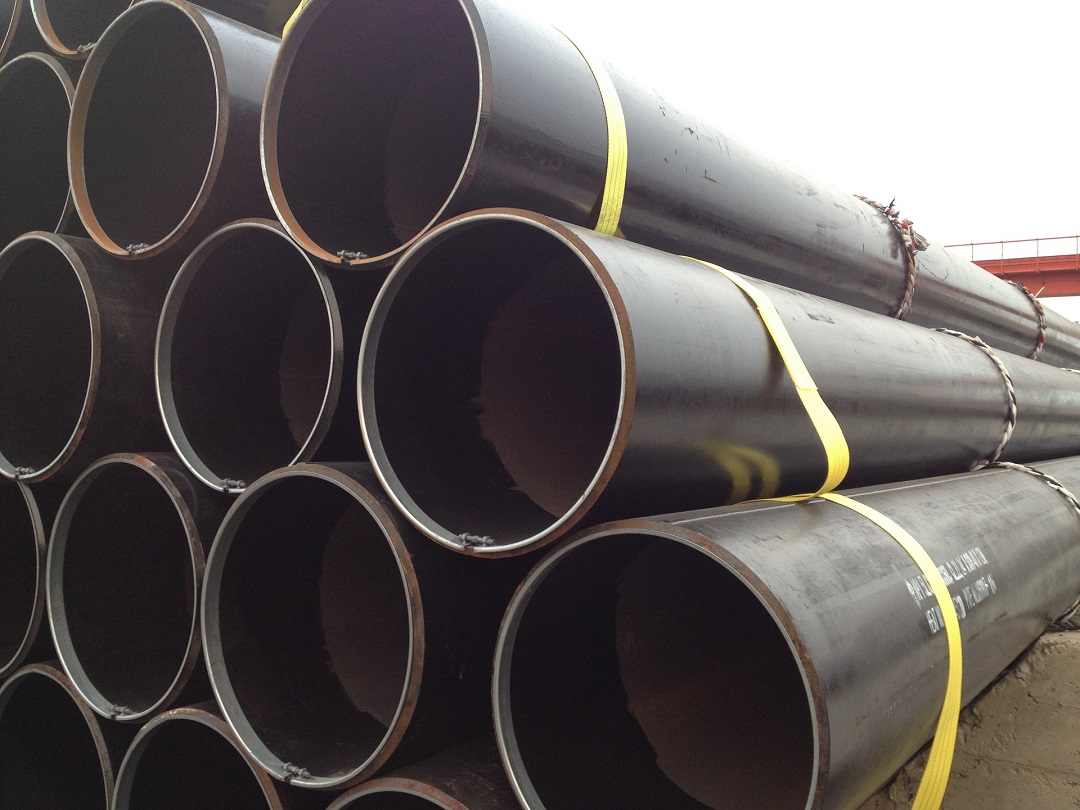
ASTM A252 LSAW and DSAW steel pipes are excellent choices for piling foundations and structural supports due to their strength, durability, and high-quality manufacturing processes.
ASTM A53 LSAW steel pipes are a reliable choice for various industrial applications due to their strength, durability, and high-quality manufacturing process. Whether used in the transportation of fluids, structural projects, or mechanical systems, these pipes provide excellent performance and long-term reliability.


DSAW pipes are an excellent choice for demanding applications due to their manufacturing precision, strength, and versatility. Whether straight or spiral welded, these pipes meet stringent industry standards and are a reliable solution for transporting fluids and gases under high pressure.


LSAW steel pipes, whether produced through UOE, JCOE (Press Bending), or JCOE (Roll Bending) methods, are integral to various industrial applications due to their high strength, dimensional accuracy, and compliance with numerous international standards. Each manufacturing process has its unique advantages, making these pipes suitable for transporting fluids and gases, as well as for use in structural and engineering projects.


ASTM A500 and A501 welded steel pipes are widely used in structural applications due to their strength, versatility, and reliability. These specifications ensure the pipes meet stringent quality and performance criteria, making them suitable for various construction and structural projects. Proper marking, certification, and testing ensure traceability and compliance, providing confidence in the use of these pipes in critical applications. By following appropriate handling, installation, and maintenance practices, the performance and longevity of ASTM A500 and A501 pipes can be effectively managed.
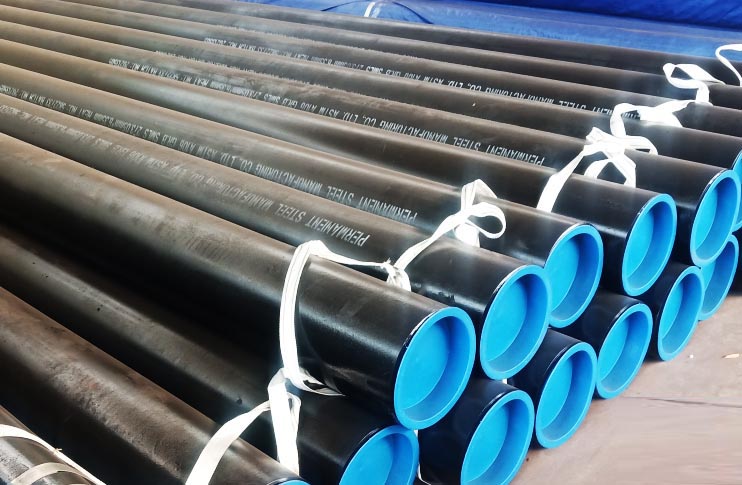


With abtersteel company commitment to adhering to the EN 10217-1 standard and its dedication to producing top-notch ERW welded pipes, customers can be confident in the performance and durability of the products they acquire. By choosing Baolai, industries can access a wide range of specifications and sizes to meet their specific project requirements.


The EN 10219 standard specifies the technical delivery conditions for cold-formed welded structural hollow sections of non-alloy and fine grain steels. Below are the specifications for various grades, including S235J0H, S275J0H, S275JRH, S275J2H, S355J0H, S355JRH, and S355J2H.


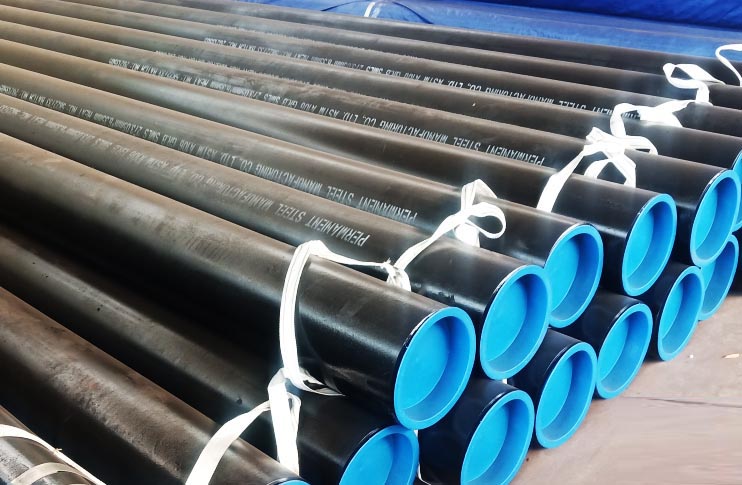
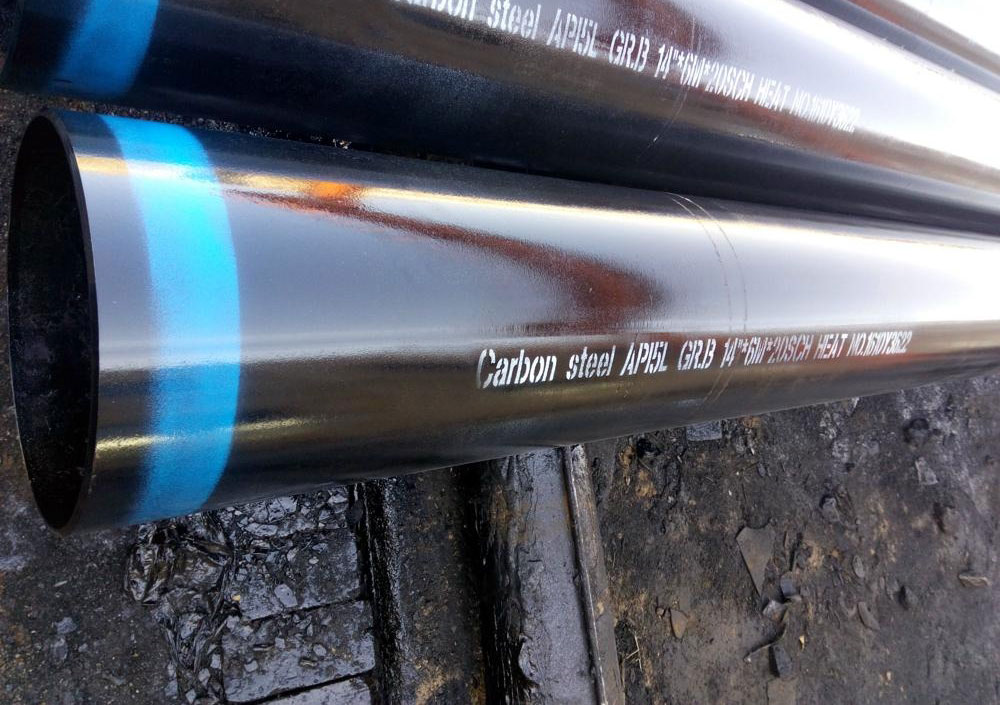
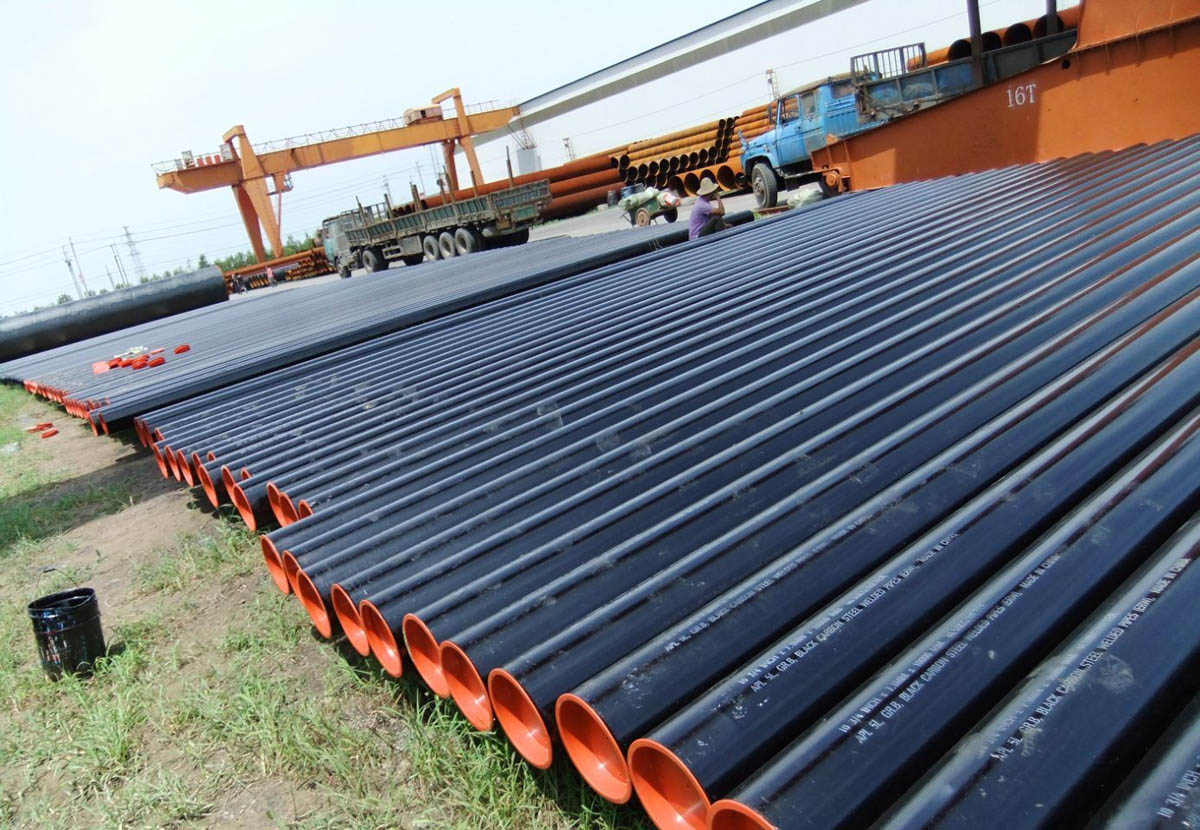
The API 5L specification covers seamless and welded steel line pipes for the petroleum and natural gas industries. The pipes are suitable for conveying gas, water, and oil. Electric-Resistance-Welded (ERW) pipes are one of the types specified under API 5L.


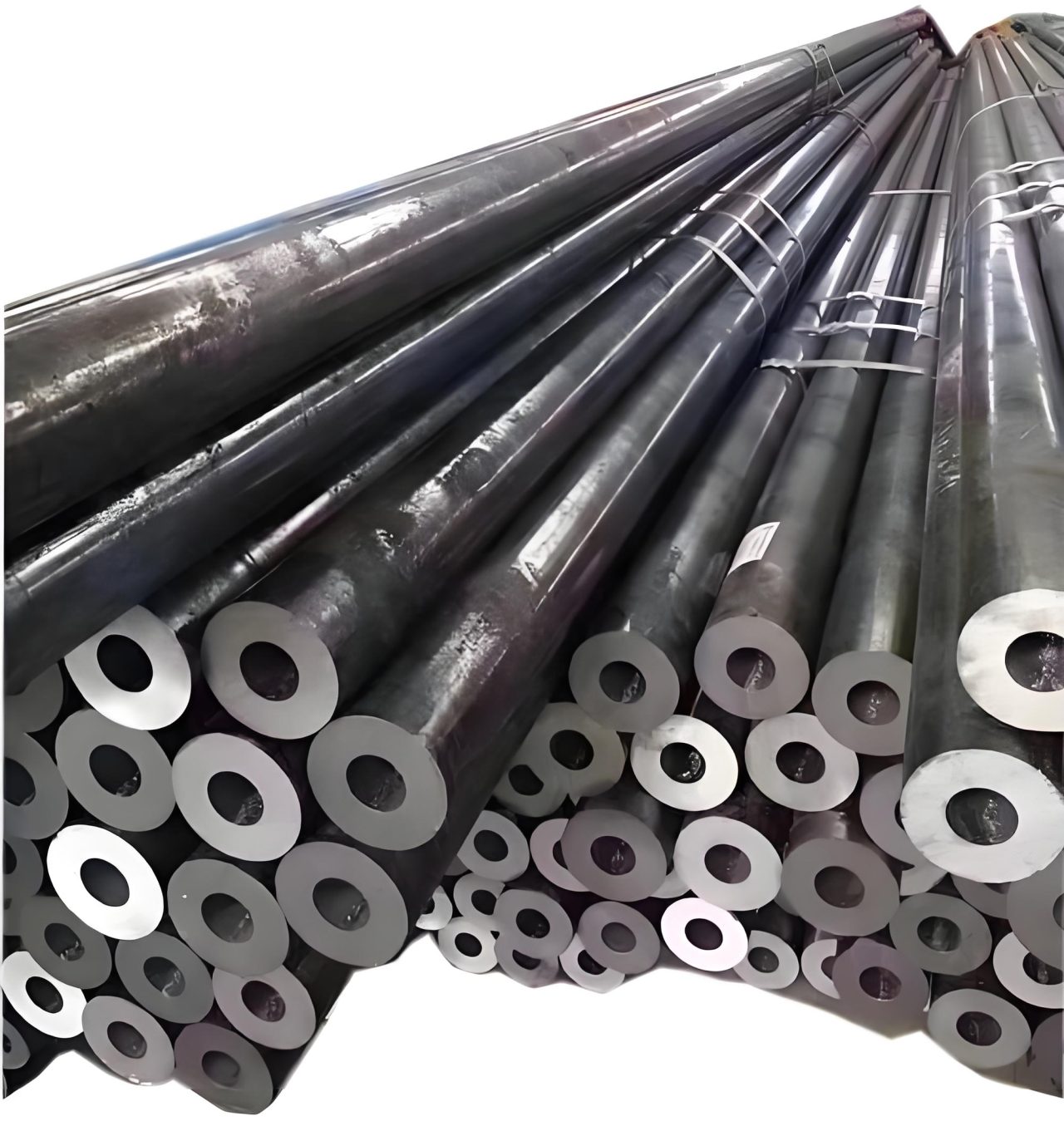
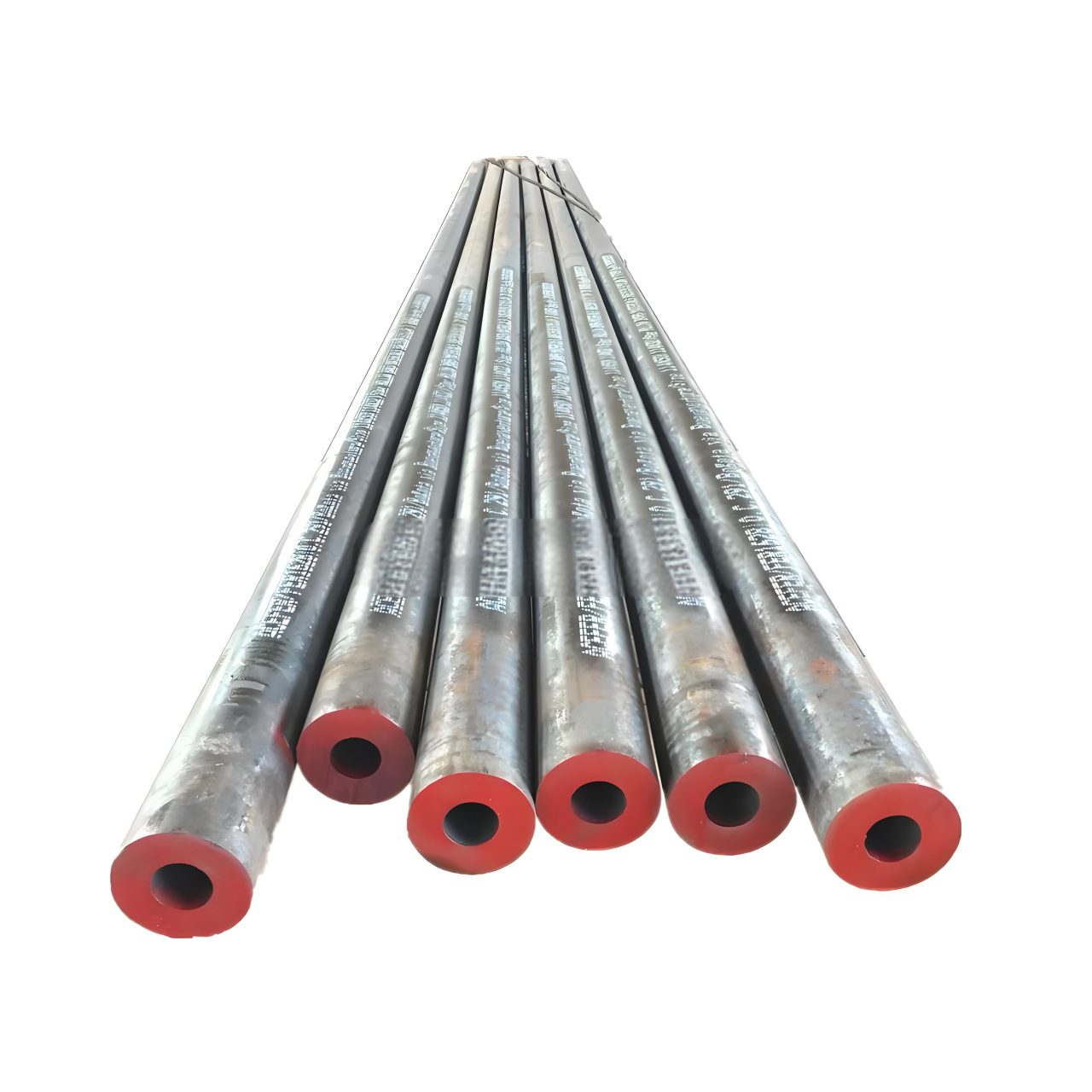
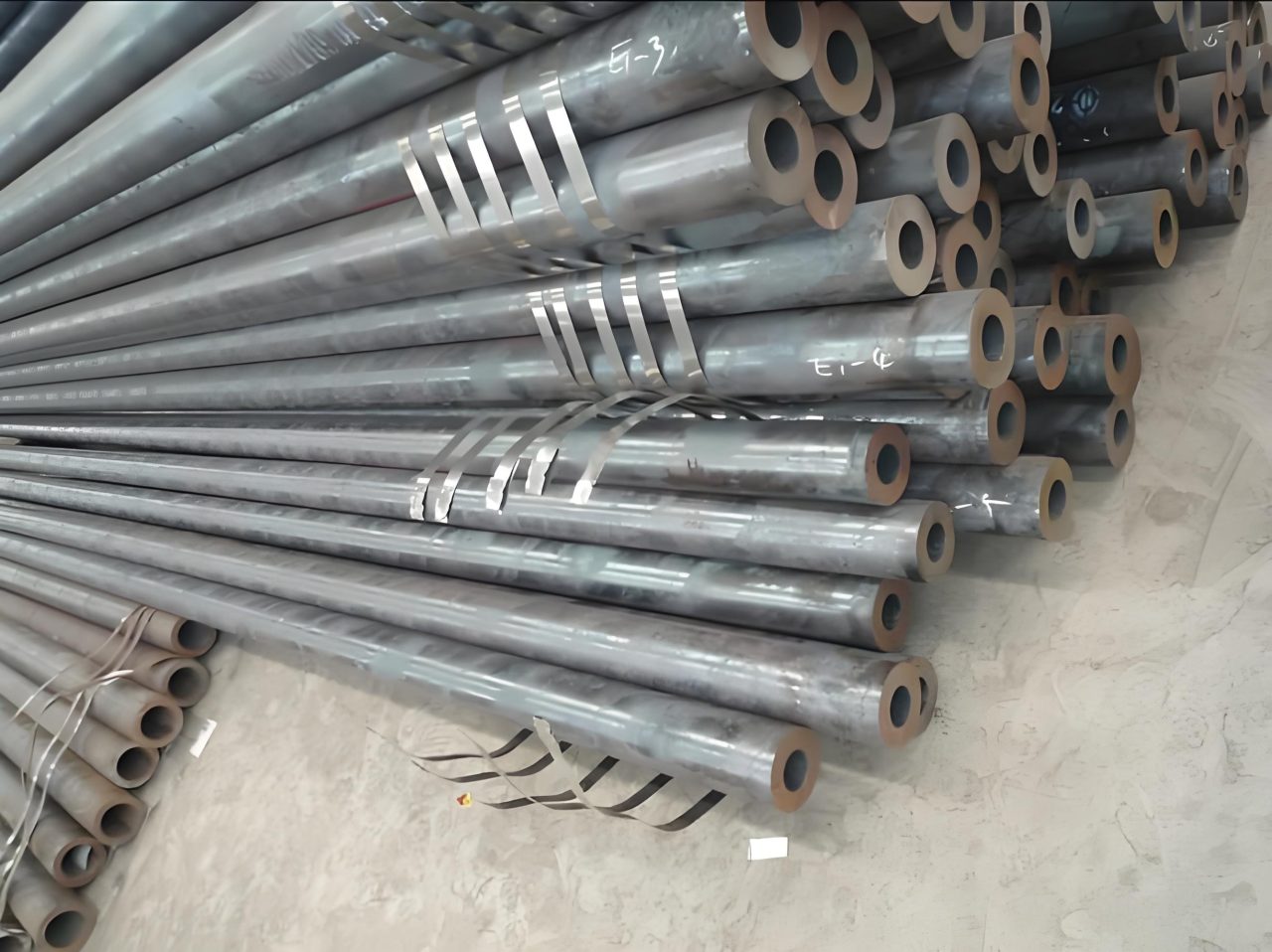
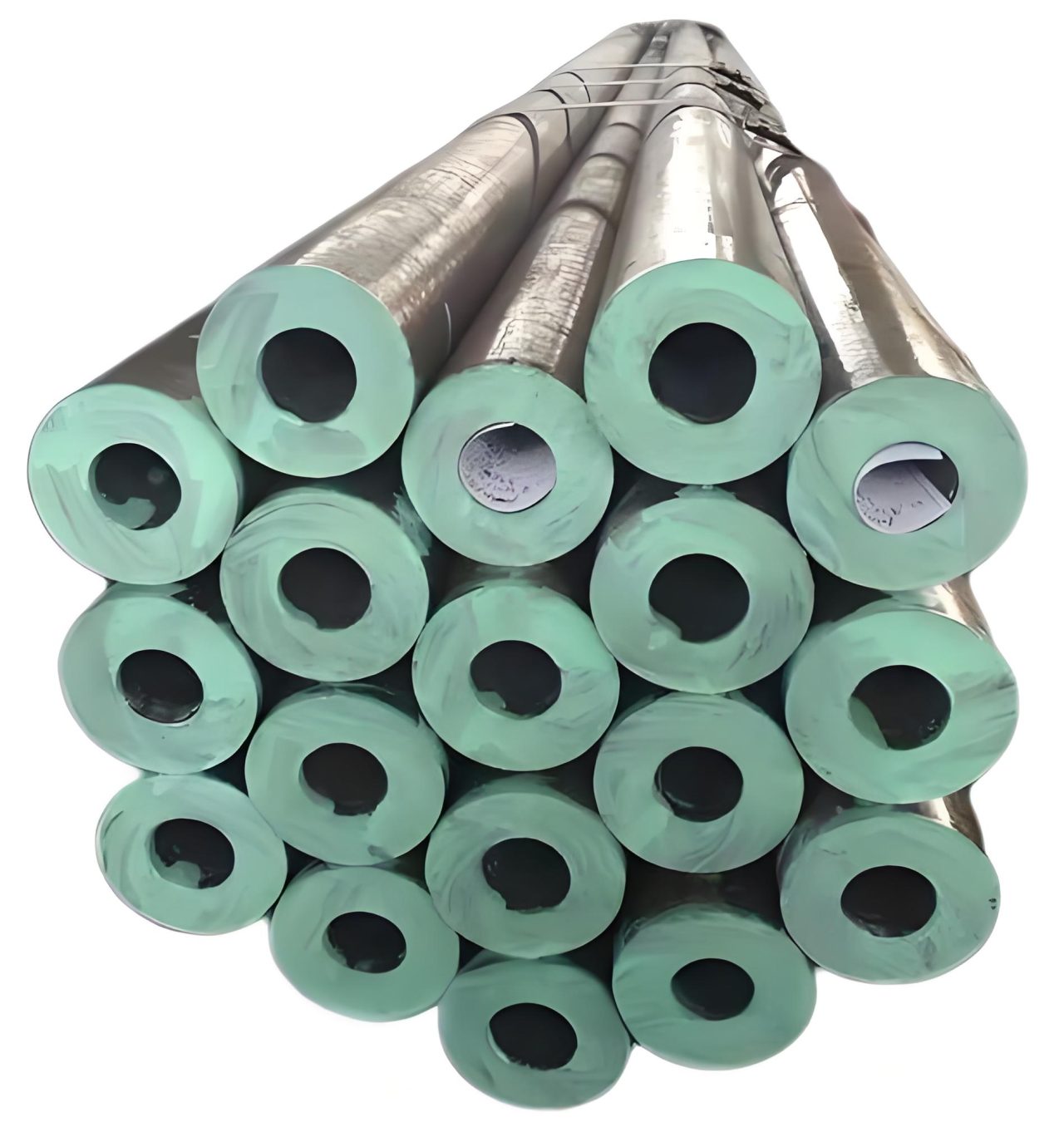
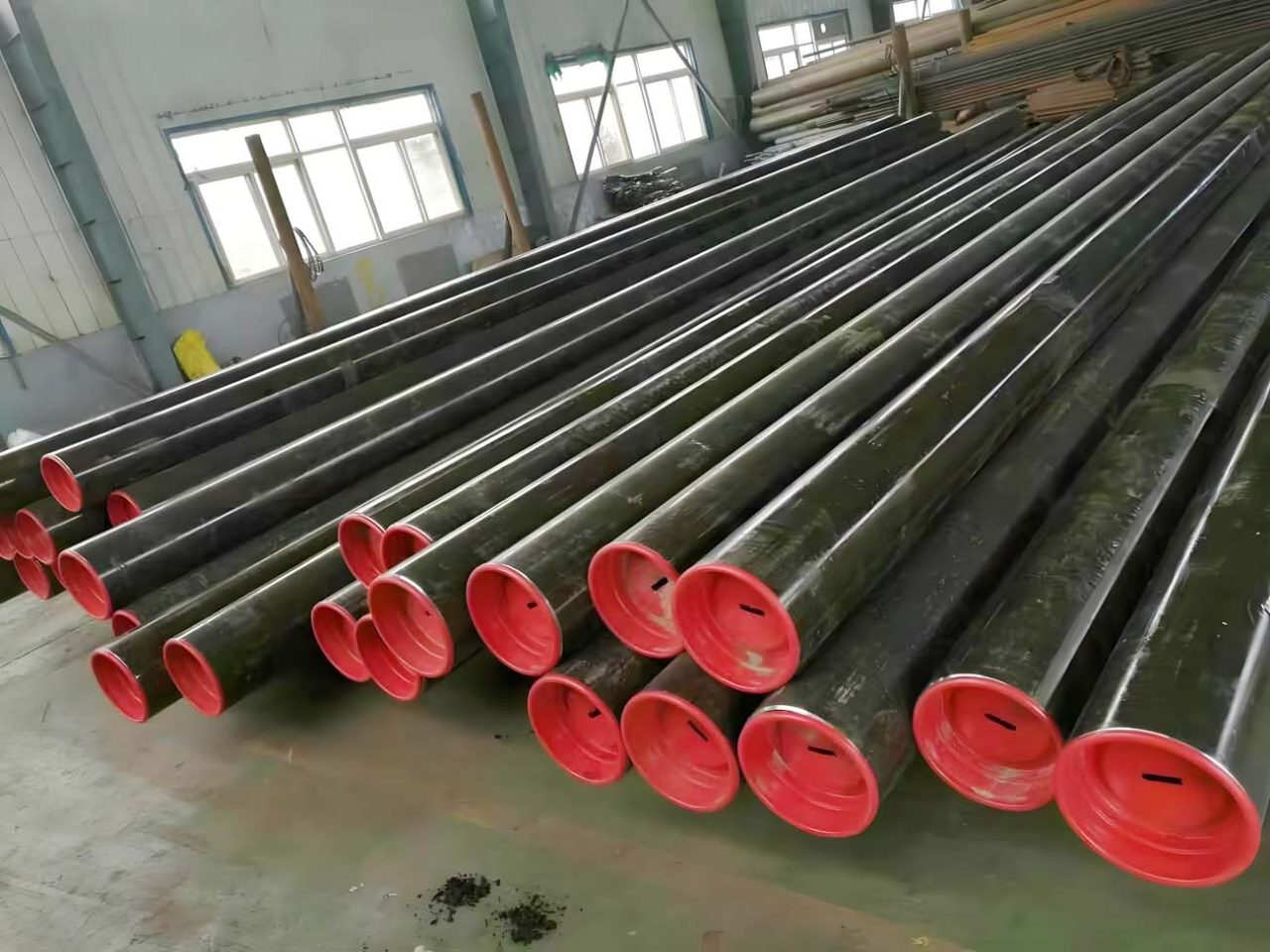
ASTM A252 Tubing Applications: Tubular steel pipe piles, structural support piles, cast-in-situ concrete piles. Products: Carbon steel seamless pipes, black steel pipe, stainless steel tubes, coating steel pipes.


ASTM A178 standard referes to electric-resistance-welded tubes with minimum-wall-thickness. Materials are carbon steel and carbon-manganese steel, ASTM A178 pipe and tube is to be used in boiler tubes, boiler flues, superheater flues and safe ends. Steel Grades A (low-carbon steel), C (medium-carbon steel), or D (carbon-manganese steel). Manufacturing processes must include heat treatment, welding after cooling. Crush test shall be performed if required by customer.


Conclusion HFI steel pipes are a reliable and efficient choice for a wide range of applications, offering high-quality welds and consistent dimensions. Their cost-effectiveness and versatility make them a popular option in industries such as oil and gas, construction, and automotive.


EFW steel pipes are a reliable choice for applications that require large-diameter, high-strength pipes with excellent weld integrity. Their manufacturing process ensures robust and consistent quality, making them suitable for demanding industries like oil and gas, petrochemicals, and large-scale water supply systems. While they may come at a higher cost compared to ERW and HFW pipes, their superior mechanical properties and ability to handle high-pressure conditions justify their use in critical applications.
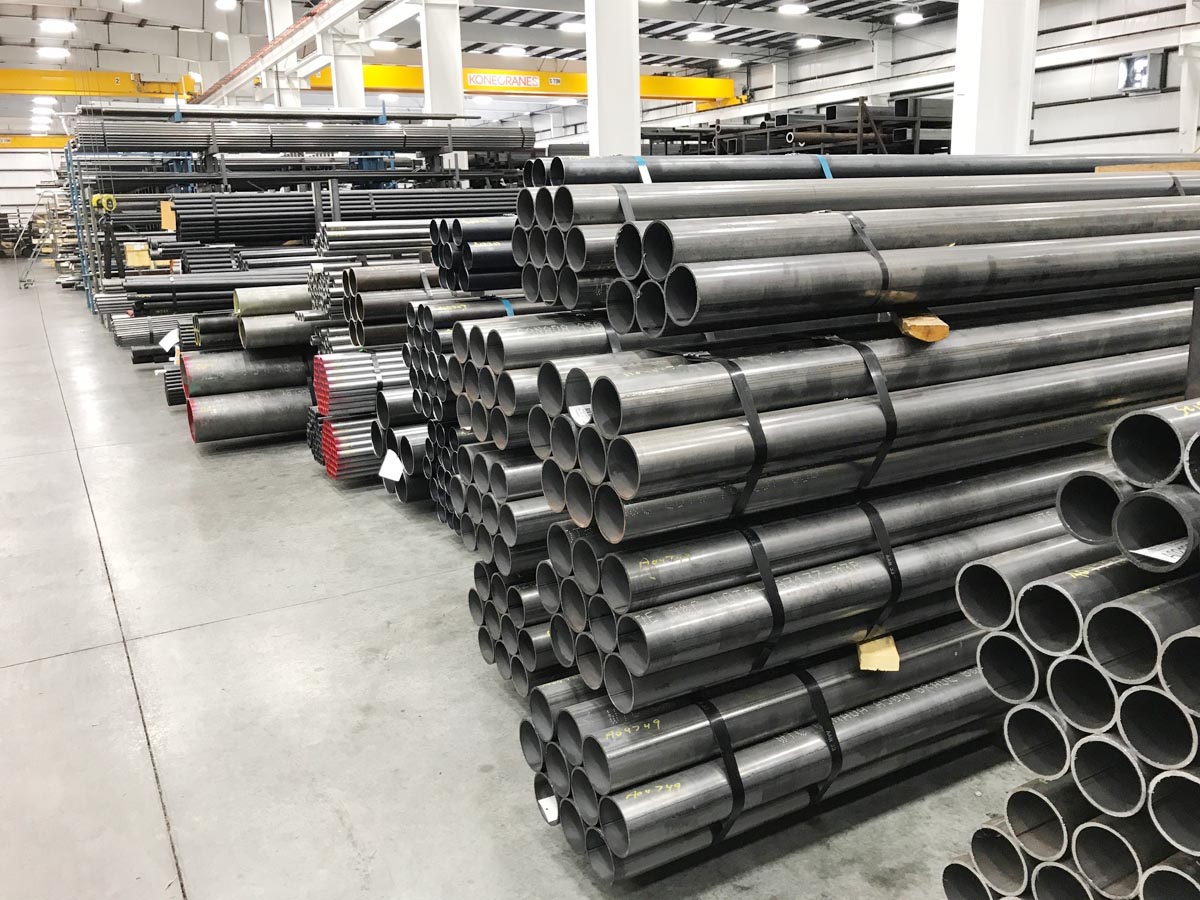


Both ERW and HFW steel pipes have their unique advantages and applications. ERW pipes are suitable for general purposes where cost-effectiveness and adequate strength are required. In contrast, HFW pipes are preferred for applications demanding superior weld quality and higher strength, especially in the oil and gas industry and high-pressure fluid transport systems. The choice between ERW and HFW will depend on the specific requirements of the project, including the mechanical stress, pressure conditions, and budget constraints.
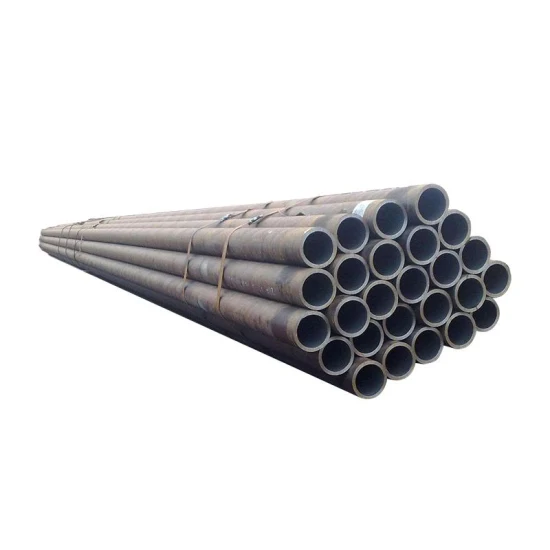


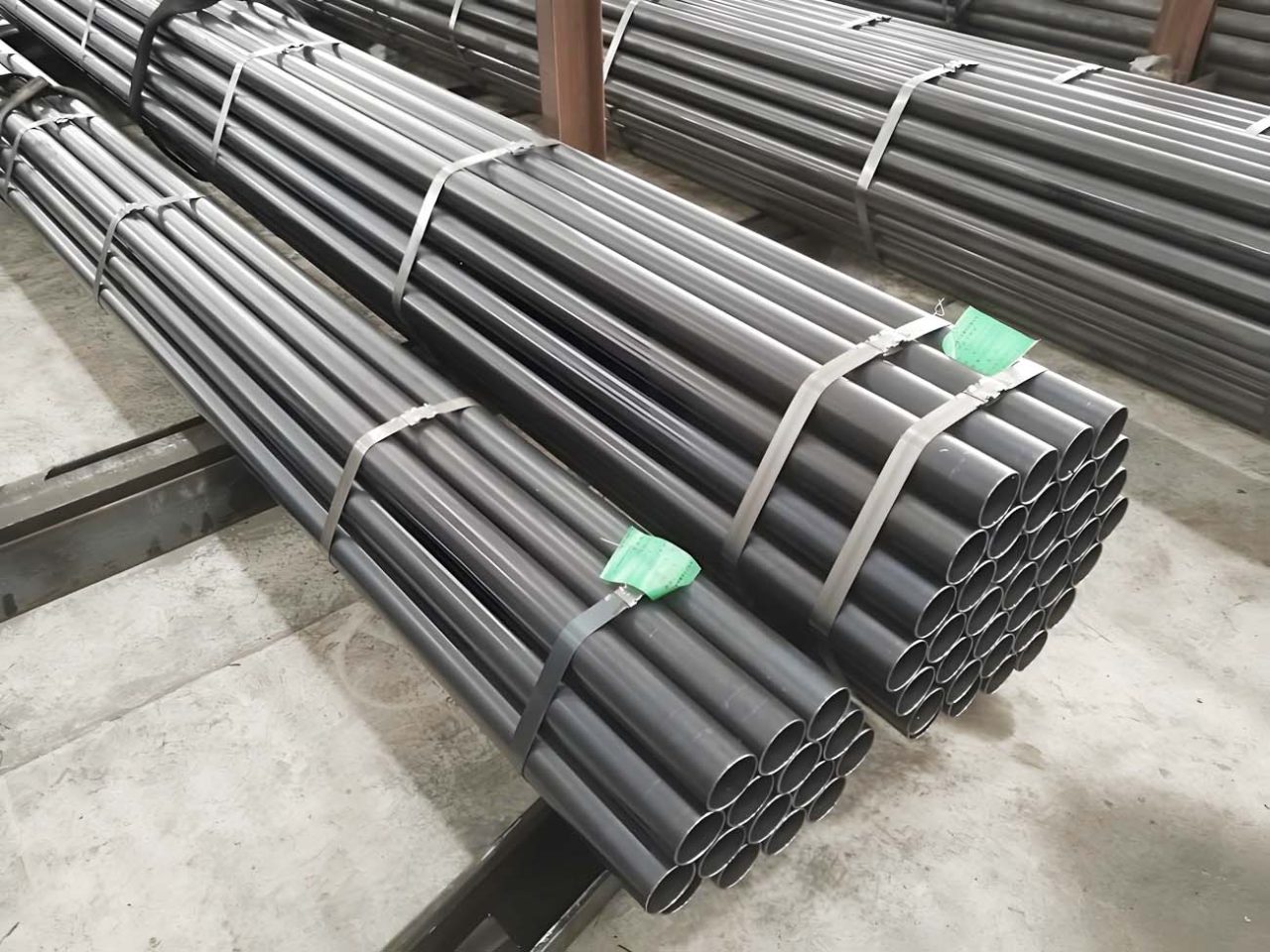
ERW steel pipes are an essential component in various industrial applications, providing a reliable and economical solution for fluid transportation and structural uses. The specifications provided ensure that these pipes meet stringent industry standards and customer requirements.


ASTM A519 is the standard specification for seamless carbon and alloy steel mechanical tubing. These tubes are used for mechanical and pressure applications as well as for transporting steam, water, and gas. ASTM A519 pipes are suitable for bending, flanging, and similar forming operations, and for fusion welding.


Using ASTM A192 seamless boiler pipes in power plants offers numerous advantages, including high-pressure and high-temperature resistance, seamless construction, excellent mechanical properties, and compliance with strict quality standards. These benefits contribute to the efficiency, safety, and reliability of power plant operations, making ASTM A192 pipes a preferred choice for critical boiler applications.
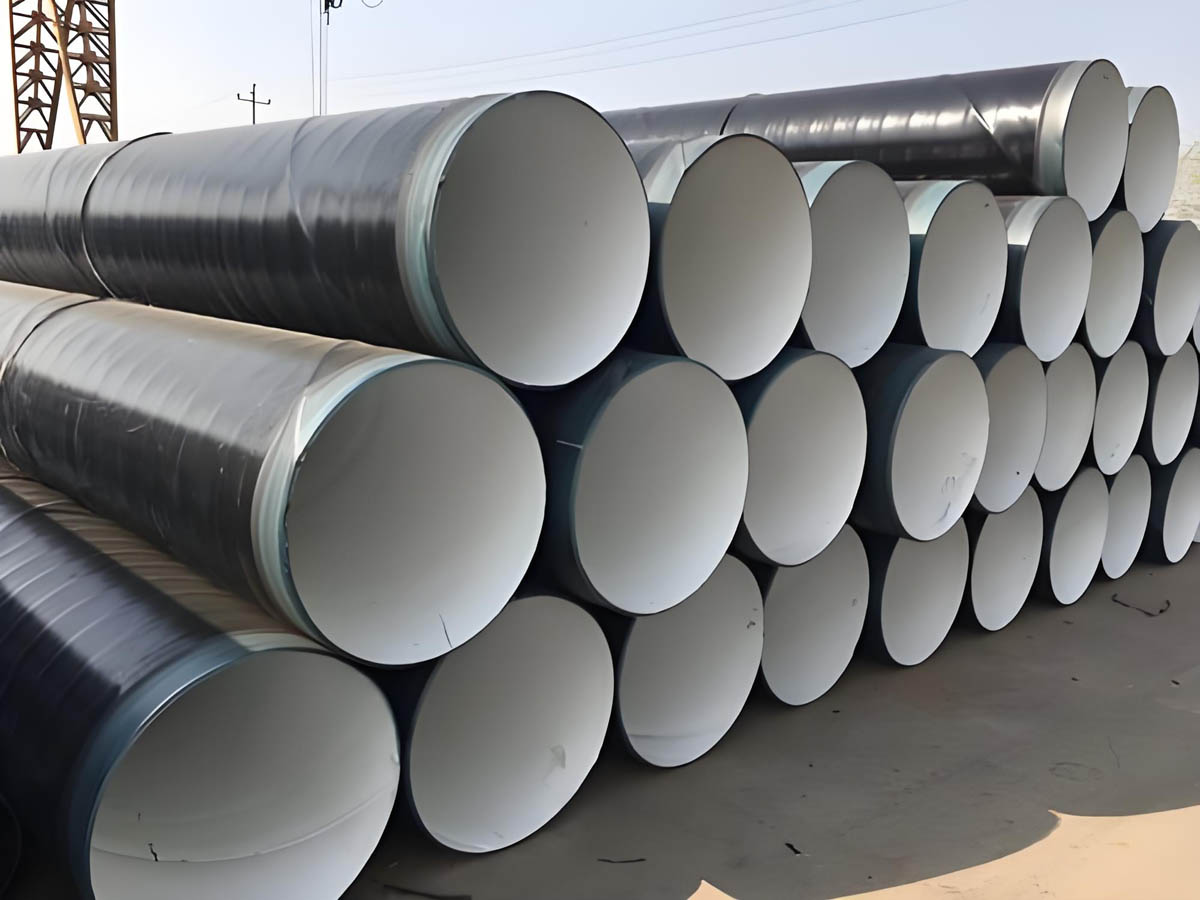


ASTM A335, also known as ASME SA335, is the standard specification for seamless ferritic alloy-steel pipe intended for high-temperature service. Below are the detailed chemical compositions, mechanical properties, and specifications for the most commonly used grades of ASTM A335 pipes.


ASTM A106 seamless steel pipes are a reliable choice for high-temperature applications due to their robust mechanical properties and versatile manufacturing process. They are essential in various industrial sectors, ensuring durability and performance under extreme conditions.


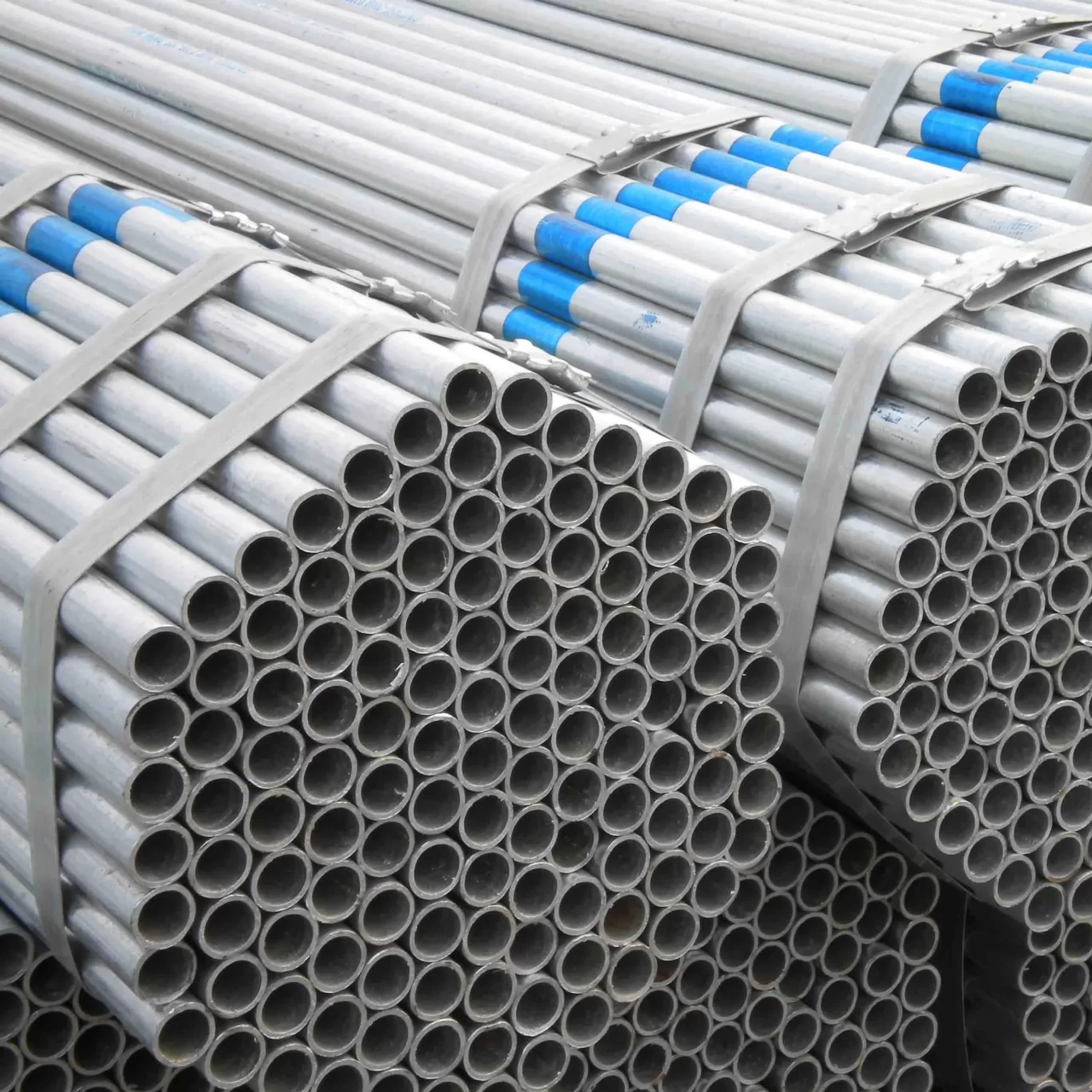
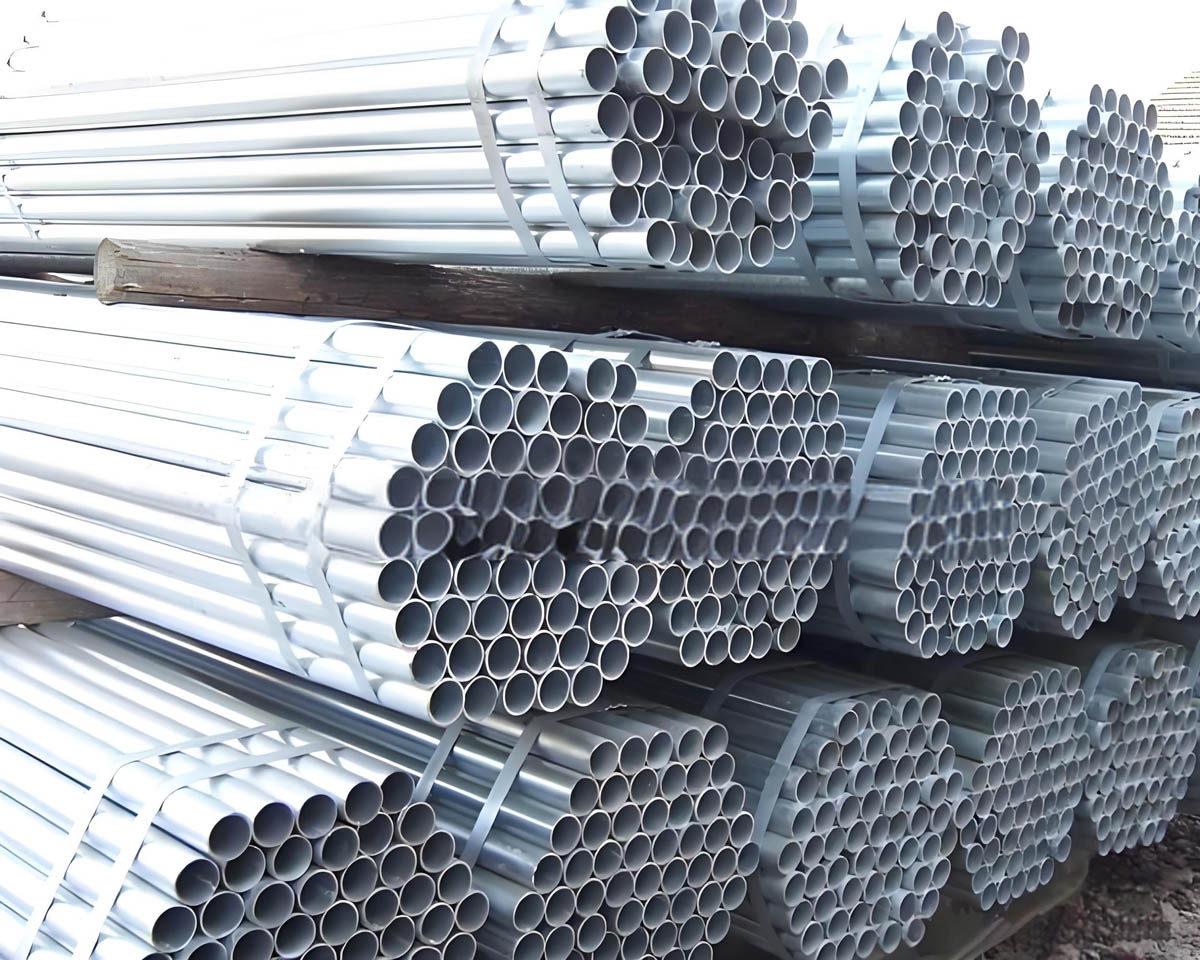
ASTM A53, also referred to as ASME SA53, is a carbon steel alloy that is used for structural and low-pressure applications. This specification covers seamless and welded black and hot-dipped galvanized steel pipes intended for mechanical and pressure applications, as well as for ordinary uses in steam, water, gas, and air lines. The specifications for this alloy are set by ASTM International in the standard ASTM A53 / A53M.
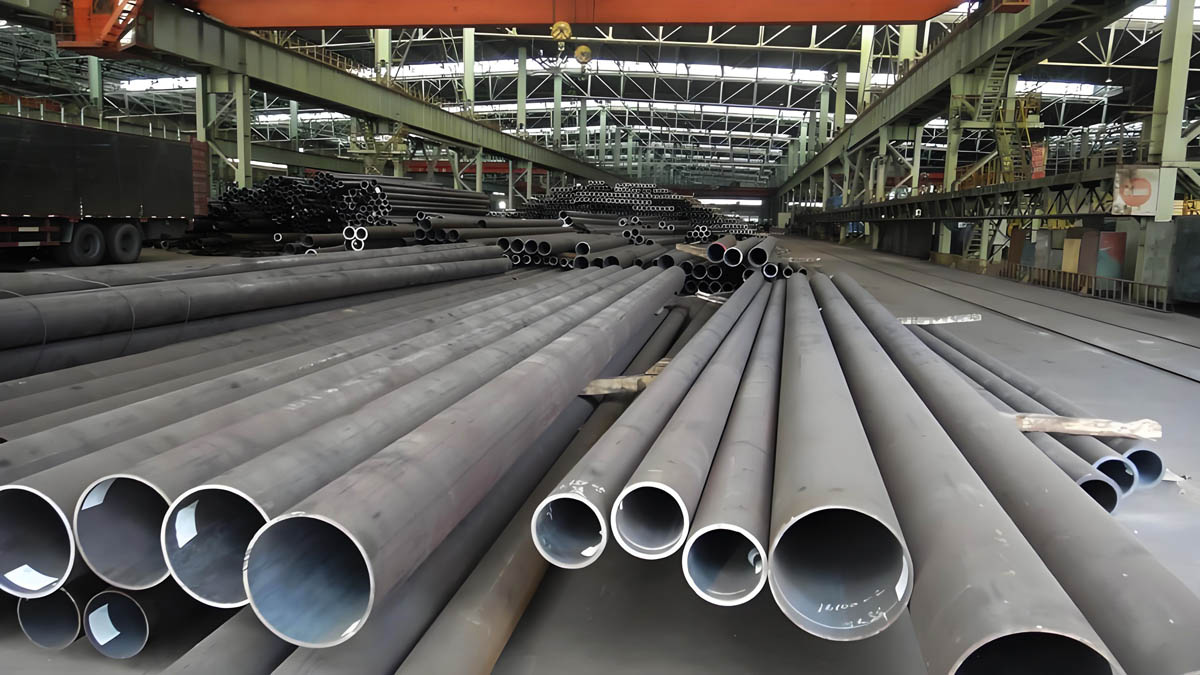


API 5L: Steel Pipes Specifications and Tolerances API 5L specifies standards for seamless and welded steel pipes used in pipeline transportation systems in the petroleum and natural gas industries.


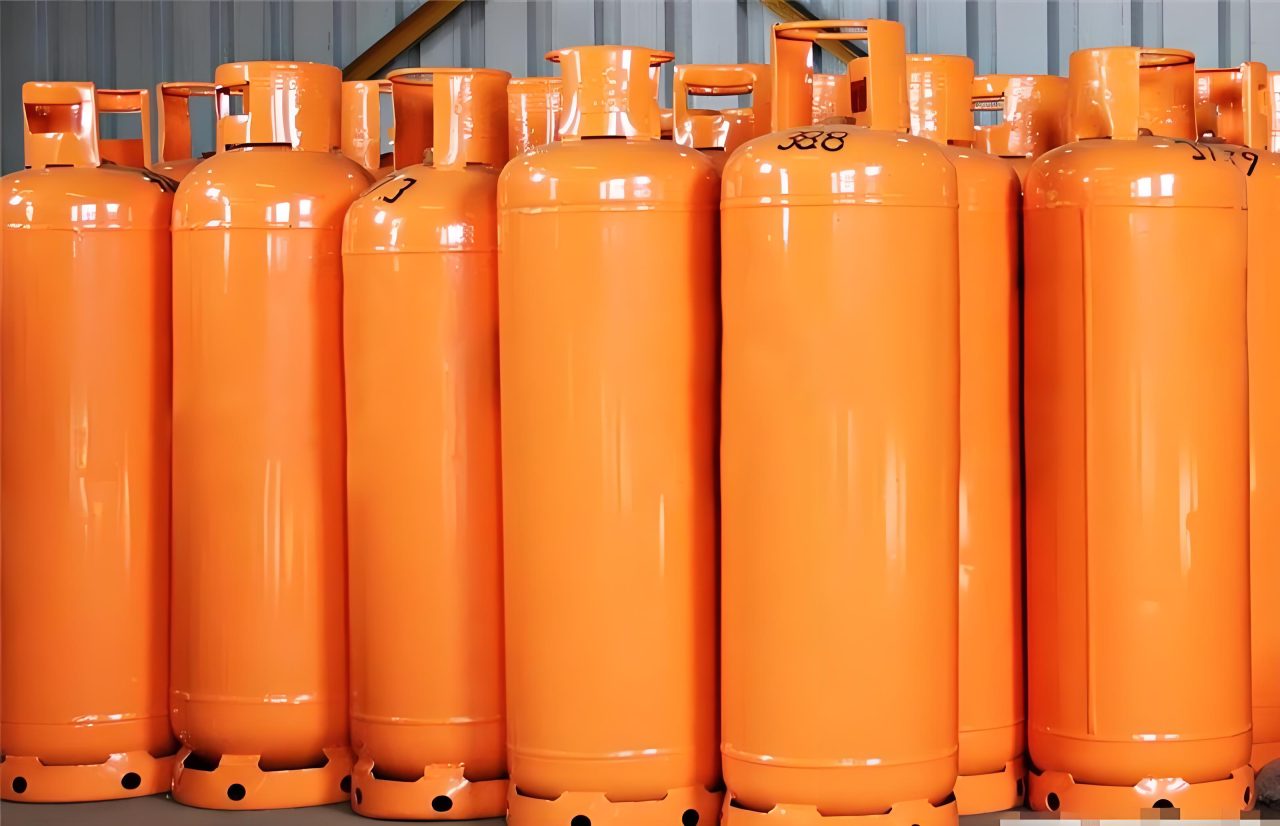
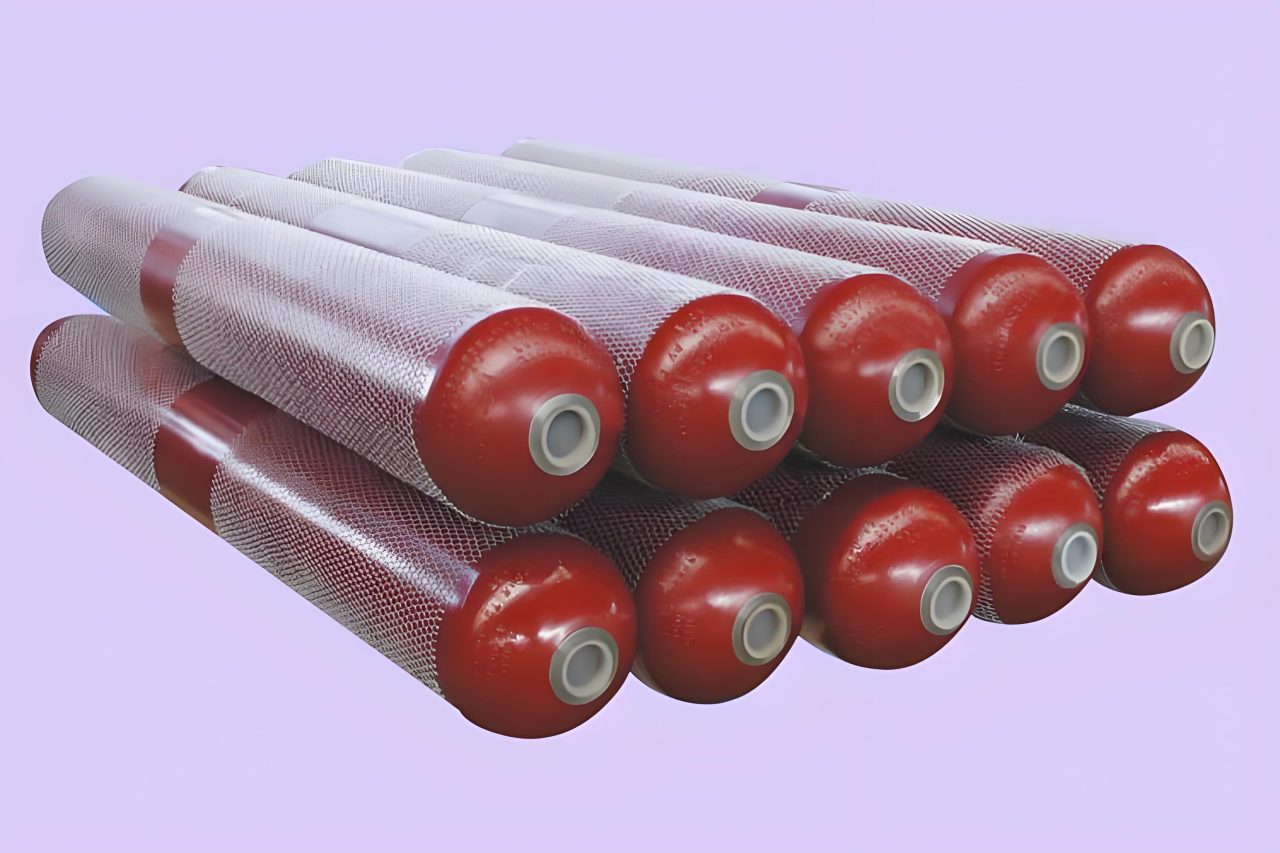
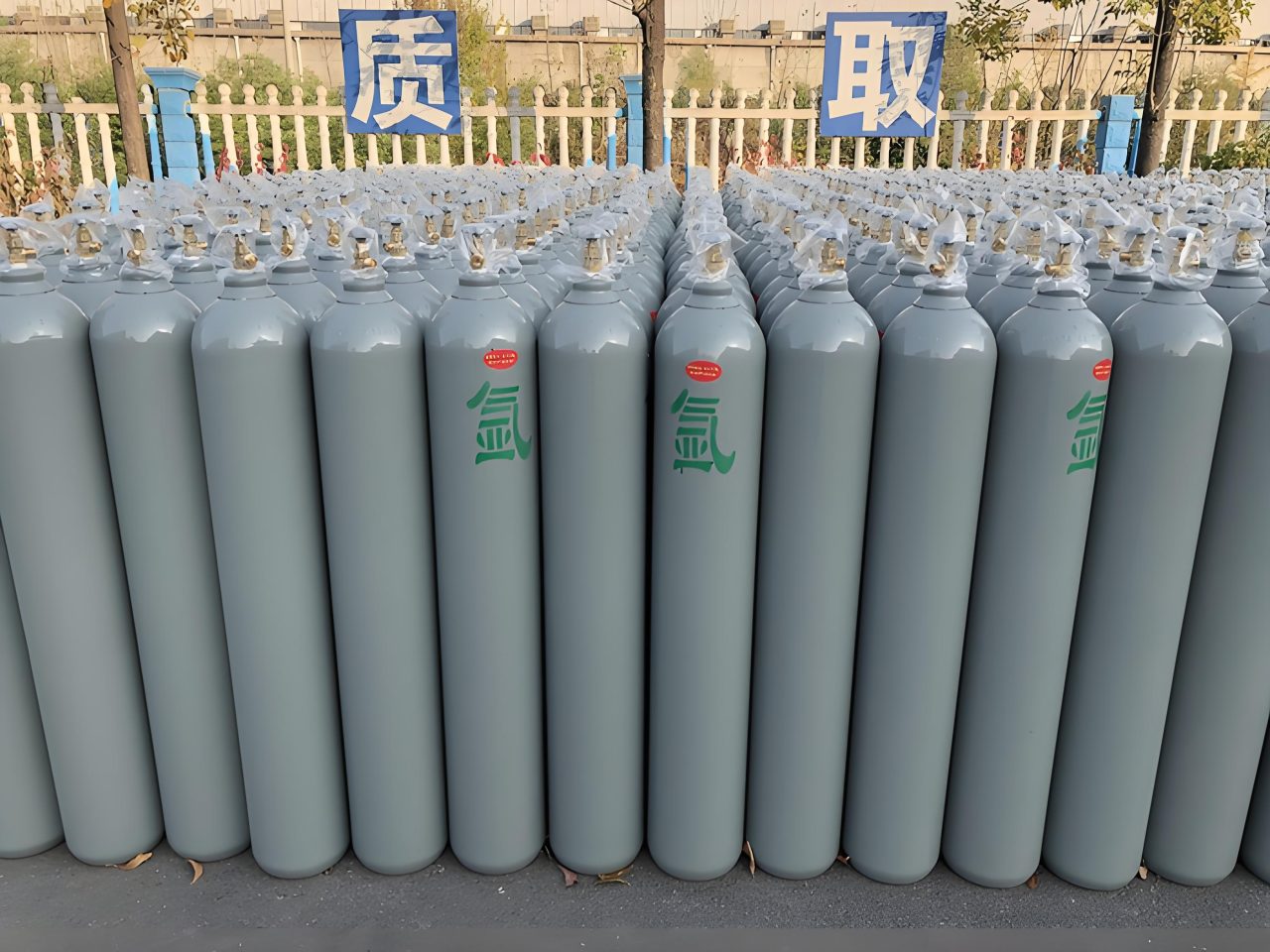
JIS G3429 sets rigorous standards for seamless steel pipes used in high-pressure gas cylinders, ensuring they possess the necessary strength, toughness, and durability. By adhering to these standards, manufacturers can produce high-quality, reliable cylinders that safely store and transport gases under high pressure, meeting the demands of various industrial, medical, and safety applications.
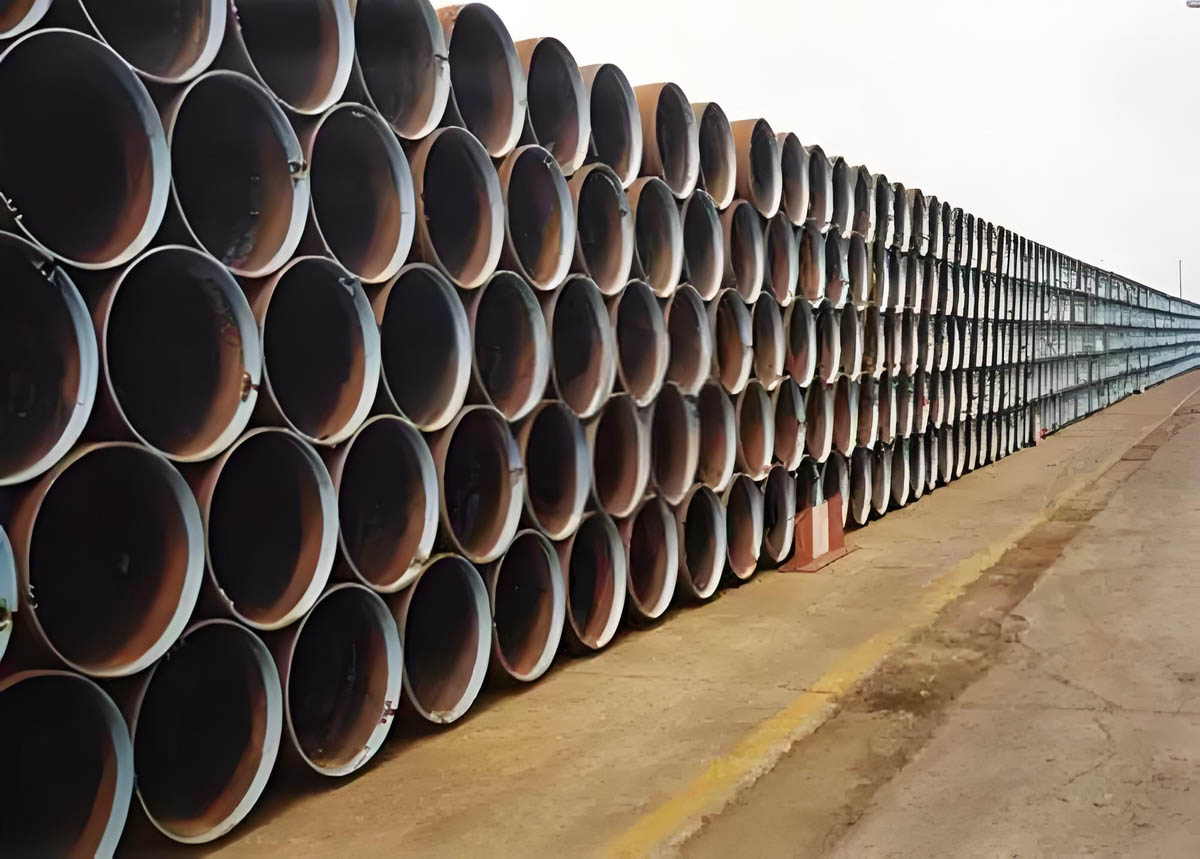


Mechanical steel tubes are essential for a variety of industrial applications requiring high strength, precision, and durability. The choice of material—whether carbon steel, alloy steel, or stainless steel—depends on the specific requirements of the application, such as mechanical properties, corrosion resistance, and ease of machining.


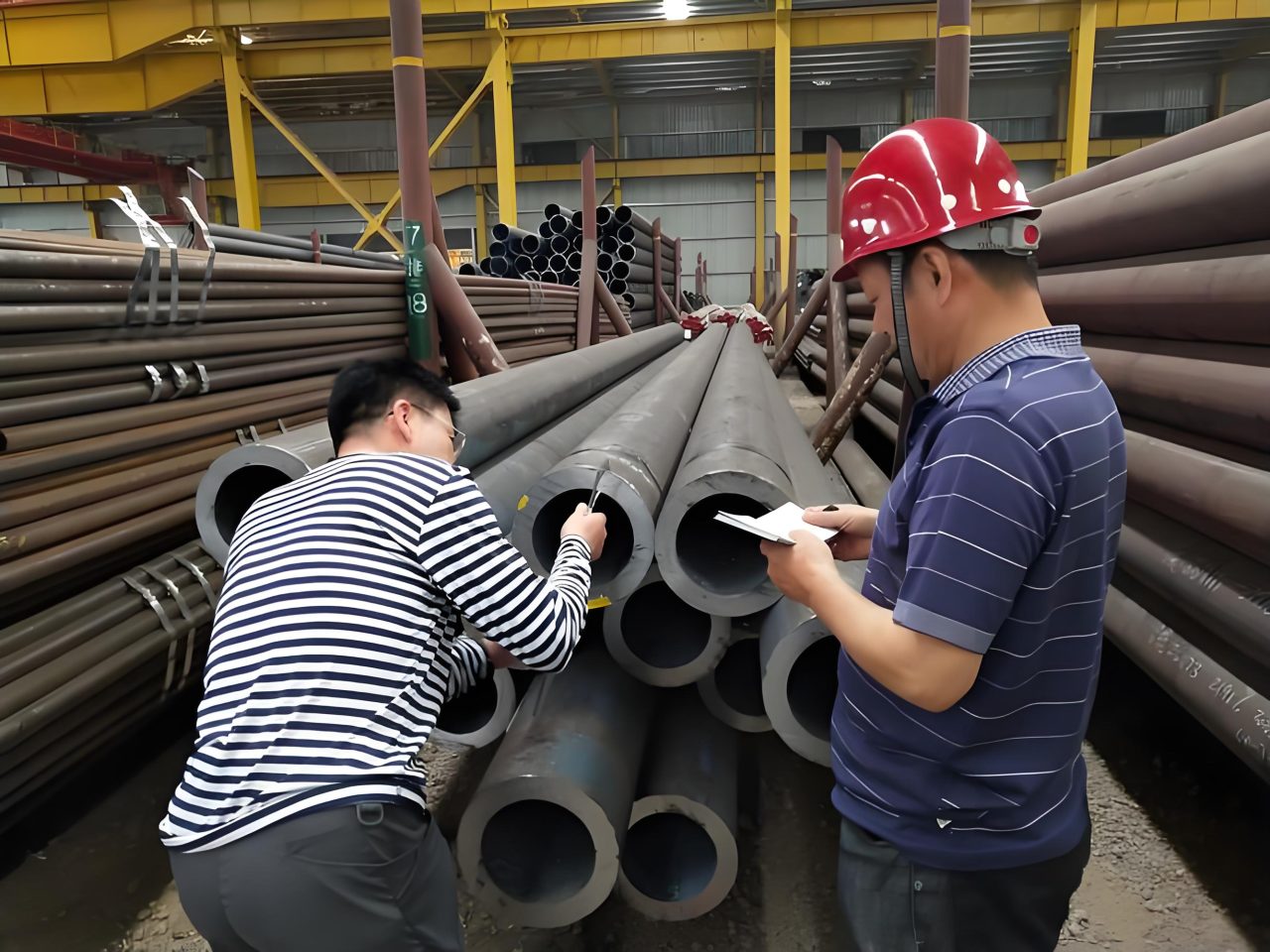
Seamless steel fluid pipes are vital components in many industrial systems, offering unmatched strength, durability, and reliability. By understanding their characteristics, manufacturing processes, materials, standards, and applications, industries can select the appropriate seamless pipes to ensure efficient and safe fluid transport.


Boiler Steel Pipes are critical components in many industrial applications, providing reliable performance under extreme conditions. By adhering to strict quality standards and understanding the key properties and classifications of these tubes, industries can ensure the safe and efficient operation of their thermal systems.
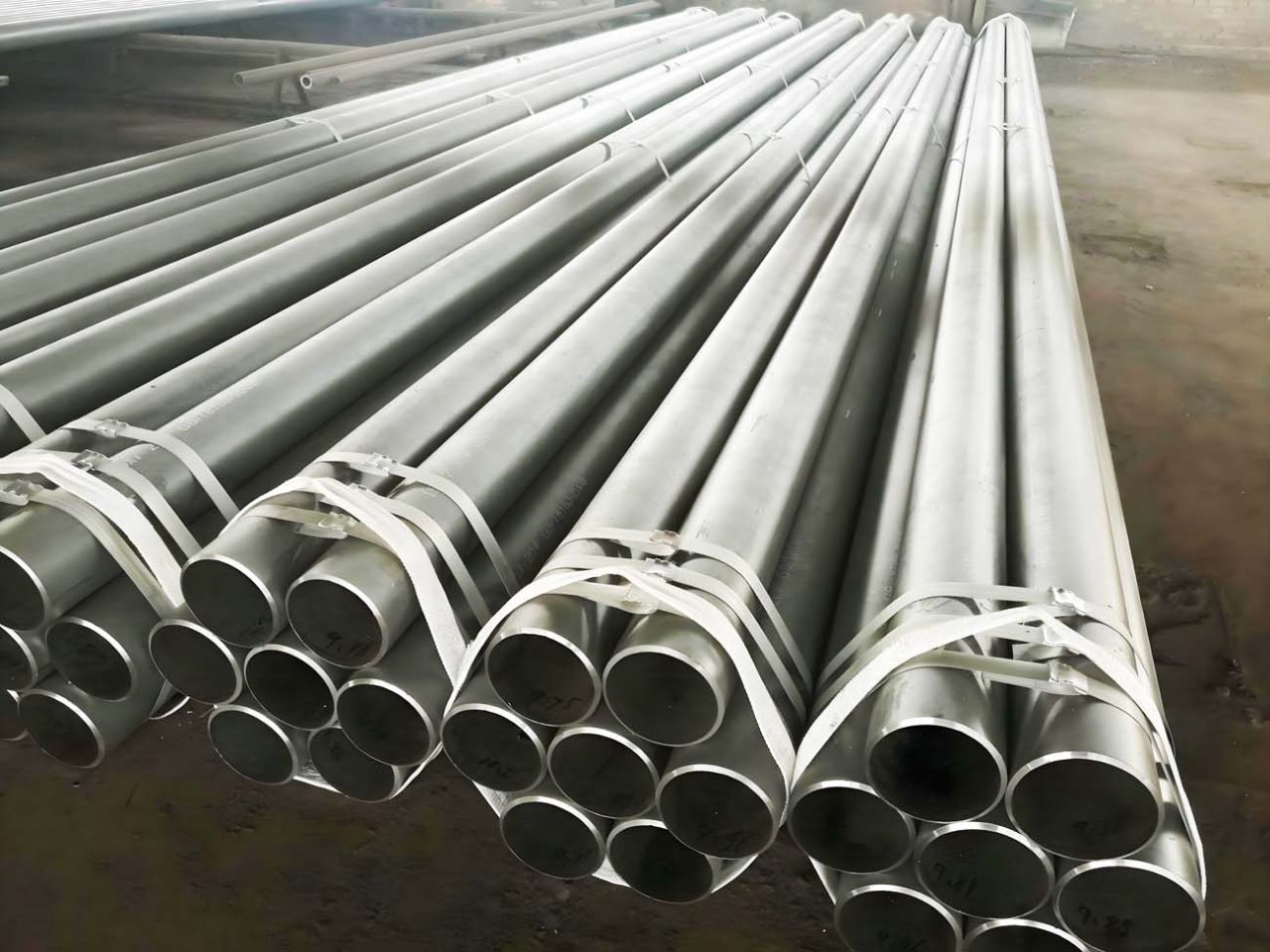
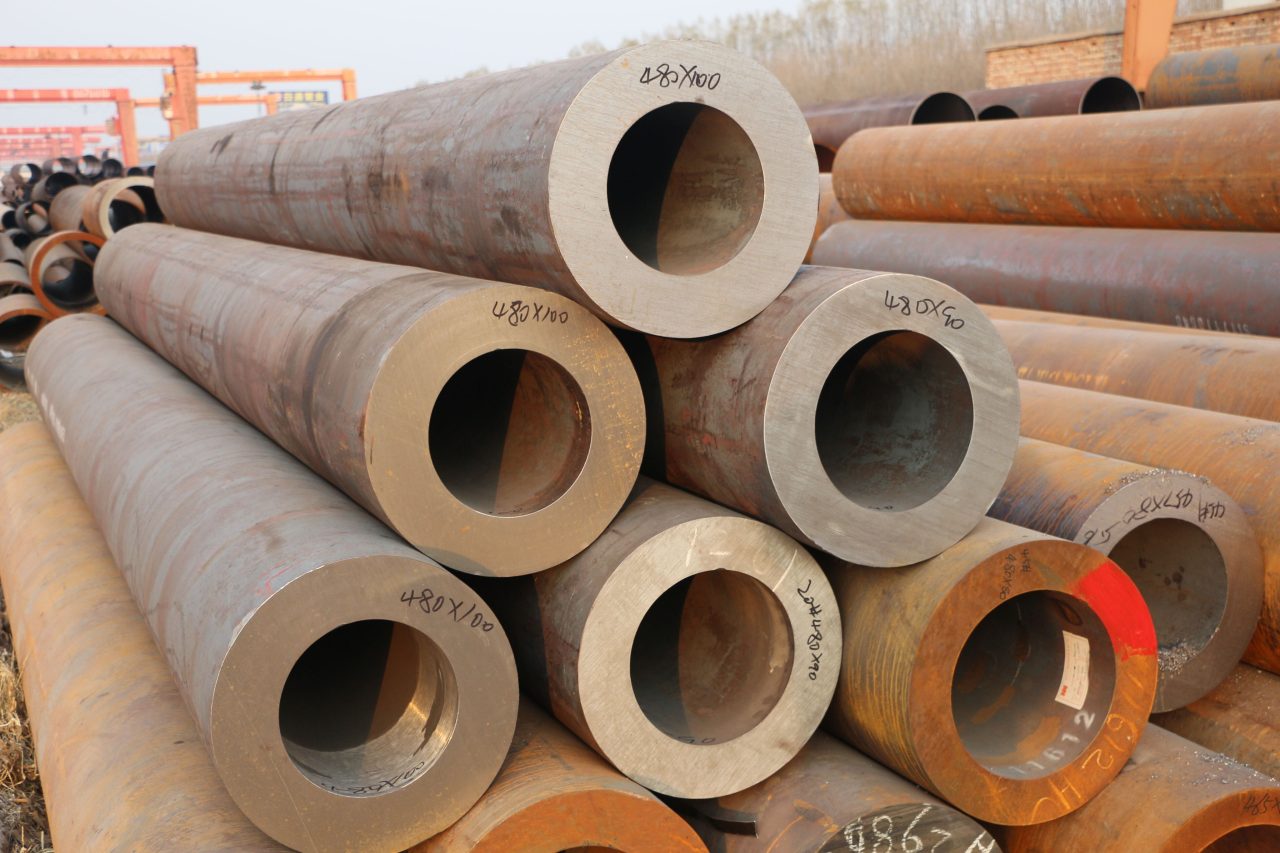
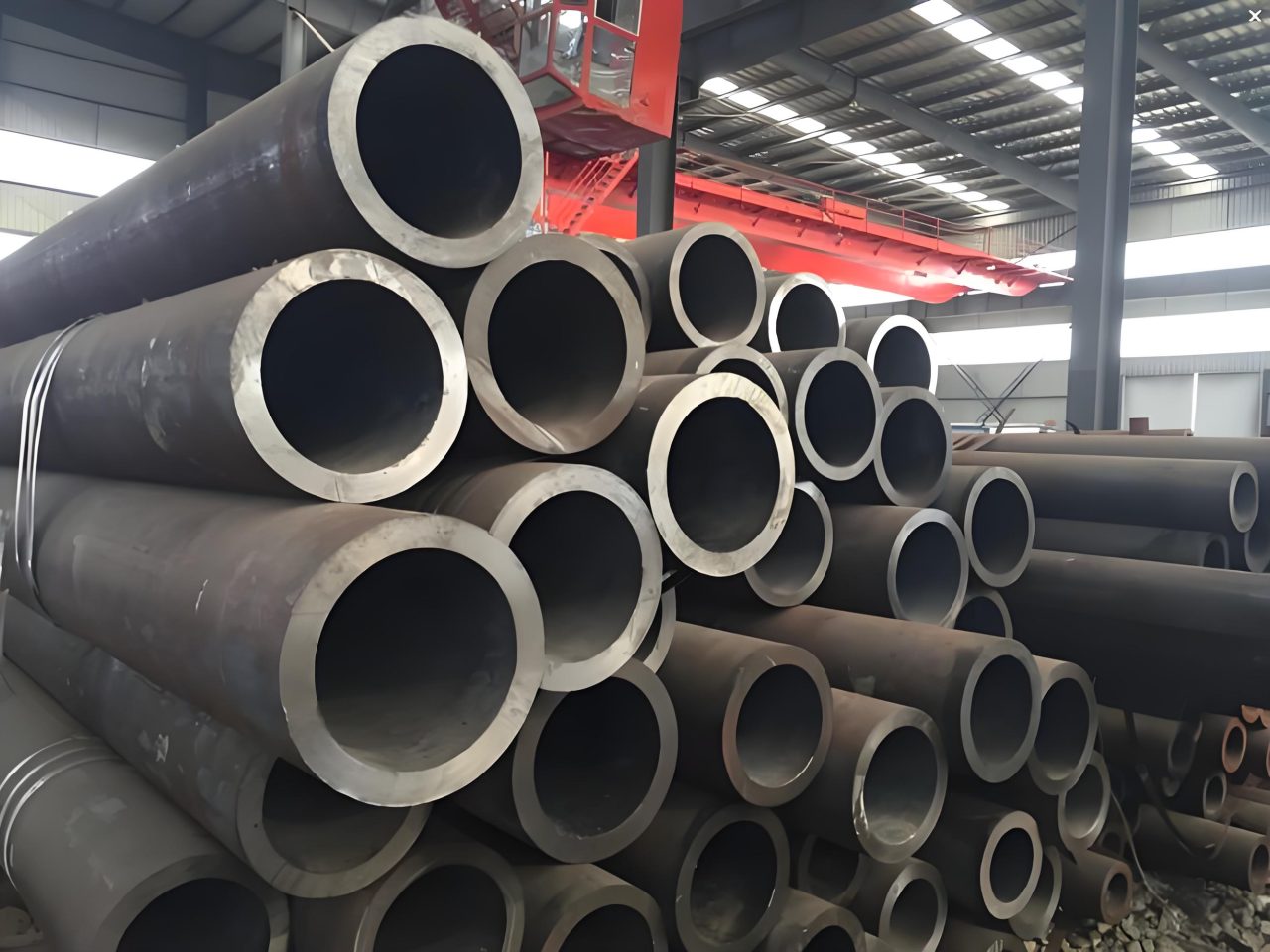
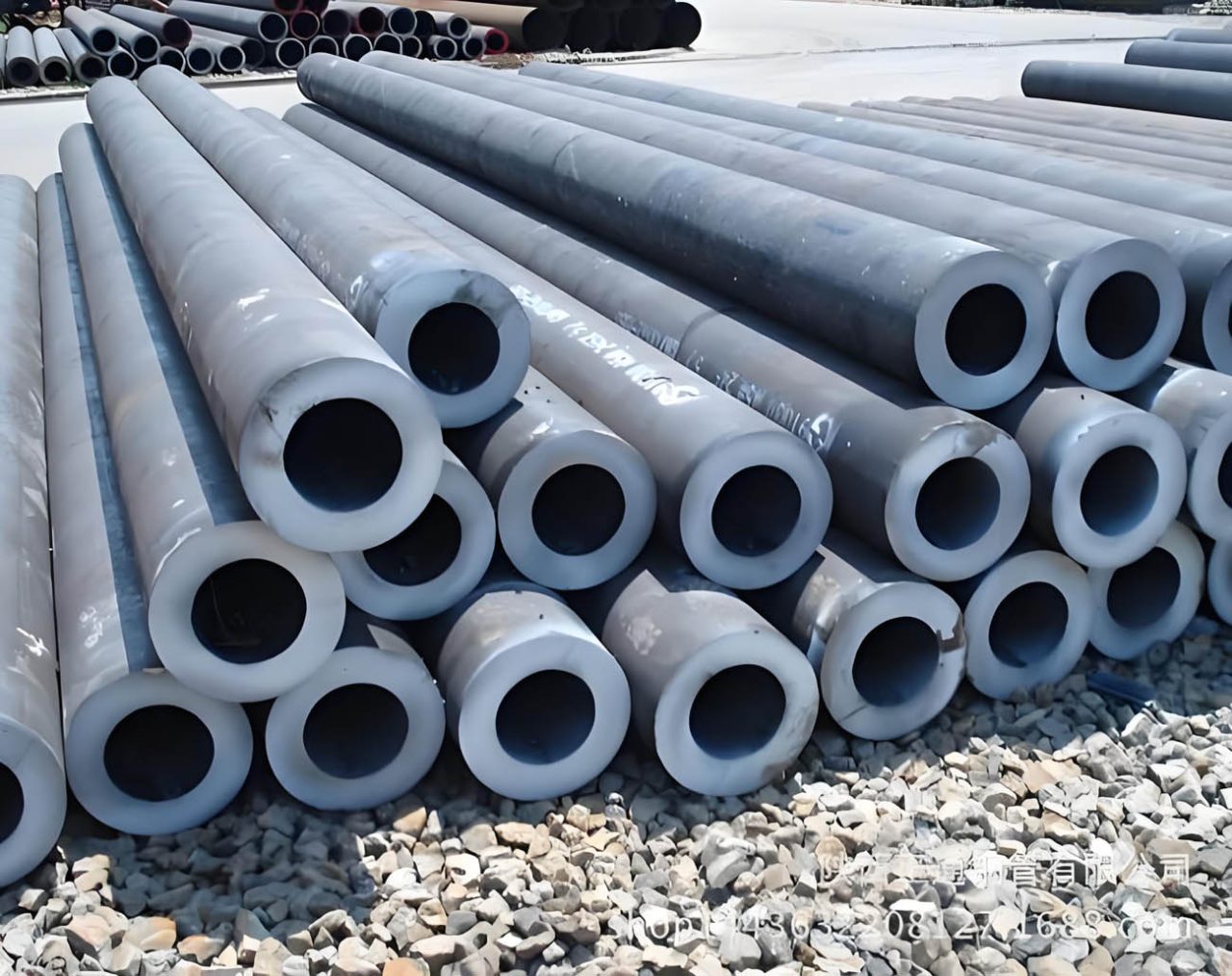
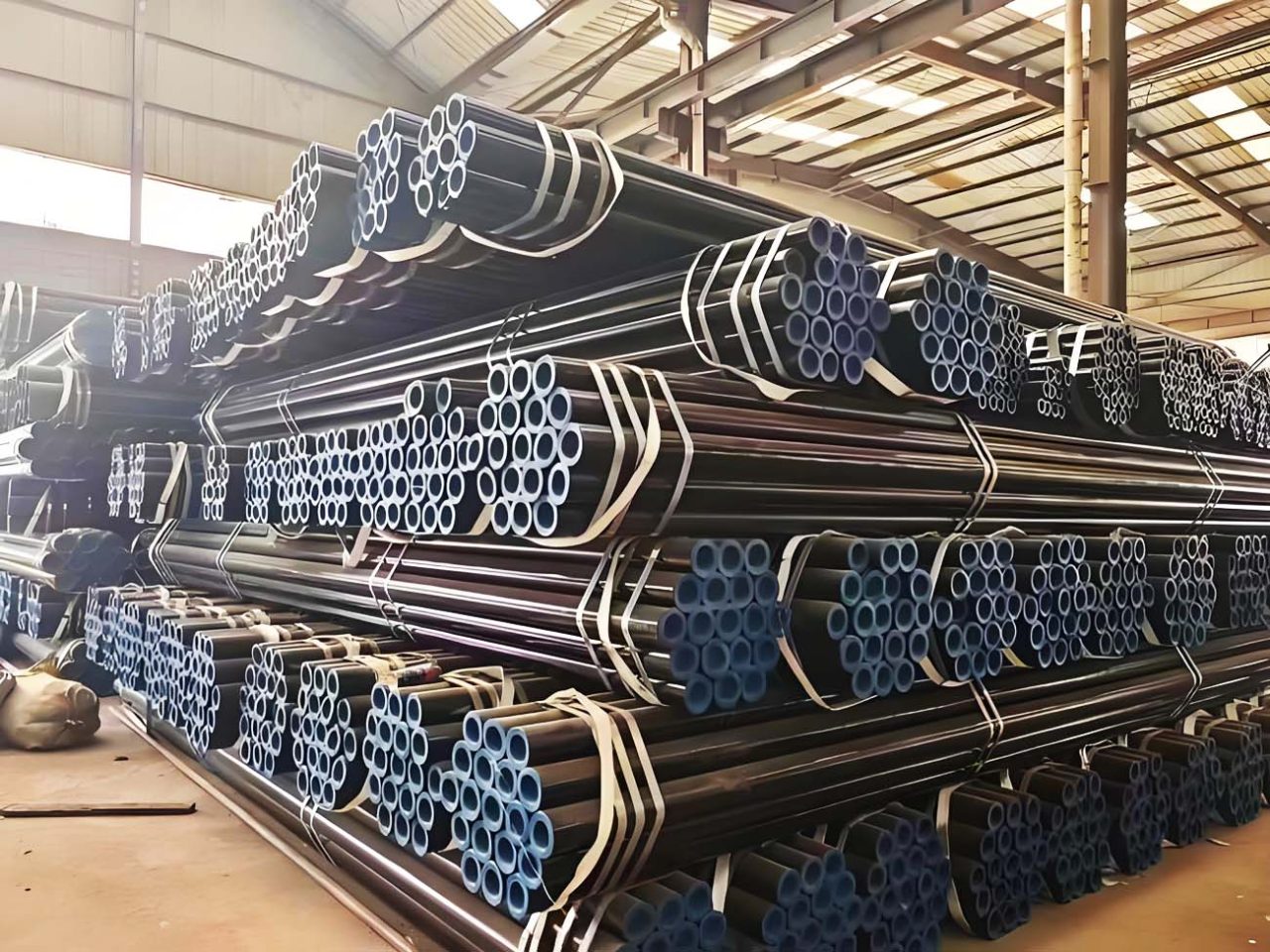
Structural seamless steel pipes are critical components in numerous industries due to their strength, durability, and versatility. These pipes are manufactured without seams, providing a uniform structure that can withstand high pressure and mechanical stress. This makes them suitable for mechanical and pressure applications and ordinary uses in steam, water, gas, and air lines. They are also ideal for welding and forming operations involving coiling, bending, and flanging, subject to certain qualifications.
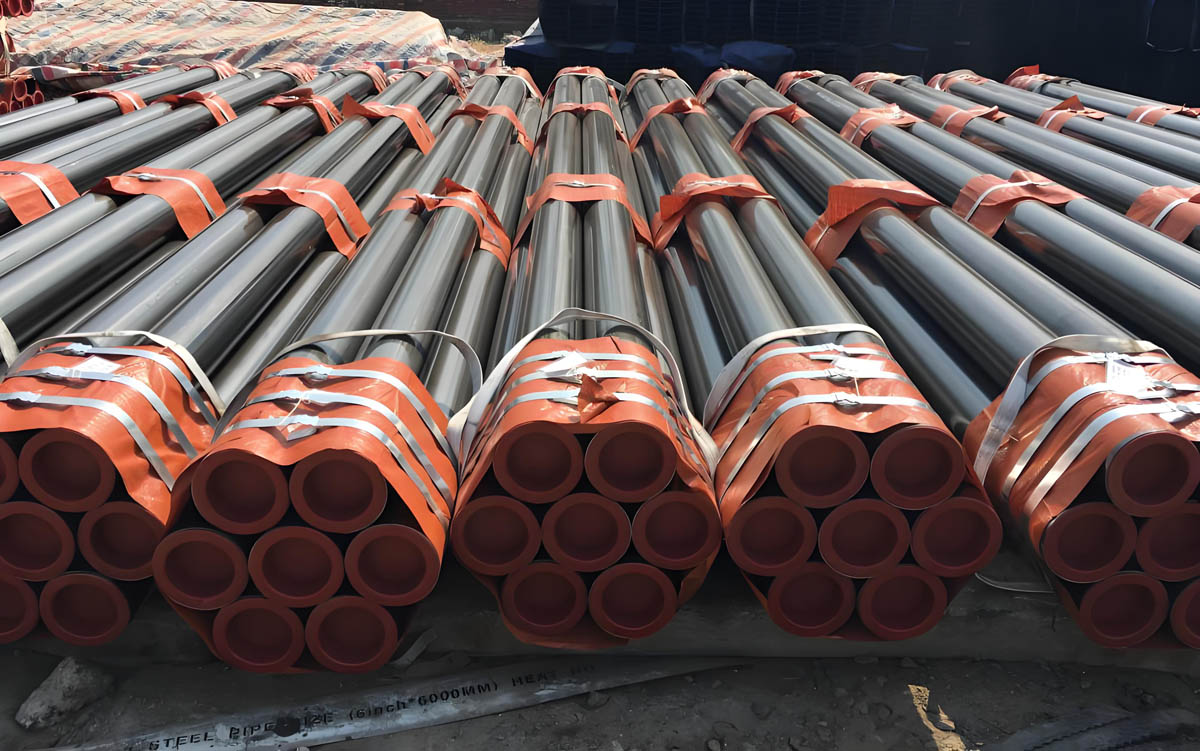
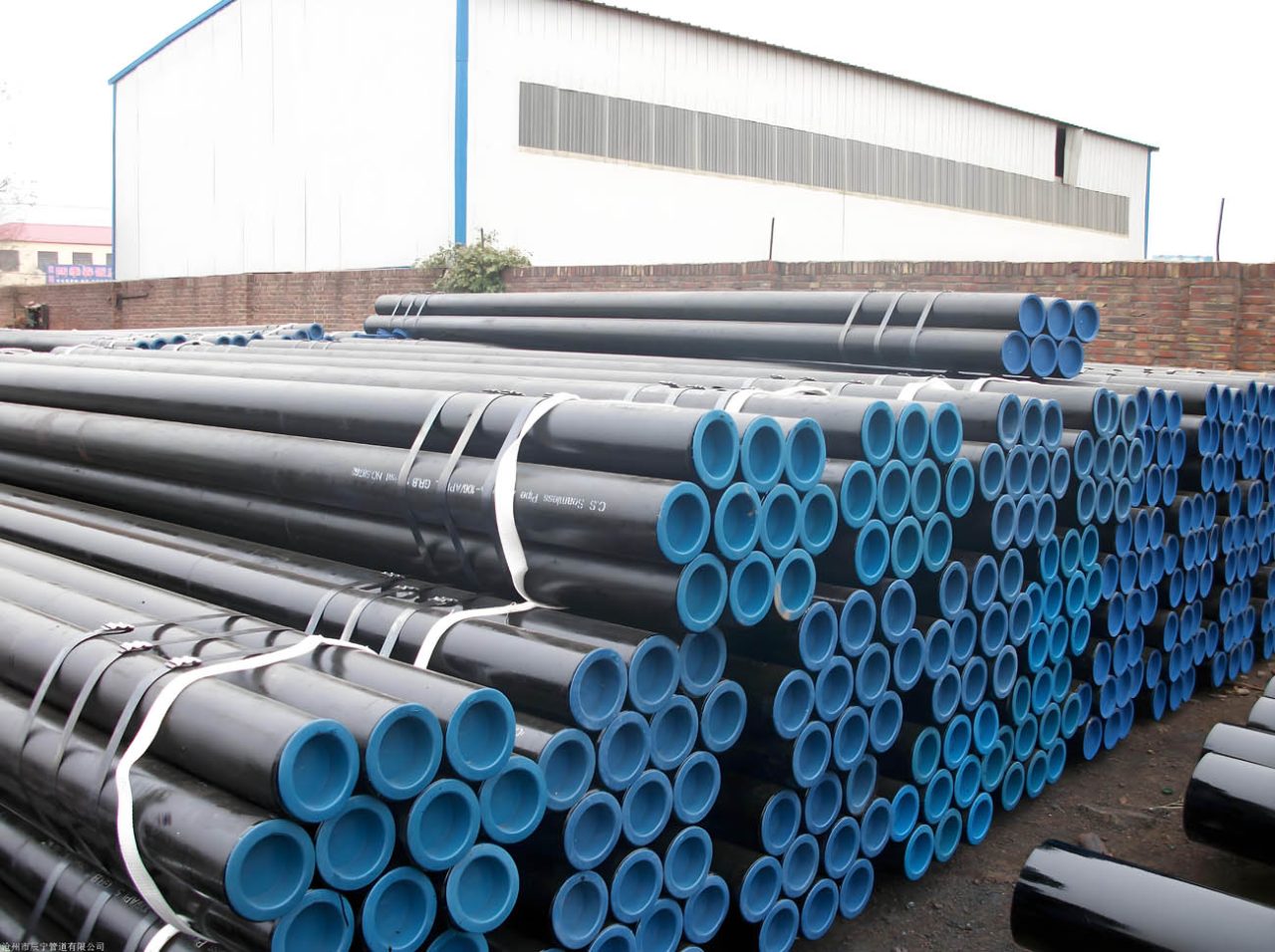
Product Name: seamless pipe, seamless steel pipe, seamless carbon steel pipe, carbon seamless steel pipe,Seamless Line pipe Application: For converying gas, water & oil for Fluids Transmission Size: OD: 10.3-1219.2mm WT: 1.65-60mm LENGTH: 5.8/6/11.8/12m
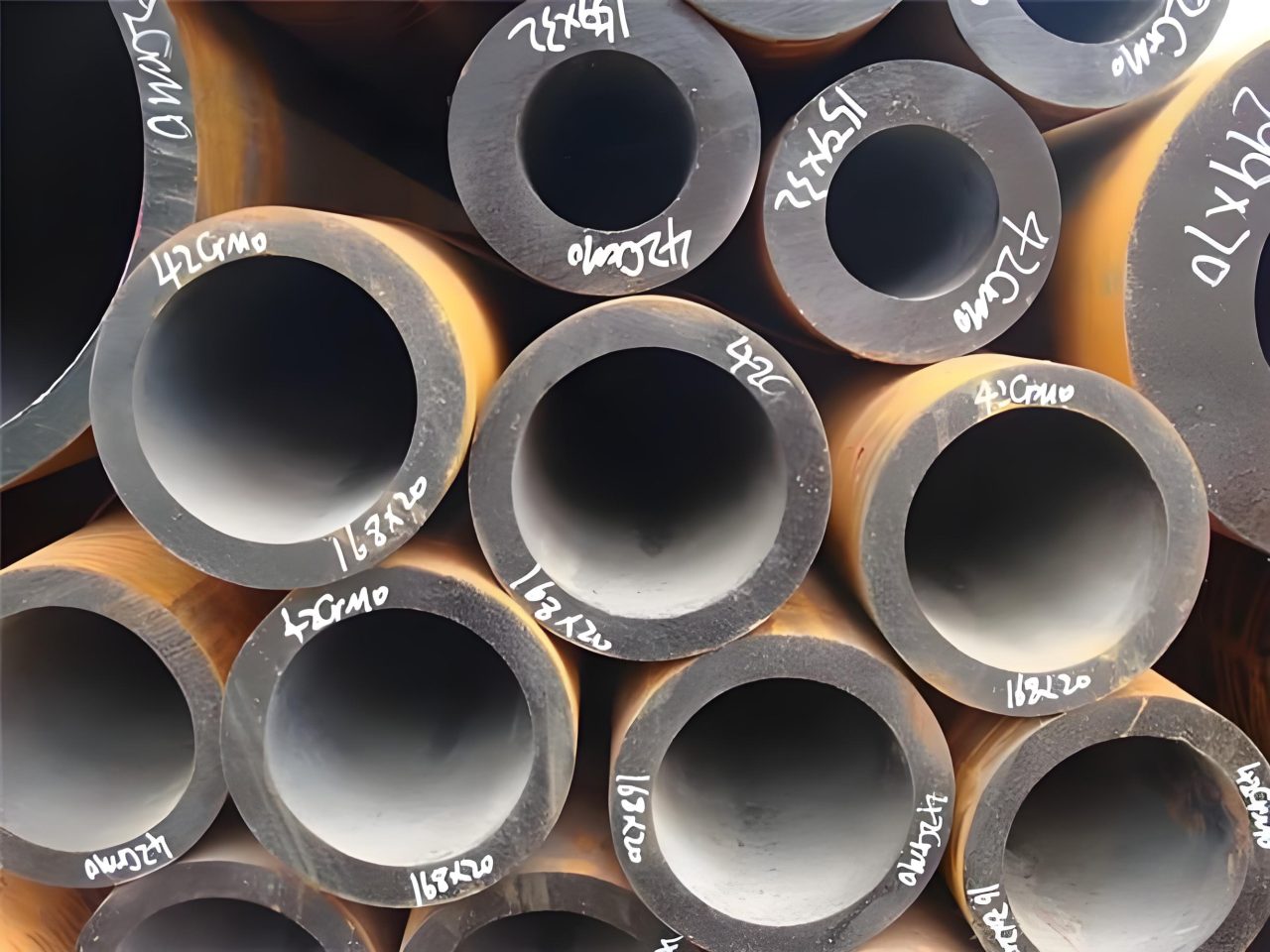
Abter Company use Steel grade :GB 18248 37Mn, 34Mn2V, 30CrMo, 35CrMo, 34CrMo4, 30CrMnSiA / JIS G3429STH11, STH12, STH21, STH22, STH31 of steel to produce gas cylinder steel tubes
seamless steel pipe for gas cylinder is between 4000 mm to 12000 mm. Abter is also capable to produce steel pipes longer than 12000 mm or shorter than 4000 mm but aren’t quite shorter than 3000 millimeters.
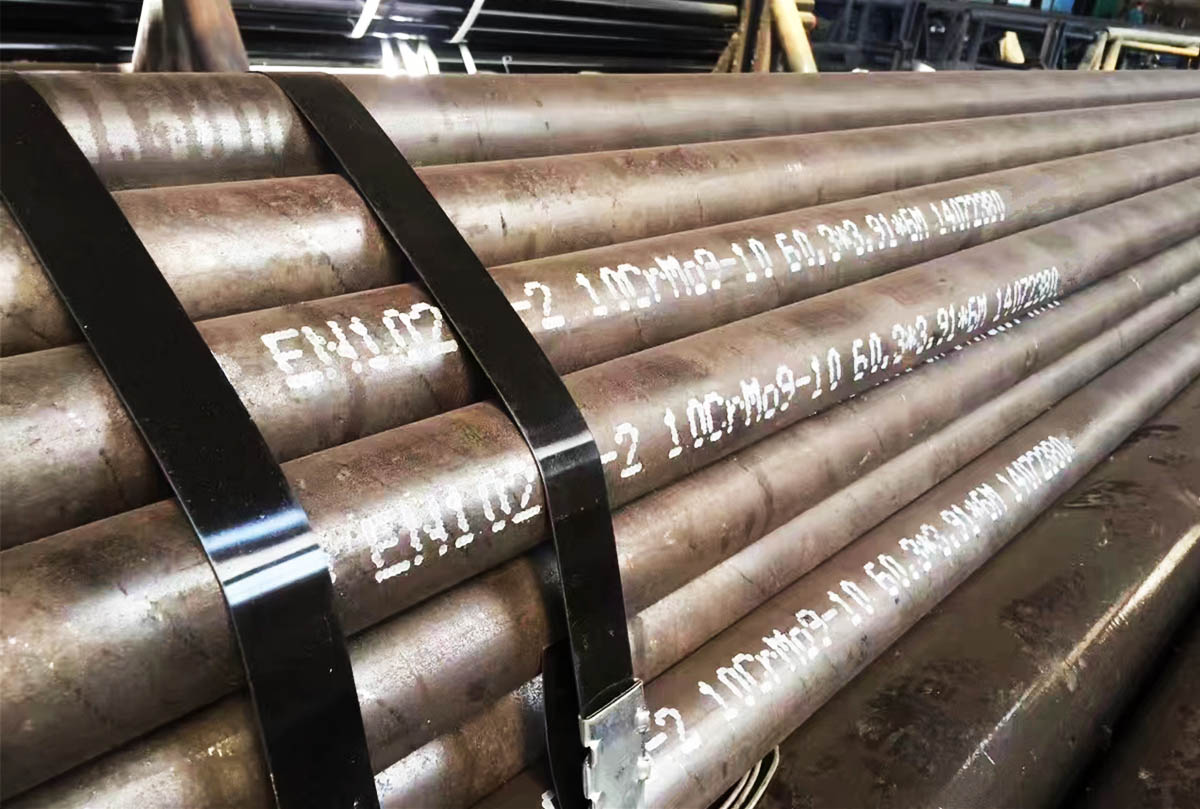
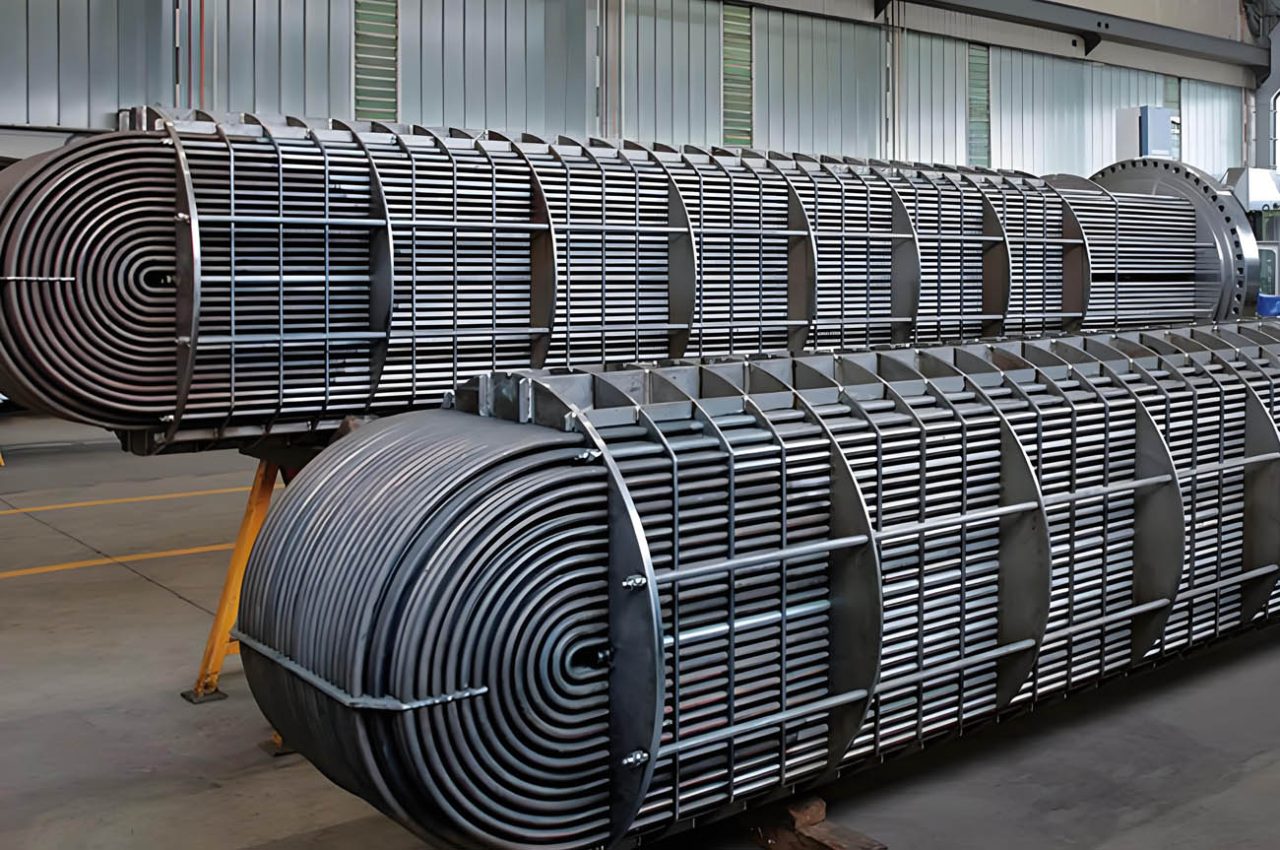
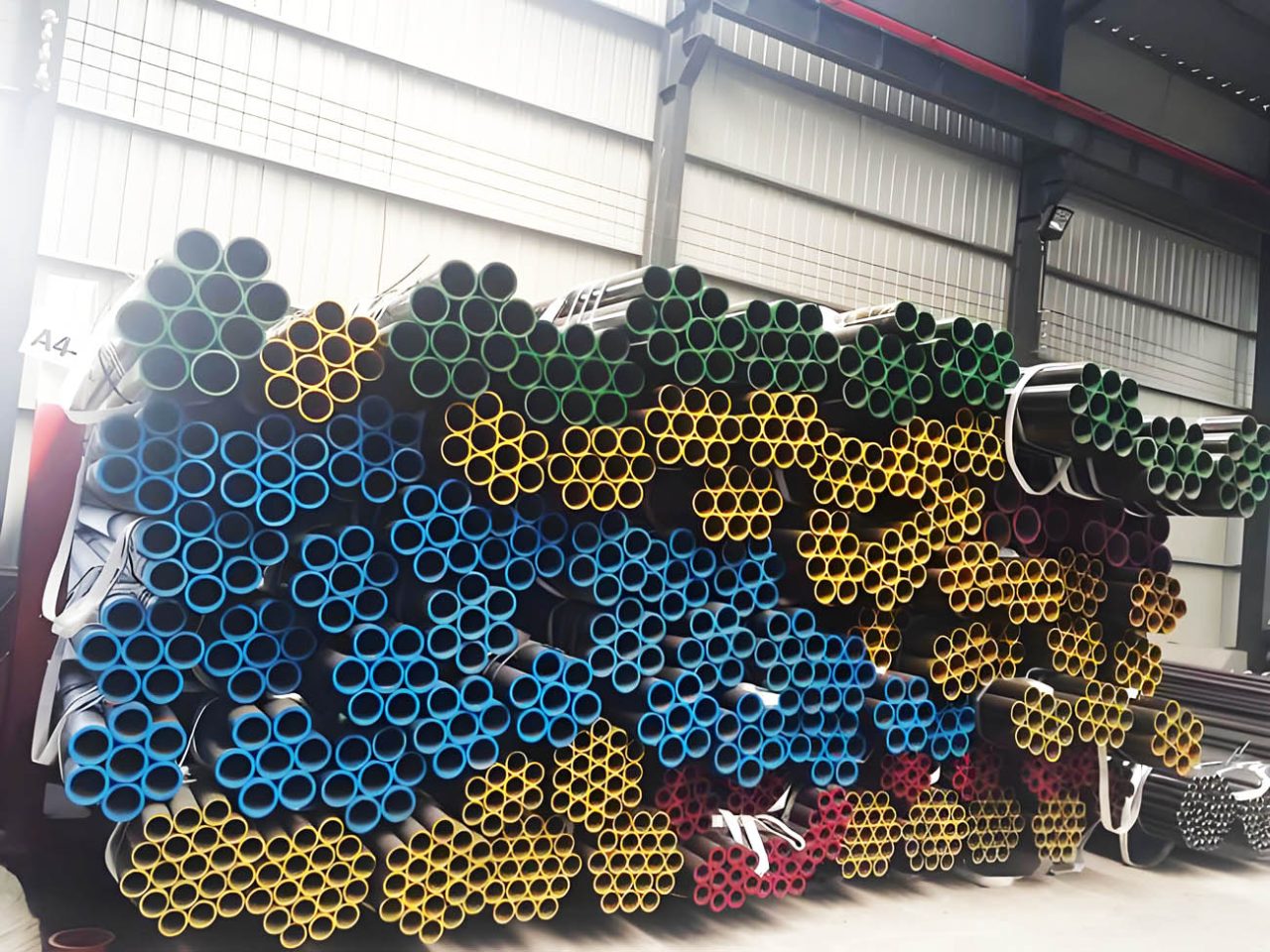
The ASTM International specifications for steel tubes list standard requirements for boiler and super heater tubes, general service tubes, steel tubes in refinery service, heat exchanger and condenser tubes, mechanical and structural tubing.