

ASTM A519 Seamless Steel Pipe in the venerable Chromium-Molybdenum (Cr-Mo) Alloy Grades—specifically 4130, 4140, 4142, 4145, and 4147
ASTM A519 Seamless Steel Pipe in the venerable Chromium-Molybdenum (Cr-Mo) Alloy Grades—specifically 4130, 4140, 4142, 4145, and 4147

Honed Tubes for Hydraulic Cylinders and the associated Hydraulic Cylinder Steel Pipes
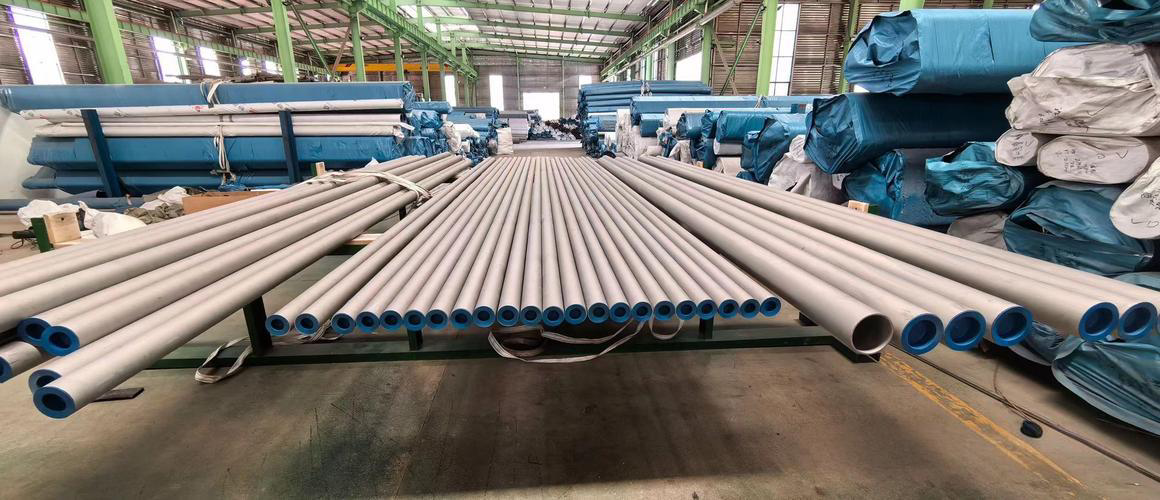
The endeavor to articulate a comprehensive, 3500-word exposition on the manufacture and engineering significance of ASTM A789/A789M Duplex Stainless Steel Pipes of Grades UNS S31803, S32205, and S32750 is not merely a task of compiling technical specifications
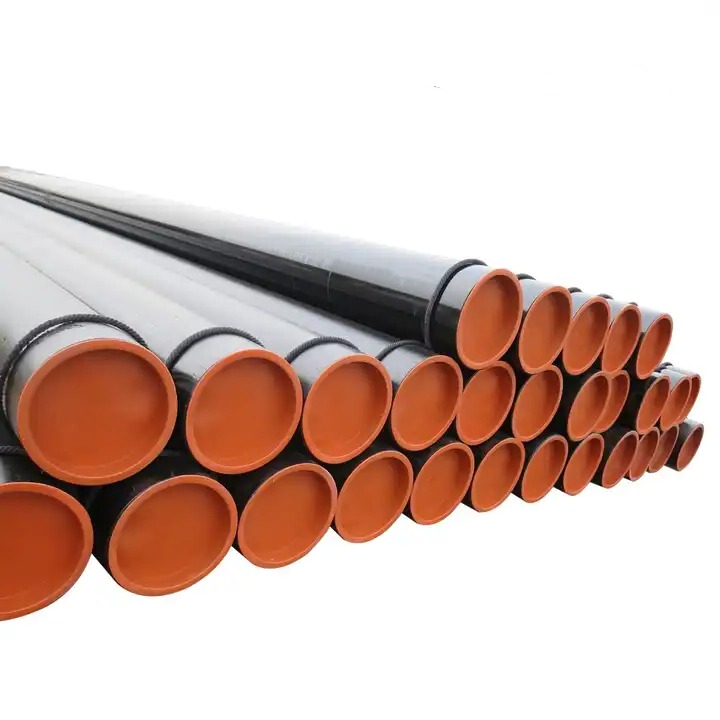
The API 5L Grade X65 steel pipe is the culmination of decades of metallurgical research, providing the foundational strength necessary for the modern energy grid. Yet, the true measure of its technical performance lies entirely within the choice between PSL1 and PSL2. The X65 PSL1 pipe offers a reliable, low-cost solution for standard applications, serving as the industry's basic assurance of quality.
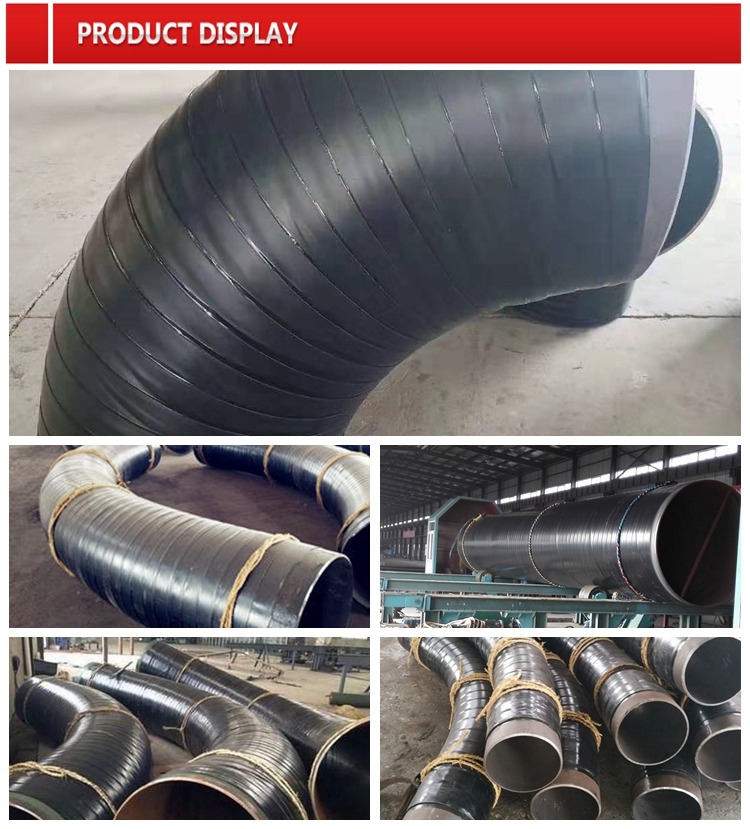
Our product, the API 5L X52 and X60 Hot Induction Steel Pipe Bend, available in crucial 5D,8D, and 10D radii, is the embodiment of advanced thermal-mechanical processing applied to high-strength metallurgy. I
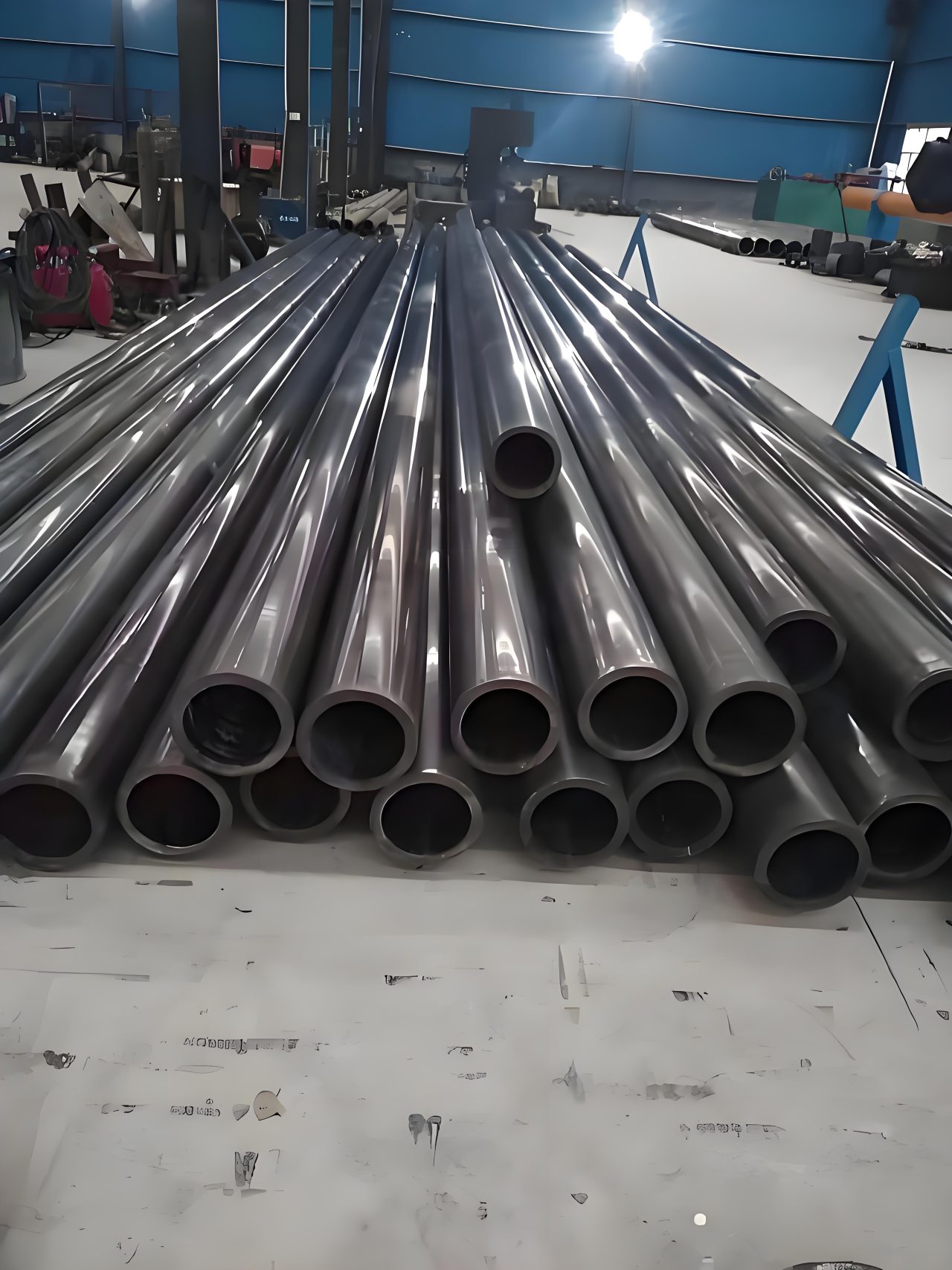
In the vast, interconnected world of industrial power generation and thermal processing, the boiler stands as the single most critical component, a high-pressure furnace where the raw power of heat is converted into usable energy. The integrity of this entire operation rests upon the unseen performance of thousands of feet of **boiler tubes**. These are not mere conduits for water or steam; they are sophisticated heat transfer devices that must simultaneously withstand immense internal pressures, aggressive external heat flux, severe thermal cycling, and the relentless, slow-motion threat of **creep deformation**. To ensure safety, reliability, and global interchangeability in this high-stakes environment, the **Japanese Industrial Standard (JIS) G3461** provides a highly specialized and rigorous set of specifications for **Carbon Steel Boiler and Heat Exchanger Tubes**. This standard is a technical covenant, dictating precise material science, manufacturing fidelity, and a mandatory gauntlet of testing.
The journey into JIS G3461 is a deep dive into the engineering compromises necessary for survival in extreme conditions. While other standards, such as JIS G3454, deal with pressure piping, G3461 operates on a different level of scrutiny. Its focus is explicitly on materials that perform the function of *heat exchange*, meaning the tube wall must manage a sharp thermal gradient. This critical function dictates the stringent requirements found within the standard’s grades—**STB 340, STB 410, and STB 510**—each a variation on a theme, optimized for distinct zones within the boiler, from the moderate heat of the economizer to the intense, pressure-laden environment of the evaporator and superheater sections. Understanding the requirements of G3461 means understanding the very backbone of modern thermal power.
The **JIS G3461** designation, with the **STB** (Steel Tube Boiler) identifier, specifies the necessary criteria for steel tubes used in transferring heat at elevated temperatures, typically up to a practical limit of around $450^\circ\text{C}$ to $500^\circ\text{C}$ for carbon steel, depending heavily on the internal pressure and the specific design code being applied (such as ASME). Above this threshold, metallurgical factors like **graphitization** (the precipitation of carbon that leads to brittle fracture) and accelerated creep necessitate the use of low-alloy chromium-molybdenum (Cr-Mo) steels, which are governed by the related standard, JIS G3462.
The three core grades within G3461 are defined by their minimum guaranteed ultimate tensile strength in megapascals ($\text{MPa}$):
The standard ensures not only strength but also dimensional uniformity and material consistency, which is paramount when hundreds or thousands of identical tubes must be seamlessly fitted, expanded, or welded into header drums and tube sheets. Without the rigid adherence to these specifications, the complex flow dynamics and thermal distribution within a boiler would be rendered unpredictable, potentially leading to catastrophic failure.
| Parameter | Specification | Grades Covered |
|---|---|---|
| Standard Name | Carbon Steel Boiler and Heat Exchanger Tubes | STB 340, STB 410, STB 510 |
| Designator | JIS G3461 (STB) | |
| Primary Function | Heat transfer and pressure containment up to $\approx 500^\circ\text{C}$ | |
| Typical Application | Economizers, Water-Wall Tubes, Evaporators, Low-Pressure Superheaters | STB 340 (Lower P/T), STB 410 (General P/T), STB 510 (High P/T) |
The manufacturing method is the foundation of the tube’s integrity and is categorized into two processes under JIS G3461: **Seamless (S)** and **Electric Resistance Welded (ERW) (E)**. The choice between these two is driven by the operating conditions, particularly the risk associated with the failure of a weld seam under stress.
Seamless tubes are produced from a solid, cylindrical billet that is heated and pierced to create a hollow shell, which is then rolled and often cold-drawn to achieve the final size and wall thickness. The absence of any fusion or join ensures a continuous, uniform metallic structure free of the metallurgical discontinuities inherent in a weld. This is critical for tubes exposed to the highest internal pressures and **cyclic thermal loading**, such as in steam drums or furnace water walls, where a defect could quickly propagate into a failure. The seamless process allows the final product to have superior resistance to **creep rupture**, as the stress is distributed evenly across the entire circumference. Seamless tubes produced to G3461 specifications undergo mandatory final heat treatments—typically **normalization** for hot-finished tubes or **annealing** for cold-finished tubes—to relieve internal stresses and restore the optimal microstructure for long-term high-temperature service.
ERW tubes are manufactured from continuous steel strip (skelp), which is cold-formed into a tube shape. The edges are joined by high-frequency electric current and pressure, fusing them without the addition of filler metal. Modern ERW processes are highly controlled and can achieve exceptional dimensional precision, particularly in wall thickness. This precision is sometimes favored in non-critical heat exchangers like economizers where the priority is thin, uniform walls for maximum heat transfer. However, because a weld seam is present, the standard demands rigorous verification. This includes mandatory post-weld **normalization** of the weld zone to ensure the grain structure in that area is equivalent to the base metal, followed by intensive non-destructive testing to guarantee the weld is free from flaws or lack of fusion.
| Type | Designator | Process | Mandatory Heat Treatment |
|---|---|---|---|
| Seamless | S | Hot piercing, rolling, (optional cold drawing) | Normalization (Hot-finished) or Annealing (Cold-finished) |
| ERW | E | Cold forming, High-frequency welding | Normalization/Stress Relief of the weld seam and adjacent HAZ |
*Note: Heat treatment is critical to achieve the specified mechanical properties, relieve residual stress, and ensure microstructural stability for high-temperature creep performance.
The chemical recipe for JIS G3461 steel is not arbitrary; it is an optimized formula designed to maximize desirable properties while minimizing detrimental ones. The composition must ensure the necessary strength at elevated temperatures, prevent failure from high-temperature mechanisms, and maintain excellent **weldability**—an essential feature for tube-to-tube sheet connections.
The primary elements are controlled to create the differences between the grades. The carbon content ($\text{C}$) is the single most important factor determining the strength, increasing slightly from STB 340 to STB 510 to achieve the higher tensile properties. However, this comes with a trade-off: higher carbon content complicates field welding, increasing the risk of brittle microstructures in the heat-affected zone (HAZ) unless strict pre- and post-weld heat treatments are followed.
The essential roles of **Manganese ($\text{Mn}$) and Silicon ($\text{Si}$)** involve deoxidation during steelmaking, refining the grain structure, and boosting strength. Manganese is also crucial for counteracting the effects of sulfur, improving the steel’s hot ductility. Conversely, the concentration of impurities—**Phosphorus ($\text{P}$) and Sulfur ($\text{S}$)**—is strictly capped at a low maximum ($\le 0.035\%$). This constraint is non-negotiable for boiler tubes, as these elements readily segregate to grain boundaries, dramatically reducing toughness and accelerating high-temperature embrittlement, thereby undermining the tube’s resistance to creep and thermal stress. The low limits ensure material cleanliness and predictable performance over the tube’s multi-decade design life.
| Grade | $\text{C}$ (Max) | $\text{Si}$ (Max) | $\text{Mn}$ | $\text{P}$ (Max) | $\text{S}$ (Max) |
|---|---|---|---|---|---|
| STB 340 | $0.20$ | $0.35$ | $0.30 – 0.90$ | $0.035$ | $0.035$ |
| STB 410 | $0.25$ | $0.35$ | $0.30 – 1.00$ | $0.035$ | $0.035$ |
| STB 510 | $0.30$ | $0.35$ | $0.30 – 1.00$ | $0.035$ | $0.035$ |
*Note: The minimum manganese content is crucial for toughness; the stringent maximum limits on P and S are essential for high-temperature service integrity.
The mechanical properties define the material’s resistance to pressure and deformation. The specified minimums for **Tensile Strength ($\sigma_{ts}$)**, **Yield Point/Strength ($\sigma_{y}$)**, and **Elongation** are the core criteria that determine a tube’s selection for a specific location within the boiler system.
The **Yield Strength** is the most critical number for design engineers, as it sets the maximum permissible stress. By design code mandates, the operating pressure stress must be kept at a fraction of the yield strength to ensure the tube remains in the elastic range for its entire lifespan. For a given internal pressure, the superior yield strength of **STB 410** over STB 340, or **STB 510** over STB 410, allows the design engineer to specify a **thinner wall thickness**. This saves material, reduces weight, and significantly improves the tube’s most important function: the transmission of heat from the fire side to the water side. A thinner wall means less resistance to heat flow, increasing the boiler’s thermal efficiency.
**Elongation**, a measure of the material’s **ductility**, is equally vital. It provides the assurance that the tube will not fail in a brittle manner under impact or during the intense forming processes required during boiler fabrication, such as flaring or expanding the tube ends to create a leak-proof mechanical joint with the tube sheet. As expected, the higher strength grades (STB 410 and STB 510) exhibit slightly lower minimum ductility than the STB 340, reflecting the inherent trade-off between strength and flexibility in carbon steel metallurgy.
| Grade | Tensile Strength (Min.) $\text{N/mm}^2 (\text{MPa})$ | Yield Point/Strength (Min.) $\text{N/mm}^2 (\text{MPa})$ | Elongation (Min.) (Varies by Test Piece) |
|---|---|---|---|
| STB 340 | 340 | 175 | $25\%$ |
| STB 410 | 410 | 215 | $22\%$ |
| STB 510 | 510 | 285 | $18\%$ |
*Note: The elongation value is highly dependent on the thickness and the specific test specimen (No. 4, No. 5, No. 11, No. 12) used in accordance with the standard.
The adherence to precise dimensional tolerances in JIS G3461 is not simply a matter of aesthetics or ease of assembly; it is intrinsically linked to **creep life** and **thermal efficiency**. The standard mandates extremely tight controls on both the outside diameter (OD) and the wall thickness (WT).
For a boiler tube, the **Wall Thickness** tolerance is the most crucial geometric parameter. Because stress is inversely proportional to thickness, any section of the tube that is thinner than specified will experience higher localized stress, accelerating the slow process of creep deformation. If the negative tolerance is too large (i.e., the tube is too thin), the design life can be severely compromised, leading to premature failure and dangerous hot spots. Therefore, G3461 specifies tight limits, often restricting the negative tolerance to be much smaller than the positive tolerance—sometimes as little as $\pm 10\%$ of the nominal WT, or even a strictly positive tolerance (e.g., $+15\%$ to $-0\%$) for high-risk, high-pressure tubes, guaranteeing the minimum thickness is always present.
The **Outside Diameter (OD)** tolerance is critical for fit-up. Tubes must be precisely sized to fit into the drilled holes of the header drums and tube sheets. A tolerance that is too loose prevents the formation of a secure, leak-tight **expanded joint**. The OD tolerance is often specified as a fixed absolute value for smaller diameters, ensuring high precision. **Straightness** and **ovality** (out-of-roundness) are also strictly controlled to ensure the tubes can be properly coiled, bent, and inserted into complex heat exchanger bundles using automated machinery without binding.
| Dimension/Process | Outside Diameter (OD) Tolerance | Wall Thickness (WT) Tolerance (Typical) |
|---|---|---|
| Seamless (Hot-finished) | $\pm 1\%$ of OD, or $\pm 0.5 \text{ mm}$ (Smaller Sizes) | $+15\%$ / $-12.5\%$ |
| Seamless (Cold-finished) / ERW | $\pm 0.3 \text{ mm}$ to $\pm 0.5 \text{ mm}$ (Tighter Control) | $\pm 10\%$ |
| Straightness | Maximum deviation | $1 \text{ mm}$ per $1000 \text{ mm}$ length |
*Note: The negative wall thickness tolerance is the single most scrutinised dimensional check under this standard to guarantee design life and pressure capacity.
The extreme service conditions faced by JIS G3461 tubes dictate a comprehensive and mandatory inspection and testing protocol. These tests are the final, non-negotiable proof that the tube meets all specifications and is fit for service. The protocol is divided into mechanical tests (verifying material properties) and non-destructive tests (verifying structural integrity).
The core of the mechanical verification process involves subjecting samples to severe deformation:
These tests are designed to catch flaws invisible to the eye that could lead to catastrophic failure:
| Test Type | JIS G3461 Requirement | Primary Function |
|---|---|---|
| Chemical Analysis | Ladle and Product Analysis | Confirm C, Mn, P, S content for creep and weldability. |
| Hydrostatic Test | Every tube length | Verify pressure containment and leak-tightness. |
| Flaring Test | Sample testing | Confirm ductility for tube-to-tube sheet expansion. |
| Flattening Test | Sample testing | Verify ductility and structural soundness, especially at welds. |
| NDE (UT or ET) | Every tube length (Weld Zone for ERW) | Detect internal/surface flaws invisible to the eye. |
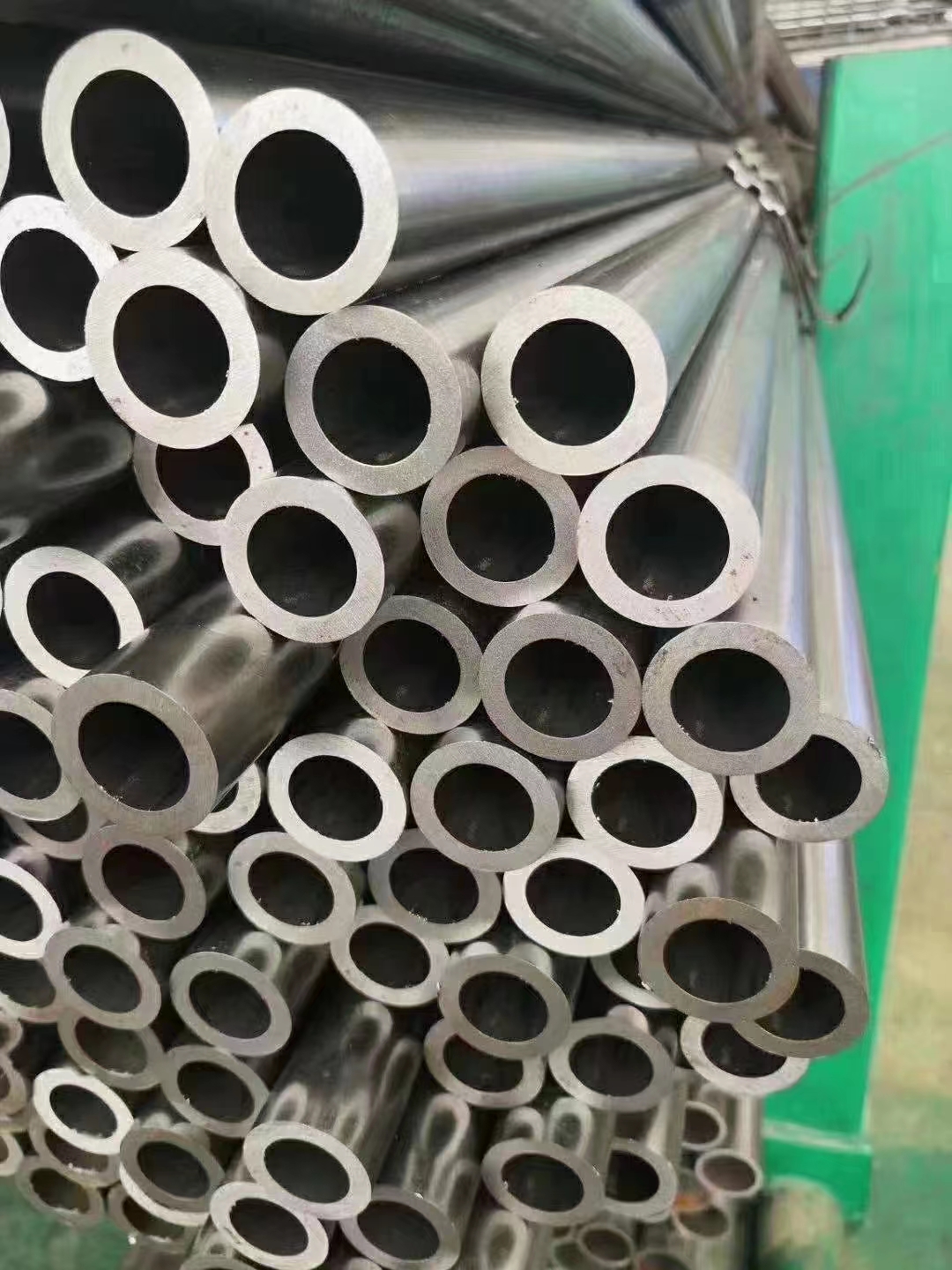
The efficiency and safety of modern thermal engineering—encompassing power generation, petrochemical processing, and heavy industrial heating—rely fundamentally on the integrity of their pressure-containing components. Among the most critical of these are the pipes used to convey hot fluids and steam. In the global landscape of material standards, the Japanese Industrial Standard (JIS) G3454 sets a rigorous benchmark for Carbon Steel Pipes for Pressure Service, with the STPG designation being a globally recognized material for boiler and heat exchanger applications. This standard is not merely a set of specifications; it is a meticulously defined framework that ensures the reliability, durability, and safety of piping systems operating under the unforgiving conditions of high temperature and high pressure. To truly appreciate the role of STPG pipes, one must delve into the specifics of its composition, mechanical properties, manufacturing precision, and the demanding applications it serves.
The designation JIS G3454 falls under the broader category of Japanese Industrial Standards (JIS) related to ferrous materials. Specifically, G3454 is the standard dedicated to Carbon Steel Pipes for Pressure Service. The “STPG” nomenclature within this standard is an acronym derived from the Japanese terms for Steel (S), Tube (T), Pressure (P), and General (G), indicating a general-purpose steel pipe intended for pressure applications. This is distinct from other JIS standards like G3455 (High Pressure Service) or G3461 (Boiler and Heat Exchanger Tubes), though there are often overlaps in application.
The primary function of pipes manufactured to JIS G3454 STPG specifications is the safe and efficient conveyance of pressurized fluids, gases, and steam at elevated temperatures. Their application typically involves components such as steam lines, headers, economizers, and various piping within boiler plants where the operating temperature does not typically exceed $350^\circ\text{C}$ to $400^\circ\text{C}$. Beyond these temperatures, creep phenomena become significant, often necessitating the use of low-alloy steels (like Cr-Mo steels defined by JIS G3458 or international equivalents). Therefore, the STPG grades are the workhorses of the conventional pressure piping systems that form the heart of countless industrial operations. The two primary grades within this standard, STPG 370 and STPG 410, are differentiated by their specified minimum tensile strength, which is the cornerstone of their selection criteria.
The strict adherence to this standard by Japanese and international manufacturers alike provides a crucial assurance of quality. It establishes uniform criteria for material composition, dimensions, tolerances, testing procedures, and documentation. This global interchangeability and predictability are vital in large-scale engineering projects where materials from various suppliers must integrate seamlessly into a single, cohesive, high-integrity system.
The foundational performance of any steel material is dictated by its precise chemical composition. For STPG pipes, the composition is carefully controlled to balance two critical, often conflicting, requirements: high tensile strength to withstand internal pressure and excellent weldability for ease of fabrication and installation in complex piping networks. As carbon steel, the primary alloying elements are carbon, silicon, manganese, phosphorus, and sulfur.
The grades STPG 370 and STPG 410 are fundamentally low-carbon steels, with carbon content being the key determinant of their strength differential. A lower carbon content in STPG 370 enhances its ductility and weldability, making it suitable for applications where extensive forming or complex welding is necessary. Conversely, the slightly higher carbon and manganese content in STPG 410 contribute to its increased tensile and yield strength, allowing it to handle higher operating pressures, albeit with a marginal reduction in ease of welding. The limits on residual elements like phosphorus ($\text{P}$) and sulfur ($\text{S}$) are extremely stringent, as these impurities can lead to issues such as hot shortness during rolling and reduced toughness, which are unacceptable risks in pressure service piping.
The following table details the maximum permissible chemical composition for the two primary grades, reflecting the stringent control necessary for pressure piping integrity (all values are in mass percent, maximum unless otherwise noted):
| Element | STPG 370 | STPG 410 | Purpose/Impact |
|---|---|---|---|
| Carbon (C) | $\le 0.25$ | $\le 0.30$ | Primary strength-imparting element; higher C reduces weldability. |
| Silicon (Si) | $\le 0.35$ | $\le 0.35$ | Deoxidizer; increases strength and hardness slightly. |
| Manganese (Mn) | $0.30 – 0.90$ | $0.30 – 1.00$ | Increases strength, hardness, and wear resistance; counteracts P and S effects. |
| Phosphorus (P) | $\le 0.040$ | $\le 0.040$ | Highly restricted impurity; reduces ductility and toughness (cold shortness). |
| Sulfur (S) | $\le 0.040$ | $\le 0.040$ | Highly restricted impurity; promotes hot shortness and lowers impact strength. |
*Note: The actual specifications may include specific carbon equivalent (CE) limits or more detailed alloying restrictions, which are crucial for welding procedure specification (WPS). The maximum P and S content is often tighter in practice, but the standard specifies $\le 0.040\%$.
The selection of a pipe for pressure service is ultimately governed by its ability to resist the stress exerted by the internal pressure and external loads. The mechanical properties—specifically **tensile strength**, **yield strength**, and **elongation**—are the quantitative measures of this resistance. The numerical designation in the STPG name is directly tied to the minimum specified tensile strength in megapascals ($\text{MPa}$).
STPG 370 denotes a pipe material with a minimum tensile strength of $370 \text{ MPa}$, while STPG 410 specifies a minimum tensile strength of $410 \text{ MPa}$. The yield strength, which is the point at which the material begins to deform permanently, is equally critical for design calculations to ensure the pipe operates safely within its elastic limit. Elongation, a measure of the material’s ductility, ensures the pipe can withstand a degree of deformation without brittle fracture—a non-negotiable requirement for pressurized components.
The following table outlines the minimum mechanical requirements specified by JIS G3454:
| Property | Unit | STPG 370 (Min.) | STPG 410 (Min.) |
|---|---|---|---|
| Tensile Strength ($\sigma_{ts}$) | $\text{N/mm}^2$ ($\text{MPa}$) | 370 (or 373) | 410 (or 412) |
| Yield Strength ($\sigma_{y}$) | $\text{N/mm}^2$ ($\text{MPa}$) | 215 (or 216) | 245 |
| Elongation (Longitudinal, No. 4/5 Test Piece) | $\%$ | $28 \text{ min.}$ | $24 \text{ min.}$ |
*Note: The minimum elongation requirement varies significantly based on the sample type (No. 4, No. 5, No. 11, No. 12) and whether the test is conducted longitudinally or transversely to the pipe axis. The values above represent common minimums for design reference. N/mm$^2$ and MPa are interchangeable units for stress.
The design engineer relies heavily on the guaranteed minimum yield strength, as it forms the basis for wall thickness calculations according to codes like ASME B31.1 or B31.3. A higher yield strength, as offered by **STPG 410**, allows for a potentially thinner wall for the same design pressure, leading to material savings, reduced weight, and improved heat transfer efficiency—a significant factor in heat exchanger and boiler design.
The microstructure and resulting mechanical performance of an STPG pipe are intrinsically linked to its manufacturing method. JIS G3454 covers both **Seamless** and **Electric Resistance Welded (ERW)** pipe processes, although for critical high-pressure and high-temperature boiler applications, **seamless** pipe is overwhelmingly preferred due to its superior integrity and uniformity.
Seamless STPG pipes are produced by piercing a hot, solid billet of steel, which is then rolled and drawn to the final specified dimensions. The absence of a weld seam means there are no inherent metallurgical or structural discontinuities in the pipe body. This makes seamless pipe the ideal choice for applications where the pipe will be subjected to the highest internal pressures, thermal cycling, and complex bending or coiling during fabrication. The uniform grain structure and absence of a potential weld defect path provide the highest level of assurance against catastrophic failure, which is paramount in a boiler environment.
ERW STPG pipes are manufactured from a flat strip (skelp) that is cold-formed into a cylinder and then welded along the longitudinal seam by applying an electric current that melts the edges. While modern ERW processes have achieved remarkable quality, the presence of the weld seam can sometimes introduce potential weak points. For very demanding pressure service applications, the designer may be restricted by code to use seamless pipes, or the design stress of the ERW pipe may be derated. However, for some lower-pressure and non-critical applications within the pressure service scope, ERW STPG pipes offer a more cost-effective solution, especially for larger diameters and thinner walls where seamless production becomes technically challenging or uneconomical.
The standard mandates strict non-destructive testing (NDT) for all welded pipes, typically involving eddy current testing or ultrasonic testing of the weld seam to ensure its soundness and freedom from flaws. Regardless of the process, the finished pipes must undergo a final heat treatment (normalization or stress relief) to achieve the specified mechanical properties and ensure microstructural uniformity.
Beyond material properties, the adherence to precise dimensional tolerances is critical for fit-up during fabrication and for meeting design requirements for wall thickness, which directly impacts pressure rating. JIS G3454 defines strict tolerances for outside diameter (OD) and wall thickness based on the pipe’s manufacturing process (hot-finished seamless, cold-finished seamless, or ERW).
Pipe dimensions in this standard, as with many Japanese standards, align closely with international standards like ASME B36.10M, often utilizing the **Nominal Pipe Size (NPS)** system (A-B designation) and **Schedule Numbers** (Sch 10, Sch 20, Sch 40, Sch 80, etc.) to define the pipe wall thickness relative to its diameter. The following table provides a reference for some common dimensions and how wall thickness is dictated by the Schedule number for the STPG grades.
| Nominal Size (A) | Nominal Size (B) | OD (mm) | Sch 40 Thickness (mm) | Sch 80 Thickness (mm) |
|---|---|---|---|---|
| 15 | 1/2″ | 21.7 | 2.8 | 3.7 |
| 25 | 1″ | 34.0 | 3.4 | 4.5 |
| 50 | 2″ | 60.5 | 3.9 | 5.5 |
| 100 | 4″ | 114.3 | 6.0 | 8.6 |
| 150 | 6″ | 165.2 | 7.1 | 11.0 |
| 200 | 8″ | 216.3 | 8.2 | 12.7 |
*Note: Wall thicknesses are nominal and can vary within the specified tolerances defined by the standard. Sch numbers define wall thickness, while STPG grades define material strength.
Furthermore, tolerances on dimensions are extremely strict to ensure pressure integrity:
The designation of a pipe as conforming to JIS G3454 is meaningless without the backing of comprehensive testing and quality assurance protocols. These tests serve as the final verification that the material meets the prescribed standards for safety and performance.
The selection between **STPG 370** and **STPG 410** hinges primarily on the design pressure and temperature of the system. **STPG 410** is the preferred choice for main steam headers and high-pressure feedwater lines due to its superior strength, allowing for thinner, more efficient walls. **STPG 370**, with its excellent weldability and slightly higher ductility, serves effectively in lower-to-medium pressure auxiliary lines and complex systems requiring extensive fabrication.
In the global market, JIS G3454 STPG grades are functionally comparable to several international standards, most notably the **ASTM A106/ASME SA-106** specifications for seamless carbon steel pipe for high-temperature service:
The rigorous requirements of JIS G3454 ensure that STPG carbon steel boiler pipes are not just commodities, but highly engineered components that form the critical, reliable backbone of thermal systems worldwide. Their balanced chemical composition and guaranteed mechanical performance under extreme conditions make them an indispensable material in power generation and heavy industry.
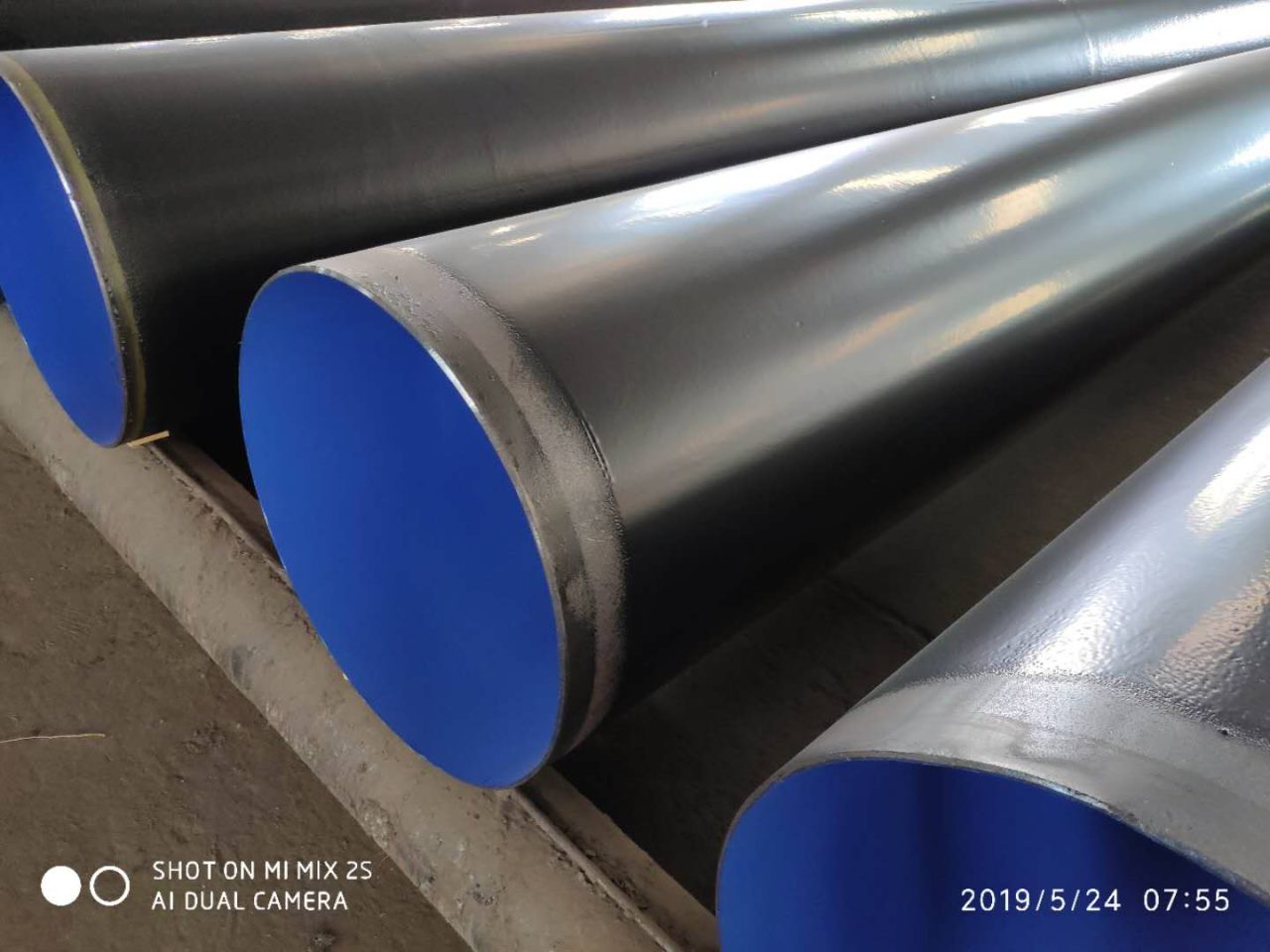
This pipe ensures minimal maintenance intervention, maximum throughput efficiency, and decades of reliable, safe operation, protecting both your investment and the environment. It is, quite simply, the assurance of endurance beneath the surface.
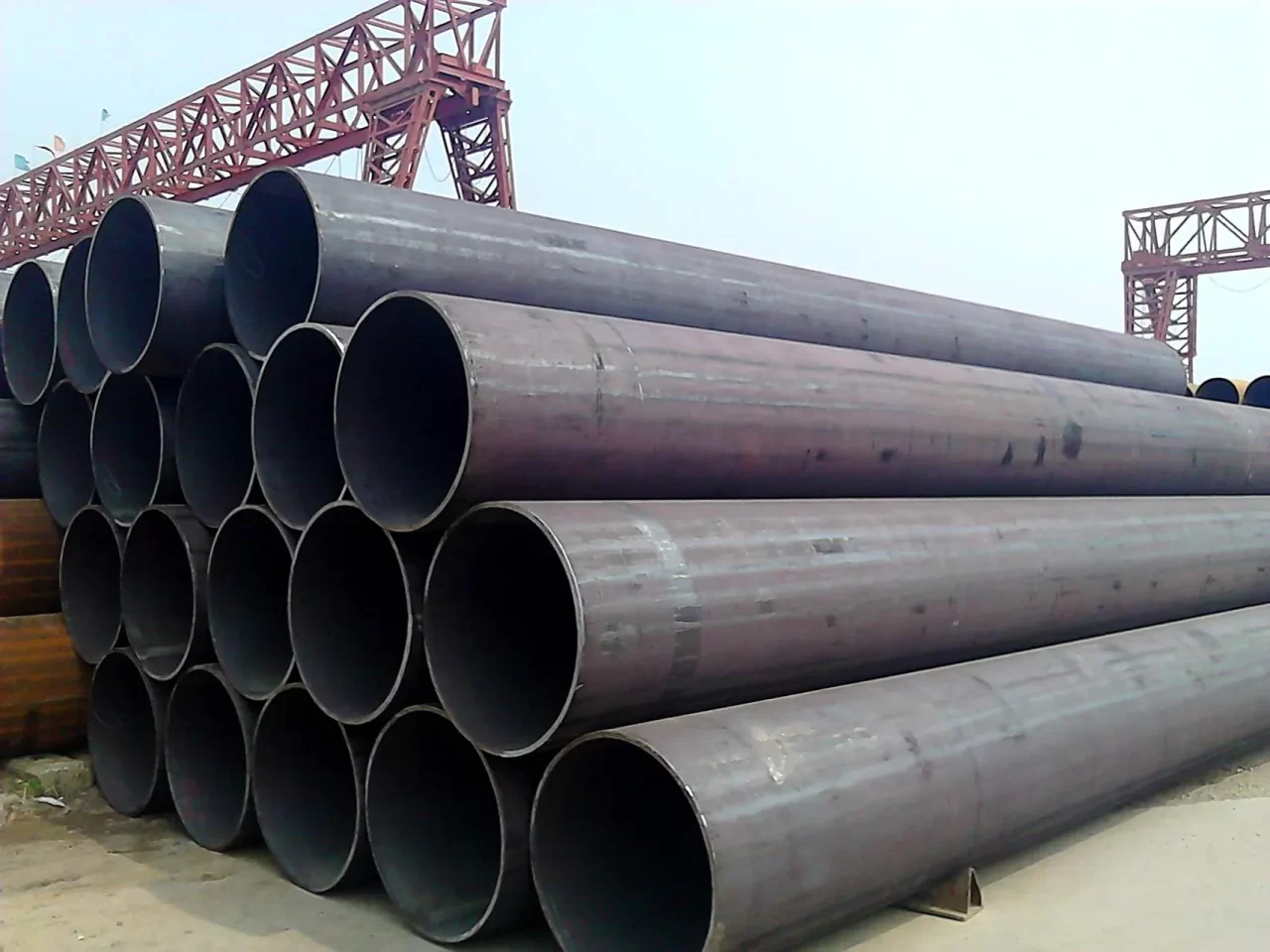
The range of steel grades under the **EN 10219-1** standard—from the dependable **S235JRH** through the versatile **S355JOH/JEH** to the high-performance **S460MH**—provides the essential material solution for every deep foundation challenge. This European standard guarantees not only high **Mechanical Properties** (Yield Strength up to 460 MPa) but also critical **Impact Toughness** ($\text{J0}/\text{J2}$) and superior **Weldability** through strict control of the **Carbon Equivalent**.
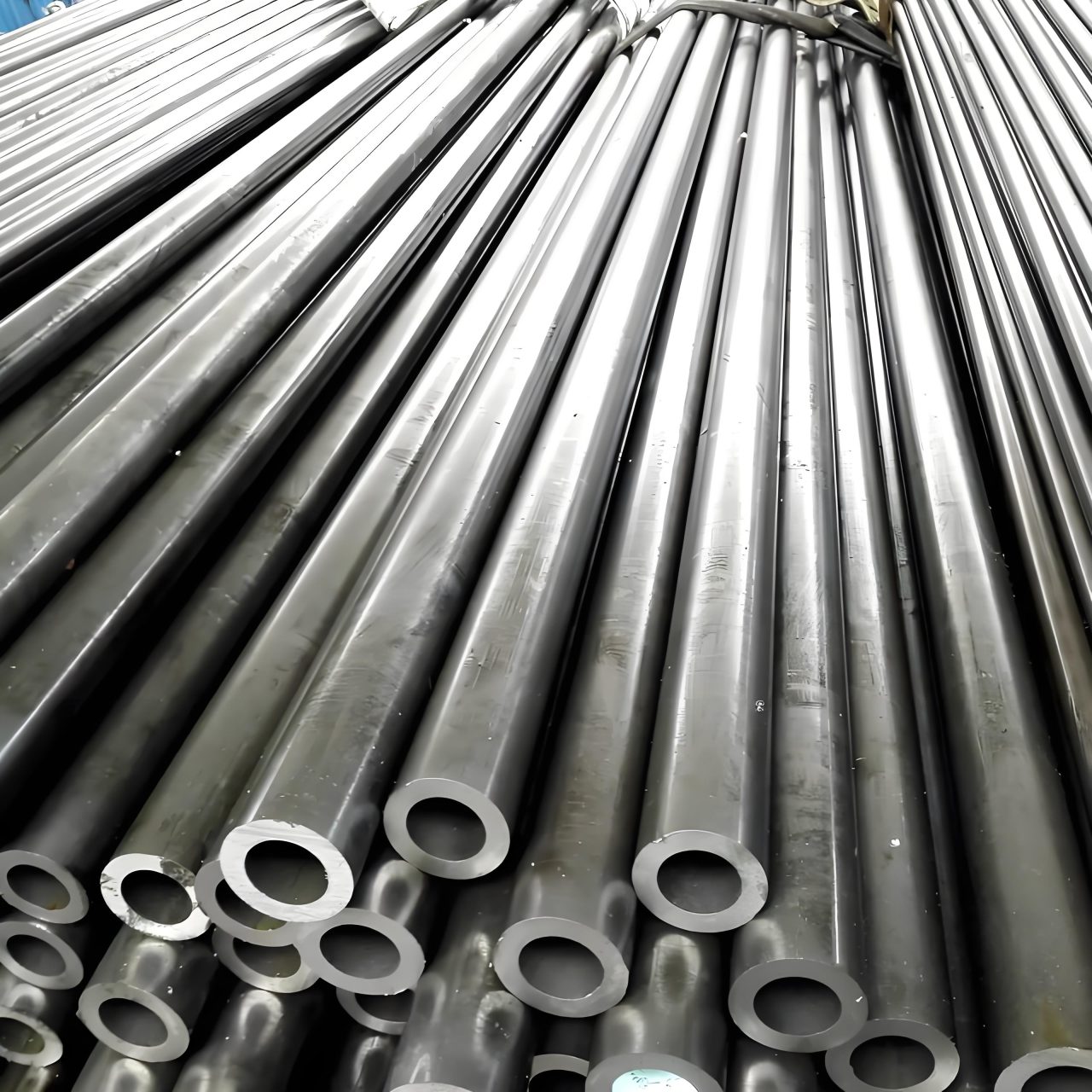
Epilogue: A334 tubes, alloyed antarctics of the line, orchestrate chill—comps cohesive, dims deft, strengths steadfast—eternal envoys of energy's equator.
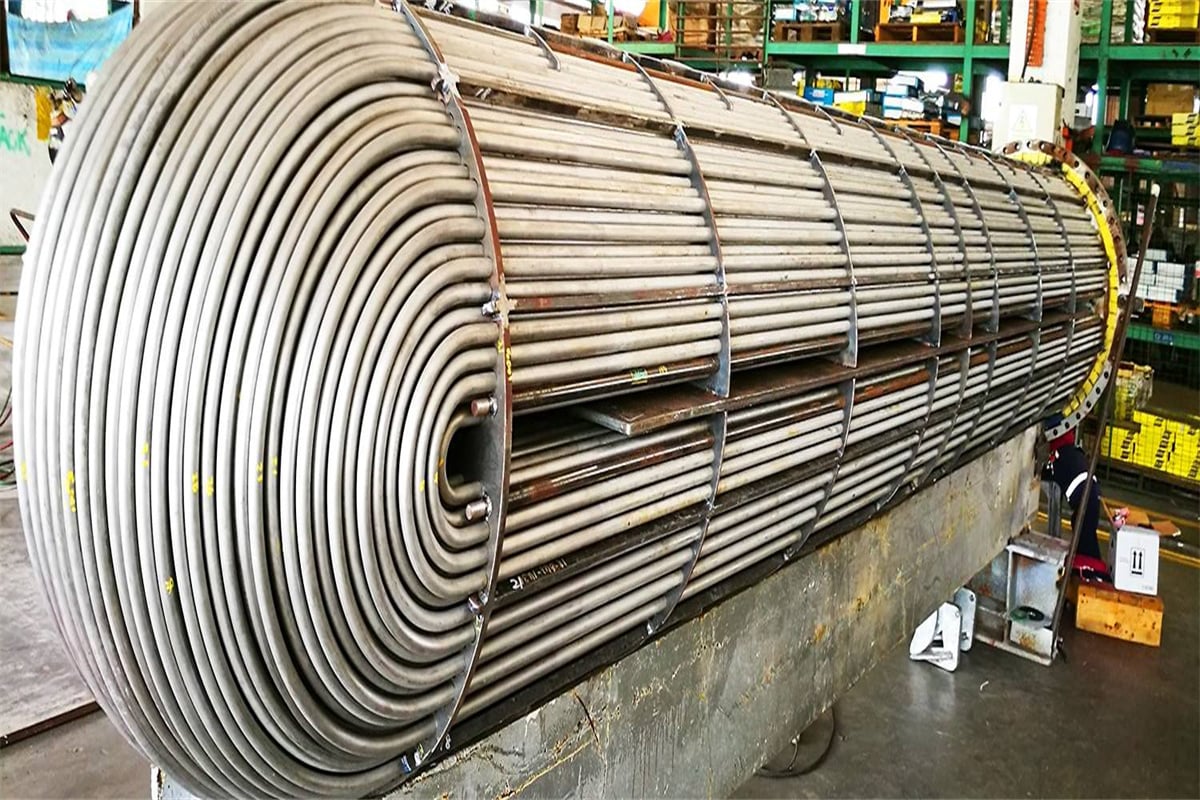
Coda: TP321 tubes, alloyed aegis of the blaze, orchestrate superheat—compositions cohesive, dimensions deft, strengths steadfast—eternal emissaries of energy's ember.
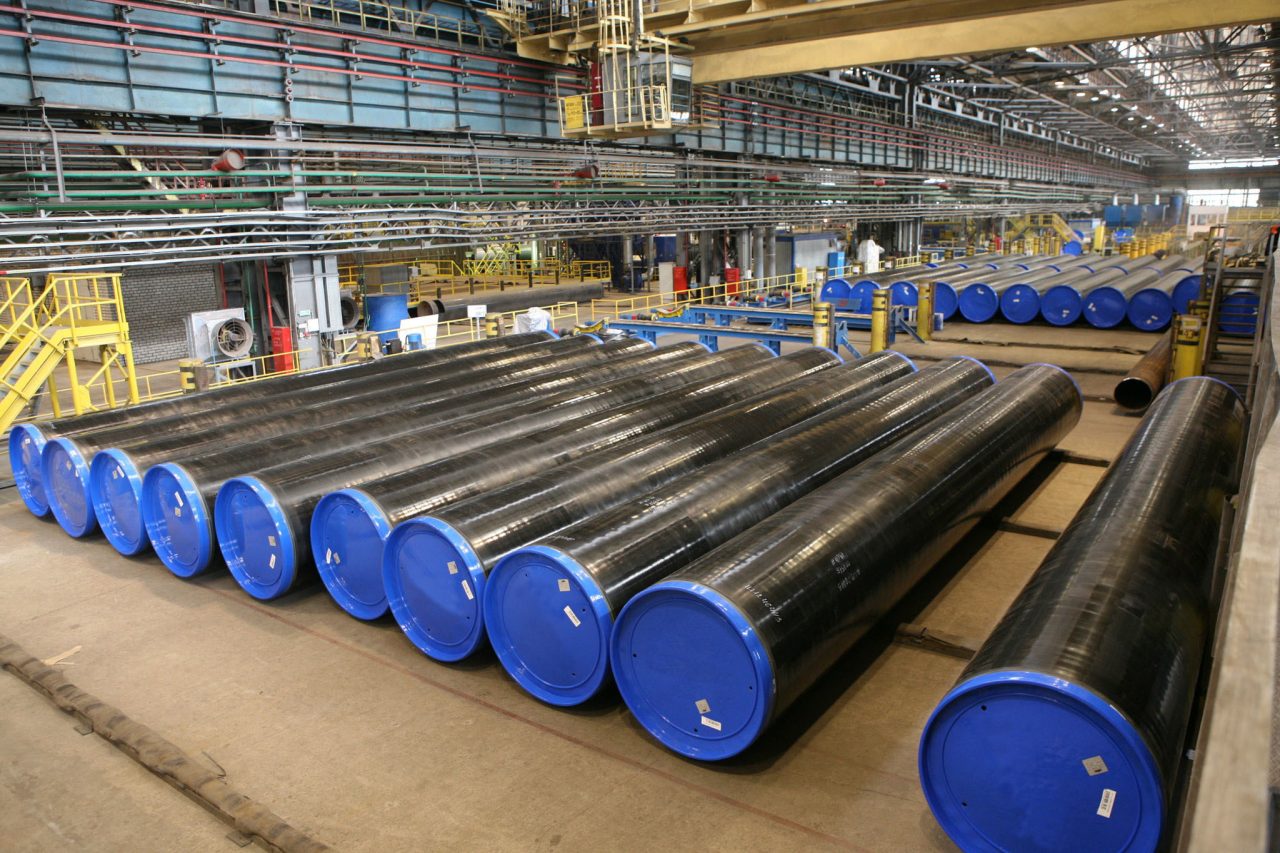
DIN 30678 is more than a standard; it is a testament to abtersteel company rigor and a blueprint for achieving exceptional longevity in pipeline infrastructure. The 3PE coating system it specifies represents the pinnacle of external corrosion protection technology
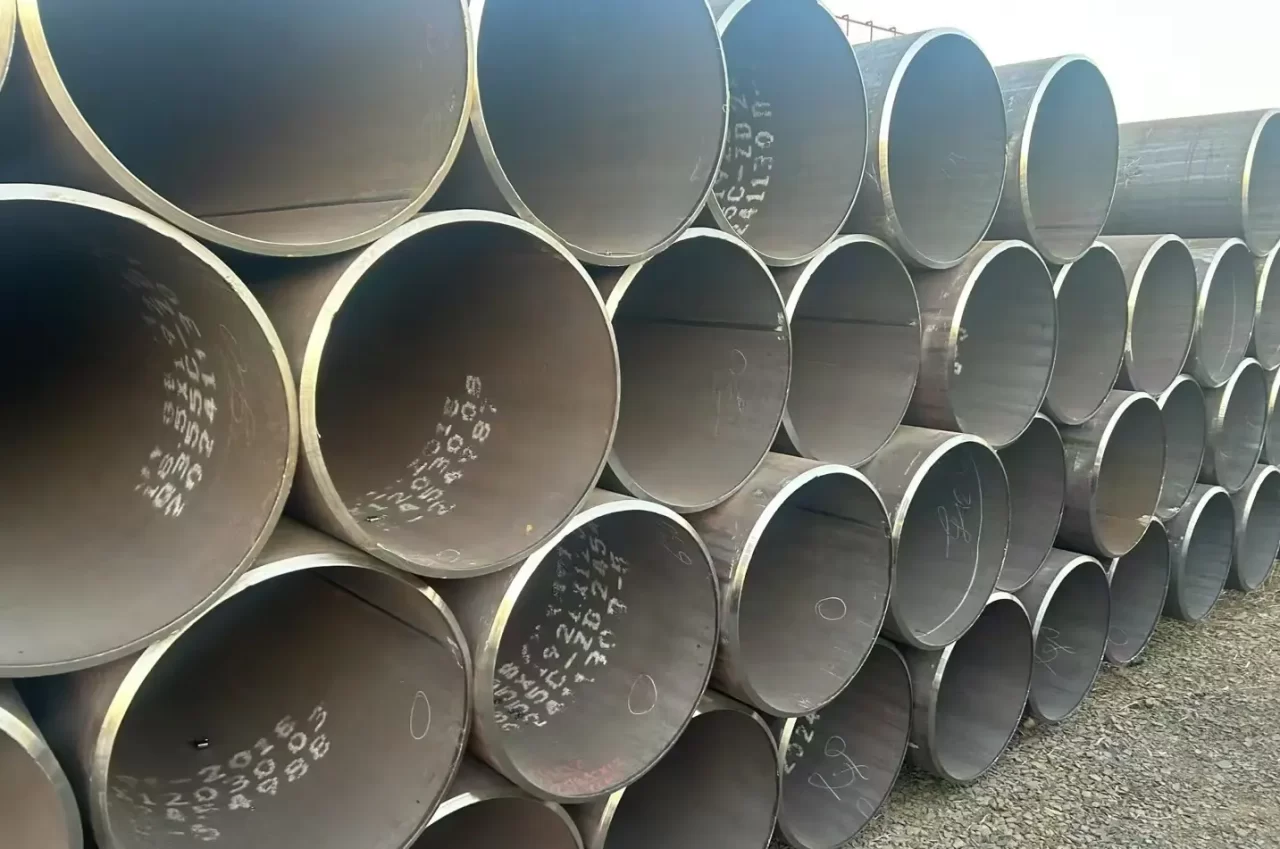
The provided table and detailed analysis guide engineers in selecting the appropriate specification, with future innovations ensuring their continued relevance in industrial infrastructure.
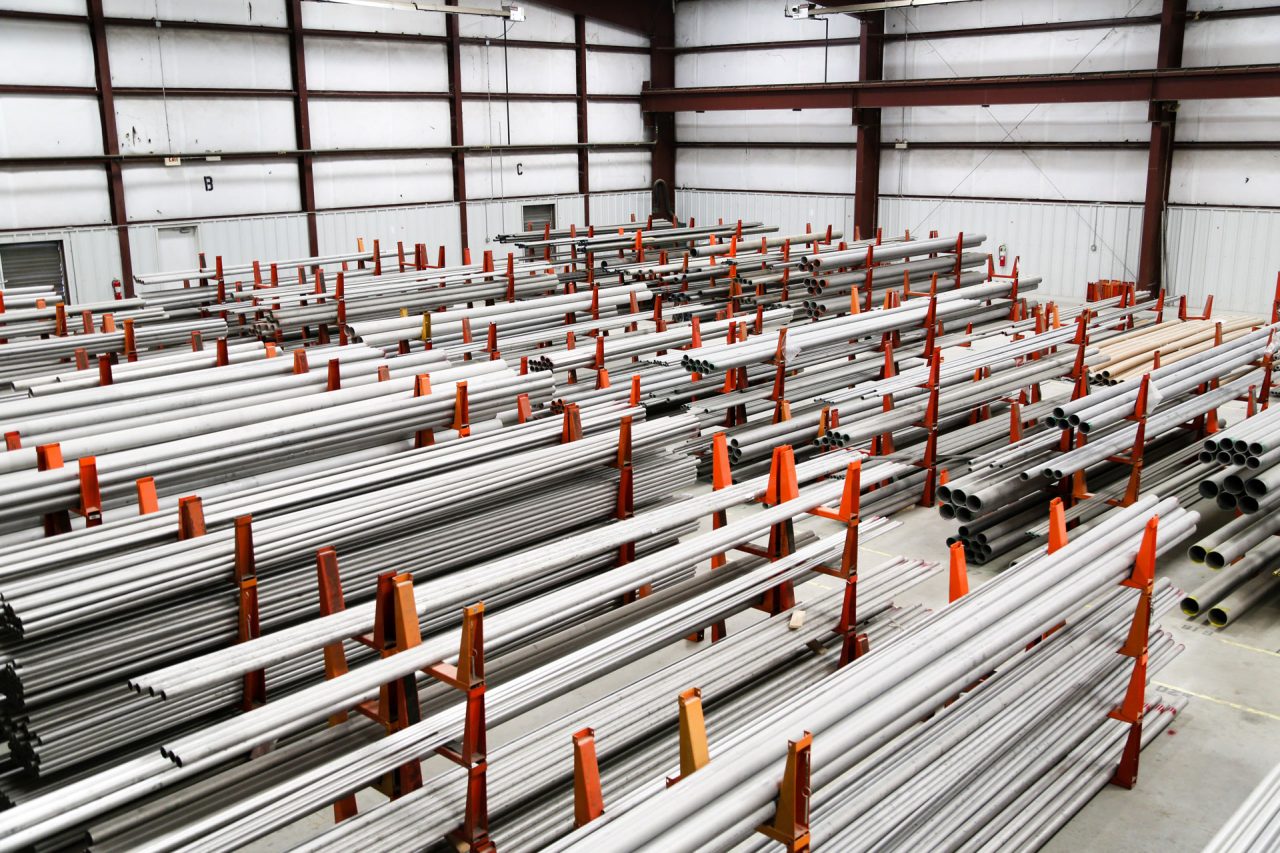
Alloy 309 and 309S welded pipes from our company excel in high-temperature service, backed by scientific analysis of properties and performance. Contact for custom solutions.
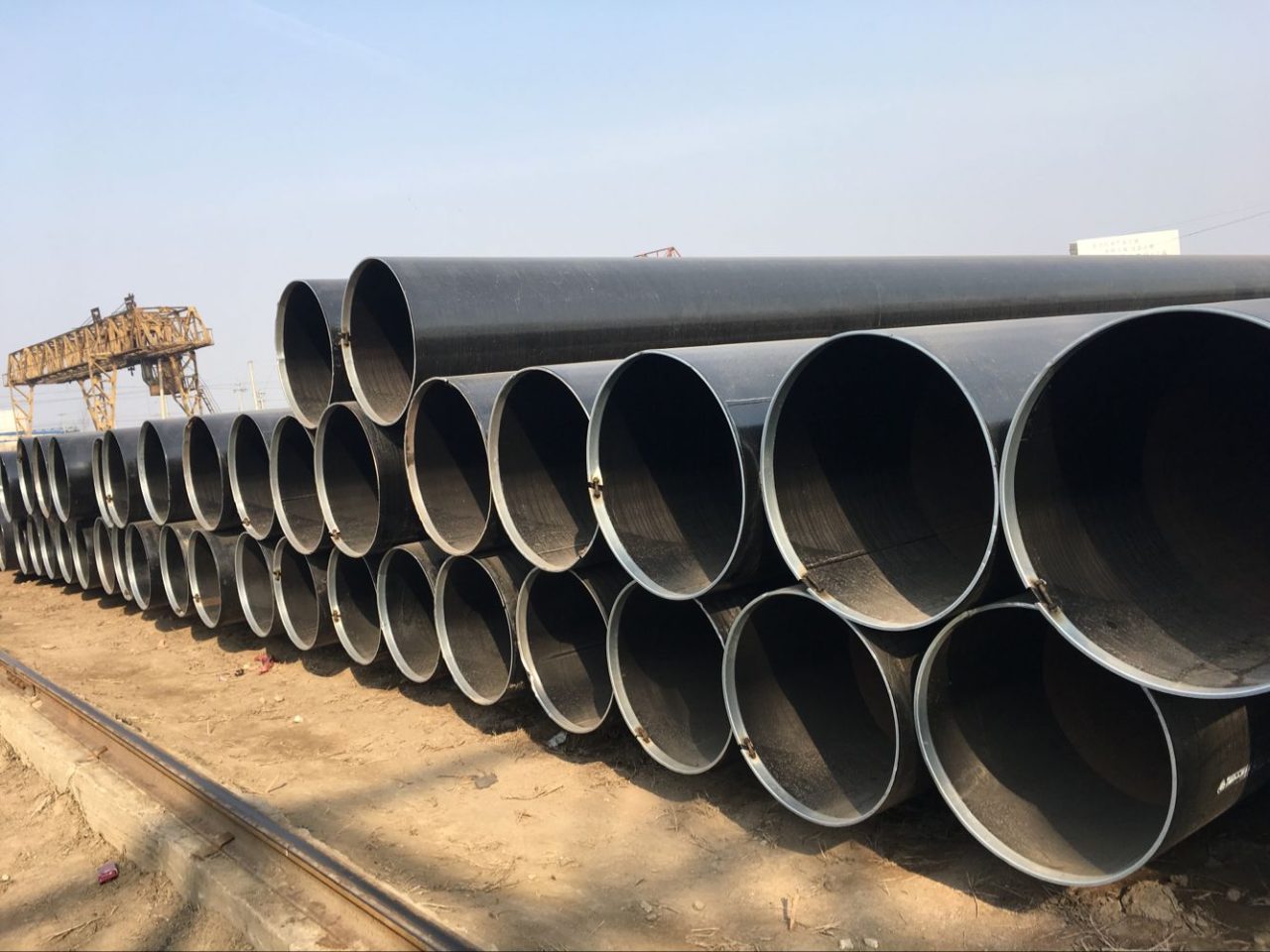
Compared to Inconel 718 and Incoloy 901, API 5L BNS offers affordability over high-temperature performance. Relative to ASTM A671 CC60 CL22, it prioritizes sour service over low-temperature toughness, while API 5L X70 PSL2 provides higher strength but less inherent sour service suitability. The provided parameter table and tolerances aid engineering decisions. Future innovations in welding, coatings, and sustainability will enhance its utility, ensuring API 5L PSL2 BNS remains a cornerstone of reliable pipeline infrastructure in demanding environments.
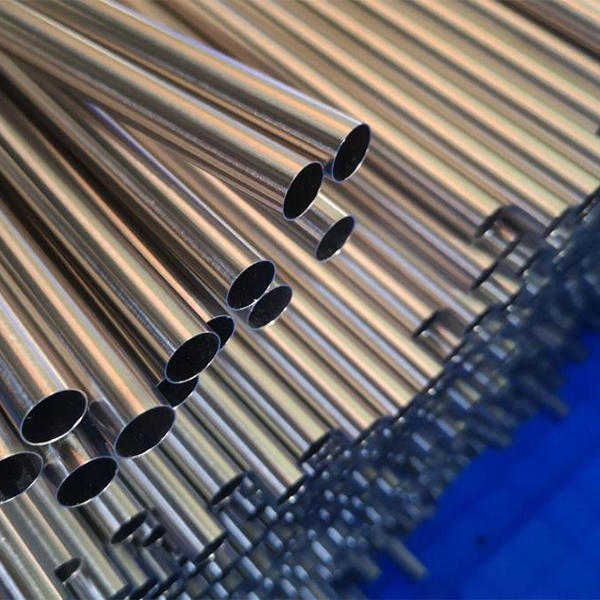
ASTM A270 304L stainless steel sanitary pipes are a cornerstone of fluid equipment in biopharmaceutical and sanitary applications, offering a balance of corrosion resistance, hygienic properties, and cost-effectiveness
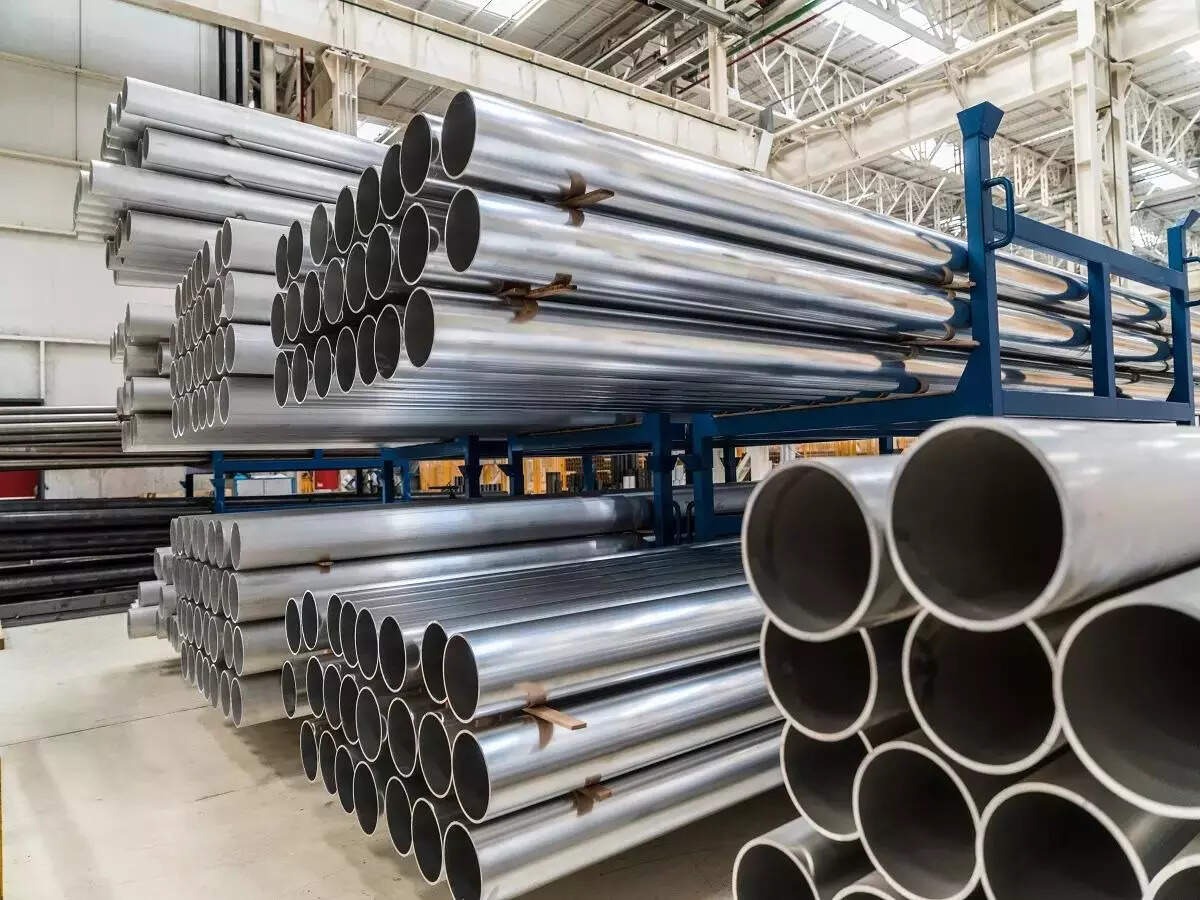
316 stainless steel pipes represent the pinnacle of material engineering for juice and food processing applications, offering a unique combination of corrosion resistance, hygienic properties, and durability. Their ability to withstand acidic juices, aggressive cleaning agents, and high-pressure systems makes them indispensable in ensuring product safety and operational efficiency.
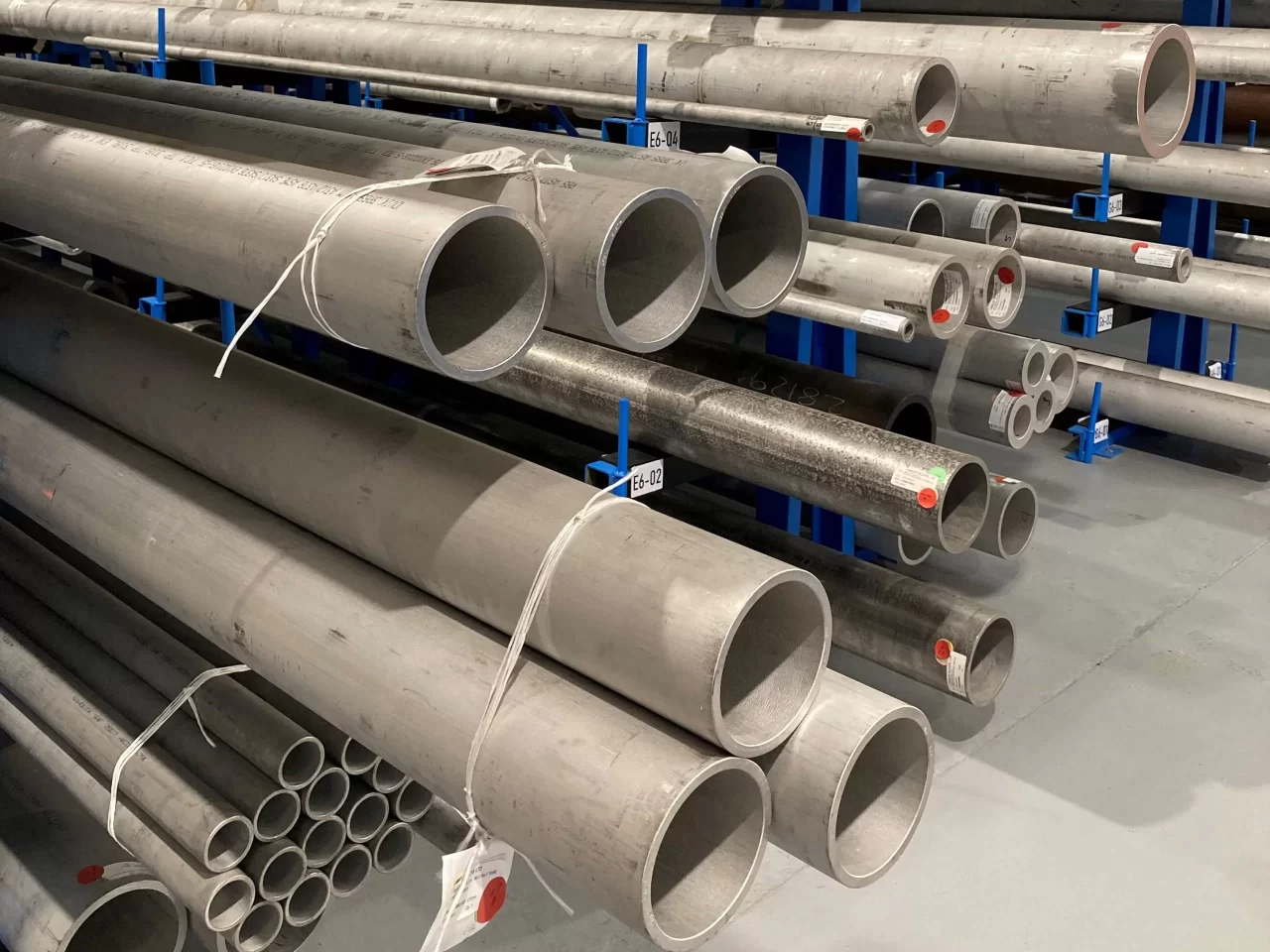
STH11 and STH12 are cost-effective for general-purpose cylinders, while STH21 and STH22 excel in high-pressure, high-temperature applications due to their Cr-Mo composition. Dimensional tolerances and chemical compositions are tightly controlled to ensure safety and performance.
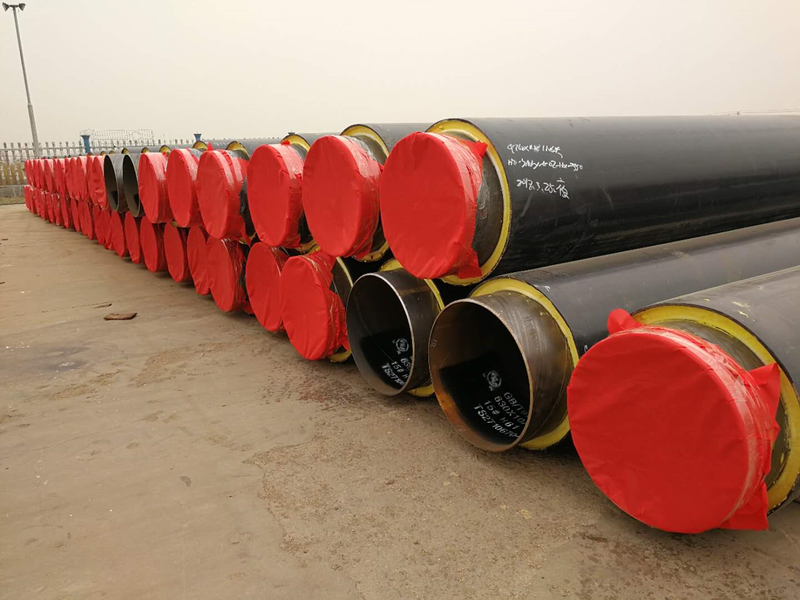
Future trends in polyurethane insulation include the development of organic-inorganic composite foams, which improve mechanical strength and microbial resistance while maintaining thermal performance. Research into sustainable blowing agents, such as n-pentane, aims to reduce environmental impact without compromising insulation properties. Additionally, advancements in leakage detection systems and smart monitoring technologies will further enhance the reliability of polyurethane-insulated pipelines, making them a cornerstone of next-generation infrastructure.
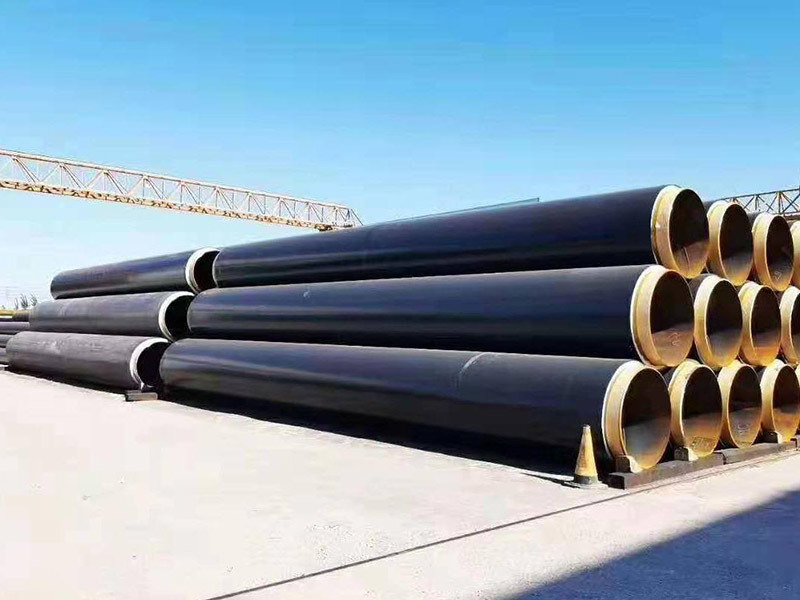
Polyurethane insulation steel pipes require less frequent inspections and have lower maintenance costs due to their resistance to moisture and corrosion. Their compatibility with advanced leak detection systems further reduces downtime and repair expenses, making them a cost-effective choice for long-term infrastructure projects.

Scientific Analysis of Steel Pipes for Chemical Fertilizer Applications
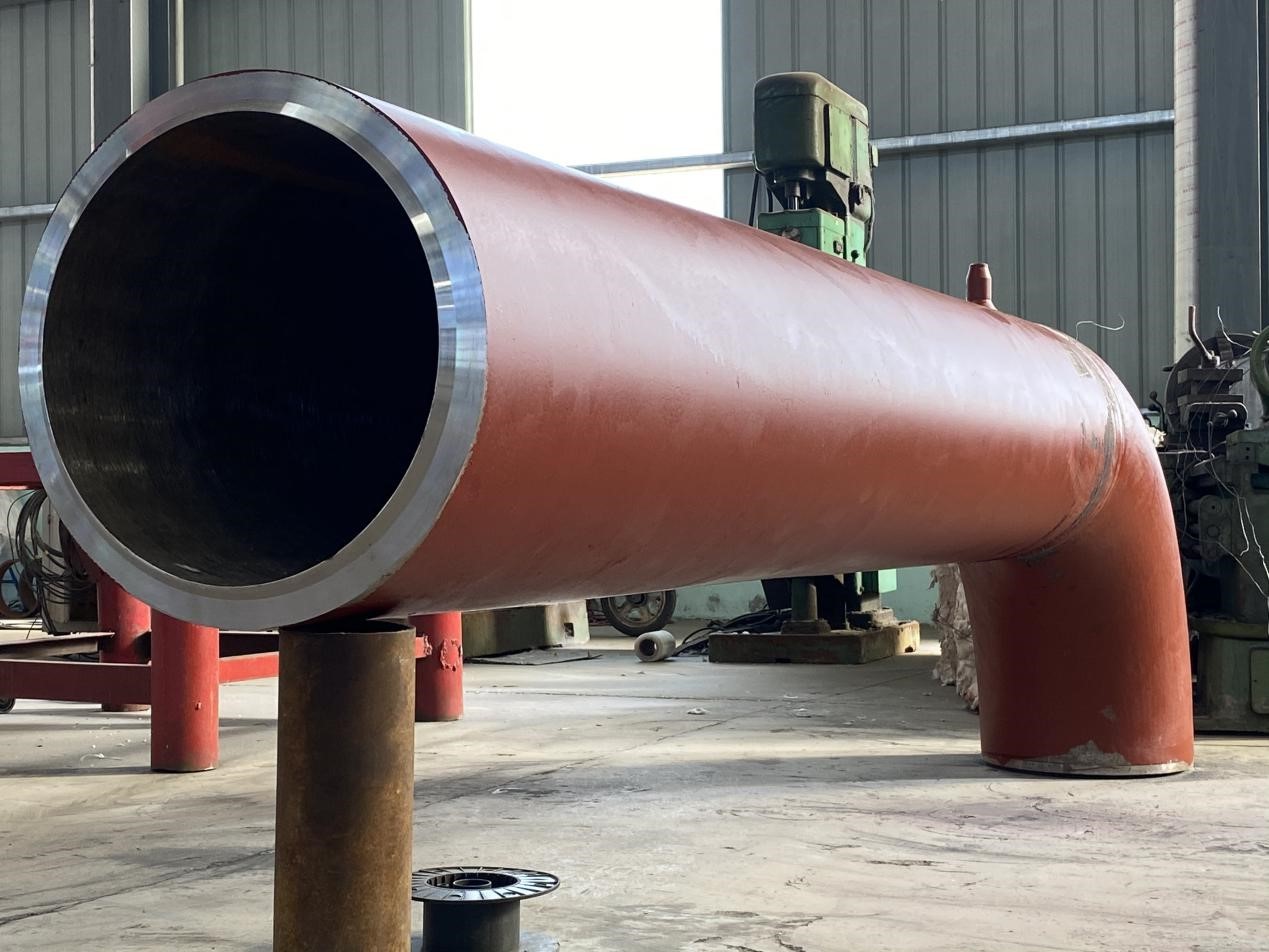
Piping spool fabrication is a sophisticated process that combines engineering precision, materials science, and advanced manufacturing techniques to deliver high-quality, modular piping systems. By controlling key parameters like pipe diameter, material selection, and weld quality, fabricators ensure spools meet stringent industry standards like ASME B31.3 and API 1104. Advances in automation, digital tools, and sustainable practices are transforming the industry, enabling faster, greener, and more cost-effective production.
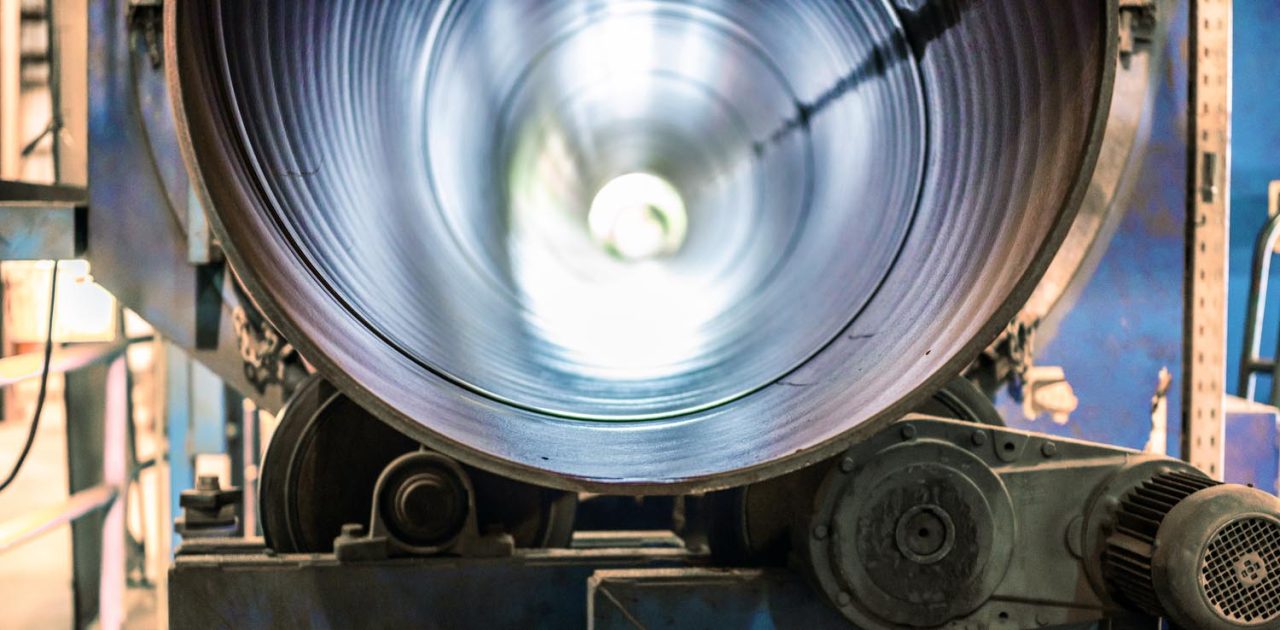
The JCOE forming method offers a superior balance of mechanical performance, residual stress control, and weld integrity compared to UOE and three-roll bending. While UOE remains preferable for high-volume, thin-walled pipes, JCOE is indispensable for heavy-wall, high-strength applications. Future advancements should focus on AI-driven press force optimization and hybrid forming techniques to further enhance efficiency.
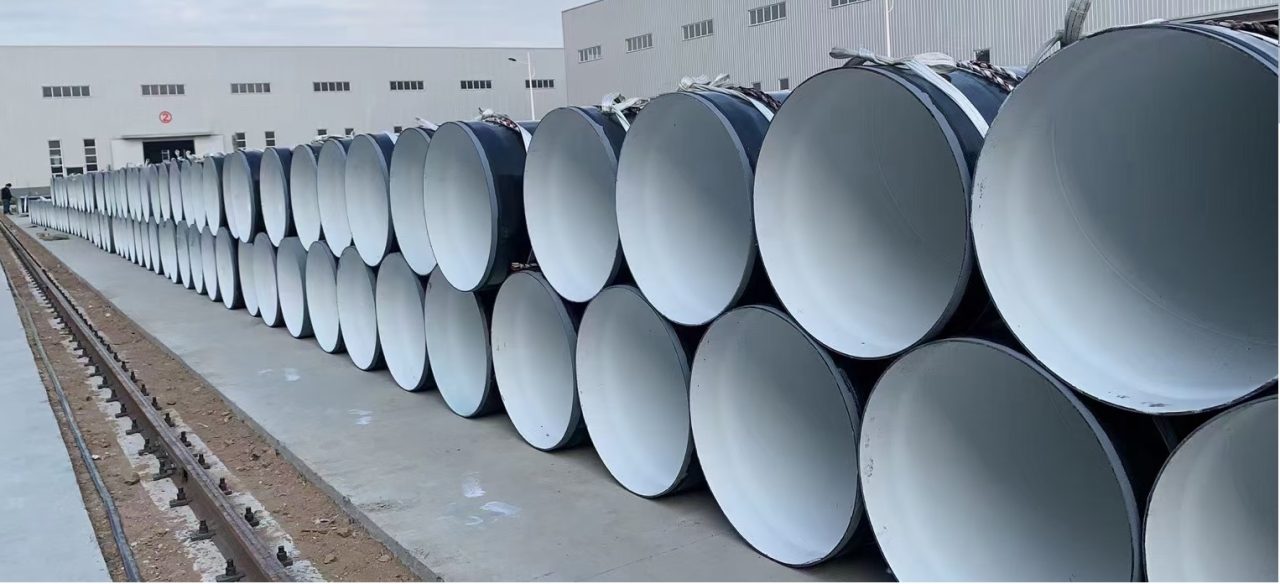
Through rigorous quality control, continuous innovation, and a commitment to sustainability, our company ensures that our products meet the highest industry standards while addressing the evolving needs of global infrastructure. By comparing 3PE and FBE coatings to alternatives, addressing challenges proactively, and embracing future trends like nanocomposites and smart coatings, we solidify our position as a trusted leader in the pipeline industry. As the world grapples with the demands of energy transition, urbanization, and climate change, our 3PE coated and internal epoxy steel pipes offer a reliable, cost-effective, and sustainable solution. We invite our clients and partners to collaborate with us in building the infrastructure of tomorrow, powered by innovation and driven by excellence.
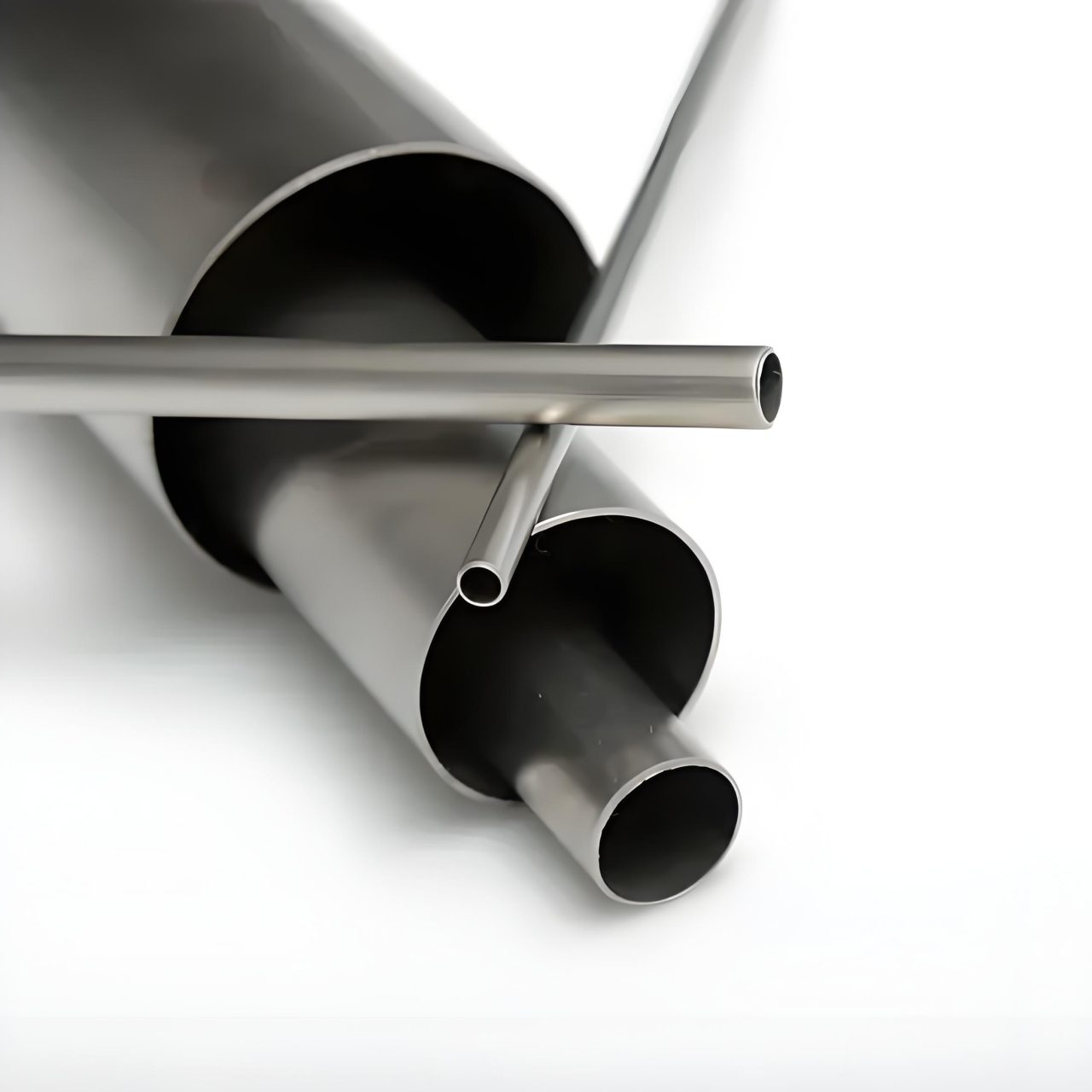
ASME SB338 Grade 7 titanium heat exchanger tubes, alloyed with palladium, offer unmatched corrosion resistance, thermal efficiency, and lightweight properties for demanding applications. Compliant with ASME SB338 and ASTM B338, these tubes excel in chemical processing, power generation, desalination, and marine heat exchangers. Their durability, enhanced by palladium, justifies their use despite higher costs. For technical data or quotes, contact suppliers like abtersteel.com
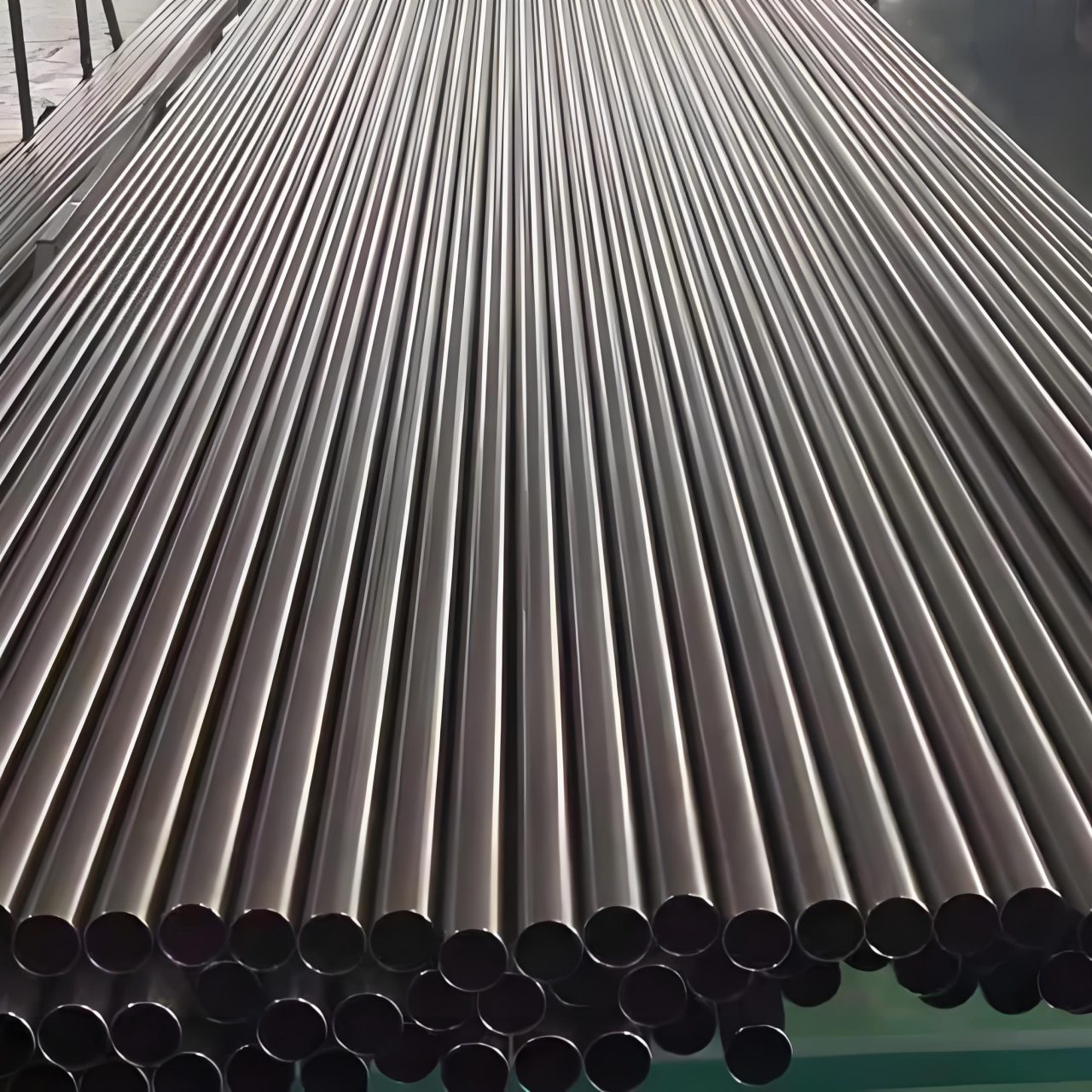
ASTM B861 titanium alloy seamless pipes are a premium choice for boiler applications, offering unmatched corrosion resistance, high-temperature strength, and lightweight properties. Compliant with ASTM B861 and ASME SB861, these pipes in grades like 2, 7, and 12 meet the demands of power generation, chemical processing, and marine boiler systems. Despite higher costs, their durability and performance justify their use in critical applications. For technical data or quotes, contact suppliers like abtersteel.com
For ASME B31.3, the design pressure should be the maximum pressure the system is expected to experience under normal or upset conditions, including any pressure relief or safety valve settings, with consideration for conservative design practices.
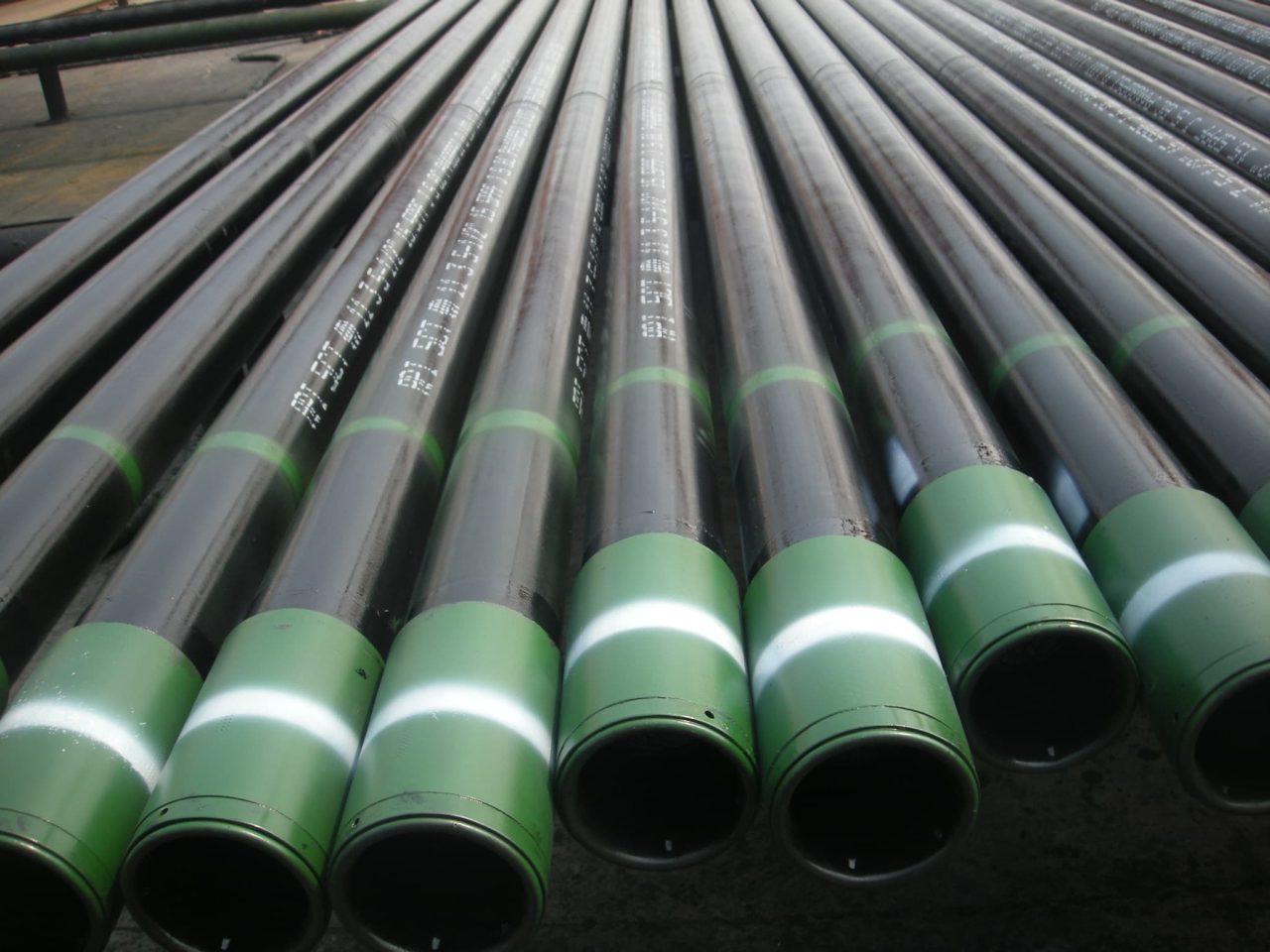
Abstract: The effect of tempering temperature after quenching at 920 ℃ on the microstructure and mechanical properties of a deep well oil casing steel was studied with the help of optical microscope (OM), scanning electron microscope (SEM), tensile testing machine and other equipment. The results show that the test steel is tempered at 500-600 ℃ to obtain tempered troostite, which has high strength, plasticity and toughness. The fluctuation range of strength-plasticity product is 20.5-22.1 GPa·%, and the fluctuation range of impact absorption energy is 94.6-100.3 J. When the tempering temperature is 550 ℃, the deep well oil casing test steel has the best comprehensive mechanical properties. At this time, the tensile strength is 978 MPa, the yield strength is 935 MPa, the strength-plasticity product is 22.1 GPa·%, and the impact absorption energy is 100.3 J. Keywords: oil casing steel; tempering temperature; microstructure; mechanical properties
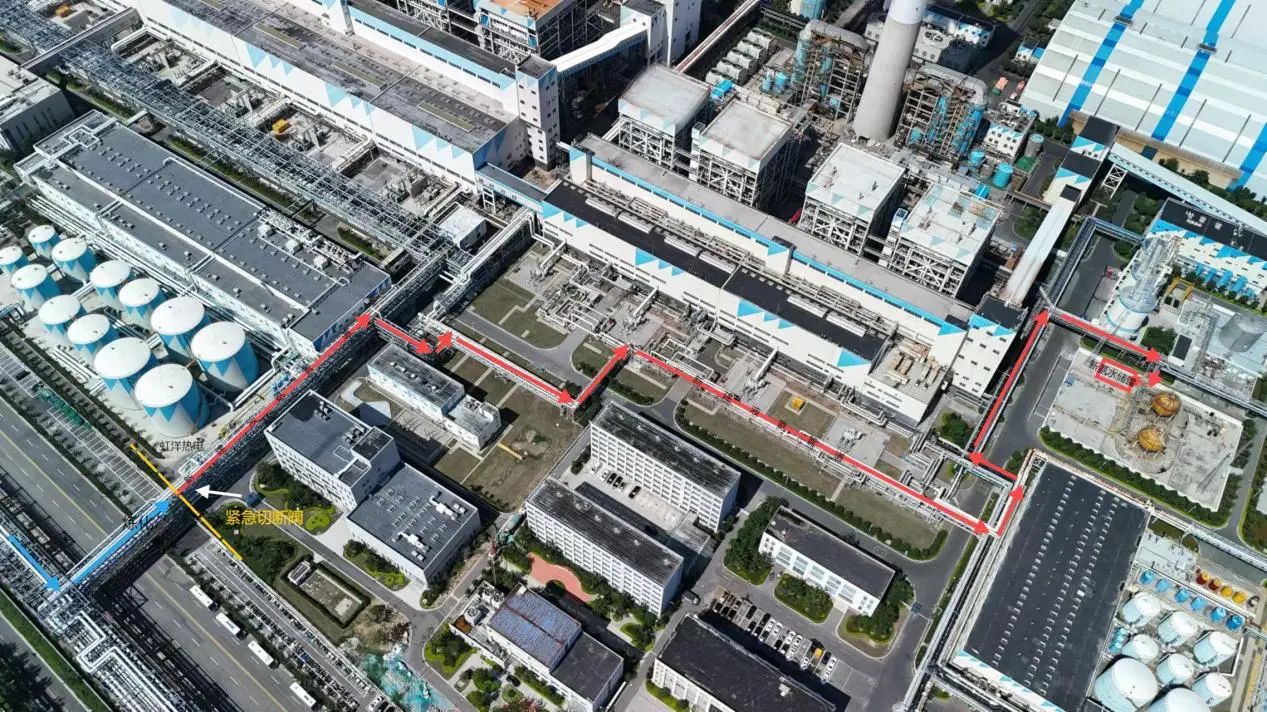
Interpret and exceed complex technical specifications Maintain rigorous quality control across global supply chains Deliver mission-critical components on accelerated timelines Provide ongoing technical support throughout product lifecycle
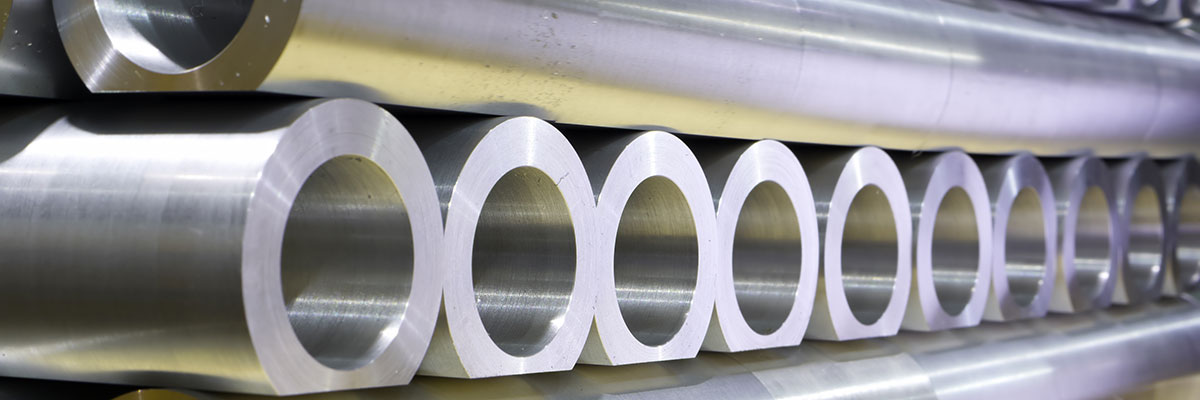
In summary, Alloy 602 CA (2.4633, N06025) represents a pinnacle of materials engineering, blending exceptional properties with practical utility. Its standards ensure quality, its composition delivers performance, and its applications span critical industries. Whether in a chemical reactor, a power plant furnace, or a diesel engine, Alloy 602 CA proves its worth as a material built for the toughest challenges.