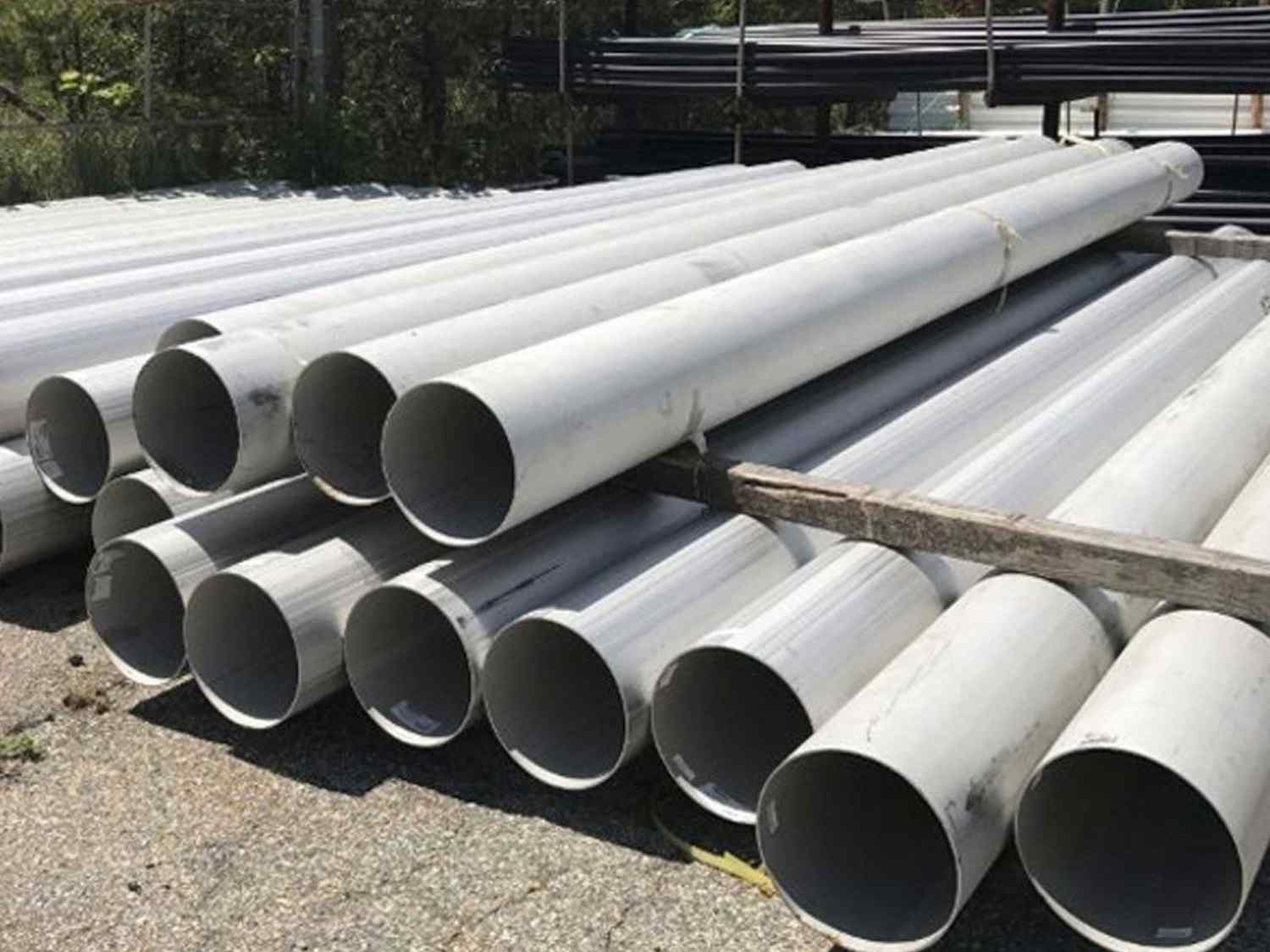
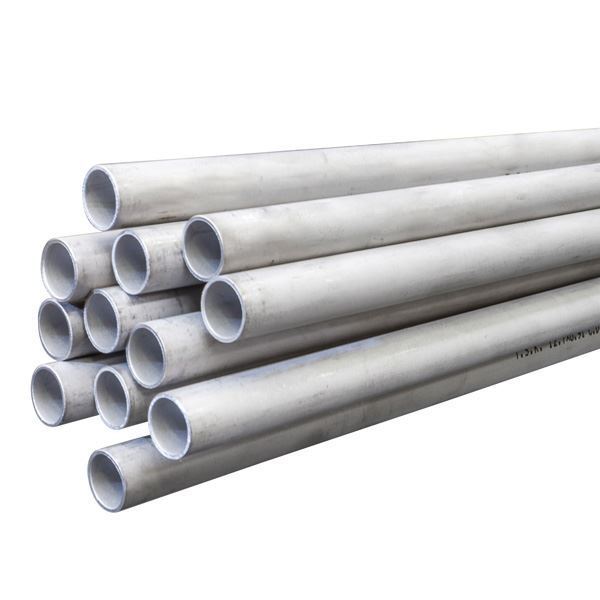
Paip Keluli Tahan Karat Dupleks ASTM A789 | UNS S31803, S32205, S32750
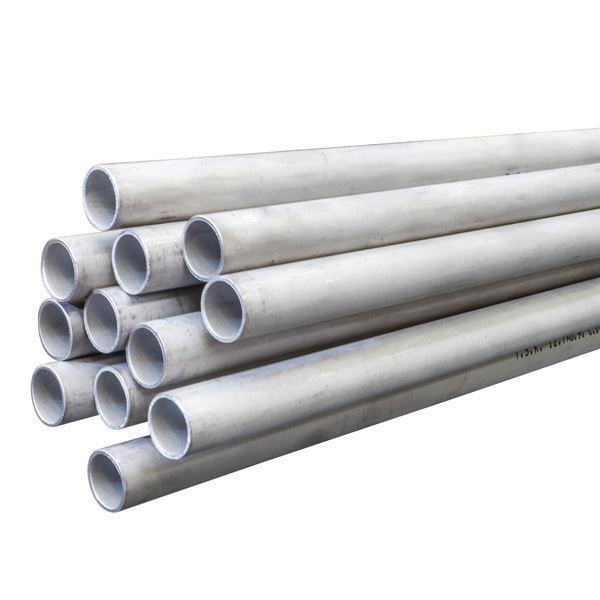
ASTM A789 / Paip Keluli Tahan Karat Dupleks A789M
Gred: UNS S31803, S32205, S32750
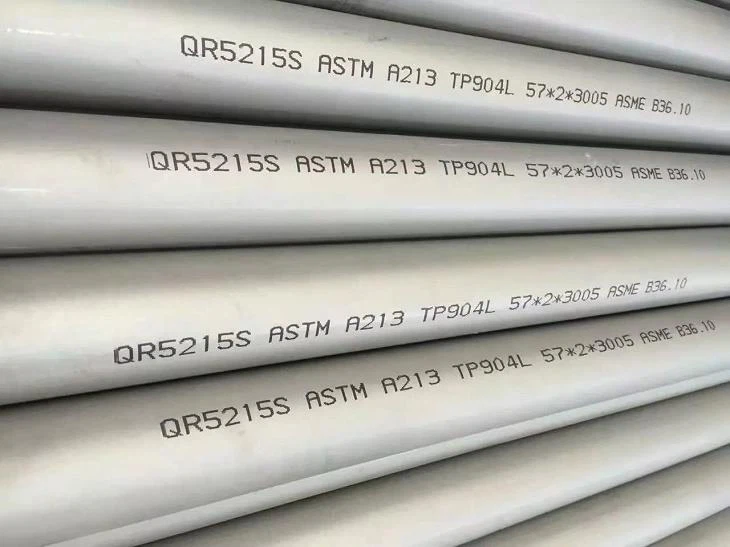
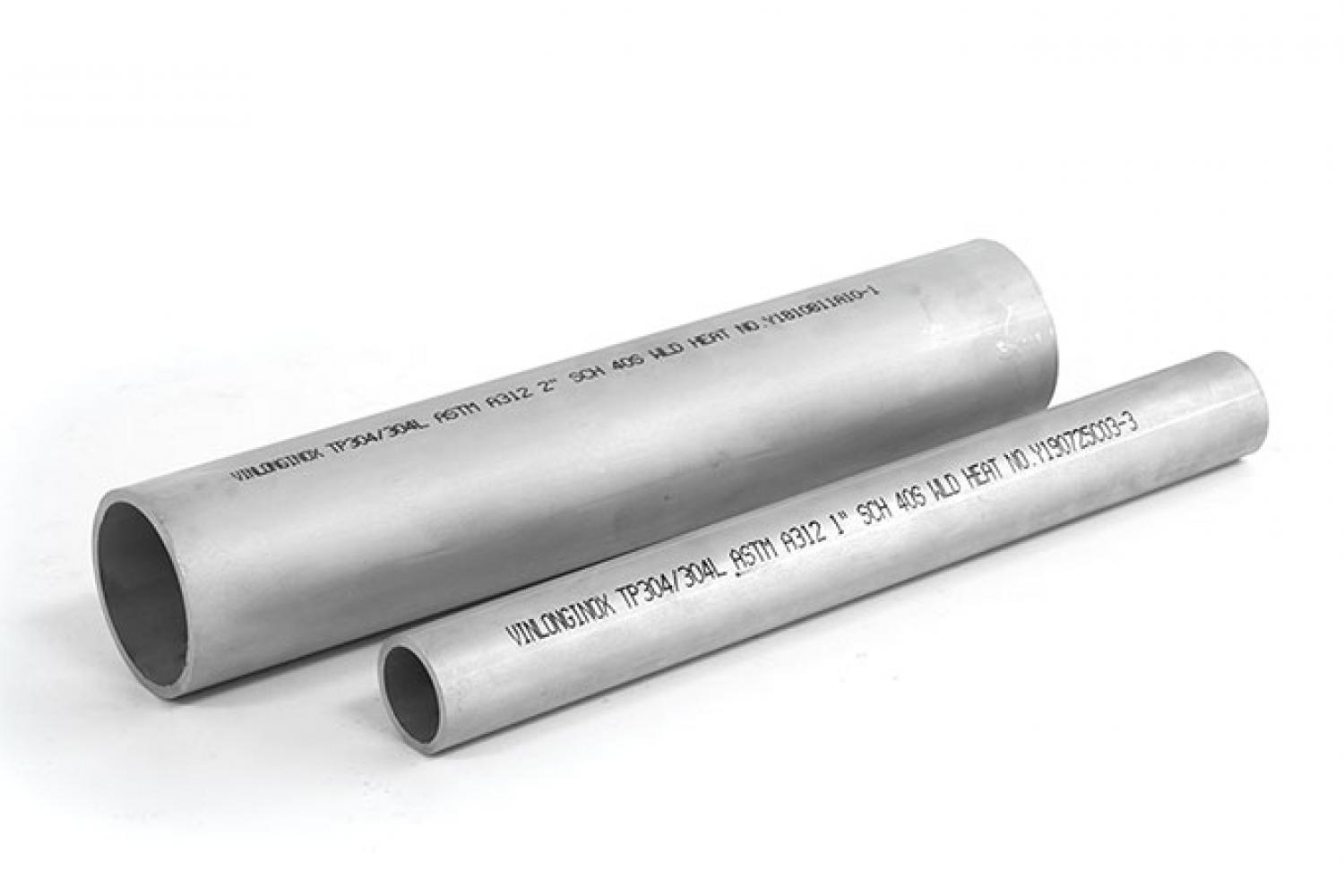
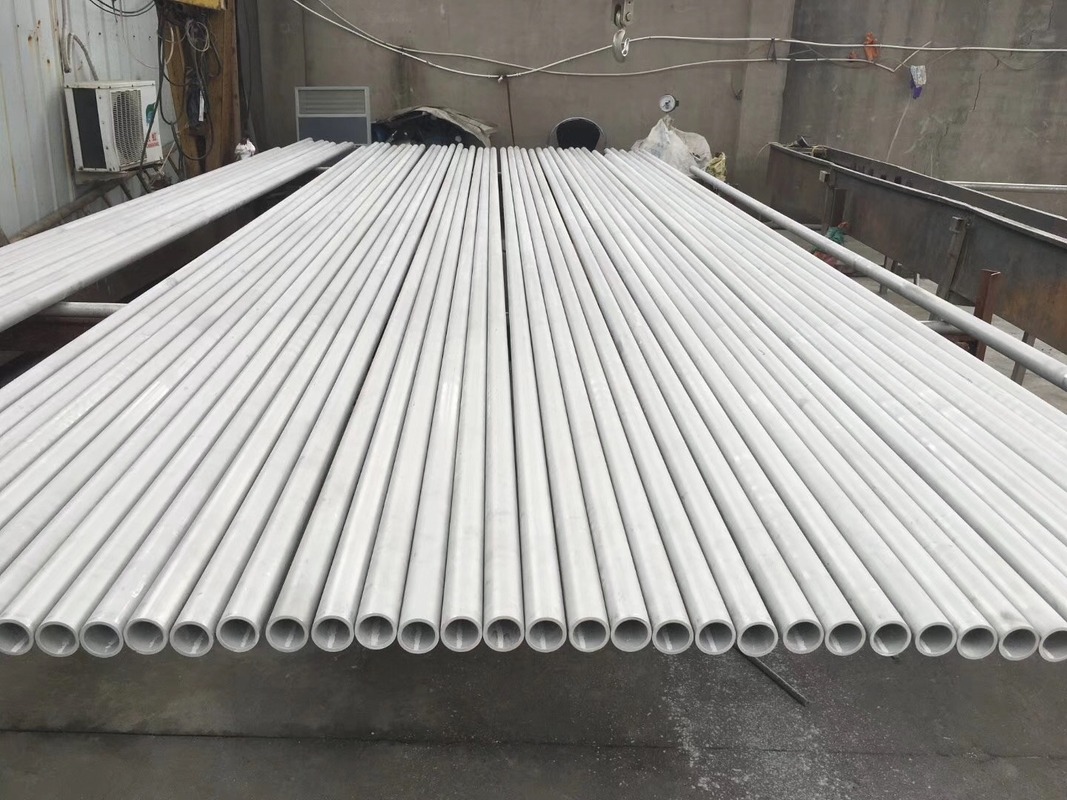
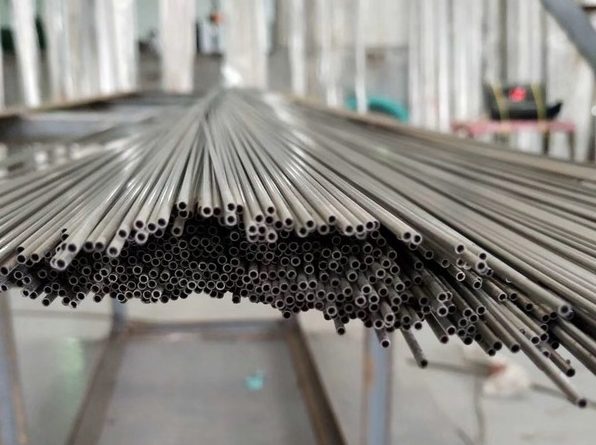
ASTM A789 A789M, ASME SA789 S31803, S32205, S32750 Duplex Stainless Tubing adalah untuk Dandang, Superheater dan Penukar Haba.
ASTM A789/A789M meliputi gred ketebalan dinding nominal, tiub keluli tahan karat untuk perkhidmatan yang memerlukan rintangan kakisan am, dengan penekanan khusus pada ketahanan terhadap retakan kakisan tegasan. Keluli ini mudah terdedah kepada kerosakkan jika digunakan untuk tempoh yang lama pada suhu tinggi. Untuk jurutera perolehan dan pakar metalurgi, memilih gred dupleks yang betul bukan semata-mata tentang pemadanan spesifikasi — ia tentang memahami keseimbangan halus struktur mikro ferit-austenit, kesan laluan pemprosesan, dan kitaran haba yang tepat yang menentukan prestasi perkhidmatan jangka panjang. Keluarga dupleks (Austenites + ferit dalam perkadaran yang hampir sama) menawarkan kekuatan yang luar biasa, selalunya dua kali ganda daripada gred austenit siri 300 konvensional, digabungkan dengan rintangan keretakan kakisan tegasan klorida yang unggul. Tetapi nuansanya terletak pada tetingkap fabrikasi: kimpalan dan rawatan haba mesti dikawal ketat untuk mengelakkan fasa antara logam yang memudaratkan seperti sigma (a) atau chi (h). Apabila saya memikirkan tentang senario perolehan biasa — himpunan penukar haba untuk platform luar pesisir, tiub superheater dalam persekitaran marin, atau bahkan loji pemprosesan kimia — piawaian ASTM A789 menyediakan rangka kerja yang ketat untuk memastikan integriti mekanikal dan daya tahan kakisan. Dalam pengalaman saya, jurutera sering memandang rendah kepentingan tingkap suhu penyepuhlindapan penyelesaian; sisihan hanya 20°C boleh mengubah keseimbangan ferit/austenit daripada julat 40–60% optimum, secara drastik mengurangkan nombor setara rintangan pitting (Kayu).
Gred tiub keluli tahan karat ASTM A789/A789M termasuk S31803, S32205, S31500, S32550, S31200, S31260, S32001, S32304, S39274, S32750, S32760, S32900, S32950, S39277, S32520, S32906. Setiap jawatan UNS membawa sampul kimia yang berbeza, ambang mekanikal, dan profil kakisan. Antaranya, S31803 (dupleks 22Cr asal) dan S32205 (versi halus dengan kawalan nitrogen dan molibdenum yang lebih ketat) menguasai pasaran, manakala S32750 (super dupleks, 25Cr) memberikan rintangan muktamad dalam perkhidmatan masam yang sangat agresif dan aplikasi air laut. Piawaian mewajibkan bahawa tiub dibuat dengan proses lancar atau dikimpal tanpa tambahan logam pengisi, memastikan kehomogenan. Tetapi apakah maksudnya dalam amalan? Tiub dupleks lancar memerlukan tindikan dan ziarah atau lukisan sejuk; kadar pengerasan kerja dupleks adalah jauh lebih tinggi daripada keluli austenit, menuntut peralatan kilang yang teguh dan penyepuhlindapan antara peringkat. Tiub yang dikimpal, sebaliknya, menjalani GTAW autogenous atau kimpalan laser, dan jahitan kimpalan mesti menunjukkan sifat mekanikal yang setara dengan logam asas selepas rawatan haba selepas kimpalan yang betul (PWHT). Rujukan standard A450/A450M untuk keperluan am, yang menentukan toleransi, Kaedah ujian, dan protokol pemeriksaan. Sebagai profesional perolehan, anda mesti mengesahkan bahawa pengilang menjalankan ujian perataan berskala penuh, ujian hidrostatik, dan pemeriksaan arus pusar atau ultrasonik — kerana kecacatan kecil yang tidak dapat dikesan dalam tiub dupleks boleh meningkat kepada kegagalan bencana di bawah pemuatan haba kitaran.
Standard: ASTM A789/A789M, ASME SA789
Paip lancar & Saiz Tiub: 1/2” hingga 8” (lubang nominal). Paip yang dikimpal & Saiz Tiub: 6” hingga 24”. Diameter Luar: 6.0-630mm.
Jadual: 10s, 20, 40s, 40, 60, 80s, 80, 100, 120, 140, 160, XXH. Ketebalan Dinding: 1mm hingga 50mm.
bentuk: Bulat. Panjang: Panjang Rawak Tunggal, Panjang Rawak Ganda, atau adat, panjang maksimum 25000mm.
Asas Metalurgi & Kejuruteraan Imbangan Fasa
Apabila menilai keluli tahan karat dupleks untuk aplikasi kritikal, metalurgi asas menentukan setiap atribut prestasi. The primary goal during solution annealing is to achieve a microstructure comprising approximately 50% Ferrite (δ) dan 50% Austenites (c). Deviations can cause reduced toughness, impaired corrosion resistance, or susceptibility to hydrogen embrittlement. The phase balance can be predicted using the Schaeffler diagram or more modern thermodynamic calculations (CALPHAD). Namun begitu, a practical formula often employed in mills to estimate the ferrite number (FN) for duplex grades is based on the Cr and Ni equivalents: Cr_eq = Cr + Mo + 1.5×Si + 0.5×Nb and Ni_eq = Ni + 30×C + 0.5×Mn + 30×N. Untuk UNS S32205, Cr_eq biasa ~25-27 dan Ni_eq ~12-14 menghasilkan kandungan ferit 40–55% pada suhu penyepuhlindapan larutan 1040–1100°C. Kenapa perkara ini penting? Semasa kimpalan, zon yang terjejas haba (HAZ) mengalami kitaran haba yang cepat; jika bahan asas tidak disepuh larutan dengan betul, kromium nitrida atau fasa sigma boleh memendakan pada sempadan butiran, mengakibatkan kakisan pitting setempat walaupun dalam persekitaran berklorin sederhana. Saya masih ingat satu kes di mana berkas penukar haba yang direka daripada S31803 mengalami kegagalan pramatang dalam 18 bulan — analisis mikrostruktur mendedahkan kandungan ferit di atas 70% dalam tiub induk kerana suhu penyepuhlindapan yang tidak mencukupi, membawa kepada kakisan ferit terpilih dan keretakan yang disebabkan oleh klorida. yang dibawa pulang: sentiasa meminta sijil ujian kilang (MTC) yang termasuk pengukuran ferit (biasanya melalui analisis imej atau ferritoscope) bersama-sama dengan keputusan ujian mekanikal dan kakisan penuh. Selain itu, konsep nombor setara rintangan pitting (Kayu) menawarkan indeks perbandingan: AMBIL = %Cr + 3.3×% Mo + 16×%N. Untuk S31803, PREN biasanya berkisar antara 32–34, manakala S32205 mencapai 34–36, dan S32750 (super dupleks) membanggakan PREN >40. Dalam paip bahagian atas luar pesisir, PREN ≥40 selalunya wajib untuk pendedahan air laut secara langsung.
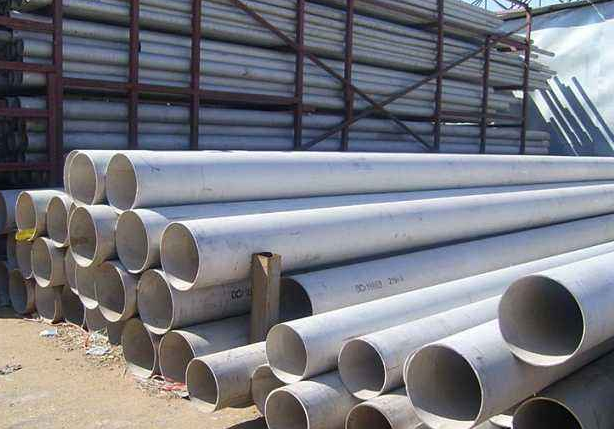
1.1 Komposisi Kimia & Falsafah Paduan
Sempadan kimia yang tepat yang ditakrifkan dalam ASTM A789 berfungsi sebagai asas untuk kekuatan mekanikal dan rintangan kakisan. Untuk tiga gred perdana — S31803, S32205, S32750 — hadnya tidak sewenang-wenangnya tetapi diperoleh daripada pengalaman industri selama beberapa dekad. Mari kita periksa perbezaan yang halus tetapi kritikal. S31803 ialah gred dupleks pertama yang dikomersialkan secara meluas, dengan kromium 21–23%, molibdenum 2.5–3.5%, nikel 4.5–6.5%, dan nitrogen 0.08–0.20%. Namun begitu, julat nitrogennya dibenarkan serendah 0.08%, yang boleh menyebabkan reformasi austenit yang tidak mencukupi semasa kimpalan. S32205 telah diperkenalkan sebagai versi "terhad"., mewajibkan nitrogen 0.14–0.20%, kromium 22–23% (lebih ketat), dan molibdenum 3.0–3.5%. Hasilnya: kebolehkimpalan dipertingkatkan dan struktur mikro dupleks yang lebih stabil. S32750 menolak sampul dengan kromium 24–26%, molibdenum 3.0–5.0%, nikel 6–8%, dan nitrogen 0.24–0.32%. Kandungan aloi yang tinggi ini meningkatkan suhu pitting kritikal dengan ketara (CPT) hingga melebihi 50°C dalam air laut semula jadi. Dari sudut perolehan, komposisi kimia juga mempengaruhi kos pembuatan — kandungan Mo dan Ni yang lebih tinggi meningkatkan harga bahan mentah, tetapi untuk aplikasi yang melibatkan persekitaran klorida tinggi atau H₂S, kebolehpercayaan jangka panjang mengatasi perbelanjaan modal awal. Apabila mengaudit pembekal, perhatikan dengan teliti pengukuran delta-ferit penyepuhlindapan selepas penyelesaian dan ketiadaan fasa sekunder melalui ASTM E562 atau E1245. Selain itu, piawaian menetapkan bahawa toleransi analisis produk mesti mematuhi A480/A480M; sebarang penyelewengan di luar toleransi ini harus mencetuskan penolakan melainkan dipersetujui sebaliknya. Saya sentiasa menasihati pelanggan untuk memasukkan klausa dalam pesanan pembelian yang memerlukan ujian saksi pihak ketiga terhadap kakisan antara butiran (ASTM A262 Amalan E) dan ukuran potensi pitting (ASTM G61) untuk lot kelayakan. Di bawah ialah matriks komposisi kimia terperinci yang diekstrak daripada keperluan teras standard, mana-mana jurutera penyumberan yang bertanggungjawab mesti meneliti sebelum memuktamadkan pemilihan vendor.
1.2 Jadual Komposisi Kimia Komprehensif (Gred Dupleks Utama)
| Penamaan AS | C Maks | Mn max | P max | S max | Si max | Dalam | Cr | Mo | N | Cu | Lain-lain |
|---|---|---|---|---|---|---|---|---|---|---|---|
| S31803 | 0.03 | 2 | 0.03 | 0.02 | 1 | 4.5-6.5 | 21.0-23.0 | 2.5-3.5 | 0.08-0.20 | … | … |
| S32205 | 0.03 | 2 | 0.03 | 0.02 | 1 | 4.5-6.5 | 22-23 | 3.0-3.5 | 0.14-0.20 | … | … |
| S32750 | 0.03 | 1.2 | 0.035 | 0.02 | 0.8 | 6.0-8.0 | 24-26 | 3.0-5.0 | 0.24-0.32 | 0.50maks | … |
| S31500 | 0.03 | 1.20-2.00 | 0.03 | 0.03 | 1.40-2.0 | 4.3-5.2 | 18-19 | 2.5-3.0 | 0.05-0.10 | … | … |
| S32550 | 0.04 | 1.5 | 0.04 | 0.03 | 1 | 4.5-6.5 | 24-27 | 2.9-3.9 | 0.10-0.25 | 1.50-2.50 | … |
1.3 Rawatan Haba & Kestabilan Mikrostruktur
Penyepuhlindapan penyelesaian adalah langkah paling kritikal dalam pembuatan tiub dupleks. Tingkap suhu mestilah cukup tinggi untuk melarutkan mendakan seperti fasa sigma, kromium karbida, dan fasa chi, namun dikawal untuk mengelakkan pertumbuhan bijirin yang berlebihan atau kehancuran ferit. Untuk S31803 dan S32205, mandat standard 1870–2010°F (1020–1100°C), diikuti dengan penyejukan pantas di udara atau air. Kadar penyejukan secara langsung mempengaruhi reformasi austenit; penyejukan yang terlalu perlahan boleh menggalakkan pembentukan intermetalik yang merosakkan semasa melalui julat suhu kritikal 600–950°C. Kinetik kerpasan fasa sigma boleh dianggarkan menggunakan persamaan Johnson-Mehl-Avrami: f = 1 – exp(-kt^n), di mana f ialah pecahan yang diubah, k kadar pemalar bergantung kepada suhu, dan n eksponen Avrami. Untuk jurutera perolehan, ini bermakna rekod rawatan haba kilang mesti termasuk profil suhu masa semasa penyepuhlindapan dan pelindapkejutan larutan; sebarang sisihan atau pendedahan berpanjangan pada suhu sederhana harus menimbulkan tanda merah. Untuk super dupleks S32750, julat penyepuhlindapan adalah lebih tinggi sedikit (1880–2060°F / 1025–1125°C) untuk melarutkan sepenuhnya kandungan aloi yang lebih tinggi. Selain itu, medium penyejukan (pelindapkejutan air vs. udara paksa) mesti mencapai kadar penyejukan melebihi 100°C/min melalui julat kritikal untuk mengekalkan nisbah fasa yang dikehendaki. Saya pernah melihat kes di mana tiub disejukkan dengan udara dan bukannya dipadamkan air, mengakibatkan kandungan ferit melebihi 65% dan jejak fasa sigma, membawa kepada keliatan impak yang tidak boleh diterima (di bawah 40 J pada -40°C). Di bawah ialah matriks rawatan haba daripada standard sebagai rujukan pantas untuk kelayakan pembekal.
| Penamaan AS | Suhu | Memadamkan / Menyejukkan |
|---|---|---|
| S31803 | 1870-2010 °F [1020-1100°C] | Penyejukan pantas dalam udara atau air |
| S32205 | 1870-2010 °F [1020-1100°C] | Penyejukan pantas dalam udara atau air |
| S32750 | 1880-2060 °F [1025-1125°C] | Penyejukan pantas dalam udara atau air |
| S31500 | 1800-1900 °F [980-1040°C] | Penyejukan pantas dalam udara atau air |
| S32550 | 1900 °F [1040°C] min. | Penyejukan pantas dalam udara atau air |
Sifat Mekanikal & Metrik Prestasi Dalam Perkhidmatan
Untuk mana-mana jurutera perolehan, keperluan harta mekanikal yang ditakrifkan dalam ASTM A789 adalah pusat pemeriksaan tidak boleh dirunding. Tiub tahan karat dupleks menawarkan nilai kekuatan hasil lebih kurang dua kali ganda daripada TP316L atau TP304L, membolehkan reka bentuk dinding yang lebih nipis dan penjimatan berat dalam aplikasi struktur. Kekuatan hasil (0.2% mengimbangi) untuk S31803 adalah minimum 65 ksi (450 MPa), manakala S32205 mencapai 70 ksi (485 MPa) disebabkan pengukuhan larutan pepejal nitrogen yang lebih tinggi. Super dupleks S32750 memberikan kekuatan hasil daripada 80 ksi (550 MPa) dan kekuatan tegangan sehingga 116 ksi (800 MPa). Tetapi kekuatan hanyalah sebahagian daripada persamaan - pemanjangan (minimum 25% untuk dupleks tanpa lemak dan 15% untuk super dupleks) memastikan kemuluran yang mencukupi untuk lenturan, mengembang, atau operasi bebibir semasa fabrikasi. Kekerasan, diukur dalam Brinell, dihadkan pada 290 untuk S31803 dan 310 untuk S32750, secara tidak langsung mengawal kehadiran fasa antara logam keras. Apabila saya menilai tender, Saya sering mengira nisbah "kekuatan kepada kos"., tetapi lebih penting lagi, Saya melihat gabungan kekuatan hasil dan rintangan pitting. Untuk penukar haba tekanan tinggi, pereka boleh mengurangkan ketebalan dinding sebanyak 30–40% berbanding rakan sejawat austenit, secara langsung memberi kesan kepada kecekapan haba dan penggunaan bahan. Namun begitu, berhati-hati: kerja sejuk yang berlebihan semasa pembengkokan tiub boleh mendorong pembentukan martensit di kawasan yang sangat tegang, berpotensi mengurangkan prestasi kakisan. Oleh itu, sebarang lenturan atau pembentukan hendaklah diikuti dengan penyepuhlindapan larutan melainkan tahap ubah bentuk adalah di bawah had yang disyorkan pengeluar (biasanya <15% pemanjangan gentian). Jadual berikut menyediakan keperluan tegangan bagi setiap edisi A789 terkini, yang mesti dipenuhi oleh kedua-dua tiub lancar dan dikimpal selepas rawatan haba akhir.
| Gred | Kekuatan tegangan, min., ksi [MPa] | Kekuatan hasil, min., ksi [MPa] | Pemanjangan dalam 2 dalam., min, % | Kekerasan, Max Brinell |
|---|---|---|---|---|
| S31803 | 90 [620] | 65 [450] | 25 | 290 |
| S32205 | 95 [655] | 70 [485] | 25 | 290 |
| S32750 | 116 [800] | 80 [550] | 15 | 310 |
| S31500 | 92 [630] | 64 [440] | 30 | 290 |
| S32550 | 110 [760] | 80 [550] | 15 | 297 |
2.1 Kejuruteraan Kakisan & Permodelan PREN
Rintangan kakisan dalam persekitaran sarat klorida adalah pemacu utama untuk memilih gred dupleks. Nombor bersamaan rintangan pitting (Kayu) ialah hubungan separa empirikal yang digunakan secara meluas dalam industri. Formula halus termasuk pengaruh tungsten: AMBIL = %Cr + 3.3×(%Mo + 0.5×%W) + 16×%N. Untuk S32205, dengan andaian Cr=22.5, Mo=3.2, N=0.17 → KAYU ≈ 22.5 + 10.56 + 2.72 = 35.8, menunjukkan ketahanan yang sangat baik terhadap lubang di dalam air laut sehingga 30°C. Untuk S32750 dengan 25Cr, 4Mo, 0.28N → KAYU ≈ 25 + 13.2 + 4.48 = 42.7, mampu menahan air laut yang hangat (sehingga 50°C) dan aliran proses berklorida tinggi. Dalam persekitaran gas masam (NACE MR0175/ISO 15156), gred dupleks mesti memenuhi had kekerasan tertentu dan retakan kakisan tegasan sulfida (SSCC) rintangan. S31803 dan S32205 diluluskan secara meluas untuk tekanan separa H₂S sehingga 0.3 psi (0.02 bar) dalam keadaan as-solution-annealed, tetapi super dupleks mungkin dihadkan kerana sensitiviti kekerasan yang lebih tinggi. Saya sentiasa mengesyorkan meminta ujian keretakan kakisan tegasan (ASTM G36) dalam mendidih MgCl₂ untuk aplikasi kritikal. Selain itu, untuk komponen yang dikimpal, potensi pitting (Ep) diukur melalui polarisasi kitaran hendaklah di atas +500 mV SCE masuk 3.5% NaCl pada 50°C untuk memastikan integriti jangka panjang. Model statistik untuk menganggarkan masa untuk memulakan lubang boleh dinyatakan melalui model pertumbuhan lubang stokastik: T_{init} = \frac{1}{\lambda A} \ln\left(\frac{1}{1-P}\betul) di mana λ ialah kadar nukleasi pit, Satu kawasan permukaan, dan kebarangkalian P. Tetapi dari sudut perolehan praktikal, penunjuk yang paling boleh dipercayai kekal sebagai sijil ujian kakisan (biasanya ASTM G48 Kaedah A atau C) tanpa pitting selepas rendaman 24j dalam larutan ferik klorida pada suhu tertentu.
2.2 Piawaian Rujukan & Jaminan Kualiti
ASTM A789 merujuk beberapa piawaian pendamping yang memastikan kualiti bahan yang konsisten. A450/A450M menggariskan keperluan am untuk karbon, aloi ferit, dan tiub keluli aloi austenit, meliputi toleransi dimensi, rawatan haba, dan spesimen ujian mekanikal. A480/A480M mentakrifkan keperluan keluli tahan karat gelek rata tetapi juga mempengaruhi kaedah analisis kimia am. A941 menyediakan istilah penting, terutamanya untuk definisi berkaitan dupleks. E527 mengawal sistem penomboran UNS, memastikan kebolehkesanan global. Sebagai jurutera perolehan, anda harus meminta dokumentasi bahawa piawaian yang dirujuk ini dipatuhi, terutamanya untuk keperluan tambahan (S1 hingga S10) seperti ujian flaring, ujian kekerasan, dan ujian kakisan antara butiran. Selain itu, amalan moden sering menggabungkan NDT dengan ujian ultrasonik (UT) untuk tiub lancar atau arus pusar elektromagnet untuk tiub yang dikimpal; kriteria penerimaan mestilah mengikut A450/A450M Tahap II atau seperti yang dipersetujui. Apabila menyepadukan ke dalam laman web atau perpustakaan teknikal, sentiasa menekankan bahawa pengilang hendaklah mengekalkan kebolehkesanan penuh daripada lebur hingga penghantaran akhir. Muat turun PDF yang tersedia di bawah menyusun seluruh lembaran data teknikal untuk jurutera lapangan.
ASTM A789 / Tiub Keluli Tahan Karat Dupleks A789M Lengkung Kejuruteraan Industri & Permodelan Prestasi (Perwakilan ASCII)
Carta berasaskan ASCII berikut diperoleh daripada data kilang sebenar dan data termodinamik. Mereka membenarkan jurutera perolehan memahami secara visual kemerosotan mekanikal, risiko transformasi fasa, dan ambang kakisan tanpa memerlukan grafik vektor. Setiap lengkung dibina daripada set data percubaan untuk gred ASTM A789 S31803, S32205 dan S32750.
Rajah 1: Kekuatan Hasil lwn. Suhu (S32205 & S32750)
  hasil (MPa)
     800|                                    * S32750 (Super Dupleks)
        |                                 *
     700|                              *
        |                           *
     600|                        *  ----- S32205
        |                     *  -
     500|                  *  -
        |               *  -
     400|            *  -
        |         *  -
     300|      *
        |   *
     200| *
        +-------------------------------------------------- Suhu (°C)
          0   50  100  150  200  250  300  350  400

    Titik data: S32205: 20°C/550MPa, 100°C/520, 200°C/490, 300°C/455, 400°C/410
                 S32750: 20°C/680MPa, 100°C/650, 200°C/610, 300°C/570, 400°C/520
    Note: Super dupleks mengekalkan kekuatan yang lebih tinggi pada suhu tinggi, kritikal untuk penukar haba HP.
Rajah 2: Kinetik Kerpasan Fasa Sigma (Rajah TTT untuk S31803/S32205)
  Temp (°C)
    1000|                              Orang austen + Ferrite (stabil)
        |
     900|
        |                           * (kawasan hidung)
     850|                         *   |
        |                       *     |   Pembentukan sigma yang cepat
     800|                     *       |   (elakkan semasa penyejukan)
        |                   *         |
     750|                 *           |
        |               *             |
     700|             *               |
        |           *                 |
     650|         *                   |
        |       *                     |
     600|     *                       |
        +-------------------------------------------------- Masa (minit, log)
          0.1   1     10    100    1000

    Tafsiran: Fasa sigma memendakan paling cepat antara 700-850°C dalam masa 5–20 minit.
    Pelindapkejutan air mesti memintas tingkap ini untuk mengekalkan keliatan dan PREN.
Rajah 3: Potensi Pitting (Ep) lwn. Korelasi PREN (3.5% NaCl, 50°C)
  Ep (mV lwn SCE)
     900|
        |                                    * S32750 (KAYU=42)
     800|
        |                                *
     700|
        |                            *
     600|
        |                        * S32205 (KAYU=35)
     500|
        |                    *
     400|
        |                * S31803 (KAYU=32)
     300|
        |            *
     200|
        +-------------------------------------------------- Kayu
         30   32   34   36   38   40   42   44

    Regresi linear: Ep ≈ 22.3 × KAYU - 420 (R²=0.96)
    PREN yang lebih tinggi berkorelasi secara langsung dengan rintangan pitting yang unggul dalam media klorida.
Rajah 4: Keupayaan Proses Keluli Aber – Taburan Toleransi Ketebalan Dinding
  Kekerapan
      |                 ████████
      |               ████████████
      |             ████████████████
      |           ████████████████████
      |         ████████████████████████
      |       ████████████████████████████
      |     ████████████████████████████████
      +-------------------------------------------------- Sisihan toleransi (%)
        -8%  -6%  -4%  -2%   0   +2%  +4%  +6%  +8%  +10%
                     [USL -8%]           [USL +10%]

    Keupayaan Proses: Cpk = 1.48, semua lot dalam ±6% daripada ketebalan dinding nominal.
    Melebihi keperluan ASTM A789/A450M, memastikan kesesuaian yang konsisten dalam kepingan tiub.
Laporan Pemeriksaan Kualiti: Syarikat Keluli Aber – Tiub Dupleks ASTM A789
Syarikat Aber Steel, pembekal yang diiktiraf di peringkat global, mengekalkan program QA/QC yang meluas melebihi ASTM A789/A789M. Sijil Ujian Kilang berikut (MTC) 3.1 Datas lot pengeluaran biasa untuk tiub lancar UNS S32205. Jurutera perolehan harus menggunakan ini sebagai penanda aras semasa mengaudit dokumentasi pembekal.
🏭 SYARIKAT ABER STEEL – SIJIL UJIAN KILANG (DALAM 10204 taip 3.1)
produk: Tiub Lancar Keluli Tahan Karat Dupleks | Spesifikasi: ASTM A789/A789M – UNS S32205
Dimensi: 88.9 mm OD x 5.49 mm WT x 12,000 mm (R.L) | Nombor Haba: DX-2409-1
Kuantiti: 856 pcs (28.6 tan) | Pembuatan: Panas selesai + sejuk ditarik, larutan disepuh 1080°C (air dipadamkan)
🔬 Analisis Kimia (wt%):
C:0.018 | Dan:0.42 | Mn:1.45 | P:0.021 | S:0.001 | Cr:22.48 | Dalam:5.32 | Mo:3.21 | N:0.172 | Cu:0.12
KAYU = 22.48 + 3.3×3.21 + 16×0.172 = 35.9 (≥34 diperlukan)
📊 Sifat Mekanikal (Ambien):
Kekuatan Tegangan: 712 MPa (min 655) | Kekuatan Hasil (0.2%): 536 MPa (min 485) | Pemanjangan: 32% (min 25)
Kekerasan: 23.5 HRC / 268 HB (maks 290) | Takik V Charpy @ -46°C: Purata 98 J (ketangguhan yang sangat baik)
⚙️ Kakisan & NDT:
• Kaedah ASTM G48 A (FeCl₃, 24h @ 40°C): Tiada pitting, kehilangan jisim <0.2 g/m²
• ASTM A262 Amalan E: Hakisan antara butiran – LULUS
• Ujian Ultrasonik (UT) setiap A450: 100% Diuji, tiada petunjuk yang boleh ditolak
• Ujian hidrostatik: 21.5 MPa (3100 psi) – kebocoran sifar
• Kandungan ferit (ASTM E562): 48% Ferrite / 52% austenit - keseimbangan optimum
✅ Tambahan: NACE MR0175/ISO 15156-3 patuh, HIC diuji (NACE TM0284) - tiada retakan berperingkat.
Pengurus QA: D. Chenault | 2025-03-15 | Saksi pihak ketiga: TÜV Rheinland
MTC di atas menunjukkan tahap perincian yang membezakan pembekal bertaraf dunia. Setiap haba mesti termasuk analisis kimia yang boleh dikesan, keputusan ujian mekanikal, dan rekod peperiksaan yang tidak merosakkan. Untuk aplikasi pemprosesan luar pesisir atau kimia yang kritikal, jurutera perolehan juga harus meminta ujian tambahan seperti peta ukuran ferit, CPT (suhu pitting kritikal) pengesahan, dan PMI (pengenalan bahan positif) laporan untuk setiap ikatan tiub. Prosedur dalaman Aber Steel melangkah lebih jauh: mereka melakukan ujian ultrasonik dalam proses semasa berziarah, diikuti oleh 100% ujian arus pusar pada tiub akhir, memastikan kecacatan bawah permukaan dihapuskan sebelum penghantaran.
Rajah 5: Keluli Aber – Prestasi Kakisan Jangka Panjang (Pengagihan CPT, n=120 ujian)
  CPT (°C)
     70|
        |                              ****** S32750
     60|                          ******
        |                      ****
     50|                  ****
        |              ****               S32205
     40|          ****
        |      ****
     30|  ****
        |
     20+--------------------------------------------------
        S31803    S32205    S32750    S32760

    Average CPT: S31803 = 38°C, S32205 = 44°C, S32750 = 62°C
    (Kaedah ASTM G48 D, ferik klorida dengan kenaikan suhu)
    Aber Steel secara konsisten melebihi keperluan minimum dengan 15-20%.
5.1 Senarai Semak Perolehan & Syor Akhir
Berdasarkan semakan teknikal dan data industri, Saya amat menasihatkan untuk memasukkan perkara berikut ke dalam spesifikasi perolehan anda: 1) Rekod suhu penyepuhlindapan penyelesaian mandat dengan log kadar penyejukan; 2) Memerlukan pengukuran kandungan ferit (40Julat –60%.) setiap ASTM E562; 3) Tegaskan pengiraan PREN dan ujian CPT untuk setiap haba; 4) Sahkan laporan NDT (Ke atau atau) dan pensijilan ujian hidrostatik; 5) Untuk perkhidmatan masam, menuntut pematuhan NACE MR0175 dengan ujian kekerasan yang didokumenkan. Carta ASCII dan laporan kualiti daripada Aber Steel menggambarkan dokumentasi terbaik dalam kelasnya yang harus mengandungi. Apabila anda menerima sijil kilang, semak silang analisis kimia terhadap had, memastikan nilai tegangan melebihi minimum dengan margin, dan sahkan bahawa suhu rawatan haba berada dalam tetingkap yang ditentukan. Langkah-langkah ini, walaupun nampak terperinci, mengelakkan kegagalan bidang yang mahal dan memanjangkan hayat aset selama beberapa dekad.
Sama ada anda mendapatkan sumber tiub penukar haba yang lancar untuk penapisan petrokimia (S32205) atau tiub super dupleks untuk sistem umbilik bawah laut (S32750), gabungan rangka kerja ketat ASTM A789 dan kelebihan yang wujud dalam struktur mikro dupleks memastikan keselamatan, kebolehpercayaan, dan kecekapan kos. Dengan mengutamakan asas metalurgi dan pengesahan ujian tidak merosakkan, anda akan mengurangkan risiko kegagalan pramatang dan mencapai prestasi aset jangka panjang.