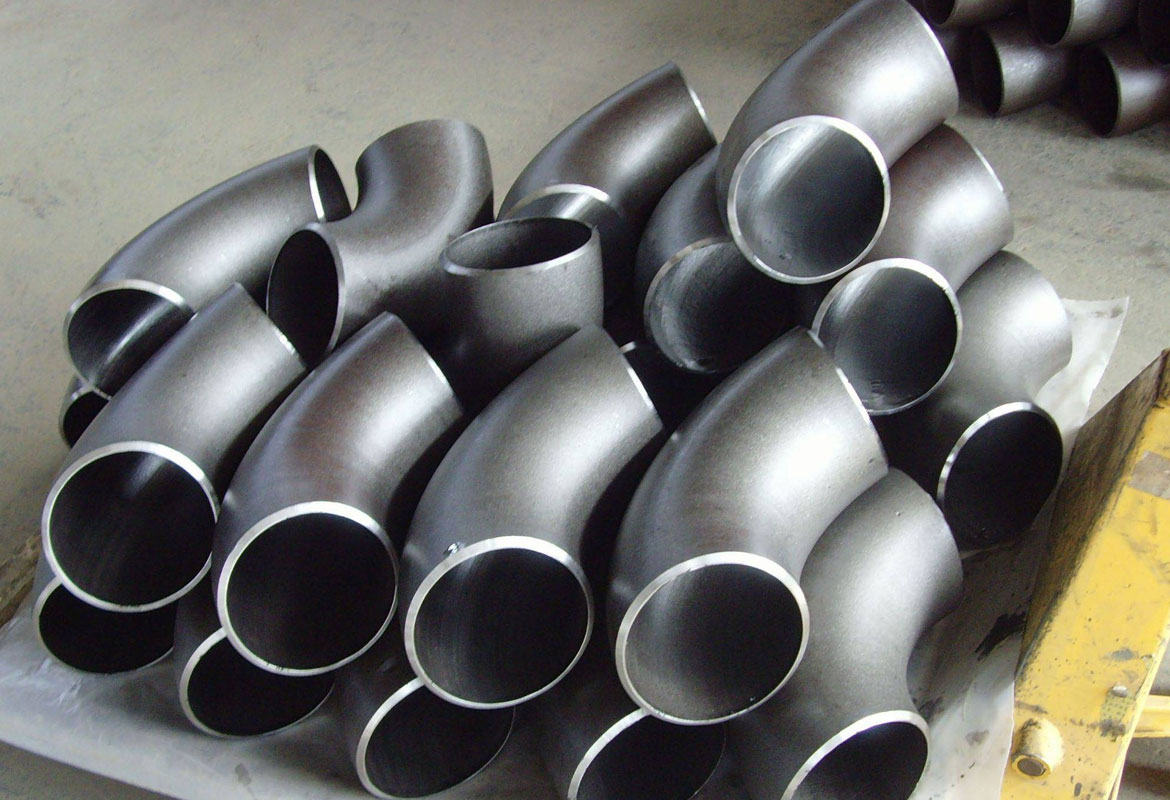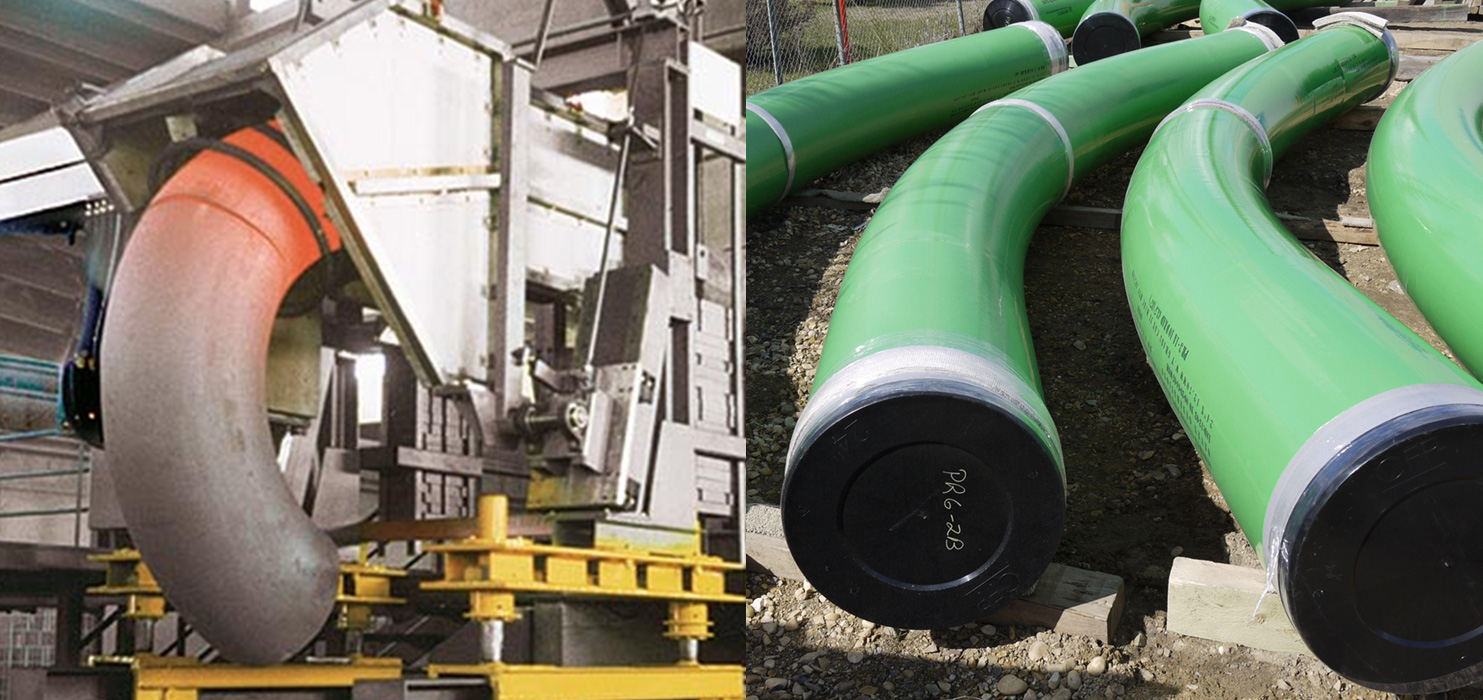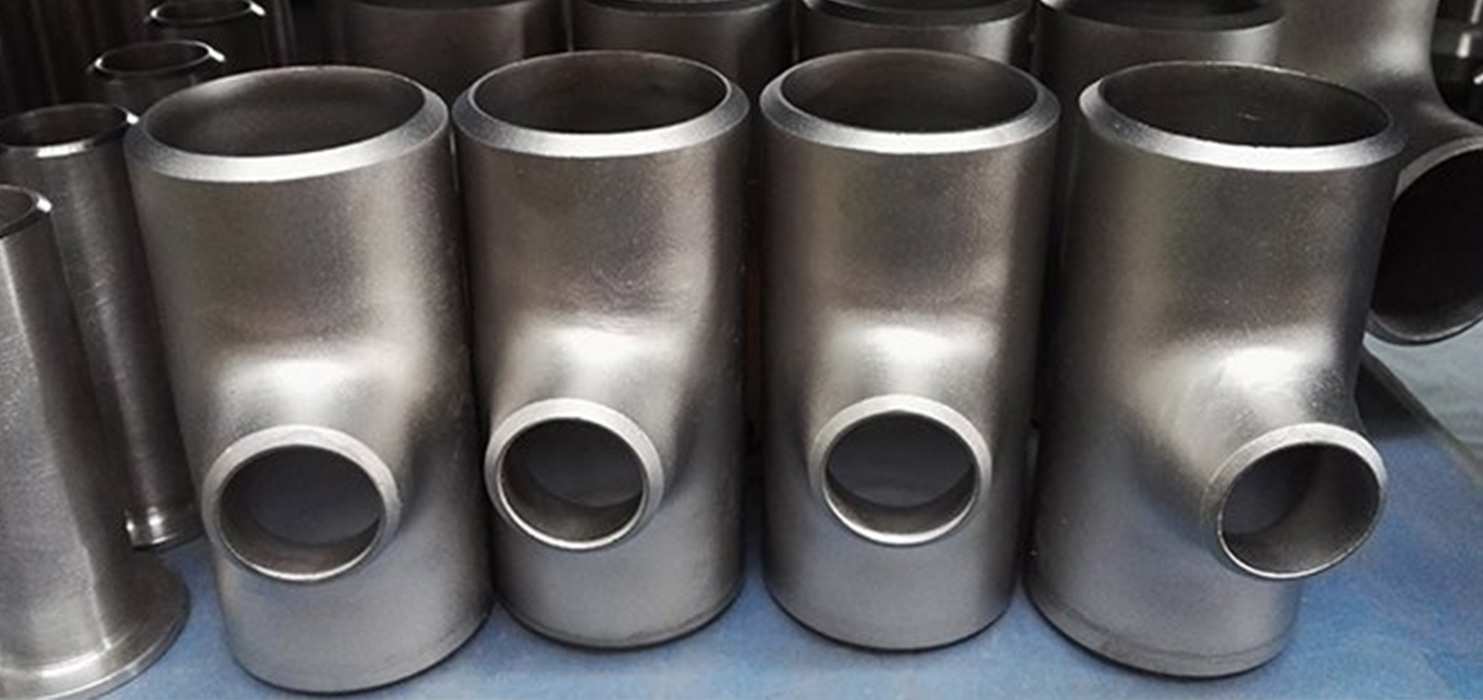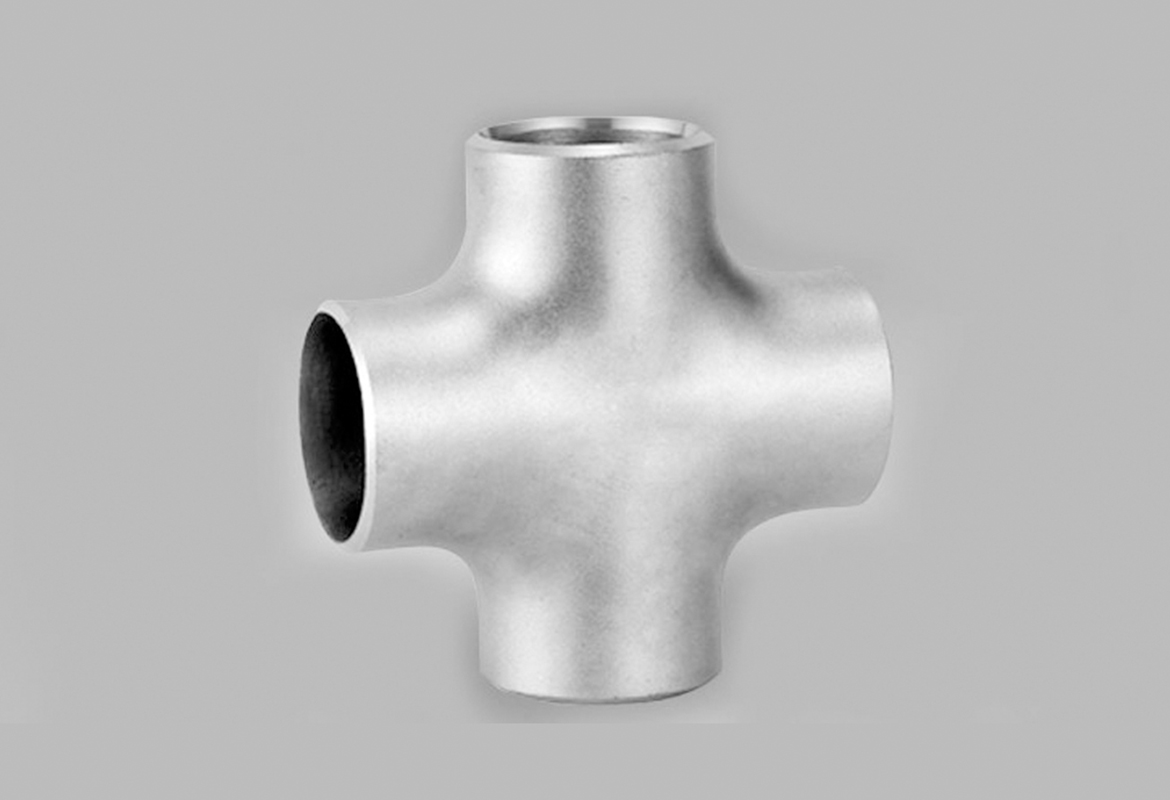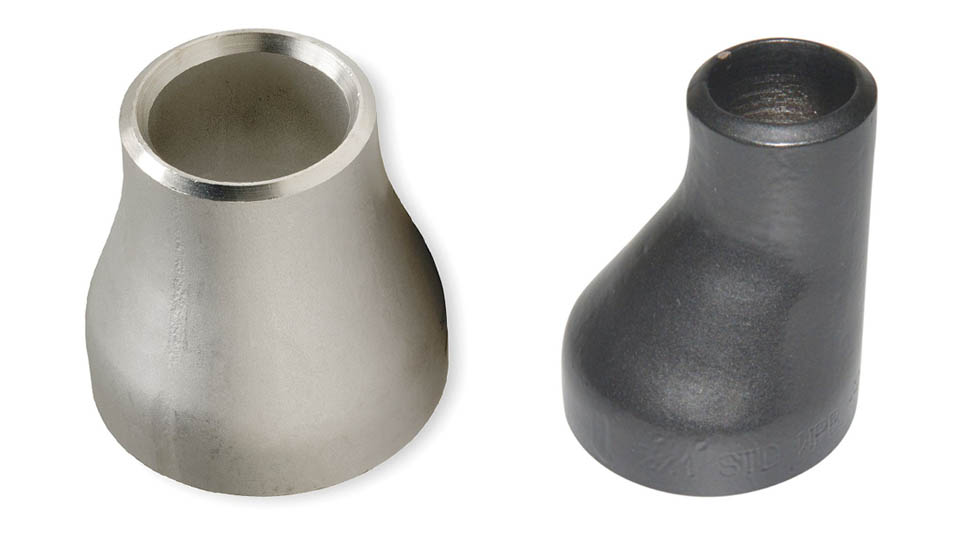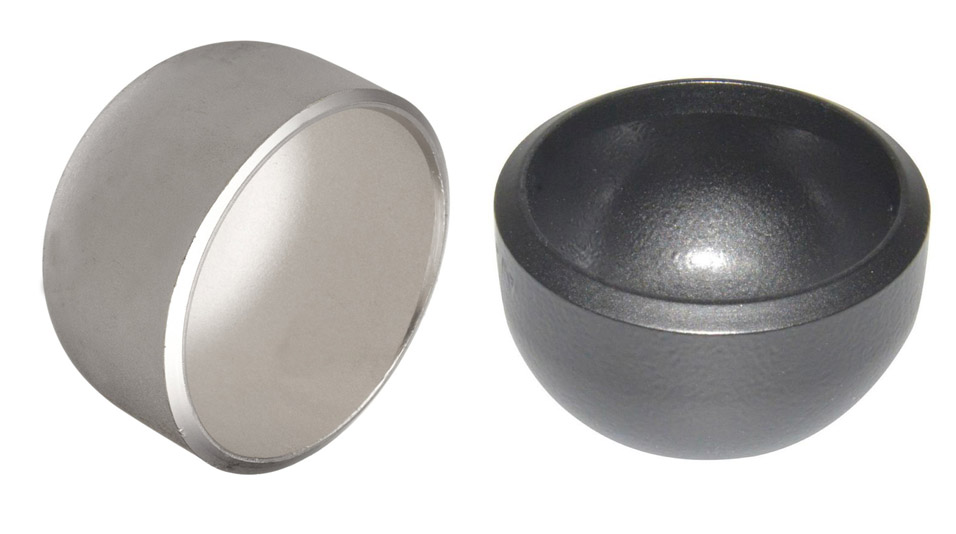
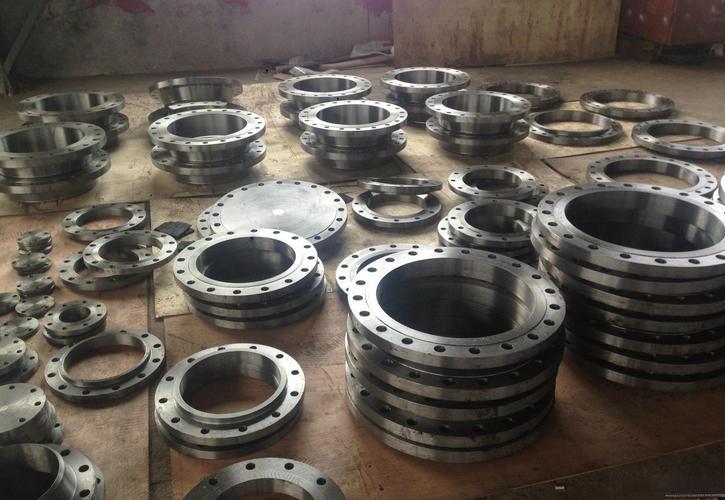
ASTM A350 LF2 carbon steel forged flanges
ASTM A350 / ASME SA-350 · UNS K03011
ASTM A350 LF2
carbon steel forged flanges
Low‑temperature service · Charpy V‑notch tested · Class 1 (−46 °C) & Class 2 (−18 °C) · N/NT/QT delivery
CL2 −18 °C
HBW 197 max
Scope & distinctive features
ASTM A350 LF2 (UNS K03011) is a forged carbon/low‑alloy steel intended for flanges, fittings and valve bodies in low‑temperature service. The specification mandates Charpy V‑notch testing. Two classes differ only in impact test temperature: Class 1 at −46 °C (−50 °F) and Class 2 at −18 °C (0 °F). Both share identical composition and tensile properties. LF2 is supplied in normalized (N), normalized and tempered (NT) or quenched and tempered (QT) condition. It is not suitable for cryogenic LNG (−162 °C).
Chemical composition (heat analysis, %)
*By agreement Nb may be increased to 0.05% heat / 0.06% product. Leaded steels not permitted. Si ≤ 0.12% for vacuum carbon deoxidation.
Mechanical & impact properties
ELs min 30% (strip specimen, 2″ gauge). ELc = 48t + 15 for thin strip. Yield by 0.2% offset. Hardness after heat treatment.
Sub‑size Charpy equivalent energy (J)
| Specimen | 10×10 | 10×7.5 | 10×6.6 | 10×5 | 10×3.3 | 10×2.5 |
|---|---|---|---|---|---|---|
| Min. avg. (CL1) | 20 | 16 | 14 | 11 | 7 | 6 |
| Min. single (CL1) | 16 | 13 | 12 | 10 | 7 | 5 |
| Min. avg. (CL2) | 27 | 22 | 19 | 15 | 10 | 8 |
| Min. single (CL2) | 20 | 16 | 14 | 11 | 8 | 6 |
Linear interpolation permitted. When sub‑size, test temperature may be lowered (down to 28 °C below class temperature for 1/4 size).
Equivalent / similar grades
| Standard | Equivalent grade | Remarks |
|---|---|---|
| USA (ASTM/ASME) | ASTM A350 LF2 | Original specification |
| Germany (DIN/EN) | 1.0566 (P355NL1), 1.0460 (C22.8) | Low‑temperature pressure vessel |
| Europe (EN 10222-4) | P245GH, P280GH, P355NH | Pressure vessel steels |
| UK (BS 1503) | 1503-223-490 | Similar low‑temp performance |
| Japan (JIS) | SFVC2 / SFVC2A | Forged carbon steel |
| China (GB) | 16MnR, ZG16Mn | Pressure vessel substitutes |
| Russia (GOST) | 20ГЛ / 09Г2С | Low‑temperature carbon steel |
Heat treatment & delivery conditions
Normalized
Austenitize, air cool.
Norm. + tempered
Temper ≥ 590 °C, air cool.
Quenched + tempered
Quench oil/polymer, temper ≥590 °C.
Tempering: ≥ 590 °C (1100 °F), holding ≥ 30 min per 25 mm and ≥ 30 min minimum, air cooling. Hardness max 197 HBW.
Typical physical properties
| Density | 7.85 – 7.86 g/cm³ |
| Elastic modulus | 210 GPa (≈ 30×10⁶ psi) |
| Coeff. thermal expansion (20–100 °C) | 10.4 – 11.5 μm/m·°C |
| Thermal conductivity | ≈ 34 – 50 W/(m·K) |
| Specific heat | 0.46 – 0.50 kJ/(kg·K) |
| Electrical resistivity | ≈ 0.16 μΩ·m |
Flange range & dimensional standards
| Material | ASTM A350/A350M LF2, Class 1 or 2 as specified |
| ASME B16.5 size range | NPS 1/2 – 24 (Class 2500: NPS 1/2 – 12) |
| ASME B16.47 size range | NPS 26 – 60 (Series A / B) |
| Facing | RF, FF, RTJ |
| Pressure class | 150 – 2500 (per NPS and standard) |
| Bore | Matched to pipe schedule on request |
Typical applications & service environments
Low‑temperature storage tanks, receiving terminals, transport vessels, long‑distance pipelines.
Ethylene/propylene separation, refrigeration piping, flanges and valve bodies.
Natural gas power plant low‑temperature piping, auxiliary systems.
Arctic offshore platforms, compressor stations, process skids.
Comparison with adjacent materials
| Material | Product form | Key notes |
|---|---|---|
| ASTM A350 LF2 | Forgings (flanges, fittings, valves) | Charpy −46 °C / −18 °C; N/NT/QT |
| ASTM A105 | Forgings general service | No low‑temperature impact requirement |
| ASTM A352 LCB/LCC | Castings | Cast equivalent for low‑temp valves |
Hardness & quality control
Hardness is mandatory: 197 HBW max after heat treatment, tested on at least two forgings per lot. For sour service, NACE MR0175/ISO 15156 compliance must be documented on MTC. Hardness depends on tempering, thickness and quench severity.
Typical mechanical values (reference)
| Condition | Ø mm | Rm MPa | Rp0.2 MPa | A% | Z% | KV −46°C J | KV −18°C J |
|---|---|---|---|---|---|---|---|
| Q+T 880°C water / 640°C air | 95 | 600 | 480 | 24.6 | 58 | 68-66-64 | 112-114-110 |
| Normalizing 900°C air | 210 | 580 | 400 | 32.6 | 64.4 | 22-24-18 | 70-74-70 |
| Normalizing 900°C air | 50 | 548 | 320 | 28.6 | 64.0 | 30-42-36 | 78-80-84 |
| As‑rolled (reference) | 95 | 526 | 302 | 28.6 | 62.0 | 6-6-4 | 16-10-8 |
*Lucefin Group experience, for reference only. Actual values depend on heat treatment and section size.
Carbon equivalent (CE) & weldability
CE = C + Mn/6 + (Cr+Mo+V)/5 + (Ni+Cu)/15. For LF2, CE ≤ 0.47 for thickness ≤ 2″ and ≤ 0.48 for > 2″. This controls preheat and PWHT. Low carbon and moderate Mn ensure toughness after normalizing or quenching.
Manufacturing, inspection & testing
- ✓ Forging from ingot/bloom, controlled reduction
- ✓ Heat treatment per ASTM A350
- ✓ Tensile test per lot
- ✓ Charpy V-notch at class temperature
- ✓ Hardness survey on 2 forgings per lot
- ✓ Dimensional inspection per B16.5/16.47
Pipeun flange product line
A105, A350 LF2, A694
A182, A479
B564, C276, C22
600, 625, 800H, 825
Common heat‑treatment defects & corrective actions
| Defect | Typical cause | Corrective action |
|---|---|---|
| Quench cracks / distortion | Non‑uniform austenitizing, severe medium | Improve uniformity, less aggressive quench, prefer NT |
| Insufficient Charpy toughness | Tempering below 590 °C or insufficient time | Repeat tempering ≥ 590 °C, re‑test; normalize if needed |
| Over‑tempering (low Rm) | Furnace overshoot, excessive time | Bring within range, verify hardness and Charpy |
| Non‑uniform hardness | Thermal gradients in thick sections | Double tempering, prefer QT, multi‑position hardness |
CE limits by maximum thickness
| Maximum thickness | CE max (heat analysis) | Notes |
|---|---|---|
| ≤ 2″ (50 mm) | 0.47 | Standard |
| > 2″ (50 mm) | 0.48 | Supplementary requirement |
Geographic / regional use
| Region | Typical applications |
|---|---|
| North America | Oil & gas pipelines, LNG storage, refineries, chemical plants |
| Middle East | Petrochemical plants, LNG facilities (Aramco, QatarEnergy) |
| Europe | North Sea oil & gas, low‑temperature chemical plants |
| Asia | LNG receiving terminals, shipyards, petrochemical projects |
| South America / Africa | Offshore platforms, LNG projects |
Certification & documentation
| Material test certificate | EN 10204 3.1 / 3.2 as specified |
| Charpy test records | Included in MTC |
| Heat treatment charts | Available on request |
| NACE MR0175 compliance | Case‑by‑case, documented on MTC |
| Traceability | Heat number, batch, forging ID |
ASTM A350 LF2 forged flanges — UNS K03011 · ASME B16.5 / B16.47 · Charpy tested · N/NT/QT · MTC EN 10204 3.1
All data is indicative and subject to order specification. Rev. 2025-03.