ท่อไร้รอยต่อโลหะผสมนิกเกิล: กระบวนการ, มาตรฐาน, และการคัดเลือก
ท่อไร้รอยต่อโลหะผสมนิกเกิล: กระบวนการ, มาตรฐาน, และการคัดเลือก
คู่มือข้อมูลจำเพาะอุตสาหกรรมหนัก
เอกสารข้อมูลทางเทคนิคที่ครอบคลุม: องค์ประกอบทางเคมี, คุณสมบัติทางกล, มาตรฐาน ASME B16.49, ความคลาดเคลื่อน, และเมทริกซ์มิติสำหรับส่วนโค้งของท่อที่มีอัตราผลตอบแทนสูง
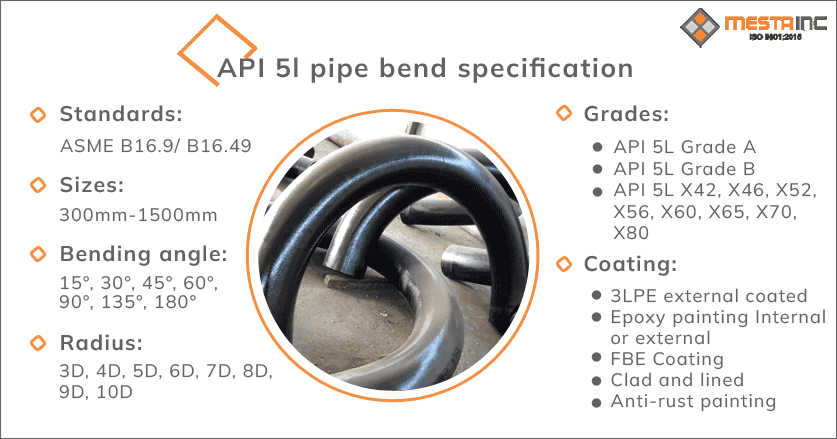
การโค้งงอของท่อเหล็ก API 5L เป็นส่วนประกอบของท่อทิศทางที่มีแรงดันวิกฤตซึ่งใช้กันอย่างแพร่หลายในน้ำมันข้ามประเทศระหว่างประเทศ, แก๊ส, น้ำ, และโครงสร้างพื้นฐานการขนส่งสารละลาย. ต่างจากรัศมีสั้นมาตรฐาน (1.0ดี) หรือรัศมียาว (1.5ดี) ข้อศอกที่ขึ้นรูปเย็น, การโค้งงอแบบเหนี่ยวนำนั้นผลิตขึ้นโดยใช้เทคโนโลยีการทำความร้อนแบบเหนี่ยวนำความถี่ปานกลางอย่างต่อเนื่อง. กระบวนการนี้ช่วยให้สามารถเปลี่ยนทิศทางในรัศมีขนาดใหญ่ได้ (โดยทั่วไปจะเป็น 3D, 5ดี, 6ดี, 8ดี, 10ดี, สูงสุด 12D หรือรัศมีที่กำหนดเอง) ที่ลดการสูญเสียแรงเสียดทานลงอย่างมาก, การกัดเซาะการกัดกร่อน, ความปั่นป่วน, และแรงดันของเหลวตกคร่อมโครงข่ายท่อแรงดันสูง.
เทคนิคการดัดโค้งแบบเหนี่ยวนำร้อนเกี่ยวข้องกับการส่งท่อเหล็กกล้าคาร์บอน/โลหะผสมที่ไร้รอยต่อหรือแบบเชื่อมผ่านขดลวดความร้อนแบบเหนี่ยวนำแม่เหล็กไฟฟ้า. ขดลวดให้ความร้อนกับแถบเส้นรอบวงแคบ (360 องศารอบท่อ) เพื่อเพิ่มอุณหภูมิการตีขึ้นรูป, โดยทั่วไประหว่าง 850°C ถึง 1,050°C (1562°F ถึง 1922°F). ในขณะที่ท่อถูกดันไปข้างหน้าด้วยความเร็วที่ควบคุมคงที่โดยเครื่องไฮดรอลิก, แขนกลที่หมุนได้จะยึดขอบนำไว้, การใช้โมเมนต์การดัดงอที่สร้างรูปร่างให้กับท่อรอบๆ รัศมีเส้นกึ่งกลางที่กำหนดไว้ล่วงหน้า (CLR). ทันทีหลังจากออกจากคอยล์เหนี่ยวนำ, โซนร้อนดับโดยใช้สเปรย์น้ำแรงดัน, อากาศบังคับ, หรือปล่อยให้เย็นในอากาศนิ่ง ขึ้นอยู่กับข้อกำหนดทางโลหะวิทยาและข้อกำหนดในการอบชุบด้วยความร้อน.
โรงงานของเราผลิต API 5L X42 เกรดสูงถึง X80 ส่วนโค้งเหนี่ยวนำร้อนที่ออกแบบมาให้สอดคล้องกับ ANSI/ASME B16.49 อย่างเคร่งครัด, ไอเอสโอ 15590-1, และขนาดมาตรฐาน ASME B16.9. ด้านล่างนี้คือตารางภาพรวมข้อกำหนดหลักซึ่งมีรายละเอียดขนาดที่มี, ตารางเวลา, รัศมี, และบริการประมวลผลมูลค่าเพิ่ม.
| คลาสพารามิเตอร์ | ช่วงโค้งท่อไร้รอยต่อ | เชื่อม (แอลเอสเอ / HSAW / ERW) ช่วงโค้ง |
|---|---|---|
| เส้นผ่านศูนย์กลางที่กำหนด (กรมอุทยานฯ) | 1/2″ ถึง 24″ (DN15 – DN600) | 2″ ถึง 60″ (DN50 – DN1500) |
| ความหนาของผนัง / กำหนดการ | สช 20, สช 40, สช 80, สช 120, สช 160, กำหนด XXS | สช 10 ถึงสช 120, WT ขึ้นไป 60 มม (2.36 ใน) |
| รัศมีการดัดเส้นผ่านศูนย์กลาง | 1.5ดี, 2.5ดี, 3ดี, 4ดี, 5ดี, 6ดี, 7ดี, 8ดี, 10ดี, 12ดี | 3ดี, 5ดี, 6ดี, 7ดี, 8ดี, 10ดี, 12ดี, CLR แบบกำหนดเองสูงสุด 15 ม |
| มุมโค้ง (ฉัน) | 11.25°, 22.5°, 30°, 45°, 60°, 90°, 180°หรือกำหนดเอง | 11.25°, 22.5°, 30°, 45°, 60°, 90°, 180°หรือกำหนดเอง |
| แทนเจนต์สิ้นสุดความยาว (L1, L2) | มาตรฐาน 100 มม. ถึง 500 มม. หรือปรับให้เหมาะกับความยาวของไซต์ | มาตรฐาน 150 มม. ถึง 1000 มม. หรือตัวเลือกแทนเจนต์แบบขยาย |
| สิ้นสุดการเตรียมการ | เอียงสิ้นสุดเป็น ASME B16.25, ตัดสี่เหลี่ยมจัตุรัสปลายธรรมดา | ปลายเอียง (สารประกอบเอียง / การเปลี่ยนผ่านแบบผสม) |
| การป้องกันพื้นผิว | หายดำ, น้ำมันป้องกันสนิม, เอฟบีอี, 3แอลพีอี, 3แอลพีพี, อีพ็อกซี่เหลว | ระเบิดทำความสะอาด (บน 2.5), 3การเคลือบแอลพีอี, FBE หนักมาก, ถ่านหินทาร์ |
| ใบรับรองการทดสอบ | EN 10204 3.1 / 3.2, 100% ยูทาห์, RT, MPI, การทดสอบอุทกสถิต | EN 10204 3.1 / 3.2, 100% รอยเชื่อม RT/UT, แผนที่ความแข็ง |
ในการออกแบบท่อแรงดันสูง, การคำนวณความยาวส่วนโค้งที่แน่นอน, ค่าเบี้ยเลี้ยงโค้ง, อัตราการทำให้ผนังบางลง, และข้อกำหนดแทนเจนต์มีความสำคัญอย่างยิ่งในการป้องกันความอดอยากของวัตถุและการตกไข่ที่มากเกินไป. แบบจำลองทางคณิตศาสตร์ที่ใช้ควบคุมโค้งเหนี่ยวนำร้อนของ API 5L มีดังต่อไปนี้.
ความยาวส่วนโค้งทั้งหมดที่จำเป็นสำหรับการสร้างมุมโค้งที่ระบุ ฉัน โดยมีรัศมีเส้นผ่านศูนย์กลาง R, ความหนาของวัสดุ ที, และปัจจัยการเปลี่ยนแกนกลาง K ถูกกำหนดโดย:
ที่ไหน: ปริญญาตรี = ค่าเผื่อการโค้งงอ (มม); ฉัน = มุมโค้งงอ (องศา); R = รัศมีเส้นผ่านศูนย์กลาง (มม); K = เคแฟกเตอร์ (อัตราส่วนตำแหน่งแกนกลาง, โดยทั่วไป 0.33 ถึง 0.50 สำหรับการดัดงอร้อน); ที = ความหนาของผนังที่กำหนด (มม).
สำหรับขนาดท่อที่ระบุมาตรฐาน (กรมอุทยานฯ หรือ ดี), การกำหนดรัศมีจะปรับขนาดโดยตรงกับเส้นผ่านศูนย์กลางภายนอก:
ตัวอย่างการคำนวณ (6″ 5D เบนด์): เส้นผ่านศูนย์กลางภายนอก ง = 6″ (152.4 มม). รัศมีเส้นผ่านศูนย์กลาง ร = 5 × 6″ = 30″ = 762.0 มม. ความยาวส่วนโค้งรวมสำหรับการโค้งงอ 90° = 90 × (3.14159 / 180) × 762.0 มม. = 1196.9 มม (บวกกับความยาวแทนเจนต์).
ในระหว่างกระบวนการดัดงอ, ส่วนโค้งด้านนอก (สิ่งพิเศษ) ประสบกับความเครียดแรงดึงส่งผลให้ผนังบางลง, ในขณะที่โค้งด้านใน (อินทราโดส) ประสบกับแรงกดทับทำให้ผนังหนาขึ้น. เพื่อตอบสนอง ASME B31.4 / ข้อกำหนดด้านแรงดันการออกแบบ B31.8, ความหนาของผนังท่อเริ่มต้น ทีนาม จะต้องเลือกอย่างนั้น:
ที่ไหน ทีนาที คือความหนาของผนังท่อขั้นต่ำที่ต้องการต่อการคำนวณแรงดันการออกแบบท่อแบบเส้น.
API 5L เกรด X60 (เทียบเท่ากับไอเอสโอ 3183 L415) PSL1 แสดงถึงคุณภาพมาตรฐาน การดัดท่อแบบไร้รอยต่อและแบบเชื่อมที่ให้ผลตอบแทนสูง ออกแบบมาสำหรับสภาพแวดล้อมการขนส่งที่ไม่เปรี้ยว. ตารางด้านล่างสรุปค่าขีดจำกัดทางเคมีและคุณสมบัติแรงดึงขั้นต่ำที่ต้องการ.
| ประเภทการผลิต | เกรดเหล็ก | C สูงสุด | mn max | P สูงสุด | S สูงสุด | V Max | NB Max | คุณสูงสุด | หมายเหตุ |
|---|---|---|---|---|---|---|---|---|---|
| ท่อไร้รอยต่อ | L415 หรือ X60 | 0.28 | 1.40 | 0.030 | 0.030 | เชิงอรรถ ฉ | เชิงอรรถ ฉ | เชิงอรรถ ฉ | ลูกบาศ์ก ≤ 0.50%, ใน ≤ 0.50% |
| ท่อเชื่อม | L415 หรือ X60 | 0.26 | 1.40 | 0.030 | 0.030 | เชิงอรรถ ฉ | เชิงอรรถ ฉ | เชิงอรรถ ฉ | Cr ≤ 0.50%, โม ≤ 0.15% |
เชิงอรรถ: (ข) สำหรับการลดแต่ละครั้งของ 0.01% ต่ำกว่าคาร์บอนสูงสุด, Mn เพิ่มขึ้นของ 0.05% สูงกว่าสูงสุดที่อนุญาตได้ถึง 1.75%. (ค) เว้นแต่จะตกลงกันไว้, ไม่มี + วี ≤ 0.06%. (ง) ไม่มี + วี + ถ้า ≤ 0.15%. (ฉ) เว้นแต่จะตกลงกันไว้, ไม่มี + วี + ถ้า ≤ 0.001%. (ก) ไม่มีการเติมโบรอนโดยเจตนา (บี ≤ 0.001%).
| เกรดเหล็ก | ตัวท่อ (ไร้รอยต่อ & เชื่อม) | รอยเชื่อม (อีดับบลิว, เลื่อย, วัว) | ||
|---|---|---|---|---|
| ความแข็งแรงของผลผลิตอาร์t0.5 (MPa / ปอนด์ต่อตารางนิ้ว) นาที | ความต้านแรงดึง Rม (MPa / ปอนด์ต่อตารางนิ้ว) นาที | การยืดตัว Aฉ (%) นาที | ความต้านแรงดึง Rม (MPa / ปอนด์ต่อตารางนิ้ว) นาที | |
| L415 หรือ X60 | 415 MPa (60,200 ปอนด์ต่อตารางนิ้ว) | 520 MPa (75,400 ปอนด์ต่อตารางนิ้ว) | สมการได้มา (ของ) | 520 MPa (75,400 ปอนด์ต่อตารางนิ้ว) |
การยืดตัวขั้นต่ำที่กำหนด (กฉ) เปอร์เซ็นต์สำหรับการโค้งงอ API 5L ถูกกำหนดโดยใช้สูตรเชิงประจักษ์ ISO/API โดยอิงจากพื้นที่ตัดขวางของชิ้นทดสอบ:
เส้นท่อ PSL2 โค้งงอบังคับใช้เกณฑ์คุณภาพที่เข้มงวด, ขีดจำกัดเทียบเท่าคาร์บอนบังคับ, ระบุจุดแข็งผลผลิตสูงสุด, การทดสอบแรงกระแทกแบบชาร์ปี, และเงื่อนไขการส่งมอบอุปทานบังคับที่ชัดเจน: ซึ่งถูกทำให้เป็นมาตรฐาน (เอ็น), ดับแล้ว & นิรภัย (ถาม), หรือแบบรีดด้วยความร้อนเชิงกล (ม).
| เกรดเหล็ก | เศษส่วนมวลองค์ประกอบ (%) สูงสุด | คาร์บอนเทียบเท่าสูงสุด | |||||||||
|---|---|---|---|---|---|---|---|---|---|---|---|
| ค | และ | มน | ป | ส | วี | ไม่มี | ของ | อื่น | ซีอีIIW | ซีอีพีซีเอ็ม | |
| L415N หรือ X60N (เอสเอ็มแอลเอส) | 0.24 | 0.45 | 1.40 | 0.025 | 0.015 | 0.10 | 0.05 | 0.04 | ก, ชม., ล | ตามที่ตกลงกัน | ตามที่ตกลงกัน |
| L415Q หรือ X60Q (เอสเอ็มแอลเอส) | 0.18 | 0.45 | 1.70 | 0.025 | 0.015 | ก | ก | ก | ชม., ล | 0.43 | 0.25 |
| L415M หรือ X60M (เชื่อม) | 0.12 | 0.45 | 1.60 | 0.025 | 0.015 | ก | ก | ก | ชม., ล | 0.43 | 0.25 |
สูตร CE: ซีอีIIW = ค + มน/6 + (cr+mo+v)/5 + (Ni+Cu)/15 | ซีอีพีซีเอ็ม = ค + และ/30 + (Mn+Cu+Cr)/20 + ใน / 60 + MO/15 + วี/10 + 5บี.
| เกรดเหล็ก | ข้อกำหนดของตัวท่อ | รอยเชื่อม | |||
|---|---|---|---|---|---|
| ความแข็งแรงของผลผลิตอาร์t0.5 (MPa) นาที / สูงสุด | ความต้านแรงดึง Rม (MPa) นาที / สูงสุด | อัตราส่วนอาร์t0.5 / Rม สูงสุด | การยืดตัว Aฉ (%) นาที | ความต้านแรงดึง Rม (MPa) นาที | |
| L415N / X60N | 415 MPa (60,200 ปอนด์ต่อตารางนิ้ว) นาที 565 MPa (81,900 ปอนด์ต่อตารางนิ้ว) สูงสุด |
520 MPa (75,400 ปอนด์ต่อตารางนิ้ว) นาที 760 MPa (110,200 ปอนด์ต่อตารางนิ้ว) สูงสุด |
0.93 | ได้มาตามสูตร | 520 MPa (75,400 ปอนด์ต่อตารางนิ้ว) |
| L415Q / X60Q | |||||
| L415M / X60M | |||||
เครือข่ายท่อส่งไฮโดรเจนซัลไฟด์แบบเปียก (H2ส) ก๊าซหรือน้ำมันดิบต้องการท่อโค้งทนบริการพิเศษ. ส่วนโค้งบริการที่มีรสเปรี้ยวได้รับการควบคุมอย่างเข้มงวดเพื่อป้องกันการแคร็กที่เกิดจากไฮโดรเจน (hic), การแคร็กความเครียดของซัลไฟด์ (สสส), และการแคร็กแบบขั้นตอน (สวค) ภายใต้ NACE MR0175 / ไอเอสโอ 15156 การปฏิบัติตาม.
| เกรดเหล็ก | C สูงสุด | สูงสุด | mn max | P สูงสุด | S สูงสุด | V Max | NB Max | คุณสูงสุด | ซีอีIIW สูงสุด | ซีอีพีซีเอ็ม สูงสุด |
|---|---|---|---|---|---|---|---|---|---|---|
| L415QS / X60QS (เอสเอ็มแอลเอส) | 0.16 | 0.45 | 1.65 | 0.020 | 0.003 | 0.08 | 0.05 | 0.04 | 0.41 | 0.22 |
| L415MS / X60MS (เชื่อม) | 0.10 | 0.45 | 1.45 | 0.020 | 0.002 | 0.08 | 0.08 | 0.06 | - | 0.21 |
การควบคุมความเปรี้ยวที่สำคัญ: ซัลเฟอร์ต่ำมาก (ส ≤ 0.002% สำหรับการเชื่อม, 0.003% เพื่อความไร้รอยต่อ). การบำบัดด้วยแคลเซียมเพื่อควบคุมรูปร่างแบบรวม (แคลเซียม/เอส ≥ 1.5). ขีดจำกัดความแข็ง: สูงสุด 22 เหล็กแผ่นรีดร้อน (238 HBW) ข้ามฐานโลหะ, โซนได้รับผลกระทบจากความร้อน (ฮาซ), และรอยเชื่อม.
| เกรดเหล็ก | ความแข็งแรงของผลผลิตอาร์t0.5 (MPa) นาที / สูงสุด | ความต้านแรงดึง Rม (MPa) นาที / สูงสุด | อัตราผลตอบแทนต่อแรงดึงสูงสุด | หมวกความแข็ง (เหล็กแผ่นรีดร้อน) | hic / การทดสอบเอสเอสซี |
|---|---|---|---|---|---|
| L415QS / X60QS | 415 MPa (60,200 ปอนด์ต่อตารางนิ้ว) นาที 565 MPa (81,900 ปอนด์ต่อตารางนิ้ว) สูงสุด |
520 MPa (75,400 ปอนด์ต่อตารางนิ้ว) นาที 760 MPa (110,200 ปอนด์ต่อตารางนิ้ว) สูงสุด |
0.93 | 22 เหล็กแผ่นรีดร้อน (238 HBW) |
เนซ TM0284 (hic) เนซ TM0177 (สสส) |
| L415MS / X60MS |
ASME B16.49 เป็นมาตรฐานขั้นสุดท้ายที่ควบคุมการออกแบบ, คุณสมบัติของวัสดุ, กระบวนการผลิต, การทดสอบ, การทำเครื่องหมาย, และข้อกำหนดในการตรวจสอบท่อโค้งที่ผลิตจากโรงงานซึ่งทำจากวัสดุคาร์บอนและเหล็กกล้าอัลลอยด์ต่ำที่มีคุณสมบัติทางเคมีและทางกลที่ควบคุมได้. โดยครอบคลุมถึงการโค้งงอแบบเหนี่ยวนำสำหรับการขนส่งทางท่อและระบบท่อจำหน่ายที่สอดคล้องกับ ASME B31.4 โดยเฉพาะ (ไฮโดรคาร์บอนเหลว) และ ASME B31.8 (การส่งก๊าซ).
| องค์ประกอบ | คาร์บอน [ค] | แมงกานีส [มน] | ฟอสฟอรัส [ป] | กำมะถัน [ส] | ซิลิคอน [และ] | โครเมียม [Cr] | โมลิบดีนัม [โม] |
|---|---|---|---|---|---|---|---|
| เนื้อหาสูงสุด (%) | 0.30 | 1.60 | 0.025 | 0.015 | 0.50 | 0.30 | 0.25 |
| องค์ประกอบ | วาเนเดียม [วี] | ทองแดง [ลูกบาศ์ก] | นิกเกิล [ใน] | ไนโอเบียม [ไม่มี] | สูตรเทียบเท่าคาร์บอน (ส.ศ.) | ||
| เนื้อหาสูงสุด (%) | 0.10 | 0.50 | 1.00 | 0.10 | ส.ศ. = ค + มน/6 + (cr+mo+v)/5 + (คิว+นิ)/15 ≤ 0.45% | ||
ภายใต้ ASME B16.49, การโค้งงอแบบเหนี่ยวนำถูกกำหนดโดยสัญลักษณ์เกรดมาตรฐานที่ตรงกับความแข็งแรงของผลผลิตขั้นต่ำในหน่วยเมกะปาสคาล (MPa). ตารางด้านล่างแสดงรายการคุณสมบัติพื้นฐานทางกล, เกณฑ์ความแข็ง, และชาร์ปี วี-นอทช์ (CVN) ค่าความเหนียวกระแทกที่ต้องการหลังการดัด.
| สัญลักษณ์เกรด | เกรด API เทียบเท่า 5L | ความแข็งแรงของผลผลิตขั้นต่ำ | ความต้านแรงดึงต่ำสุด | การยืดตัวขั้นต่ำ | ความแข็งสูงสุด | การทดสอบแรงกระแทก (คโวลต์) | |||
|---|---|---|---|---|---|---|---|---|---|
| ksi | MPa | ksi | MPa | % | HBW | เหล็กแผ่นรีดร้อน | สิ่งที่ดี (ค่าเฉลี่ยของฉัน) | ||
| หน้า 241 (X241) | เกรดบี / L245 | 35 | 241 | 60 | 414 | 20 | 238 | 22 | 27 D @ -20°C |
| 290.- (X290) | X42 / L290 | 42 | 290 | 60 | 414 | 20 | 238 | 22 | 27 D @ -20°C |
| P317 (X317) | X46 / L320 | 46 | 317 | 63 | 434 | 20 | 238 | 22 | 27 D @ -20°C |
| P359 (X359) | X52 / L360 | 52 | 359 | 66 | 455 | 20 | 238 | 22 | 27 D @ -20°C |
| หน้า 386 (X386) | X56 / L390 | 56 | 386 | 71 | 490 | 20 | 238 | 22 | 27 D @ -20°C |
| P414 (X414) | X60 / L415 | 60 | 414 | 75 | 517 | 20 | 238 | 22 | 54 D @ -20°C |
| หน้า 448 (X448) | X65 / L450 | 65 | 448 | 77 | 531 | 18 | 238 | 22 | 54 D @ -20°C |
| หน้า 483 (X483) | X70 / L485 | 70 | 483 | 82 | 565 | 16 | 247 | 24 | 54 D @ -20°C |
| หน้า552 (X552) | X80 / L555 | 80 | 552 | 90 | 621 | 16 | 247 | 24 | 54 D @ -20°C |
เนื่องจากการดัดงอด้วยการเหนี่ยวนำความร้อนจะทำให้ท่อเหล็กเกิดวงจรความร้อนเฉพาะที่อย่างรวดเร็ว, การรักษาความร้อนหลังการดัดเต็มรูปแบบ (PBHT) เป็นสิ่งจำเป็นในการฟื้นฟูโครงสร้างจุลภาคที่ละเอียด, บรรเทาความเค้นดัดที่ตกค้าง, และรับประกันความทนทานของรอยบากบนโลหะฐาน, โซนโค้ง, และรอยเชื่อม.
อุ่นส่วนโค้งอย่างสม่ำเสมอระหว่าง 480°C (900°F) และ 675°C (1250°F). เก็บไว้ที่อุณหภูมิอย่างน้อย 30 นาทีต่อ 25 มม (1 ใน.) ของความหนาของผนัง, แต่ไม่น้อยกว่า 30 รวมนาที. อากาศเย็นสบายในอากาศนิ่ง.
ให้ความร้อนสูงกว่าอุณหภูมิการเปลี่ยนแปลงด้านบนอย่างสม่ำเสมอ (เครื่องปรับอากาศ3, โดยทั่วไปคือ 880°C–930°C). ถือไว้ขั้นต่ำ 20 นาทีต่อ 25 มม (1 ใน.) ของความหนา, จากนั้นทำให้เย็นอย่างอิสระในอากาศนิ่งเพื่อให้ได้โครงสร้างเฟอร์ไรต์-เพิร์ลไลท์ที่สม่ำเสมอ.
ความร้อนสูงกว่าอุณหภูมิการเปลี่ยนแปลง, ถือไว้ 20 ต่ำสุด/25 มม, แล้วรีบดับในน้ำ, น้ำมัน, หรือการทำให้พอลิเมอร์ดับลง. อุ่นซ้ำเพื่ออบที่อุณหภูมิสูง (550°ซ–650°ซ) เพื่อให้ได้ผลผลิตที่เหมาะสมที่สุดและความเหนียวทนแรงกระแทก.
ตารางด้านล่างแสดงตรงกลางถึงปลาย (ก, บี) และหันหน้าเข้าหากัน (โอ, K) ขนาดสำหรับ 3D มาตรฐานและรัศมียาว (แอลอาร์) ท่อโค้งงอตามขนาดท่อที่ระบุ DN15 (1/2-) ถึง DN400 (16-) ตามมาตรฐาน ASME B16.49 และ ASME B16.9.
| ดีเอ็น | กรมอุทยานฯ | นอก Dia (ของ) | ศูนย์ถึงจุดสิ้นสุด (90°โค้งงอ) ก | ศูนย์ถึงจุดสิ้นสุด (45°โค้งงอ) บี | กลับสู่หน้า (180° กลับ) โอ | ศูนย์กลางสู่ศูนย์กลาง (180° กลับ) K | ||||
|---|---|---|---|---|---|---|---|---|---|---|
| 3ดี เบนด์ | แอลอาร์ เบนด์ | 3ดี เบนด์ | แอลอาร์ เบนด์ | 3ดี เบนด์ | แอลอาร์ เบนด์ | 3ดี เบนด์ | แอลอาร์ เบนด์ | |||
| 15 | 1/2- | 21.3 | 76 | 38 | 48 | 22 | 203 | 102 | 76 | 38 |
| 20 | 3/4- | 26.7 | 76 | 38 | 57 | 25 | 247 | 127 | 76 | 38 |
| 25 | 1- | 33.4 | 76 | 38 | 63 | 29 | 176 | 102 | 76 | 51 |
| 32 | 1 1/4- | 42.2 | 95 | 48 | 39 | 24 | 95 | 102 | 64 | 64 |
| 40 | 1 1/2- | 48.3 | 114 | 57 | 47 | 29 | 114 | 127 | 76 | 76 |
| 50 | 2- | 60.3 | 152 | 76 | 63 | 35 | 152 | 152 | 102 | 102 |
| 65 | 2 1/2- | 73.0 | 190 | 95 | 79 | 44 | 190 | 190 | 127 | 127 |
| 80 | 3- | 88.9 | 229 | 114 | 95 | 51 | 229 | 229 | 152 | 152 |
| 90 | 3 1/2- | 101.6 | 267 | 133 | 111 | 57 | 267 | 267 | 178 | 178 |
| 100 | 4- | 114.3 | 305 | 152 | 127 | 64 | 305 | 305 | 203 | 203 |
| 125 | 5- | 141.3 | 381 | 190 | 157 | 79 | 381 | 381 | 254 | 254 |
| 150 | 6- | 168.3 | 457 | 229 | 189 | 95 | 457 | 457 | 305 | 305 |
| 200 | 8- | 219.1 | 610 | 305 | 252 | 127 | 610 | 610 | 406 | 406 |
| 250 | 10- | 273.0 | 762 | 381 | 316 | 159 | 762 | 762 | 508 | 508 |
| 300 | 12- | 323.8 | 914 | 457 | 378 | 191 | 914 | 914 | 609 | 609 |
| 350 | 14- | 355.6 | 1067 | 533 | 441 | 222 | 1067 | 1067 | 711 | 711 |
| 400 | 16- | 406.4 | 1219 | 610 | 505 | 254 | 1219 | 1219 | 813 | 813 |
การเลือกเกรดเหล็กที่เหมาะสมสำหรับการโค้งงอของท่อข้ามประเทศจำเป็นต้องรักษาสมดุลของแรงดันในการปฏิบัติงาน, ความสามารถในการเชื่อมภาคสนาม, ความเหนียวแตกหัก, และประสิทธิผลด้านต้นทุน. ตารางเปรียบเทียบด้านล่างจะประเมินขีดจำกัดทางเคมีและเกณฑ์ทางกลของสเปกตรัม API 5L ที่ให้ผลตอบแทนสูง.
| ระดับ | คาร์บอน [ค] | ซิลิคอน [และ] | แมงกานีส [มน] | ฟอสฟอรัส [ป] | กำมะถัน [ส] | วาเนเดียม [วี] | ไนโอเบียม [ไม่มี] | ไทเทเนียม [ของ] |
|---|---|---|---|---|---|---|---|---|
| เอพีไอ 5L X52 | 0.16 | 0.45 | 1.65 | 0.020 | 0.010 | 0.07 | 0.05 | 0.04 |
| เอพีไอ 5L X56 | 0.16 | 0.45 | 1.65 | 0.020 | 0.010 | 0.07 | 0.05 | 0.04 |
| เอพีไอ 5L X60 | 0.16 | 0.45 | 1.65 | 0.020 | 0.010 | 0.08 | 0.05 | 0.04 |
| API 5L x65 | 0.16 | 0.45 | 1.65 | 0.020 | 0.010 | 0.09 | 0.05 | 0.06 |
| เอพีไอ 5L X70 | 0.17 | 0.45 | 1.75 | 0.020 | 0.010 | 0.10 | 0.05 | 0.06 |
| ระดับ | ความแข็งแรงของผลผลิตขั้นต่ำ (เคเอสไอ / MPa) | ความต้านแรงดึงต่ำสุด (เคเอสไอ / MPa) | อัตราผลตอบแทนต่อแรงดึงสูงสุด | การยืดตัวขั้นต่ำ (%) |
|---|---|---|---|---|
| เอพีไอ 5L X52 | 52 เคเอสไอ / 359 MPa | 66 เคเอสไอ / 455 MPa | 0.93 | 21 % |
| เอพีไอ 5L X56 | 56 เคเอสไอ / 386 MPa | 71 เคเอสไอ / 490 MPa | 0.93 | 19 % |
| เอพีไอ 5L X60 | 60 เคเอสไอ / 414 MPa | 75 เคเอสไอ / 517 MPa | 0.93 | 19 % |
| API 5L x65 | 65 เคเอสไอ / 448 MPa | 77 เคเอสไอ / 531 MPa | 0.93 | 18 % |
| เอพีไอ 5L X70 | 70 เคเอสไอ / 483 MPa | 82 เคเอสไอ / 565 MPa | 0.93 | 17 % |
เพื่อให้มั่นใจถึงความสมบูรณ์ของโครงสร้างภายใต้แรงกดดันของวงจรที่รุนแรงและภาระด้านสิ่งแวดล้อม, 100% ของส่วนโค้งเหนี่ยวนําร้อนที่ผลิตขึ้นจะต้องได้รับการตรวจสอบโดยไม่ทําลายอย่างละเอียดถี่ถ้วน (nde) และการทดสอบโลหะวิทยาแบบทำลายล้างตามข้อกำหนด ASME B16.49 10 และ ISO 15590-1.
| วิธีการทดสอบ | มาตรฐาน / ข้อมูลจำเพาะ | เกณฑ์การยอมรับ & ขอบเขตการตรวจสอบ |
|---|---|---|
| การทดสอบอัลตราโซนิก (ยูทาห์) | มาตรฐาน ASTM A388 / ASME Sec V ศิลปะ 4 | 100% การวัดความหนาของผนังทั้งตัวหลังการดัด; 100% คลื่นเฉือน UT ของส่วนโค้งภายใน/ส่วนพิเศษและรอยเชื่อม. |
| การทดสอบด้วยรังสี (RT) | ASME Sec V ศิลปะ 2 / เอพีไอ 1104 | 100% การตรวจเอ็กซ์เรย์รอยเชื่อมเส้นรอบวงและแนวยาวบนท่อเชื่อมหลังการขึ้นรูป. |
| การตรวจสอบอนุภาคแม่เหล็ก (MPI) | มาตรฐาน ASTM E709 / ASME Sec V ศิลปะ 7 | 100% การตรวจสอบอนุภาคแม่เหล็กเปียกของปลายเอียง, อินทราโดส, สิ่งพิเศษ, และตัวเครื่องเพื่อตรวจจับรอยแตกบนพื้นผิว/ใต้พื้นผิว. |
| การทดสอบความแข็ง & การทำแผนที่ | มาตรฐาน ASTM E10 (บริเนล) / มาตรฐาน ASTM E18 (ร็อคเวลล์) | การทำแผนที่ตารางข้ามรัศมีภายนอก, รัศมีภายใน, แกนกลาง, และโซนการเชื่อม/HAZ. สูงสุด 238 HBW (22 HRC สำหรับบริการเปรี้ยว). |
| ชาร์ปี วี-น็อตช์ (CVN) ผลกระทบ | มาตรฐาน ASTM A370 / ไอเอสโอ 148-1 | การทดสอบแรงกระแทกที่ -20°C (-4°F) หรือ -46°C (-51°F). พลังงานขั้นต่ำส่วนบุคคลต่อตารางพื้นฐาน ASME B16.49. |
| การทดสอบอุทกสถิต | ข้อ API 5L 10.2 / ASME B31.8 | ทดสอบแรงดันให้น้อยที่สุด 10 วินาทีโดยไม่มีการรั่วซึมของร่างกายหรือตะเข็บเมื่อคำนวณความเค้นของห่วง (90% สมีส์). |
ส่วนโค้งเหนี่ยวนําร้อนวางอยู่ใต้ดิน, ใต้ทะเล, หรือสภาพแวดล้อมท่อเหนือพื้นดินต้องใช้ระบบเคลือบป้องกันการกัดกร่อนแบบพิเศษที่สามารถปรับให้เข้ากับรูปทรงโค้งงอได้โดยไม่ต้องแยกตัว.
ความคลาดเคลื่อนทางเรขาคณิตที่แคบเป็นสิ่งสำคัญสำหรับการรักษาความพอดีของท่อ, ลดการชดเชยระหว่างการเชื่อมเส้นรอบวงอัตโนมัติของสนาม, และหลีกเลี่ยงจุดรวมความเครียด.
| คุณสมบัติมิติ | ช่วงเส้นผ่านศูนย์กลางที่กำหนด | ขีดจำกัดความคลาดเคลื่อนที่อนุญาต |
|---|---|---|
| มุมโค้ง (ฉัน) ความอดทน | ทุกขนาด (1/2″ ถึง 60″) | ±0.5° ของมุมโค้งที่ระบุ |
| รัศมีเส้นผ่านศูนย์กลาง (CLR) ความอดทน | ทุกขนาด | ±1.0% ของรัศมีเส้นกึ่งกลางที่ระบุ R |
| เส้นผ่านศูนย์กลางภายนอก (ของ) ที่จุดสิ้นสุด | กรมอุทยานฯ ≤ 4″ NPS 5″ ถึง 12″ กรมอุทยานฯ ≥ 14″ |
+1.6 มม / -0.8 มม ±1.6 มม +2.4 มม / -1.6 มม |
| ไข่ (ความไม่กลม) ในเบนด์ | ทุกขนาด | สูงสุด 3.0% [(ของสูงสุด – ของนาที) / ของนาม × 100] |
| สิ้นสุดความเหลี่ยม / มุมเอียง | ทุกขนาด | มุมเอียง 37.5° ± 2.5°; หน้าราก 1.6 มม. ± 0.8 มม; นอกสี่เหลี่ยม ≤ 1.6 มม |
| ความยาวแทนเจนต์ (L1, L2) ความอดทน | ทุกขนาด | ±5.0 มม. หรือตามที่ตกลงกันระหว่างผู้ซื้อและผู้ผลิต |
เพื่อเร่งรัดการเสนอราคาและรับรองการปฏิบัติตามข้อกำหนดทางวิศวกรรมที่ไร้ที่ติ, สัญญาจัดซื้อจัดจ้างทางวิศวกรรม (อีพีซี) ควรรวมโปรไฟล์ทางเทคนิคทั้งหมดเมื่อขอใบเสนอราคาสำหรับการโค้งงอแบบเหนี่ยวนำร้อน.
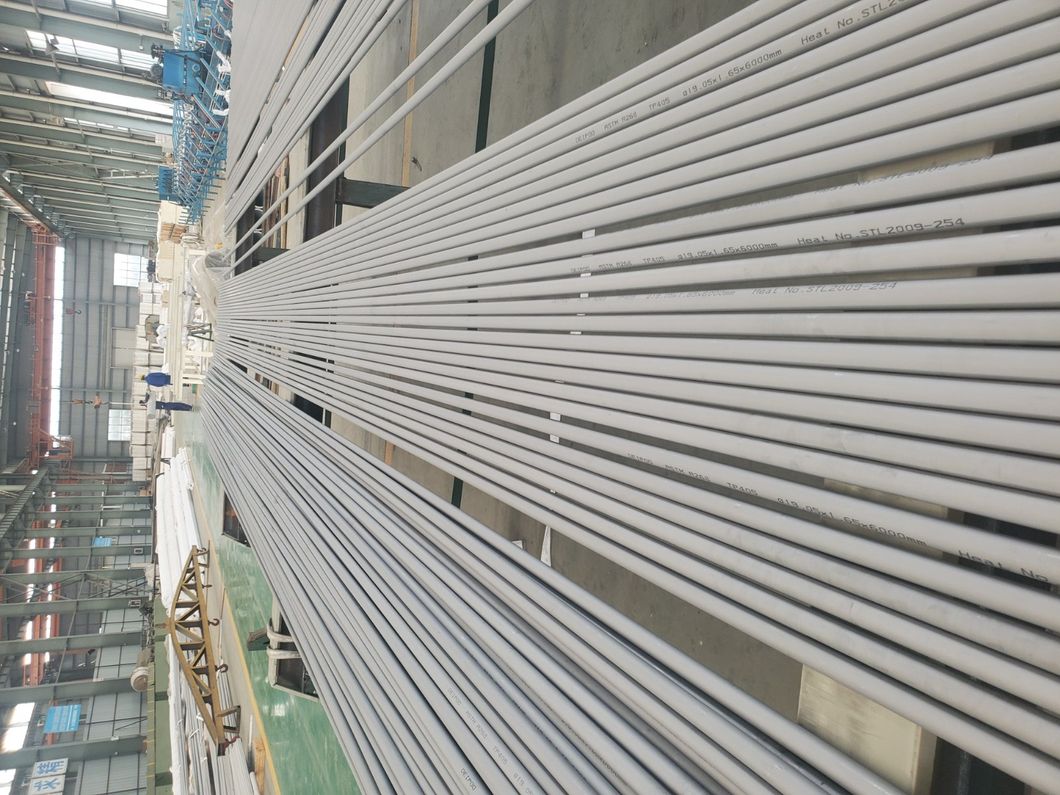
ASTM B729 UNS N08020 โลหะผสมนิกเกิล 20 ท่อไร้รอยต่อ & หลอด
หน้าแปลนเชื่อมคอยาว (VS)
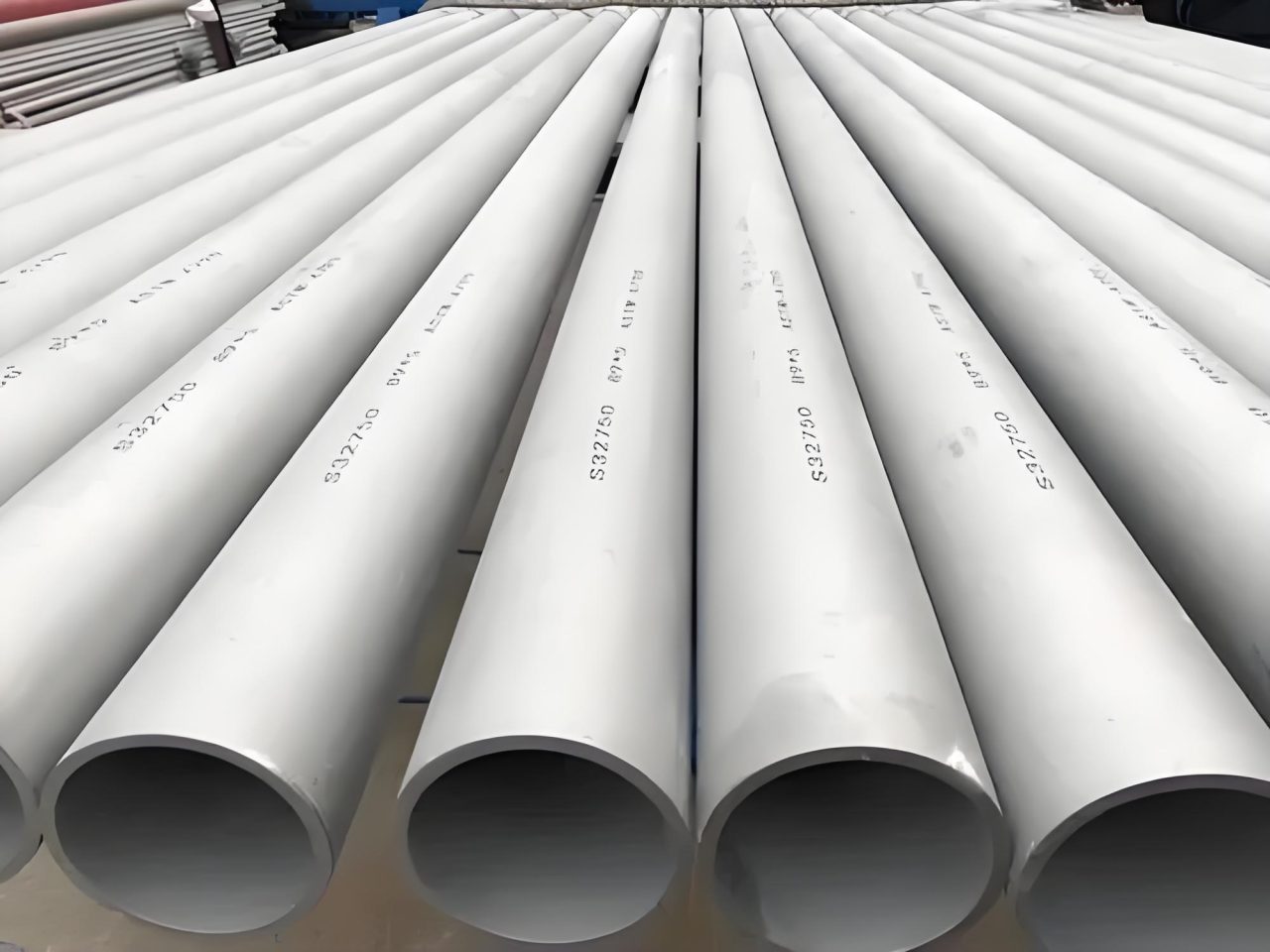
ความสัมพันธ์ระหว่างเส้นผ่านศูนย์กลางที่กำหนด, เส้นผ่านศูนย์กลางภายในและเส้นผ่านศูนย์กลางภายนอกของท่อเหล็ก
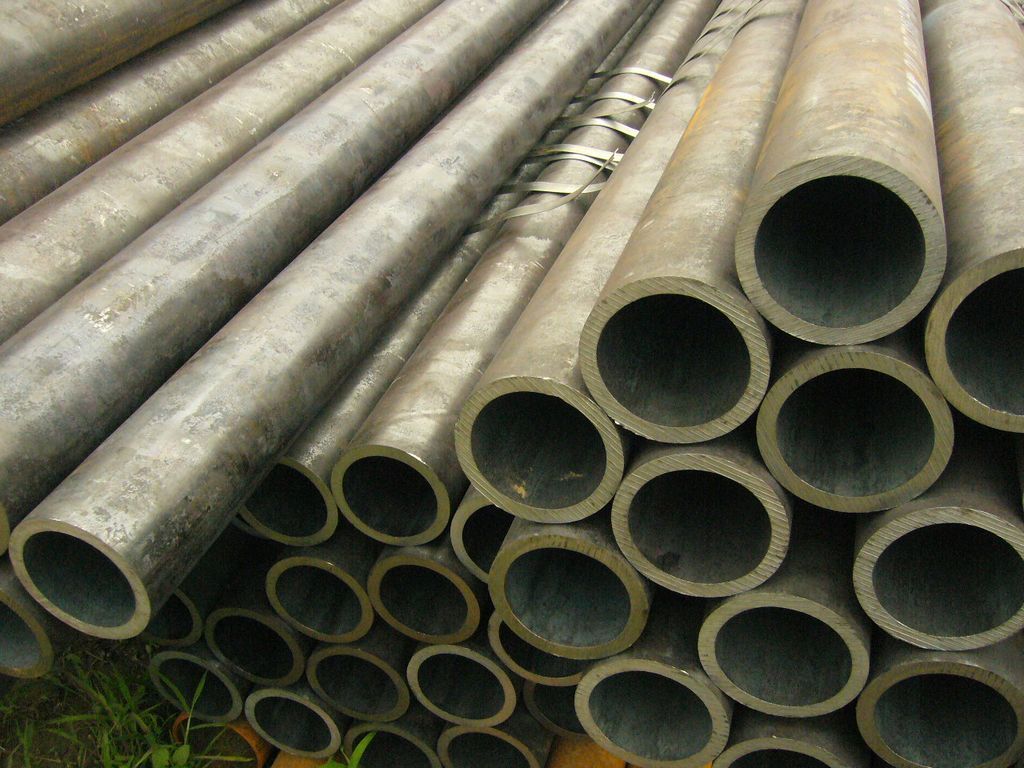
EN 10216 ท่อเหล็กไร้ตะเข็บเป็นท่ออุปกรณ์แรงดันมาตรฐานยุโรปที่ออกแบบเป็นพิเศษสำหรับการบริการที่อุณหภูมิสูงและการใช้งานแรงดันสูง. ผลิตจากเกรดเหล็กที่ไม่ใช่โลหะผสมและโลหะผสม, ท่อไร้ตะเข็บเหล่านี้ได้รับการทดสอบอย่างเข้มงวดเพื่อตอบสนองความต้องการด้านการผลิตไฟฟ้า, ปิโตรเคมี, และอุตสาหกรรมโรงกลั่น. ต่างจากท่อโครงสร้างมาตรฐาน, EN 10216 ท่อได้รับการออกแบบโดยรับประกันความปลอดภัยภายใต้สภาวะการคืบ, การปั่นจักรยานด้วยความร้อน, และการรับแรงดันภายใน.
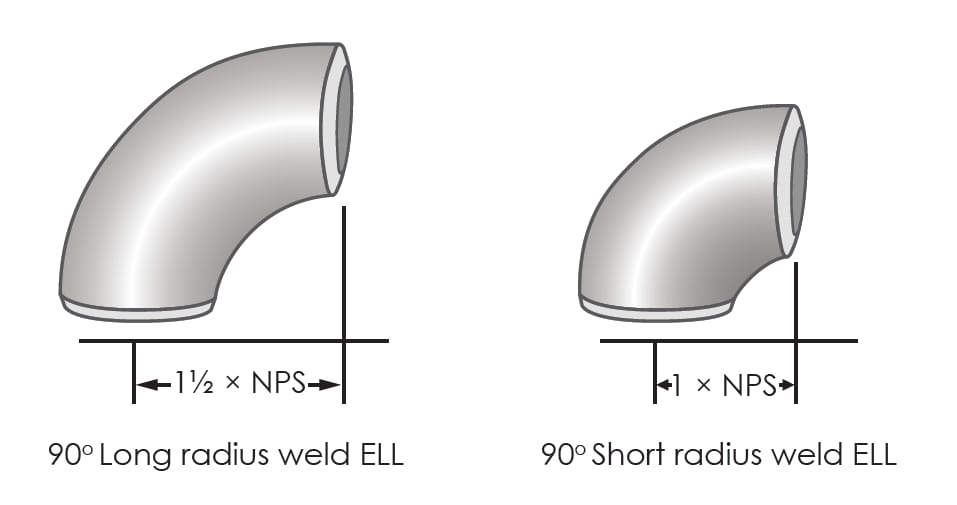
อุปกรณ์เสริมท่อ WP304 Stocks
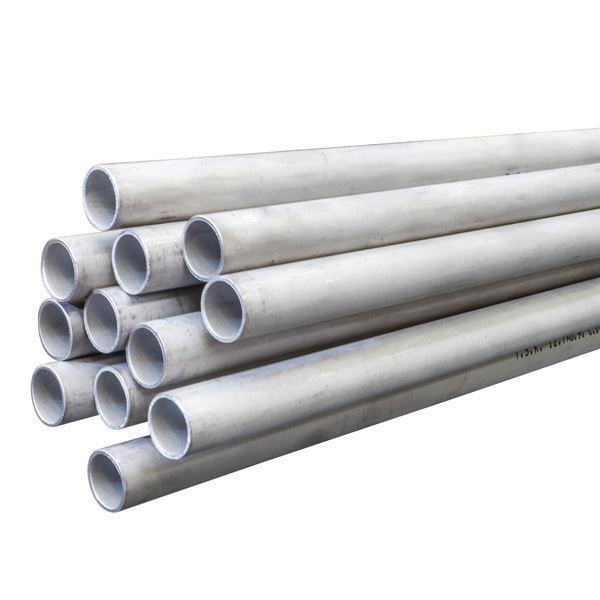
ASTM A789/A789M ครอบคลุมเกรดของความหนาของผนังที่ระบุ, ท่อสแตนเลสสำหรับงานบริการที่ต้องการความต้านทานการกัดกร่อนทั่วไป, โดยเน้นเป็นพิเศษในเรื่องความต้านทานต่อการแตกร้าวจากการกัดกร่อนของความเค้น. เหล็กเหล่านี้เสี่ยงต่อการเปราะหากใช้เป็นเวลานานที่อุณหภูมิสูงขึ้น. สำหรับวิศวกรจัดซื้อและผู้เชี่ยวชาญด้านโลหะวิทยา, การเลือกเกรดดูเพล็กซ์ที่ถูกต้องไม่ได้เป็นเพียงการจับคู่ข้อกำหนดเท่านั้น แต่ยังเกี่ยวกับการทำความเข้าใจสมดุลที่ละเอียดอ่อนของโครงสร้างจุลภาคเฟอร์ริติก-ออสเทนนิติก, ผลกระทบของเส้นทางการประมวลผล, และวงจรความร้อนที่แม่นยำซึ่งกำหนดประสิทธิภาพการบริการในระยะยาว. ครอบครัวดูเพล็กซ์ (ออสเทนไนต์ + เฟอร์ไรต์ในสัดส่วนที่เท่ากันโดยประมาณ) ให้ความแข็งแกร่งเป็นพิเศษ, มักจะเป็นสองเท่าของเกรดออสเทนนิติกซีรีส์ 300 ทั่วไป, รวมกับความต้านทานการแตกร้าวของการกัดกร่อนจากความเครียดคลอไรด์ที่เหนือกว่า. แต่ความแตกต่างนั้นอยู่ที่หน้าต่างการผลิต: การเชื่อมและการบำบัดความร้อนจะต้องได้รับการควบคุมอย่างเข้มงวดเพื่อหลีกเลี่ยงเฟสระหว่างโลหะที่เป็นอันตรายเช่นซิกมา (อัน) หรือไค (ชม.). เมื่อฉันคิดถึงสถานการณ์การจัดซื้อทั่วไป — ชุดอุปกรณ์แลกเปลี่ยนความร้อนสำหรับแพลตฟอร์มนอกชายฝั่ง, ท่อซุปเปอร์ฮีตเตอร์ในสภาพแวดล้อมทางทะเล, หรือแม้แต่โรงงานแปรรูปทางเคมี มาตรฐาน ASTM A789 มอบกรอบการทำงานที่เข้มงวดเพื่อให้มั่นใจถึงความสมบูรณ์ทางกลและความยืดหยุ่นในการกัดกร่อน. จากประสบการณ์ของฉัน, วิศวกรมักจะดูถูกดูแคลนความสำคัญของโซลูชันการหลอมหน้าต่างอุณหภูมิ; ค่าเบี่ยงเบนเพียง 20°C สามารถเปลี่ยนสมดุลเฟอร์ไรต์/ออสเทนไนต์จากช่วงที่เหมาะสมที่สุด 40–60%, ลดจำนวนเทียบเท่าความต้านทานการเกิดรูพรุนลงอย่างมาก (ไม้).
เกรดท่อสแตนเลส ASTM A789/A789M รวมถึง S31803, S32205, S31500, S32550, S31200, S31260, S32001, S32304, S39274, S32750, S32760, S32900, S32950, S39277, S32520, S32906. การกำหนด UNS แต่ละรายการจะมีซองเคมีที่แตกต่างกัน, เกณฑ์ทางกล, และโปรไฟล์การกัดกร่อน. ในบรรดาสิ่งเหล่านี้, S31803 (ดูเพล็กซ์ 22Cr ดั้งเดิม) และ S32205 (รุ่นปรับปรุงพร้อมการควบคุมไนโตรเจนและโมลิบดีนัมที่เข้มงวดยิ่งขึ้น) ครองตลาด, ในขณะที่ S32750 (ซูเปอร์ดูเพล็กซ์, 25Cr) ให้ความต้านทานสูงสุดในการใช้งานที่มีฤทธิ์เปรี้ยวสูงและน้ำทะเล. ข้อบังคับมาตรฐานที่ว่าท่อต้องผลิตโดยกระบวนการที่ไร้รอยต่อหรือแบบเชื่อมโดยไม่มีการเติมโลหะเข้าไป, ทำให้มั่นใจได้ถึงความเป็นเนื้อเดียวกัน. แต่นั่นหมายความว่าอย่างไรในทางปฏิบัติ? ท่อดูเพล็กซ์ไร้ตะเข็บจำเป็นต้องเจาะและเจาะหรือวาดแบบเย็น; อัตราการชุบแข็งงานของดูเพล็กซ์นั้นสูงกว่าเหล็กกล้าออสเทนนิติกอย่างมาก, ต้องการอุปกรณ์โรงสีที่แข็งแกร่งและการหลอมระหว่างขั้นตอน. ท่อเชื่อม, ในทางกลับกัน, ผ่าน GTAW อัตโนมัติหรือการเชื่อมด้วยเลเซอร์, และรอยเชื่อมจะต้องแสดงคุณสมบัติทางกลเทียบเท่ากับโลหะฐานหลังจากผ่านการบำบัดความร้อนหลังการเชื่อมอย่างเหมาะสม (สวท). มาตรฐานอ้างอิง A450/A450M สำหรับข้อกำหนดทั่วไป, ซึ่งกำหนดความอดทน, วิธีทดสอบ, และระเบียบการตรวจสอบ. ด้วยความเป็นมืออาชีพด้านการจัดซื้อจัดจ้าง, คุณต้องตรวจสอบว่าผู้ผลิตทำการทดสอบการราบเรียบเต็มรูปแบบ, การทดสอบอุทกสถิต, และการตรวจกระแสไหลวนหรืออัลตราโซนิก — เนื่องจากข้อบกพร่องเล็กน้อยที่ตรวจไม่พบในท่อดูเพล็กซ์สามารถบานปลายไปสู่ความล้มเหลวร้ายแรงภายใต้การโหลดความร้อนแบบวนรอบ.
มาตรฐาน: มาตรฐาน ASTM A789/A789M, ASME SA789
ท่อไร้รอยต่อ & ขนาดท่อ: 1/2” to 8” (nominal bore). ท่อเชื่อม & ขนาดท่อ: 6” to 24”. เส้นผ่านศูนย์กลางภายนอก: 6.0-630มม.
กำหนดการ: 10ส, 20, 40ส, 40, 60, 80ส, 80, 100, 120, 140, 160, XXH. ความหนาของผนัง: 1mm to 50mm.
รูปร่าง: กลม. ความยาว: Single Random Length, Double Random Length, or custom, max length 25000mm.
When evaluating duplex stainless steels for critical applications, the underlying metallurgy dictates every performance attribute. The primary goal during solution annealing is to achieve a microstructure comprising approximately 50% เฟอร์ไรท์ (δ) และ 50% ออสเทนไนต์ (ค). Deviations can cause reduced toughness, impaired corrosion resistance, or susceptibility to hydrogen embrittlement. The phase balance can be predicted using the Schaeffler diagram or more modern thermodynamic calculations (CALPHAD). อย่างไรก็ตาม, a practical formula often employed in mills to estimate the ferrite number (FN) for duplex grades is based on the Cr and Ni equivalents: Cr_eq = Cr + โม + 1.5×Si + 0.5×Nb and Ni_eq = Ni + 30×C + 0.5×Mn + 30×เอ็น. สำหรับ UNS S32205, Cr_eq โดยทั่วไปที่ ~25-27 และ Ni_eq ที่ ~12-14 ให้ปริมาณเฟอร์ไรท์ที่ 40–55% ที่อุณหภูมิการหลอมเหลวของสารละลายที่ 1,040–1100°C. ทำไมเรื่องนี้ถึงสำคัญ? ในระหว่างการเชื่อม, โซนที่ได้รับผลกระทบจากความร้อน (ฮาซ) พบกับวงจรความร้อนที่รวดเร็ว; หากวัสดุฐานไม่ได้รับการอบอ่อนด้วยสารละลายอย่างเหมาะสม, โครเมียมไนไตรด์หรือเฟสซิกมาสามารถตกตะกอนที่ขอบเขตเกรน, ส่งผลให้เกิดการกัดกร่อนแบบรูพรุนเฉพาะที่แม้ในสภาพแวดล้อมที่มีคลอรีนเล็กน้อย. ฉันจำกรณีที่ชุดตัวแลกเปลี่ยนความร้อนที่ประดิษฐ์จาก S31803 ประสบความล้มเหลวภายในก่อนเวลาอันควร 18 เดือน — การวิเคราะห์โครงสร้างจุลภาคเผยให้เห็นปริมาณเฟอร์ไรต์ด้านบน 70% ในท่อหลักเนื่องจากอุณหภูมิการหลอมไม่เพียงพอ, นำไปสู่การกัดกร่อนของเฟอร์ไรต์แบบจำเพาะและการแตกร้าวที่เกิดจากคลอไรด์. ซื้อกลับบ้าน: ขอใบรับรองการทดสอบโรงงานเสมอ (MTC) ซึ่งรวมถึงการวัดเฟอร์ไรต์ด้วย (โดยทั่วไปโดยการวิเคราะห์ภาพหรือเฟอร์ริโตสโคป) พร้อมด้วยผลการทดสอบทางกลและการกัดกร่อนเต็มรูปแบบ. นอกจากนี้, แนวคิดเรื่องจำนวนเทียบเท่ากับความต้านทานแบบหลุม (ไม้) เสนอดัชนีเปรียบเทียบ: ใช้ = %Cr + 3.3×%โม + 16×%ยังไม่มีข้อความ. สำหรับ S31803, โดยทั่วไปแล้ว PREN จะอยู่ในช่วง 32–34, ในขณะที่ S32205 ถึง 34–36, และ S32750 (ซูเปอร์ดูเพล็กซ์) ภูมิใจนำเสนอ PREN >40. ในการวางท่อด้านบนนอกชายฝั่ง, PREN ≥40 มักจำเป็นสำหรับการสัมผัสน้ำทะเลโดยตรง.
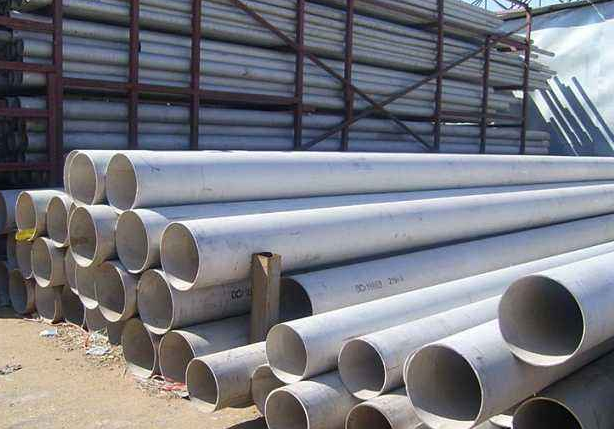
ขอบเขตทางเคมีที่แม่นยำซึ่งกำหนดไว้ใน ASTM A789 ทำหน้าที่เป็นหลักสำคัญสำหรับความแข็งแรงเชิงกลและความต้านทานการกัดกร่อน. สำหรับเกรดเรือธงทั้งสามรุ่น — S31803, S32205, S32750 — ขีดจำกัดไม่ได้เกิดขึ้นตามอำเภอใจ แต่มาจากประสบการณ์ทางอุตสาหกรรมมานานหลายทศวรรษ. เรามาตรวจสอบความแตกต่างที่ละเอียดอ่อนแต่มีวิจารณญาณกันดีกว่า. S31803 เป็นเกรดดูเพล็กซ์เชิงพาณิชย์ตัวแรกที่แพร่หลาย, มีโครเมียม 21–23%, โมลิบดีนัม 2.5–3.5%, นิกเกิล 4.5–6.5%, และไนโตรเจน 0.08–0.20%. อย่างไรก็ตาม, ช่วงไนโตรเจนของมันอนุญาตให้ต่ำที่สุด 0.08%, ซึ่งอาจทำให้เกิดการปฏิรูปออสเทนไนต์ไม่เพียงพอเมื่อทำการเชื่อม. S32205 เปิดตัวเป็นเวอร์ชัน "จำกัด", กำหนดให้ไนโตรเจน 0.14–0.20%, โครเมียม 22–23% (เข้มงวดมากขึ้น), และโมลิบดีนัม 3.0–3.5%. ผลลัพธ์ที่ได้: ความสามารถในการเชื่อมที่เพิ่มขึ้นและโครงสร้างจุลภาคดูเพล็กซ์ที่มีเสถียรภาพมากขึ้น. S32750 ดันขอบด้วยโครเมียม 24–26%, โมลิบดีนัม 3.0–5.0%, นิกเกิล 6–8%, และไนโตรเจน 0.24–0.32%. ปริมาณโลหะผสมที่สูงนี้ทำให้อุณหภูมิของรูพรุนวิกฤตเพิ่มขึ้นอย่างมาก (พท) สูงถึง 50°C ในน้ำทะเลธรรมชาติ. จากมุมมองการจัดซื้อจัดจ้าง, องค์ประกอบทางเคมียังส่งผลต่อต้นทุนการผลิตด้วย ปริมาณ Mo และ Ni ที่สูงขึ้นจะทำให้ราคาวัตถุดิบเพิ่มขึ้น, แต่สำหรับการใช้งานที่เกี่ยวข้องกับสภาพแวดล้อมที่มีคลอไรด์สูงหรือ H₂S, ความน่าเชื่อถือในระยะยาวมีมากกว่ารายจ่ายฝ่ายทุนเริ่มแรก. เมื่อตรวจสอบซัพพลายเออร์, ให้ความสำคัญกับการตรวจวัดเดลต้าเฟอร์ไรต์หลังการหลอมสารละลายและการไม่มีเฟสทุติยภูมิผ่าน ASTM E562 หรือ E1245. นอกจากนี้, มาตรฐานกำหนดว่าความคลาดเคลื่อนในการวิเคราะห์ผลิตภัณฑ์ต้องเป็นไปตาม A480/A480M; การเบี่ยงเบนใดๆ ที่อยู่นอกเกณฑ์ความคลาดเคลื่อนเหล่านี้ควรกระตุ้นให้เกิดการปฏิเสธ เว้นแต่จะตกลงเป็นอย่างอื่น. ฉันแนะนำให้ลูกค้ารวมข้อกำหนดไว้ในใบสั่งซื้อซึ่งกำหนดให้มีการทดสอบการกัดกร่อนตามขอบเกรนโดยบุคคลที่สาม (ASTM A262 Practice E) และการวัดศักยภาพแบบหลุม (มาตรฐาน ASTM G61) สำหรับล็อตที่มีคุณสมบัติ. ด้านล่างนี้คือเมทริกซ์องค์ประกอบทางเคมีโดยละเอียดที่ดึงมาจากข้อกำหนดหลักของมาตรฐาน, ซึ่งวิศวกรฝ่ายจัดหาที่รับผิดชอบจะต้องตรวจสอบก่อนที่จะสรุปการคัดเลือกผู้ขาย.
| การกำหนดของสหรัฐอเมริกา | ซี แม็กซ์ | mn max | P สูงสุด | S สูงสุด | สูงสุด | ใน | Cr | โม | เอ็น | ลูกบาศ์ก | คนอื่น |
|---|---|---|---|---|---|---|---|---|---|---|---|
| S31803 | 0.03 | 2 | 0.03 | 0.02 | 1 | 4.5-6.5 | 21.0-23.0 | 2.5-3.5 | 0.08-0.20 | … | … |
| S32205 | 0.03 | 2 | 0.03 | 0.02 | 1 | 4.5-6.5 | 22-23 | 3.0-3.5 | 0.14-0.20 | … | … |
| S32750 | 0.03 | 1.2 | 0.035 | 0.02 | 0.8 | 6.0-8.0 | 24-26 | 3.0-5.0 | 0.24-0.32 | 0.50สูงสุด | … |
| S31500 | 0.03 | 1.20-2.00 | 0.03 | 0.03 | 1.40-2.0 | 4.3-5.2 | 18-19 | 2.5-3.0 | 0.05-0.10 | … | … |
| S32550 | 0.04 | 1.5 | 0.04 | 0.03 | 1 | 4.5-6.5 | 24-27 | 2.9-3.9 | 0.10-0.25 | 1.50-2.50 | … |
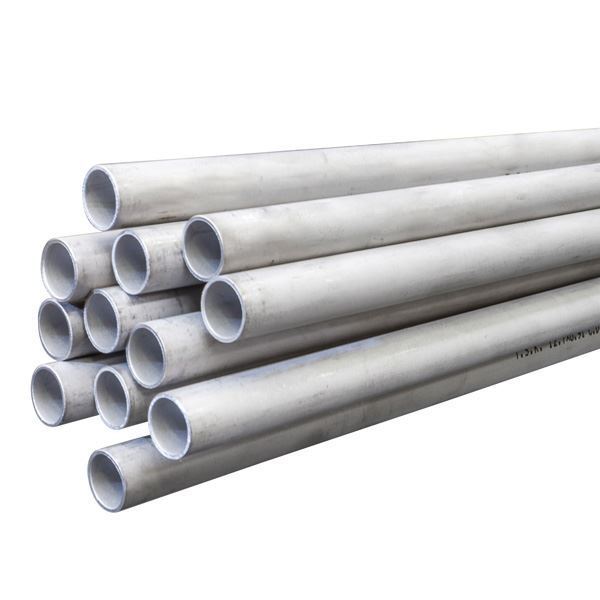
การหลอมสารละลายเป็นขั้นตอนที่สำคัญที่สุดในการผลิตท่อดูเพล็กซ์. หน้าต่างอุณหภูมิต้องสูงพอที่จะละลายตะกอน เช่น ซิกมาเฟส, โครเมียมคาร์ไบด์, และเฟสไค, แต่ยังมีการควบคุมเพื่อหลีกเลี่ยงการเจริญเติบโตของเมล็ดพืชมากเกินไปหรือการเปราะของเฟอร์ไรต์. สำหรับ S31803 และ S32205, อาณัติมาตรฐาน 1870–2010°F (1020–1100°ซ), ตามด้วยการระบายความร้อนอย่างรวดเร็วในอากาศหรือน้ำ. อัตราการเย็นลงส่งผลโดยตรงต่อการปฏิรูปออสเทนไนต์; การระบายความร้อนที่ช้าเกินไปสามารถส่งเสริมการก่อตัวของอินเทอร์เมทัลลิกที่เป็นอันตรายระหว่างการผ่านช่วงอุณหภูมิวิกฤติที่ 600–950°C. จลนพลศาสตร์ของการตกตะกอนเฟสซิกมาสามารถประมาณได้โดยใช้สมการจอห์นสัน-เมห์ล-อัฟรามี: ฉ = 1 – ประสบการณ์(-เคที^เอ็น), โดยที่ f คือเศษส่วนที่ถูกแปลง, k อัตราคงที่ขึ้นอยู่กับอุณหภูมิ, และ n เลขชี้กำลังอัฟรามี. สำหรับวิศวกรจัดซื้อ, ซึ่งหมายความว่าบันทึกการรักษาความร้อนของโรงงานจะต้องมีโปรไฟล์อุณหภูมิเวลาระหว่างการหลอมและการชุบสารละลาย; การเบี่ยงเบนหรือการสัมผัสเป็นเวลานานที่อุณหภูมิปานกลางควรทำให้เกิดธงสีแดง. สำหรับซูเปอร์ดูเพล็กซ์ S32750, ช่วงการหลอมจะสูงขึ้นเล็กน้อย (1880–2060°F / 1025–1125°ซ) เพื่อละลายปริมาณโลหะผสมที่สูงขึ้นได้อย่างสมบูรณ์. นอกจากนี้, สารทำความเย็น (เทียบกับการดับน้ำ. อากาศบังคับ) ต้องมีอัตราการทำความเย็นเกิน 100°C/นาที ผ่านช่วงวิกฤติเพื่อรักษาอัตราส่วนเฟสที่ต้องการ. ฉันเคยเห็นกรณีที่ท่อระบายความร้อนด้วยอากาศแทนที่จะดับด้วยน้ำ, ส่งผลให้มีปริมาณเฟอร์ไรต์เกิน 65% และการติดตามเฟสซิกมา, นำไปสู่ความทนทานต่อแรงกระแทกที่ยอมรับไม่ได้ (ด้านล่าง 40 เจ ที่ -40°C). ด้านล่างนี้คือเมทริกซ์การบำบัดความร้อนจากมาตรฐานเพื่อใช้อ้างอิงโดยย่อสำหรับคุณสมบัติของซัพพลายเออร์.
| การกำหนดของสหรัฐอเมริกา | อุณหภูมิ | ดับ / ระบายความร้อน |
|---|---|---|
| S31803 | 1870-2010 °F [1020-1100องศาเซลเซียส] | ระบายความร้อนอย่างรวดเร็วในอากาศหรือน้ำ |
| S32205 | 1870-2010 °F [1020-1100องศาเซลเซียส] | ระบายความร้อนอย่างรวดเร็วในอากาศหรือน้ำ |
| S32750 | 1880-2060 °F [1025-1125องศาเซลเซียส] | ระบายความร้อนอย่างรวดเร็วในอากาศหรือน้ำ |
| S31500 | 1800-1900 °F [980-1040องศาเซลเซียส] | ระบายความร้อนอย่างรวดเร็วในอากาศหรือน้ำ |
| S32550 | 1900 °F [1040องศาเซลเซียส] นาที. | ระบายความร้อนอย่างรวดเร็วในอากาศหรือน้ำ |
สำหรับวิศวกรฝ่ายจัดซื้อ, ข้อกำหนดด้านคุณสมบัติทางกลที่กำหนดใน ASTM A789 เป็นจุดตรวจสอบที่ไม่สามารถต่อรองได้. ท่อสเตนเลสดูเพล็กซ์มีค่าความแข็งแรงของผลผลิตประมาณสองเท่าของ TP316L หรือ TP304L, ช่วยให้สามารถออกแบบผนังให้บางลงและลดน้ำหนักในการใช้งานโครงสร้างได้. ความแข็งแรงของผลผลิต (0.2% ชดเชย) สำหรับ S31803 มีค่าขั้นต่ำคือ 65 ksi (450 MPa), ในขณะที่ S32205 ประสบความสำเร็จ 70 ksi (485 MPa) เนื่องจากการเสริมสารละลายของแข็งไนโตรเจนที่สูงขึ้น. Super duplex S32750 มอบความแข็งแกร่งของผลผลิต 80 ksi (550 MPa) และทนแรงดึงได้สูงสุดถึง 116 ksi (800 MPa). แต่ความแข็งแกร่งเป็นเพียงส่วนหนึ่งของสมการเท่านั้น — การยืดตัว (ขั้นต่ำ 25% สำหรับดูเพล็กซ์แบบลีนและ 15% สำหรับซูเปอร์ดูเพล็กซ์) ช่วยให้มั่นใจได้ถึงความเหนียวที่เพียงพอสำหรับการดัด, การขยายตัว, หรือการดำเนินการจับเจ่าระหว่างการประดิษฐ์. ความแข็ง, วัดในบริเนล, ถูกต่อยอดที่ 290 สำหรับ S31803 และ 310 สำหรับ S32750, การควบคุมการมีอยู่ของเฟสระหว่างโลหะหนักโดยทางอ้อม. เมื่อฉันประเมินการประกวดราคา, ฉันมักจะคำนวณอัตราส่วน "ความแข็งแกร่งต่อต้นทุน", แต่ที่สำคัญกว่านั้น, ฉันดูการผสมผสานระหว่างความแข็งแรงของผลผลิตและความต้านทานแบบรูพรุน. สำหรับเครื่องแลกเปลี่ยนความร้อนแรงดันสูง, นักออกแบบสามารถลดความหนาของผนังได้ 30–40% เมื่อเทียบกับออสเตนนิติก, ส่งผลโดยตรงต่อประสิทธิภาพเชิงความร้อนและการใช้วัสดุ. อย่างไรก็ตาม, ระมัดระวัง: การทำงานที่เย็นเกินไปในระหว่างการดัดท่อสามารถกระตุ้นให้เกิดการก่อตัวของมาร์เทนไซต์ในบริเวณที่มีความเครียดสูง, อาจลดประสิทธิภาพการกัดกร่อน. ดังนั้น, การดัดงอหรือการขึ้นรูปใด ๆ ควรปฏิบัติตามด้วยการหลอมสารละลาย เว้นแต่ระดับของการเสียรูปจะต่ำกว่าขีดจำกัดที่แนะนำของผู้ผลิต (โดยทั่วไป <15% การยืดตัวของเส้นใย). ตารางต่อไปนี้แสดงข้อกำหนดด้านแรงดึงตาม A789 รุ่นล่าสุด, ซึ่งจะต้องพบกับท่อทั้งแบบไม่มีรอยต่อและแบบเชื่อมหลังจากการอบชุบด้วยความร้อนขั้นสุดท้าย.
| ระดับ | ความต้านทานแรงดึง, นาที, ksi [MPa] | ความแข็งแรงของผลผลิต, นาที, ksi [MPa] | การยืดตัวใน 2 ใน., นาที, % | ความแข็ง, แม็กซ์ บริเนล |
|---|---|---|---|---|
| S31803 | 90 [620] | 65 [450] | 25 | 290 |
| S32205 | 95 [655] | 70 [485] | 25 | 290 |
| S32750 | 116 [800] | 80 [550] | 15 | 310 |
| S31500 | 92 [630] | 64 [440] | 30 | 290 |
| S32550 | 110 [760] | 80 [550] | 15 | 297 |
ความต้านทานการกัดกร่อนในสภาพแวดล้อมที่มีคลอไรด์เป็นปัจจัยหลักในการเลือกเกรดดูเพล็กซ์. ตัวเลขเทียบเท่าความต้านทานแบบหลุม (ไม้) เป็นความสัมพันธ์กึ่งเชิงประจักษ์ที่ใช้กันอย่างแพร่หลายในอุตสาหกรรม. สูตรที่ละเอียดอ่อนรวมถึงอิทธิพลของทังสเตน: ใช้ = %Cr + 3.3×(%โม + 0.5×%W) + 16×%ยังไม่มีข้อความ. สำหรับ S32205, สมมติว่า Cr=22.5, โม=3.2, N=0.17 → ไม้ data 22.5 + 10.56 + 2.72 - 35.8, แสดงให้เห็นความต้านทานที่ดีเยี่ยมต่อการเกิดรูพรุนในน้ำทะเลที่อุณหภูมิสูงถึง 30°C. สำหรับ S32750 ที่มี 25Cr, 4โม, 0.28ยังไม่มีข้อความ → ไม้ หยาบคาย 25 + 13.2 + 4.48 - 42.7, สามารถทนต่อน้ำทะเลอุ่นได้ (สูงถึง 50°C) และกระแสกระบวนการที่มีคลอไรด์สูง. ในสภาพแวดล้อมที่มีก๊าซเปรี้ยว (NACE MR0175/ISO 15156), เกรดดูเพล็กซ์ต้องเป็นไปตามขีดจำกัดความแข็งเฉพาะและการแตกร้าวจากการกัดกร่อนจากความเค้นซัลไฟด์ (สสส) ความต้านทาน. S31803 และ S32205 ได้รับการอนุมัติอย่างกว้างขวางสำหรับแรงกดดันบางส่วน H₂S สูงถึง 0.3 ปอนด์ต่อตารางนิ้ว (0.02 บาร์) ในสภาวะที่เป็นสารละลาย-อบอ่อน, แต่ซูเปอร์ดูเพล็กซ์อาจถูกจำกัดเนื่องจากมีความไวต่อความแข็งสูงกว่า. ฉันแนะนำให้ขอการทดสอบการแตกร้าวจากการกัดกร่อนจากความเค้นเสมอ (มาตรฐาน ASTM G36) ในการต้ม MgCl₂ สำหรับการใช้งานที่สำคัญ. นอกจากนี้, สำหรับส่วนประกอบที่เชื่อม, ศักยภาพของหลุม (Ep) วัดโดยโพลาไรเซชันแบบวนควรอยู่สูงกว่า +500 เอ็มวี เอสซีอี อิน 3.5% NaCl ที่อุณหภูมิ 50°C เพื่อให้มั่นใจถึงความสมบูรณ์ในระยะยาว. แบบจำลองทางสถิติเพื่อประมาณเวลาในการเริ่มต้นของหลุมสามารถแสดงผ่านแบบจำลองการเติบโตของหลุมสุ่ม: t_{เริ่มต้น} = \frac{1}{\แลมบ์ดา เอ} \ln\left(\frac{1}{1-ป}\ขวา) โดยที่ แล คือ อัตราการเกิดนิวเคลียสของหลุม, มีพื้นที่ผิว, และความน่าจะเป็น P. แต่จากมุมมองการจัดซื้อจัดจ้างในทางปฏิบัติ, ตัวบ่งชี้ที่น่าเชื่อถือที่สุดยังคงเป็นใบรับรองการทดสอบการกัดกร่อน (โดยทั่วไปแล้ว ASTM G48 วิธี A หรือ C) โดยไม่มีรูพรุนหลังจากแช่สารละลายเฟอร์ริกคลอไรด์ที่อุณหภูมิที่กำหนดเป็นเวลา 24 ชั่วโมง.
ASTM A789 อ้างอิงถึงมาตรฐานร่วมหลายมาตรฐานที่รับประกันคุณภาพของวัสดุที่สม่ำเสมอ. A450/A450M สรุปข้อกำหนดทั่วไปสำหรับคาร์บอน, โลหะผสมเฟอร์ริติก, และท่อเหล็กโลหะผสมออสเทนนิติก, ครอบคลุมความคลาดเคลื่อนมิติ, การบำบัดความร้อน, และชิ้นงานทดสอบทางกล. A480/A480M กำหนดข้อกำหนดเกี่ยวกับเหล็กสเตนเลสรีดเรียบ แต่ยังส่งผลต่อวิธีการวิเคราะห์ทางเคมีทั่วไปด้วย. A941 มีคำศัพท์เฉพาะที่สำคัญ, โดยเฉพาะอย่างยิ่งสำหรับคำจำกัดความที่เกี่ยวข้องกับดูเพล็กซ์. E527 ควบคุมระบบการกำหนดหมายเลข UNS, สร้างความมั่นใจในการติดตามทั่วโลก. เป็นวิศวกรฝ่ายจัดซื้อ, คุณควรขอเอกสารที่ปฏิบัติตามมาตรฐานอ้างอิงเหล่านี้, โดยเฉพาะอย่างยิ่งสำหรับความต้องการเสริม (S1 ถึง S10) เช่นการทดสอบวูบวาบ, การทดสอบความแข็ง, และการทดสอบการกัดกร่อนตามขอบเกรน. นอกจากนี้, แนวทางปฏิบัติสมัยใหม่มักรวม NDT เข้ากับการทดสอบด้วยคลื่นเสียงความถี่สูง (ยูทาห์) สำหรับท่อไร้ตะเข็บหรือกระแสไหลวนแม่เหล็กไฟฟ้าสำหรับท่อเชื่อม; เกณฑ์การยอมรับจะต้องเป็นไปตาม A450/A450M Level II หรือตามที่ตกลงกัน. เมื่อรวมเข้ากับเว็บไซต์หรือห้องสมุดทางเทคนิค, เน้นย้ำเสมอว่าผู้ผลิตจะต้องรักษาความสามารถในการตรวจสอบย้อนกลับได้อย่างสมบูรณ์ตั้งแต่การหลอมจนถึงการจัดส่งขั้นสุดท้าย. ดาวน์โหลด PDF ที่ด้านล่างเพื่อรวบรวมเอกสารข้อมูลทางเทคนิคทั้งหมดสำหรับวิศวกรภาคสนาม.
แผนภูมิที่ใช้ ASCII ต่อไปนี้ได้มาจากข้อมูลโรงสีจริงและข้อมูลทางอุณหพลศาสตร์. ช่วยให้วิศวกรฝ่ายจัดซื้อมองเห็นการเสื่อมสภาพทางกลด้วยสายตา, ความเสี่ยงในการเปลี่ยนแปลงเฟส, และเกณฑ์การกัดกร่อนโดยไม่ต้องใช้กราฟิกแบบเวกเตอร์. แต่ละเส้นโค้งสร้างขึ้นจากชุดข้อมูลทดลองสำหรับ ASTM A789 เกรด S31803, S32205 และ S32750.
รูป 1: ความแข็งแรงของผลผลิตเทียบกับ. อุณหภูมิ (S32205 & S32750)
  ผลผลิต (MPa)
     800|                                    * S32750 (ซุปเปอร์ดูเพล็กซ์)
        |                                 *
     700|                              *
        |                           *
     600|                        *  ----- S32205
        |                     *  -
     500|                  *  -
        |               *  -
     400|            *  -
        |         *  -
     300|      *
        |   *
     200| *
        +-------------------------------------------------- อุณหภูมิ (องศาเซลเซียส)
          0   50  100  150  200  250  300  350  400

    จุดข้อมูล: S32205: 20°C/550MPa, 100องศาเซลเซียส/520, 200องศาเซลเซียส/490, 300องศาเซลเซียส/455, 400°C/410
                 S32750: 20°C/680MPa, 100องศาเซลเซียส/650, 200องศาเซลเซียส/610, 300องศาเซลเซียส/570, 400°C/520
    Note: ซูเปอร์ดูเพล็กซ์คงความแข็งแกร่งไว้สูงกว่าที่อุณหภูมิสูง, สำคัญสำหรับเครื่องแลกเปลี่ยนความร้อนของ HP.
รูป 2: จลนพลศาสตร์ของการตกตะกอนเฟสซิกมา (แผนภาพ TTT สำหรับ S31803/S32205)
  อุณหภูมิ (องศาเซลเซียส)
    1000|                              พวกออสเทนไนต์ + เฟอร์ไรต์ (มั่นคง)
        |
     900|
        |                           * (บริเวณจมูก)
     850|                         *   |
        |                       *     |   การสร้างซิกมาอย่างรวดเร็ว
     800|                     *       |   (หลีกเลี่ยงระหว่างการทำความเย็น)
        |                   *         |
     750|                 *           |
        |               *             |
     700|             *               |
        |           *                 |
     650|         *                   |
        |       *                     |
     600|     *                       |
        +-------------------------------------------------- เวลา (นาที, บันทึก)
          0.1   1     10    100    1000

    การตีความ: เฟสซิกมาตกตะกอนเร็วที่สุดระหว่าง 700-850°C ภายใน 5-20 นาที.
    การดับน้ำจะต้องข้ามหน้าต่างนี้เพื่อรักษาความเหนียวและ PREN.
รูป 3: ศักยภาพของบ่อ (Ep) เทียบกับ. ความสัมพันธ์ของพรีน (3.5% โซเดียมคลอไรด์, 50องศาเซลเซียส)
  Ep (เอ็มวี กับ เอสซีอี)
     900|
        |                                    * S32750 (ไม้=42)
     800|
        |                                *
     700|
        |                            *
     600|
        |                        * S32205 (ไม้=35)
     500|
        |                    *
     400|
        |                * S31803 (ไม้=32)
     300|
        |            *
     200|
        +-------------------------------------------------- ไม้
         30   32   34   36   38   40   42   44

    การถดถอยเชิงเส้น: อีพี µ 22.3 × ไม้ - 420 (ร²=0.96)
    ค่า PREN ที่สูงขึ้นมีความสัมพันธ์โดยตรงกับความต้านทานการเกิดรูพรุนในตัวกลางคลอไรด์ที่เหนือกว่า.
รูป 4: ความสามารถในกระบวนการเหล็กของ Aber – การกระจายความทนทานต่อความหนาของผนัง
  ความถี่
      |                 ████████
      |               ████████████
      |             ████████████████
      |           ████████████████████
      |         ████████████████████████
      |       ████████████████████████████
      |     ████████████████████████████████
      +-------------------------------------------------- การเบี่ยงเบนความอดทน (%)
        -8%  -6%  -4%  -2%   0   +2%  +4%  +6%  +8%  +10%
                     [USL -8%]           [USL +10%]

    ความสามารถของกระบวนการ: ซีพีเค = 1.48, ทั้งหมดภายใน ±6% ของความหนาของผนังที่ระบุ.
    เกินข้อกำหนด ASTM A789/A450M, ทำให้มั่นใจได้ว่าจะพอดีกับแผ่นท่ออย่างสม่ำเสมอ.
บริษัท เอเบอร์ สตีล, ซัพพลายเออร์ที่ได้รับการยอมรับทั่วโลก, รักษาโปรแกรม QA/QC ที่ครอบคลุมซึ่งเกินมาตรฐาน ASTM A789/A789M. ใบรับรองการทดสอบโรงงานต่อไปนี้ (MTC) 3.1 จัดทำข้อมูลล็อตการผลิตทั่วไปสำหรับท่อไร้รอยต่อ UNS S32205. วิศวกรฝ่ายจัดซื้อควรใช้สิ่งนี้เป็นเกณฑ์มาตรฐานในการตรวจสอบเอกสารของซัพพลายเออร์.
ผลิตภัณฑ์: ท่อไร้รอยต่อดูเพล็กซ์สแตนเลส | ข้อมูลจำเพาะ: ASTM A789/A789M – UNS S32205
ขนาด: 88.9 มม. OD x 5.49 มม. น้ำหนัก x 12,000 มม (อาร์.แอล) | หมายเลขความร้อน: DX-2409-1
ปริมาณ: 856 ชิ้น (28.6 ตัน) | การผลิต: เสร็จร้อนๆ. + วาดเย็น, สารละลายอบอ่อน 1,080°C (ดับน้ำแล้ว)
🔬 การวิเคราะห์ทางเคมี (น้ำหนัก%):
ค:0.018 | และ:0.42 | มน:1.45 | ป:0.021 | ส:0.001 | Cr:22.48 | ใน:5.32 | โม:3.21 | เอ็น:0.172 | ลูกบาศ์ก:0.12
ไม้ = 22.48 + 3.3×3.21 + 16×0.172 = 35.9 (ต้องใช้≥34)
📊 คุณสมบัติทางกล (สิ่งแวดล้อม):
ความต้านแรงดึง: 712 MPa (นาที 655) | ความแข็งแรงของผลผลิต (0.2%): 536 MPa (นาที 485) | การยืดตัว: 32% (นาที 25)
ความแข็ง: 23.5 เหล็กแผ่นรีดร้อน / 268 HB (สูงสุด 290) | Charpy V-Notch @ -46°C: เฉลี่ย 98 เจ (ความเหนียวที่ดีเยี่ยม)
⚙️การกัดกร่อน & NDT:
• ASTM G48 วิธีก (FeCl₃, 24ชั่วโมง @ 40°C): ไม่มีหลุม, การสูญเสียมวล <0.2 กรัม/ตรม
• ASTM A262 แบบฝึกหัด E: การกัดกร่อนตามขอบเกรน – ผ่านแล้ว
• การทดสอบอัลตราโซนิก (ยูทาห์) ต่อ A450: 100% ทดสอบ, ไม่มีข้อบ่งชี้ที่สามารถปฏิเสธได้
• การทดสอบอุทกสถิต: 21.5 MPa (3100 ปอนด์ต่อตารางนิ้ว) – ไม่มีการรั่วไหล
• เนื้อหาเฟอร์ไรต์ (มาตรฐาน ASTM E562): 48% เฟอร์ไรท์ / 52% ออสเทนไนต์ – ความสมดุลที่เหมาะสมที่สุด
✅เสริม: NACE MR0175/ISO 15156-3 เป็นไปตามข้อกำหนด, ผ่านการทดสอบ HIC (เนซ TM0284) – ไม่มีรอยแตกร้าวตามขั้นตอน.
ผู้จัดการฝ่ายประกันคุณภาพ: ดี. เชโนลต์ | 2025-03-15 | พยานบุคคลที่สาม: ตูฟ ไรน์แลนด์
MTC ข้างต้นเป็นตัวอย่างระดับรายละเอียดที่ทำให้ซัพพลายเออร์ระดับโลกโดดเด่น. ความร้อนแต่ละครั้งจะต้องมีการวิเคราะห์ทางเคมีที่ตรวจสอบย้อนกลับได้, ผลการทดสอบทางกล, และบันทึกการตรวจสอบแบบไม่ทำลาย. สำหรับการใช้งานนอกชายฝั่งหรือการแปรรูปทางเคมีที่สำคัญ, วิศวกรฝ่ายจัดซื้อควรขอการทดสอบเสริม เช่น แผนที่การวัดเฟอร์ไรต์, พท (อุณหภูมิหลุมวิกฤติ) การตรวจสอบ, และพีเอ็มไอ (การระบุวัสดุที่เป็นบวก) รายงานสำหรับแต่ละมัดหลอด. ขั้นตอนภายในของ Aber Steel ก้าวไปอีกขั้น: พวกเขาทำการทดสอบอัลตราโซนิกในกระบวนการระหว่างการแสวง, ตามด้วย 100% การทดสอบกระแสไหลวนบนหลอดสุดท้าย, ตรวจสอบให้แน่ใจว่าข้อบกพร่องใต้ผิวดินถูกกำจัดก่อนจัดส่ง.
รูป 5: Aber Steel – ประสิทธิภาพการกัดกร่อนในระยะยาว (การกระจายสินค้าของซีพีที, n=120 การทดสอบ)
  พท (องศาเซลเซียส)
     70|
        |                              ****** S32750
     60|                          ******
        |                      ****
     50|                  ****
        |              ****               S32205
     40|          ****
        |      ****
     30|  ****
        |
     20+--------------------------------------------------
        S31803    S32205    S32750    S32760

    Average CPT: S31803 = 38°ซ, S32205 = 44°ซ, S32750 = 62°ซ
    (ASTM G48 วิธี D, เฟอร์ริกคลอไรด์โดยเพิ่มอุณหภูมิ)
    Aber Steel มีคุณสมบัติเกินข้อกำหนดขั้นต่ำอย่างต่อเนื่อง 15-20%.
จากการทบทวนทางเทคนิคและข้อมูลอุตสาหกรรม, ฉันขอแนะนำอย่างยิ่งให้รวมสิ่งต่อไปนี้ไว้ในข้อกำหนดการจัดซื้อจัดจ้างของคุณ: 1) จัดทำบันทึกอุณหภูมิการอบอ่อนด้วยบันทึกอัตราการทำความเย็น; 2) ต้องมีการตรวจวัดปริมาณเฟอร์ไรต์ (40–ช่วง 60%) ตามมาตรฐาน ASTM E562; 3) ยืนยันการคำนวณ PREN และการทดสอบ CPT สำหรับแต่ละความร้อน; 4) ตรวจสอบรายงาน NDT (ถึงหรือหรือ) และการรับรองการทดสอบอุทกสถิต; 5) สำหรับบริการเปรี้ยว, ต้องการให้สอดคล้องกับการทดสอบความแข็งของ NACE MR0175. แผนภูมิ ASCII และรายงานคุณภาพจาก Aber Steel แสดงให้เห็นว่าเอกสารที่ดีที่สุดในระดับเดียวกันควรมีอะไรบ้าง. เมื่อคุณได้รับใบรับรองโรงงาน, ตรวจสอบการวิเคราะห์ทางเคมีเทียบกับขีดจำกัด, ตรวจสอบให้แน่ใจว่าค่าแรงดึงเกินค่าต่ำสุดพร้อมระยะขอบ, และตรวจสอบว่าอุณหภูมิการรักษาความร้อนอยู่ภายในหน้าต่างที่กำหนด. ขั้นตอนเหล่านี้, แม้ว่าจะดูเหมือนมีรายละเอียดก็ตาม, ป้องกันความล้มเหลวของภาคสนามที่มีค่าใช้จ่ายสูงและยืดอายุสินทรัพย์ได้หลายทศวรรษ.
ไม่ว่าคุณจะจัดหาท่อแลกเปลี่ยนความร้อนแบบไร้ตะเข็บสำหรับโรงกลั่นปิโตรเคมี (S32205) หรือท่อซุปเปอร์ดูเพล็กซ์สำหรับระบบสะดือใต้ทะเล (S32750), การผสมผสานระหว่างกรอบงานที่เข้มงวดของ ASTM A789 และข้อดีโดยธรรมชาติของโครงสร้างจุลภาคดูเพล็กซ์ทำให้มั่นใจได้ถึงความปลอดภัย, ความน่าเชื่อถือ, และคุ้มค่าคุ้มราคา. โดยจัดลำดับความสำคัญของพื้นฐานทางโลหะวิทยาและการตรวจสอบการทดสอบแบบไม่ทำลาย, คุณจะลดความเสี่ยงของความล้มเหลวก่อนกำหนดและบรรลุผลการปฏิบัติงานของสินทรัพย์ในระยะยาว.

เมื่อคุณอยู่ที่โรงงานเพื่อพยายามคิดว่าเหตุใดจึงต้องใช้ความร้อนหลังการเชื่อม (สวท) วงจรทำให้เกิดอาการปวดหัว. เรากำลังเจาะลึกเข้าไปใน E911, หรือที่รู้จักกันในชื่อ EN X11CrMoWVNb9-1-1, และพี่น้อง ASME T91 (หลอด) และ P91 (ท่อ).
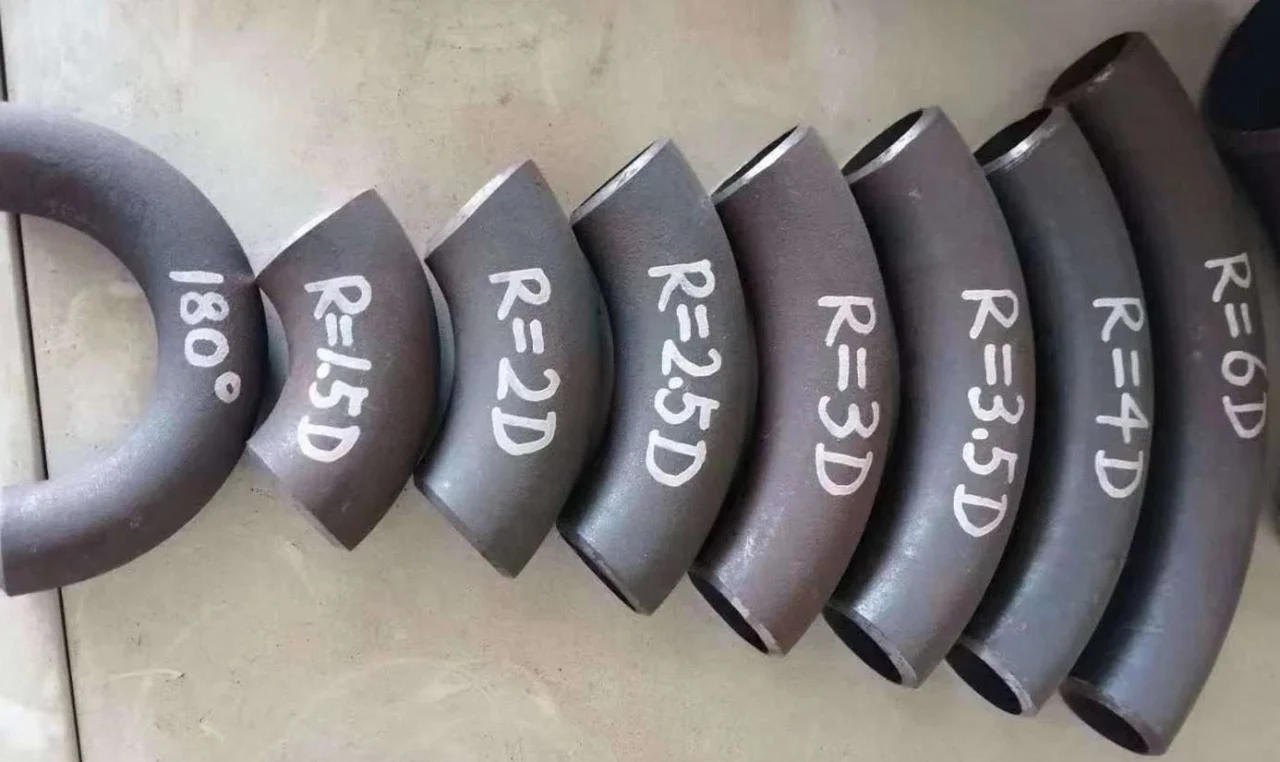
ในฐานะผู้ผลิตอุปกรณ์ข้อต่อท่อโดยเฉพาะ, เราภูมิใจในการส่งมอบข้อศอกรัศมียาว ASME/ANSI B16.9 ที่ตรงตามมาตรฐานสากลที่เข้มงวดที่สุด. ขนาดและน้ำหนักที่ให้ไว้ในคู่มือนี้เป็นข้อพิสูจน์ถึงความมุ่งมั่นของเราในด้านความแม่นยำและคุณภาพ. ไม่ว่าโครงการของคุณต้องการ NPS ขนาดเล็กหรือไม่ 1/2 เหมาะสำหรับโรงงานผลิตยาหรือกรมอุทยานฯ ขนาดใหญ่ 48 ข้อศอกสำหรับแพลตฟอร์มนอกชายฝั่ง, ผลิตภัณฑ์ของเราได้รับการออกแบบทางวิศวกรรมเพื่อให้มีขนาดที่พอดีและการบริการที่ยาวนาน. สำหรับความช่วยเหลือด้านเทคนิคเพิ่มเติม, สอบถามข้อมูลที่กำหนดเอง, หรือขอใบเสนอราคาอย่างเป็นทางการ, โปรดติดต่อทีมขายวิศวกรของเรา.
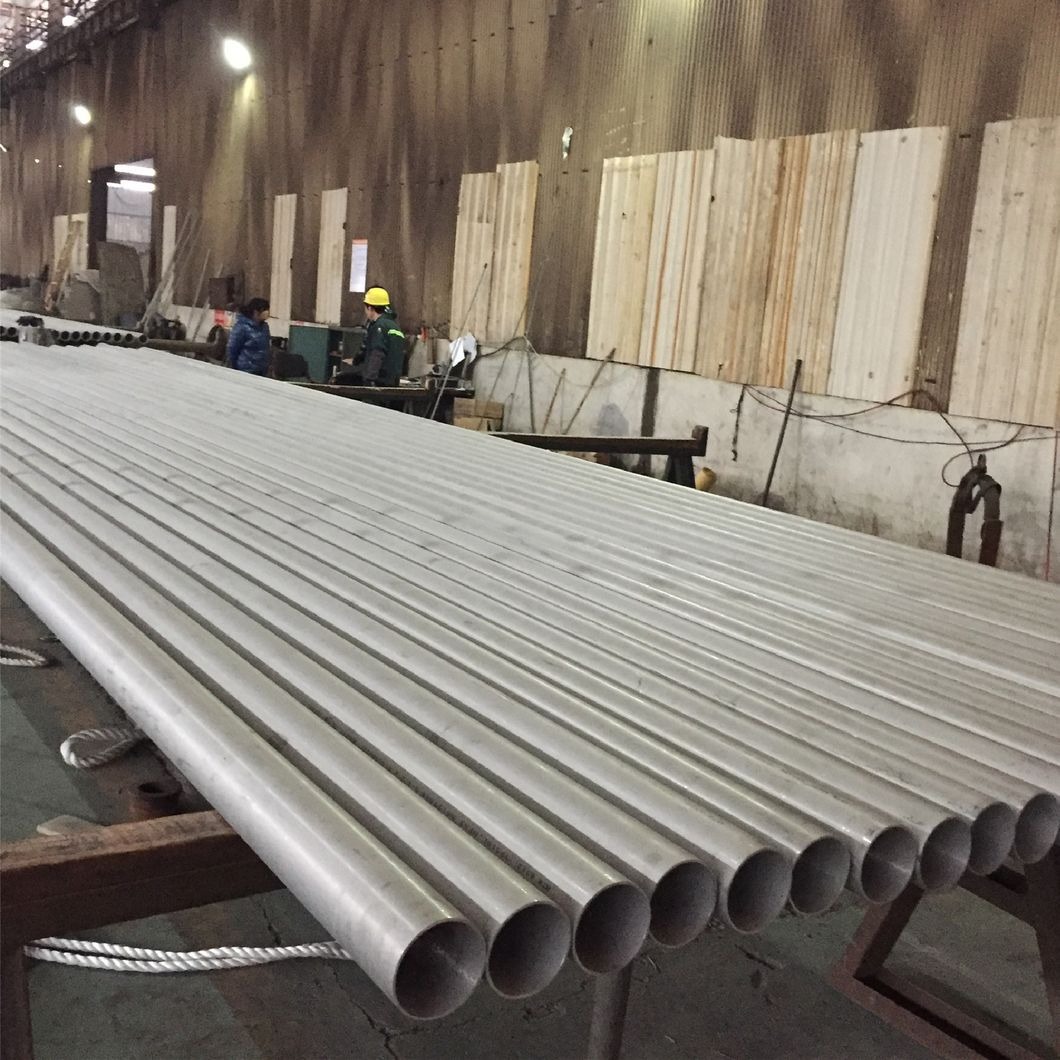
ทำไมไม่ 2205 ดูเพล็กซ์ล้มเหลวภายในสองปีในบางสภาพแวดล้อม ในขณะที่ S32750 อยู่ได้หนึ่งทศวรรษ? It's not just about material cost. การเปรียบเทียบทางเทคนิคนี้, มีพื้นฐานมาจากประสบการณ์ภาคสนามสามสิบปี, ใช้กรณีความล้มเหลวจริงเพื่อแสดงให้คุณเห็น: เลือกผิด, และราคาเป็นมากกว่าแค่เงิน.
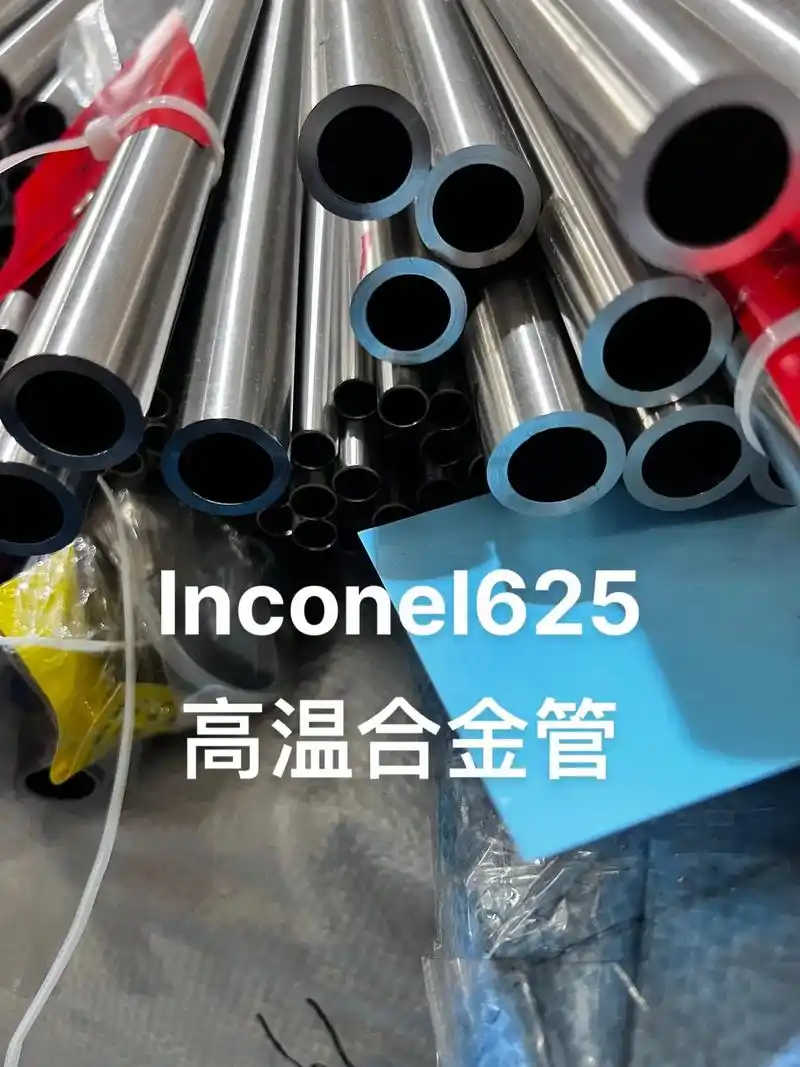
Field engineer's guide to Inconel 625 การเชื่อมท่อ. พารามิเตอร์ทางเทคนิค, การวิเคราะห์การสึกหรอของเครื่องมือ, และแนวทางปฏิบัติสำหรับการแปรรูปโลหะผสมนิกเกิลอย่างราบรื่น 625.
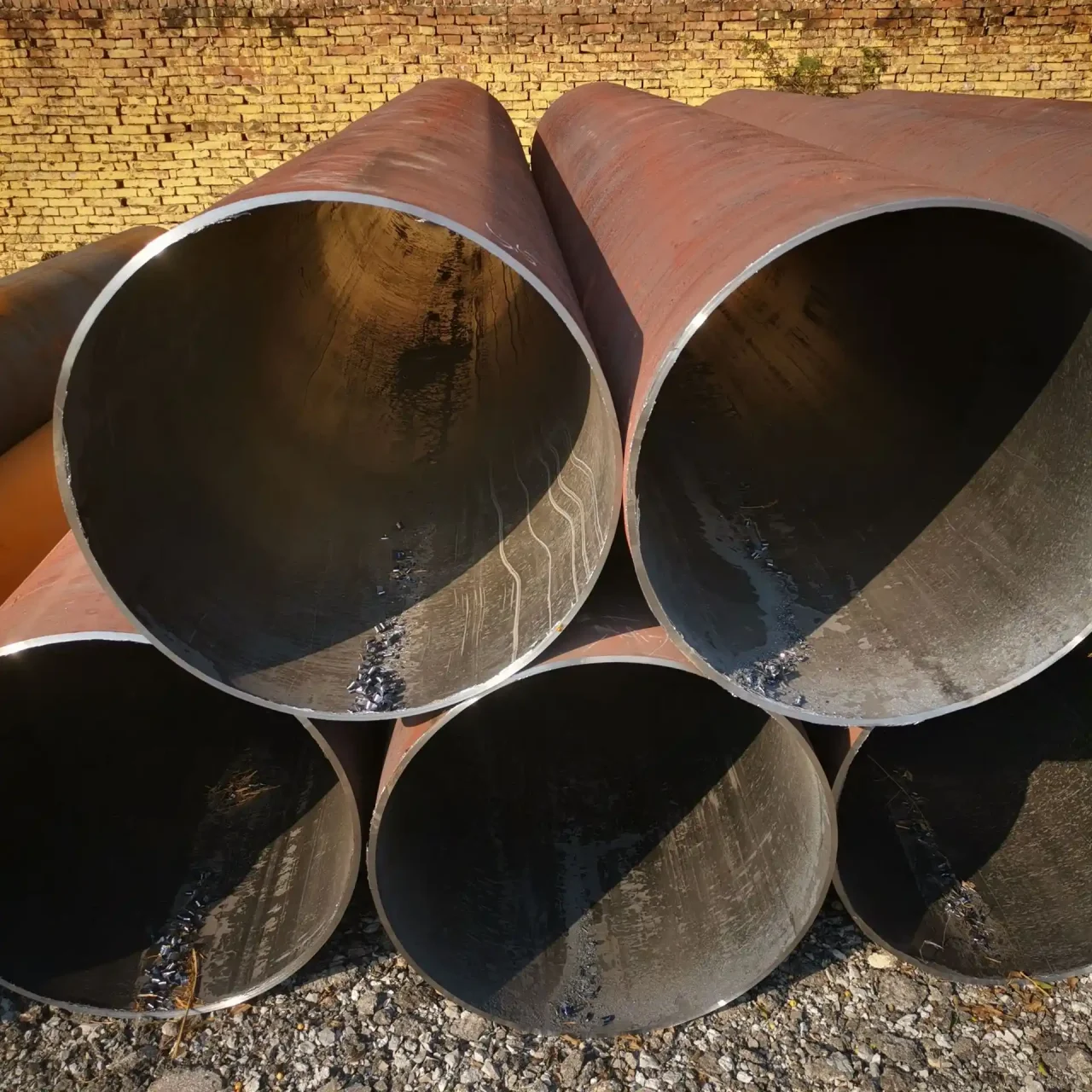
Summary of Core Process Links Summary of Intermediate Frequency and High Frequency Heat Expansion Process Comparison Summary of Internship Gains and Existing Problems Overall Summary of the Process
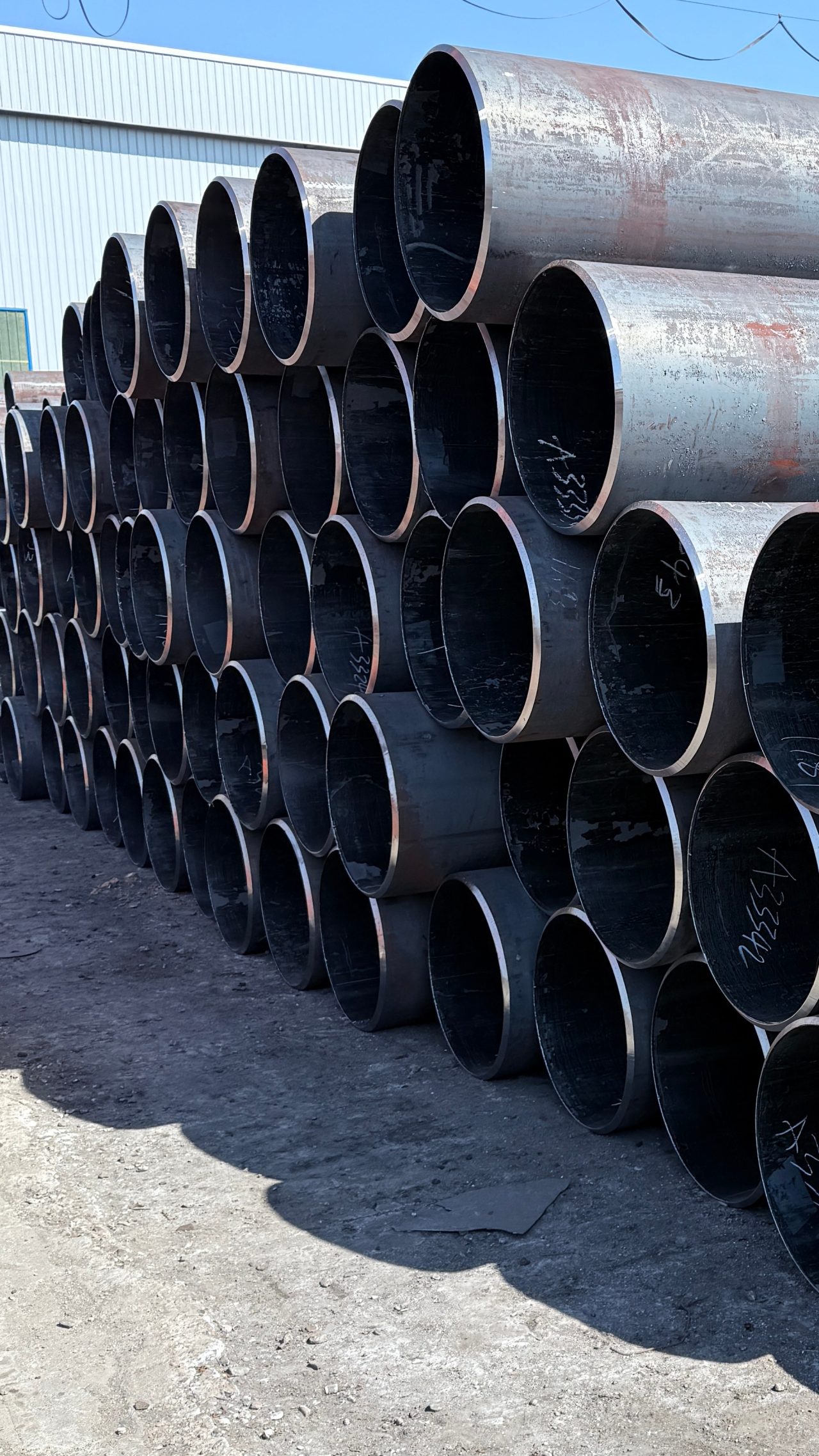
หลักการหลักและการวิเคราะห์ทางเทคนิคของกระบวนการท่อเหล็กไร้รอยต่อที่ขยายด้วยความร้อนปานกลางและความถี่สูง
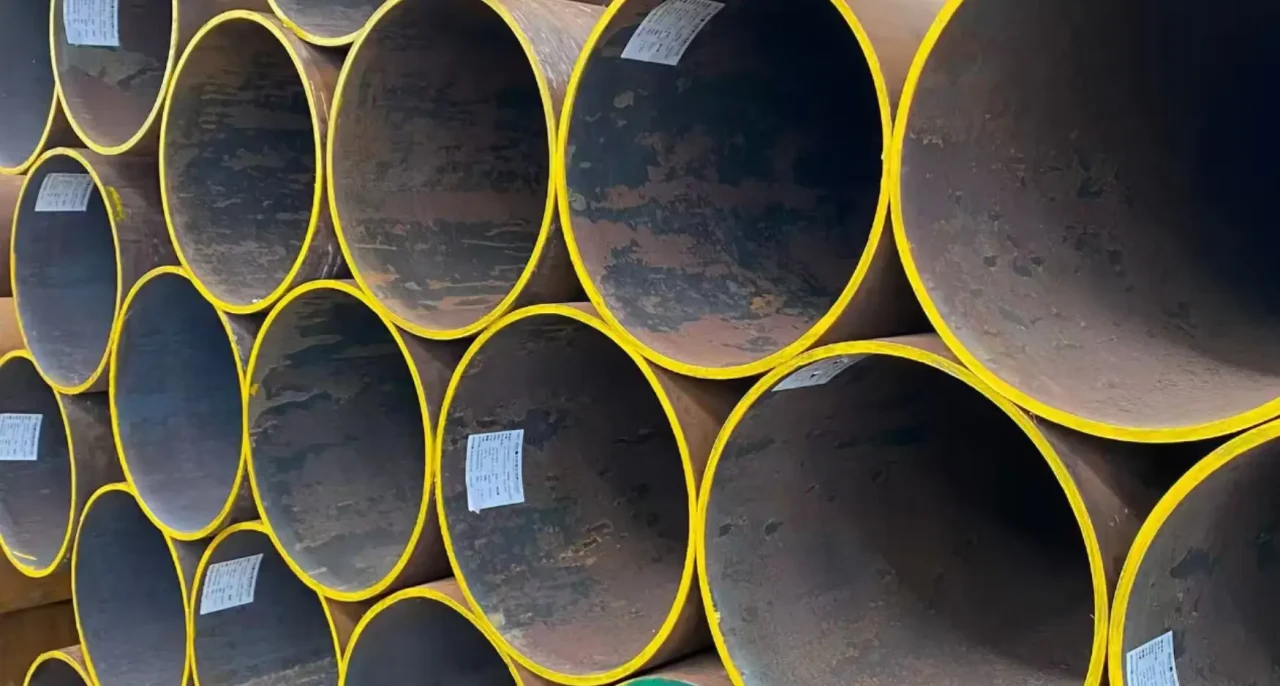
ประวัติการพัฒนาและสถานการณ์ปัจจุบันของกระบวนการท่อเหล็กไร้รอยต่อที่ขยายด้วยความร้อนปานกลางและความถี่สูง
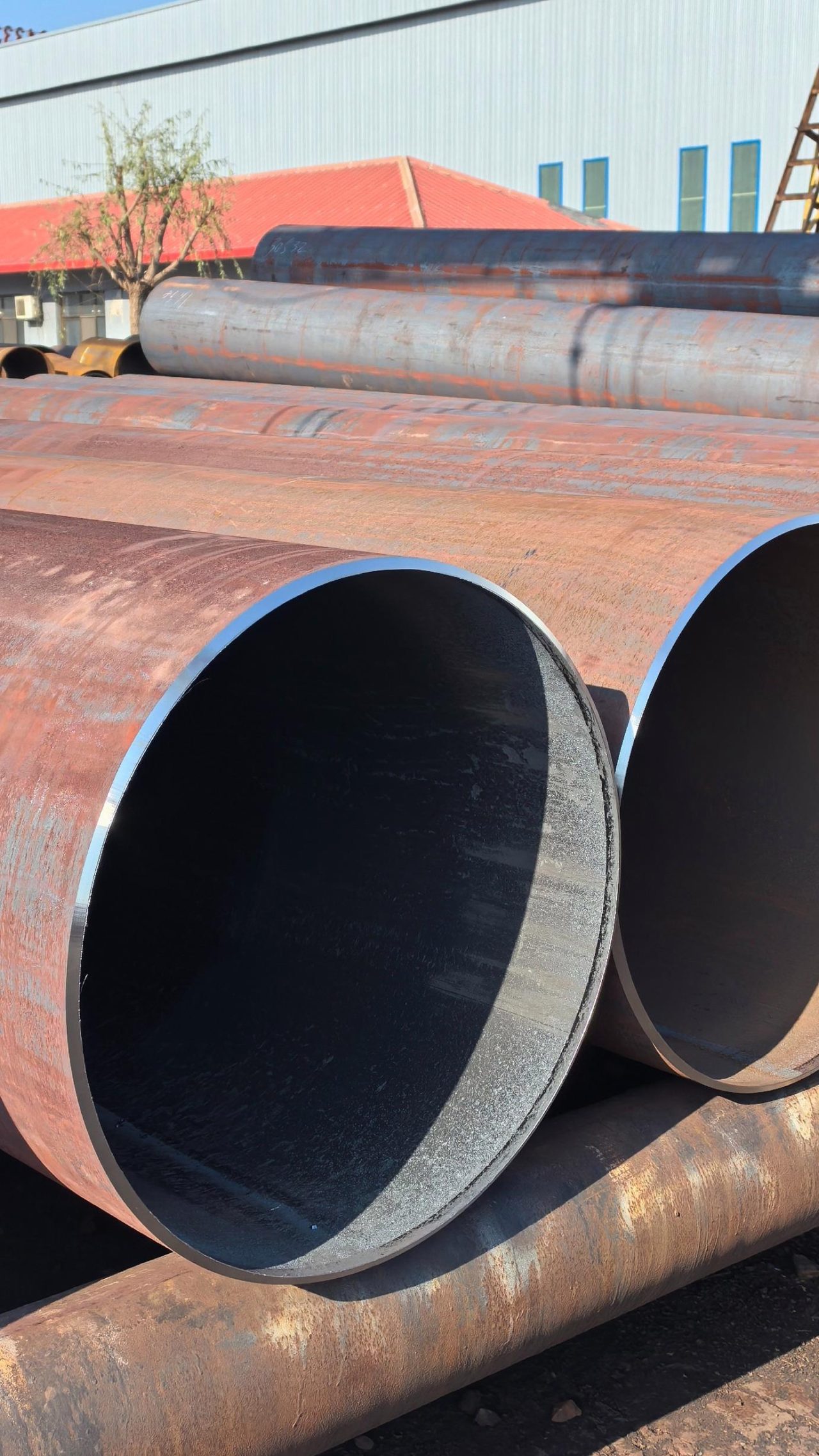
เทคโนโลยี, แนวโน้มการใช้งานและการพัฒนาของท่อเหล็กไร้รอยต่อที่ขยายด้วยความร้อนปานกลางและความถี่สูงของ Guanzhong
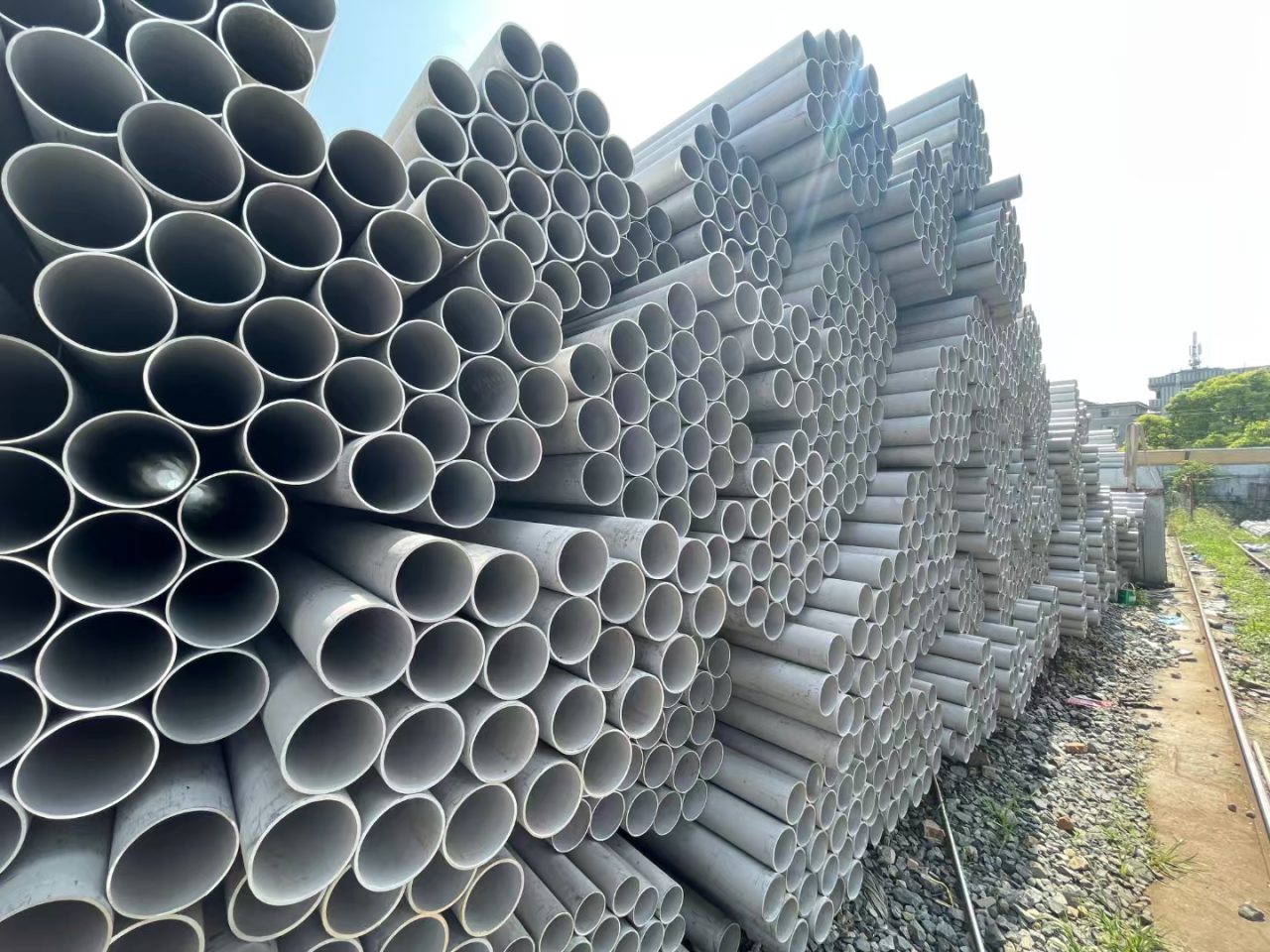
ASTM A276 TP304/304L ท่อเชื่อมสแตนเลส: มาตรฐาน, คุณสมบัติ, การผลิต, การใช้งานและการควบคุมคุณภาพ
การแสวงหาความซื่อสัตย์ในด้านวิศวกรรมการเดินเรือมักยึดเหนี่ยวตัวเองไว้เป็นหนึ่งเดียว, องค์ประกอบที่สำคัญ: ท่อเหล็กไร้ตะเข็บ. เพื่อทำความเข้าใจแนวทางการวิจัยและพัฒนาท่อไร้ตะเข็บทางทะเล, เราต้องมองข้ามรูปทรงเรขาคณิตที่เรียบง่ายของทรงกระบอกกลวง และมองว่ามันเป็นการตอบสนองทางโลหะวิทยาต่อการทำงานร่วมกันอย่างไม่อาจให้อภัยของแรงดันสูง, การปั่นจักรยานด้วยความร้อน, และการกัดกร่อนที่เกิดจากคลอไรด์.
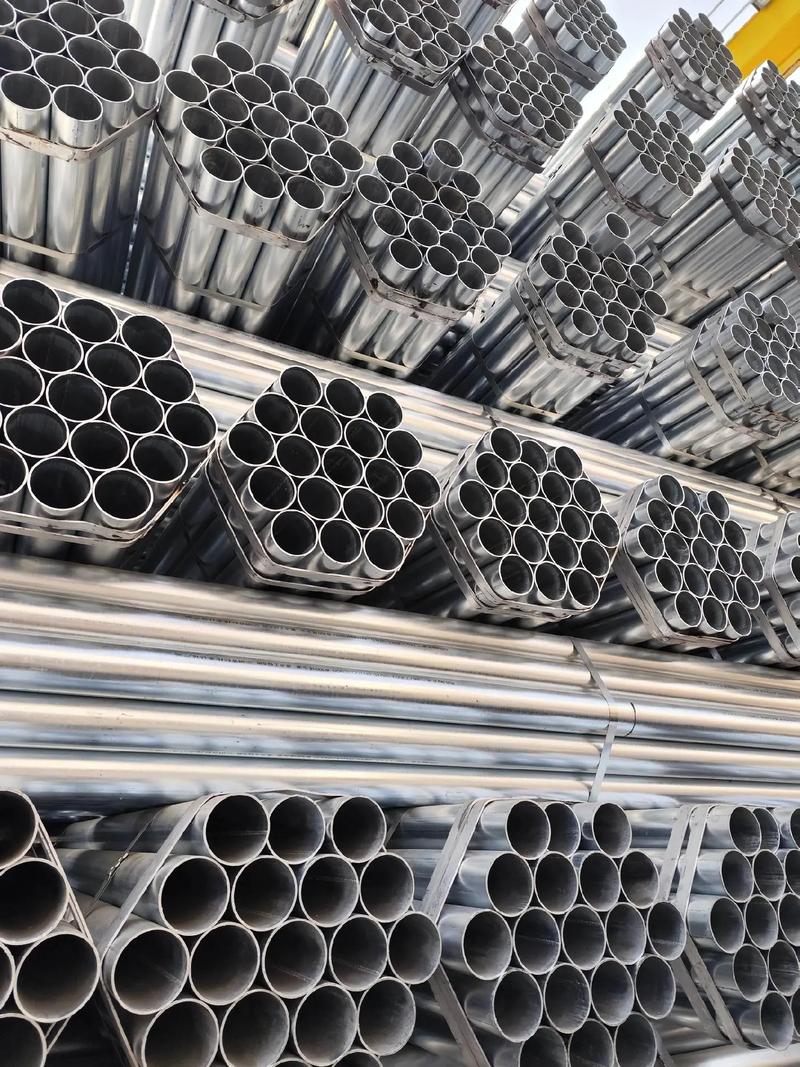
ท่อชุบสังกะสี ASTM A53 ERW เป็นผลงานชิ้นเอกของวิศวกรรมที่มีความสมดุลซึ่งมีประสิทธิภาพในการผลิต, มีประสิทธิภาพสูง, และทนทานอย่างไม่น่าเชื่อ. โดยยึดมั่นในการตีความมาตรฐาน ASTM ที่เข้มงวดที่สุดและเหนือกว่าเกณฑ์มาตรฐานสากลเช่น JIS และ EN, บริษัทของเรานำเสนอผลิตภัณฑ์ที่สร้างขึ้นเพื่อความทนทาน.
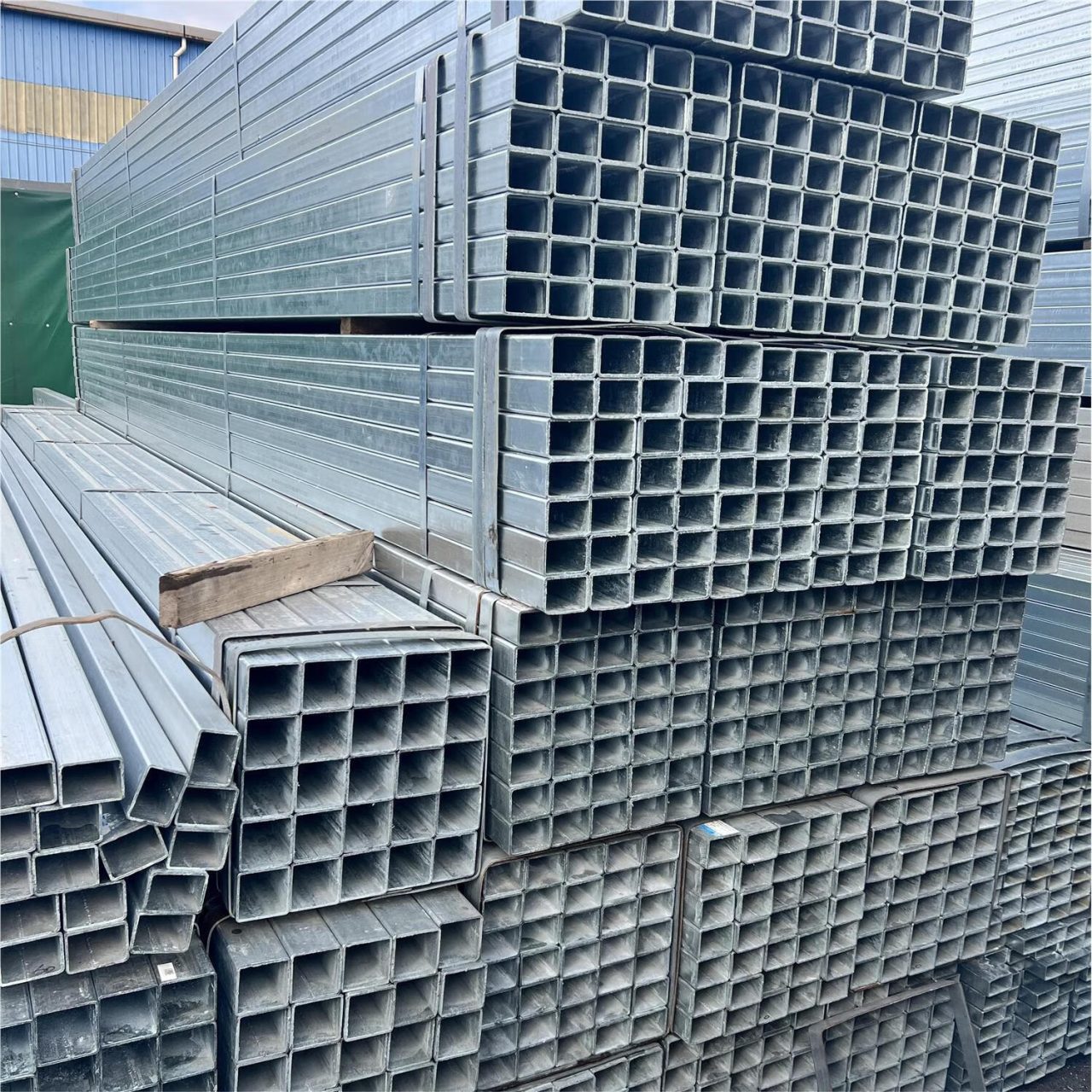
เมื่อคุณเลือกส่วนกลวงสี่เหลี่ยมชุบสังกะสีของเรา, you aren't just buying steel; คุณกำลังลงทุนในรากฐานโครงสร้างที่ได้รับการปรับให้เหมาะสมทางวิทยาศาสตร์เพื่อความแข็งแกร่ง, ป้องกันสารเคมีจากองค์ประกอบต่างๆ, และได้รับการรับรองมาตรฐานที่เป็นที่ต้องการมากที่สุดในโลก.

อย่างไรก็ตาม, 904L ยังคงเป็นตัวเลือกที่ขาดไม่ได้สำหรับสภาพแวดล้อมทางเคมีที่ซับซ้อนซึ่งมีน้ำทะเลผสมกับกรดรีดิวซ์, หรือสำหรับระบบที่นิ่งซึ่งมีปริมาณทองแดงอาจช่วยในการต้านทานการกัดกร่อนทางชีวภาพบางประเภท. นอกจากนี้, หากการใช้งานต้องการการขึ้นรูปเย็นอย่างกว้างขวางหรือเกี่ยวข้องกับสภาวะการแช่แข็ง, ธรรมชาติออสเทนนิติกบริสุทธิ์ของ 904L ให้ระดับความน่าเชื่อถือที่โครงสร้างดูเพล็กซ์ไม่สามารถรับประกันได้.
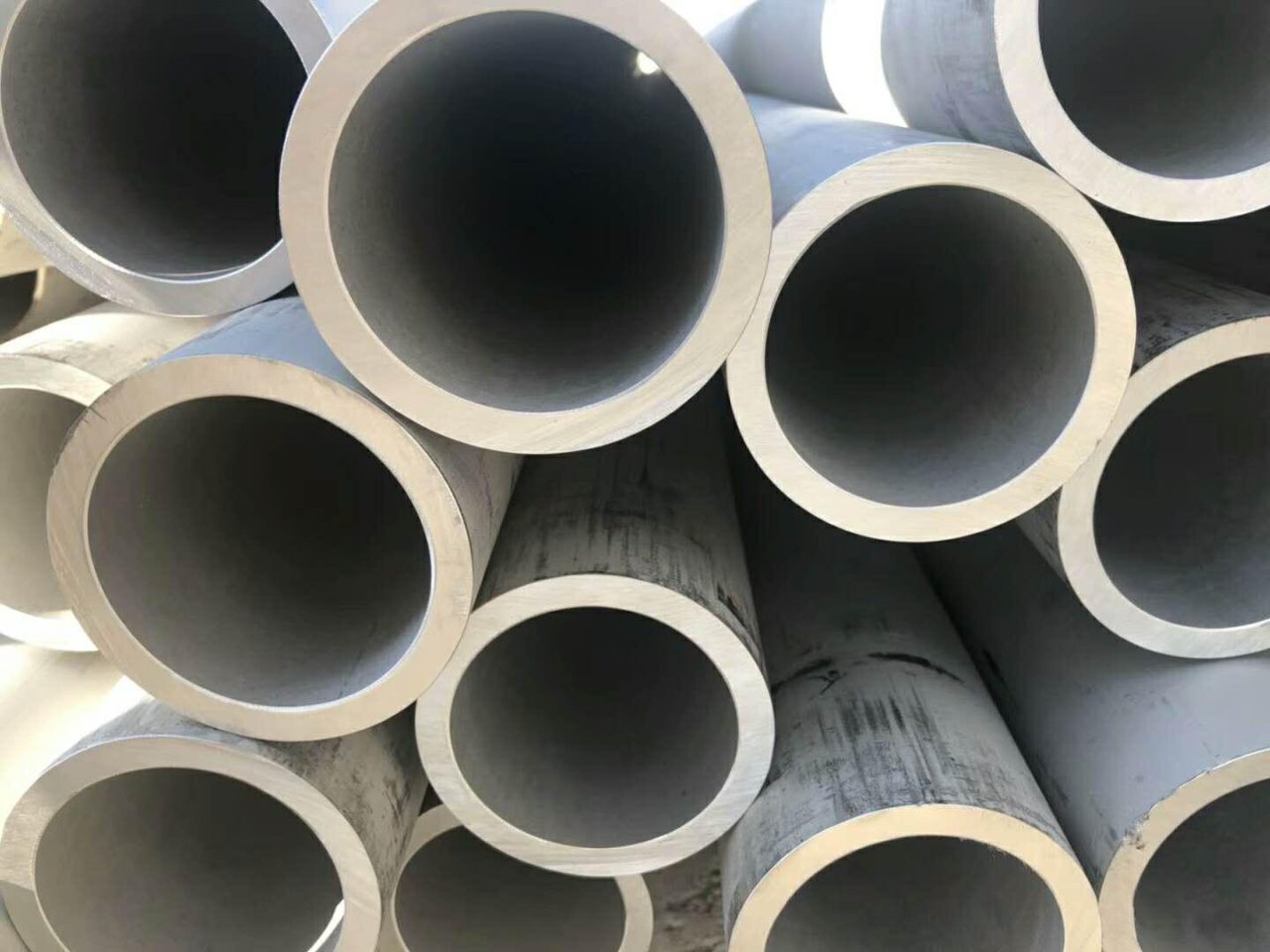
ในที่สุด, ท่อ 904L เป็นข้อพิสูจน์ถึงพลังของโลหะผสมที่แม่นยำ. เป็นวัสดุที่ยอมรับความท้าทายของสภาพแวดล้อมทางเคมีที่รุนแรงที่สุด, ให้อายุการใช้งานที่เกินกว่าสแตนเลสมาตรฐานมาก. โดยการควบคุมสมดุลอันละเอียดอ่อนของนิกเกิล, โครเมียม, โมลิบดีนัม, และทองแดง, เราจัดเตรียมท่อร้อยสายที่เชื่อถือได้พอๆ กับฟิสิกส์ที่ใช้สร้างมันขึ้นมา.
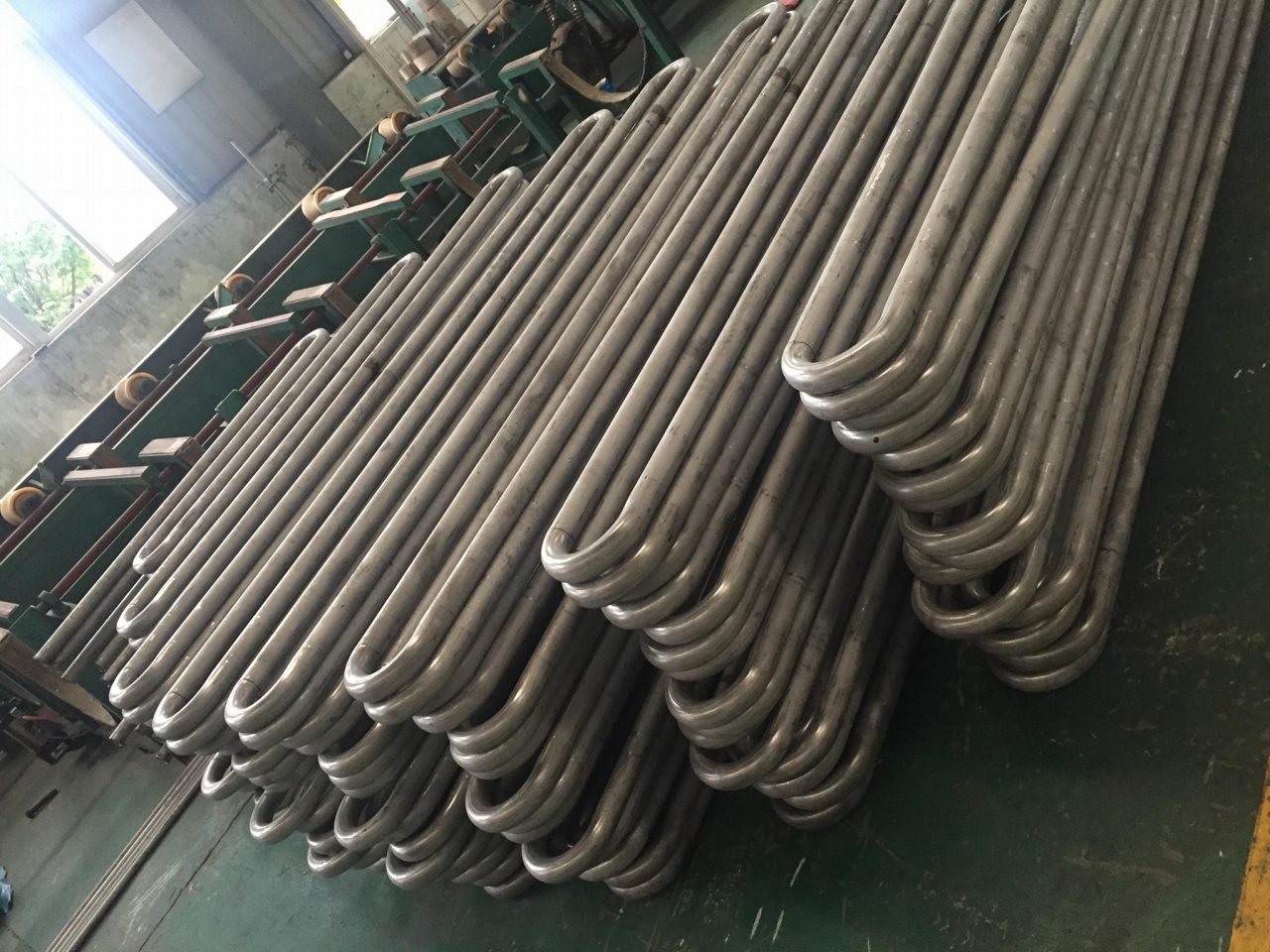
เพื่อความก้าวหน้าในการเล่าเรื่องทางเทคนิคของท่อ U-Bend UNS N04400 ASTM B165 ของเรา, เราต้องเปลี่ยนจากโลหะวิทยาพื้นฐานไปสู่จุดตัดที่ซับซ้อนของพลศาสตร์ของไหลและความน่าเชื่อถือของโครงสร้างในระยะยาวภายในชุดอุปกรณ์แลกเปลี่ยนความร้อน.
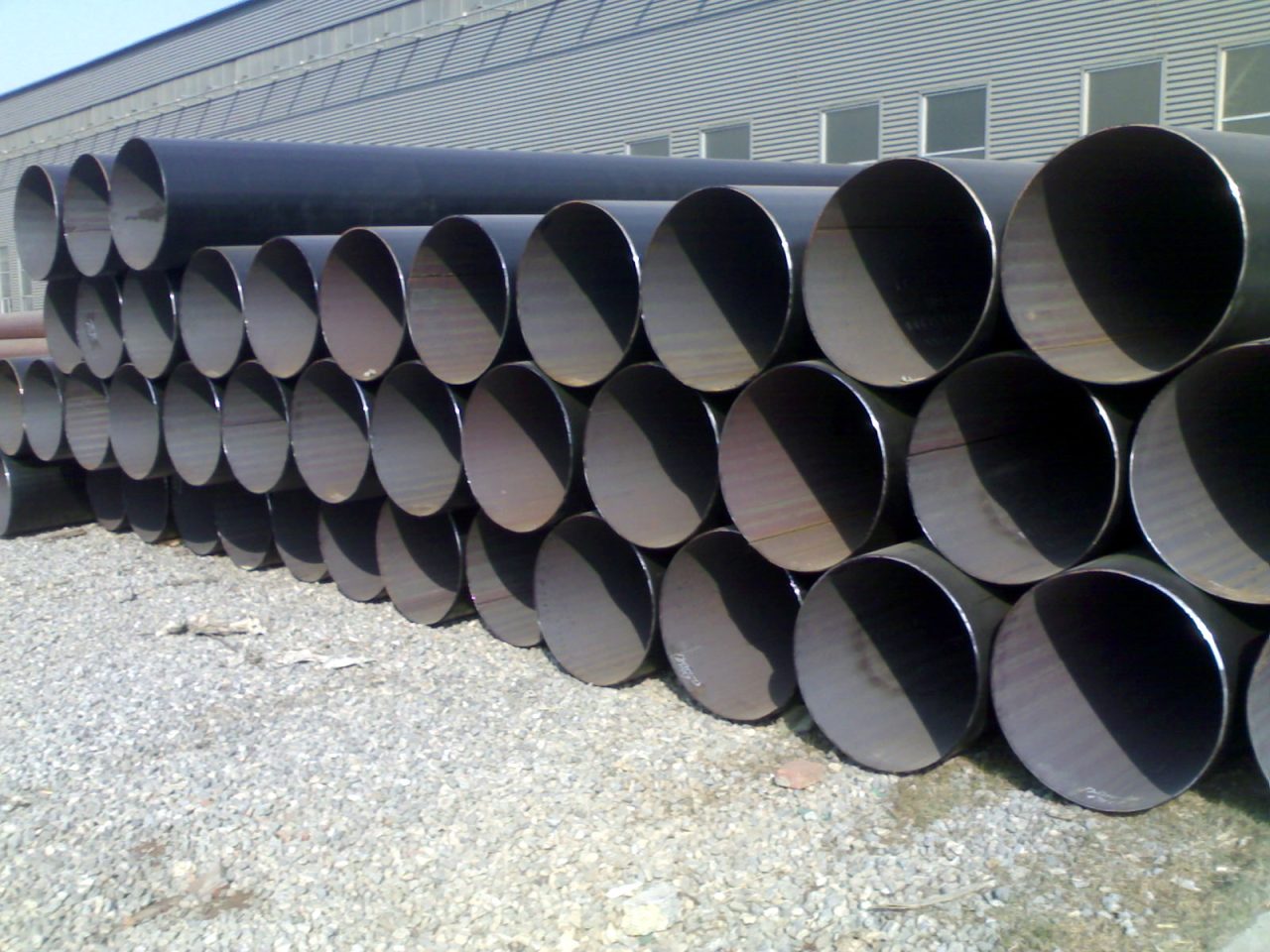
โดยสรุป, ความสำเร็จทางเทคนิคของ EN 10219 ไปป์ต้องอาศัยความสัมพันธ์เชิงลึกระหว่างเคมี (ควบคุมโดย $text{ให้บริการ}$ สำหรับการเชื่อมและ $text{ป}/\ข้อความ{ส}$ เพื่อความแกร่ง), กระบวนการผลิต (การขึ้นรูปเย็นเพื่อประสิทธิภาพและการชุบแข็งงาน), และการรับประกันกลไกขั้นสุดท้าย (ความแข็งแรงของผลผลิตและพลังงานกระแทกที่อุณหภูมิต่ำ). ความก้าวหน้าจาก S235 ถึง S355J2H เป็นเส้นทางที่ขับเคลื่อนด้วยวิศวกรรม, ให้ประสิทธิภาพการทำงานแบบแบ่งระดับซึ่งช่วยให้นักออกแบบสามารถเลือกวัสดุที่มีประสิทธิภาพและปลอดภัยที่สุดสำหรับงานโครงสร้างที่กำหนดได้อย่างแม่นยำ. ประสิทธิภาพเชิงโครงสร้างโดยธรรมชาติของรูปแบบส่วนกลวง, รวมกับความสามารถในการเชื่อมที่ดีเยี่ยมและรับประกันความเหนียวของ $text เหล่านี้{EN}$ เกรด, ensures their continued preeminence as the material of choice for the world's most vital structural works.
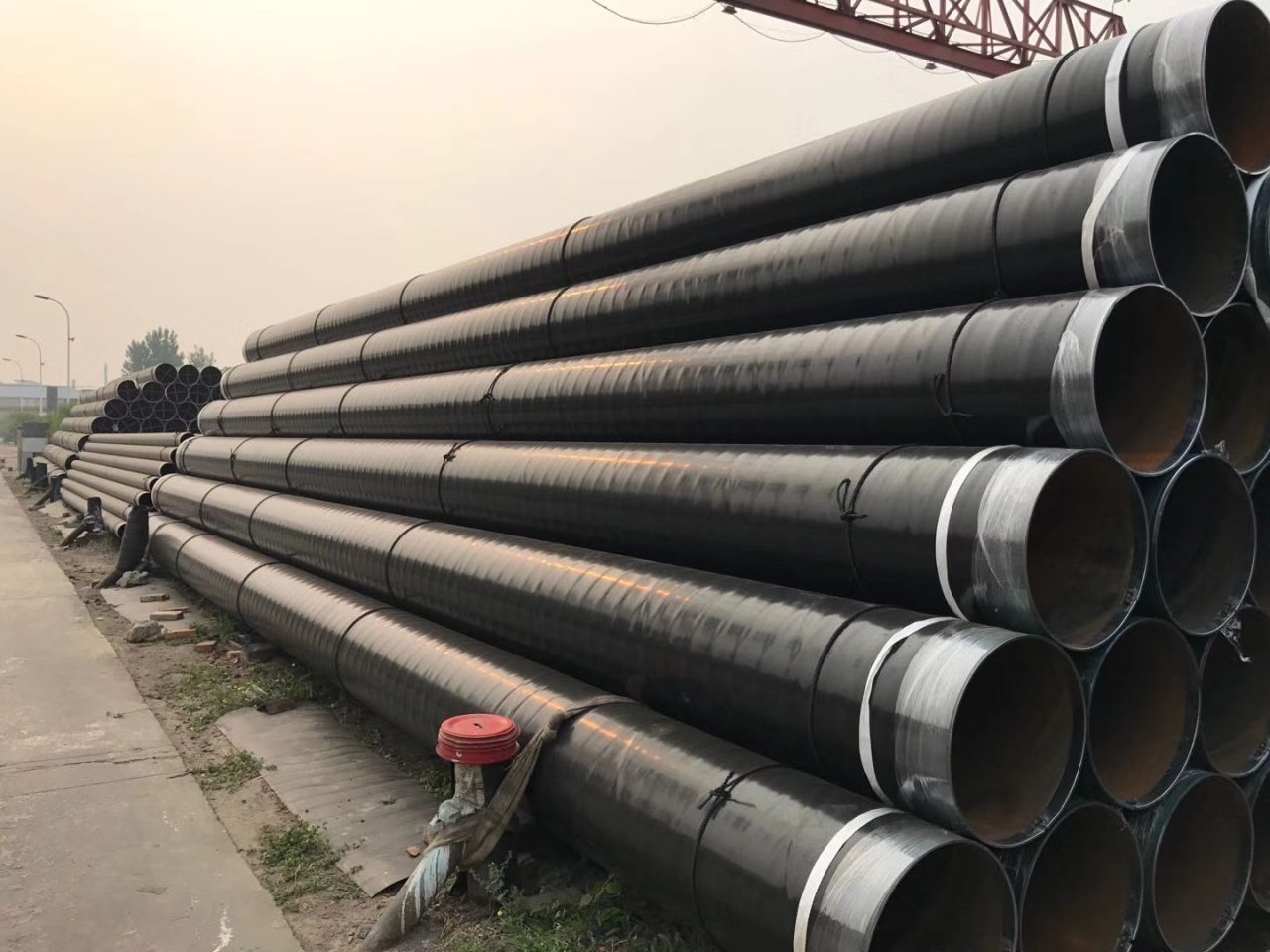
ท่อ SSAW เหล็กกล้าคาร์บอน API 5L เป็นชิ้นส่วนโครงสร้างพื้นฐานทางวิศวกรรมที่มีความเชี่ยวชาญสูง, โซลูชันวัสดุที่กำหนดโดยพื้นฐานไม่ได้จำกัดด้วยข้อจำกัดด้านมิติอย่างง่ายหรือการป้องกันการกัดกร่อนระดับยูทิลิตี้, แต่ด้วยการแสวงหาความแข็งแกร่งอย่างไม่หยุดยั้ง, ความสมบูรณ์ของการเชื่อมที่เชื่อถือได้, และความเหนียวแตกหักเป็นพิเศษ, ทั้งหมดที่จำเป็นเพื่อความปลอดภัย, อย่างต่อเนื่อง, และการลำเลียงไฮโดรคาร์บอนด้วยแรงดันสูง, ก๊าซธรรมชาติ, หรือของเหลวข้นหนาแน่นทั่วภูมิประเทศทางธรณีวิทยาและสิ่งแวดล้อมอันกว้างใหญ่. แตกต่างจากที่คุ้นเคย
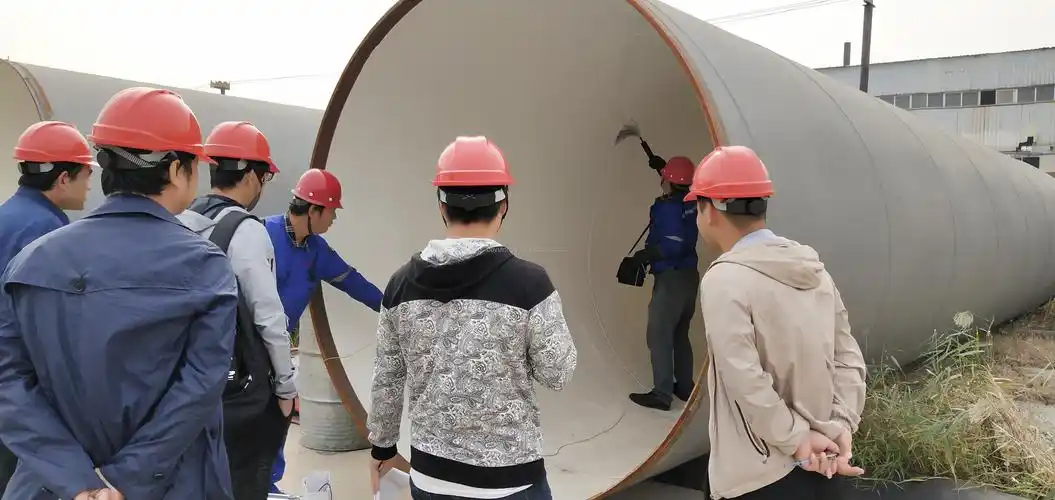
การลงทุนในท่อเหล็ก SAW เส้นผ่านศูนย์กลางขนาดใหญ่ API 5L เกรด B ไม่ได้เป็นเพียงการตัดสินใจจัดซื้อจัดจ้างเท่านั้น; มันเป็นความมุ่งมั่นเชิงกลยุทธ์ที่จะคาดเดาได้หลายทศวรรษ, การลำเลียงของเหลวปริมาณมาก, รับประกันโดยระบบการรับรองที่เข้มงวดที่สุดในอุตสาหกรรมไปป์ไลน์ทั่วโลก
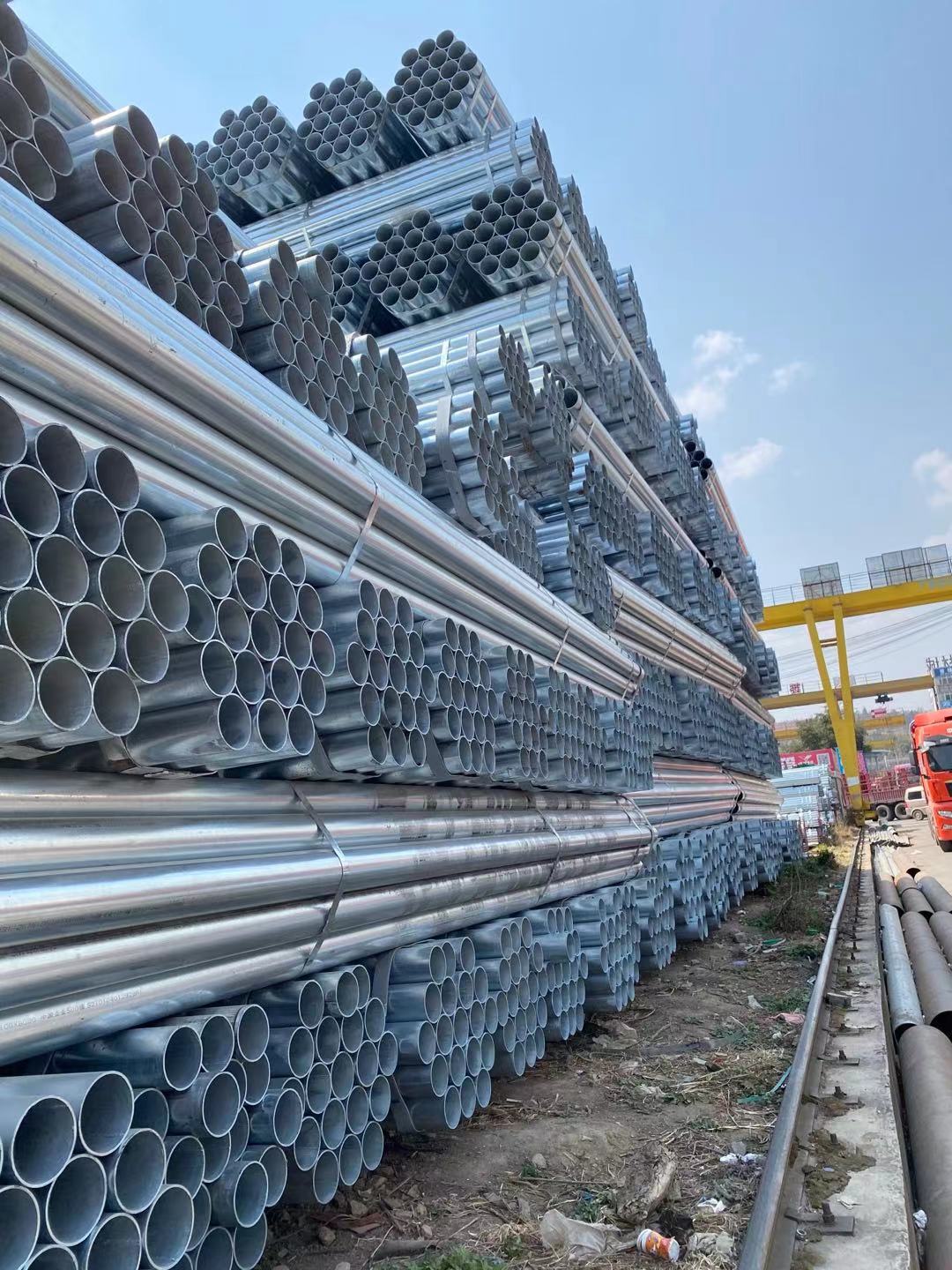
ตารางเหล็กชุบสังกะสี 40 ท่อถือเป็นเสาหลักทางสถาปัตยกรรมของการขนส่งของเหลวแบบธรรมดา, โซลูชันการออกแบบที่แพร่หลายในโครงสร้างพื้นฐานท่อส่งน้ำซึ่งความซับซ้อนทางเทคนิคมักถูกบดบังด้วยความคุ้นเคยที่แท้จริง. มันยังคงครอบงำอยู่, แม้จะต้องเผชิญกับทางเลือกโพลีเมอร์และคอมโพสิตสมัยใหม่ก็ตาม, เป็นข้อพิสูจน์ถึงความสมดุลที่ได้รับการปรับปรุงระหว่างวัตถุดิบ, ความแข็งแกร่งที่เชื่อถือได้ของเหล็กกล้าคาร์บอนและความสง่างาม, เคมีไฟฟ้าแบบเสียสละตนเองของการเคลือบสังกะสี
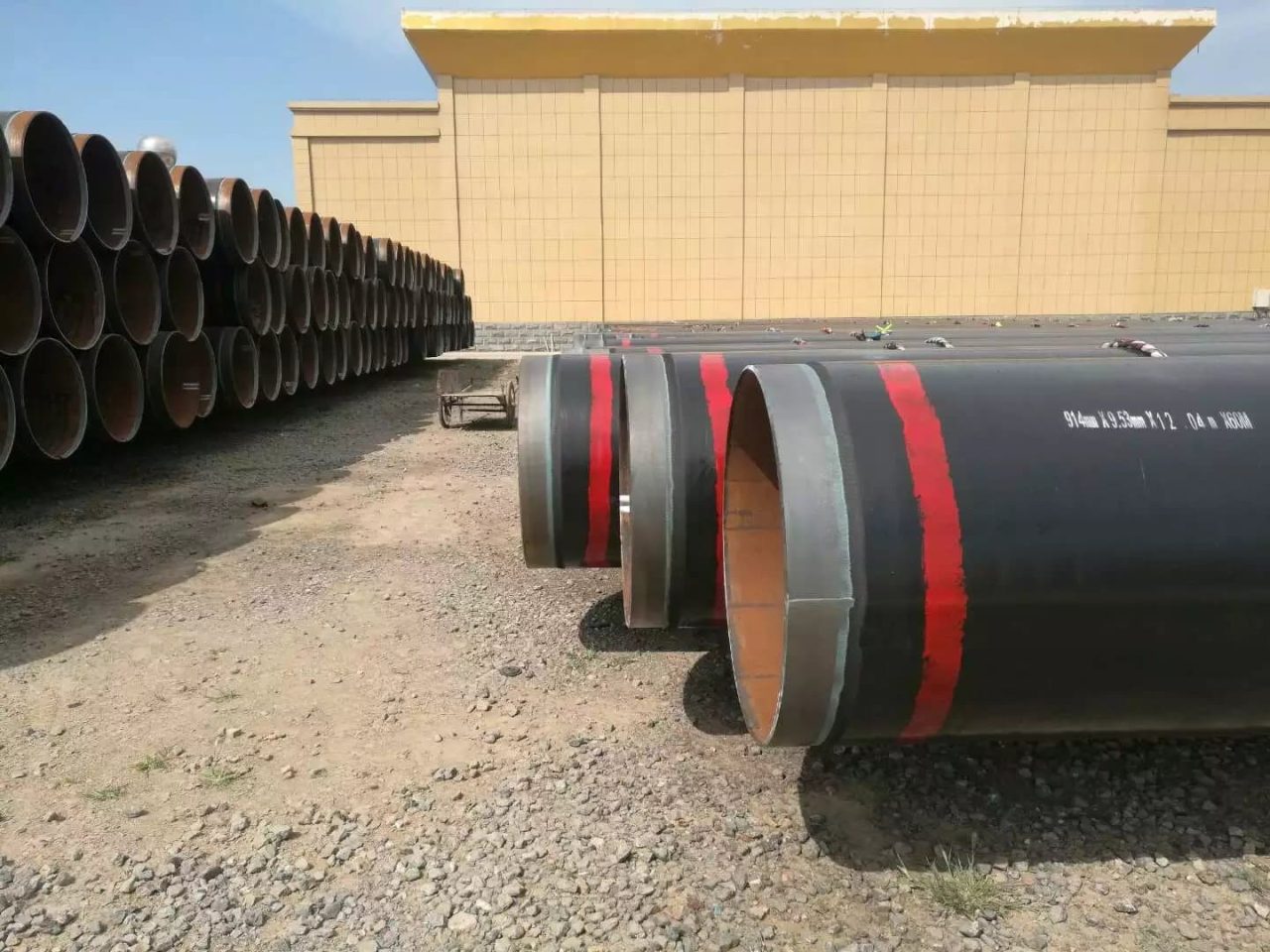
ปลายท่อ, ซึ่งปล่อยทิ้งไว้โดยไม่เคลือบเพื่อความสะดวกในการเชื่อมภาคสนาม, ต้องการการปกป้องเป็นพิเศษเพื่อรักษาความสะอาดและความสมบูรณ์ของมุมเอียงที่กลึงอย่างแม่นยำ. ปลายได้รับการปกป้องด้วยพลาสติกหรือฝาปิดโลหะทั้งภายในและภายนอกเพื่อป้องกันความเสียหายทางกายภาพ, ความชื้นเข้า, และการปนเปื้อนภายในระหว่างการเก็บรักษาและการขนส่ง. สำหรับการขนส่งที่ยาวนานเป็นพิเศษ, ชั่วคราว, สารยับยั้งการกัดกร่อนที่ถอดออกง่ายอาจนำไปใช้กับมุมเอียงเหล็กเพื่อป้องกันการเกิดสนิมที่พื้นผิว, ทำให้ผู้รับเหมาได้รับความสะอาด, พื้นผิวพร้อมเชื่อม. ขั้นตอนลอจิสติกส์ขั้นสุดท้ายนี้จะช่วยปิดวงจรความมุ่งมั่นของ Abtersteel, ทำให้มั่นใจได้ว่าท่อ X60M PSL2 3PE LSAW ความสมบูรณ์สูงไปถึงสถานที่ก่อสร้างในสภาพเดิม, สภาพที่ผ่านการรับรองแล้วจึงออกจากโรงงาน.
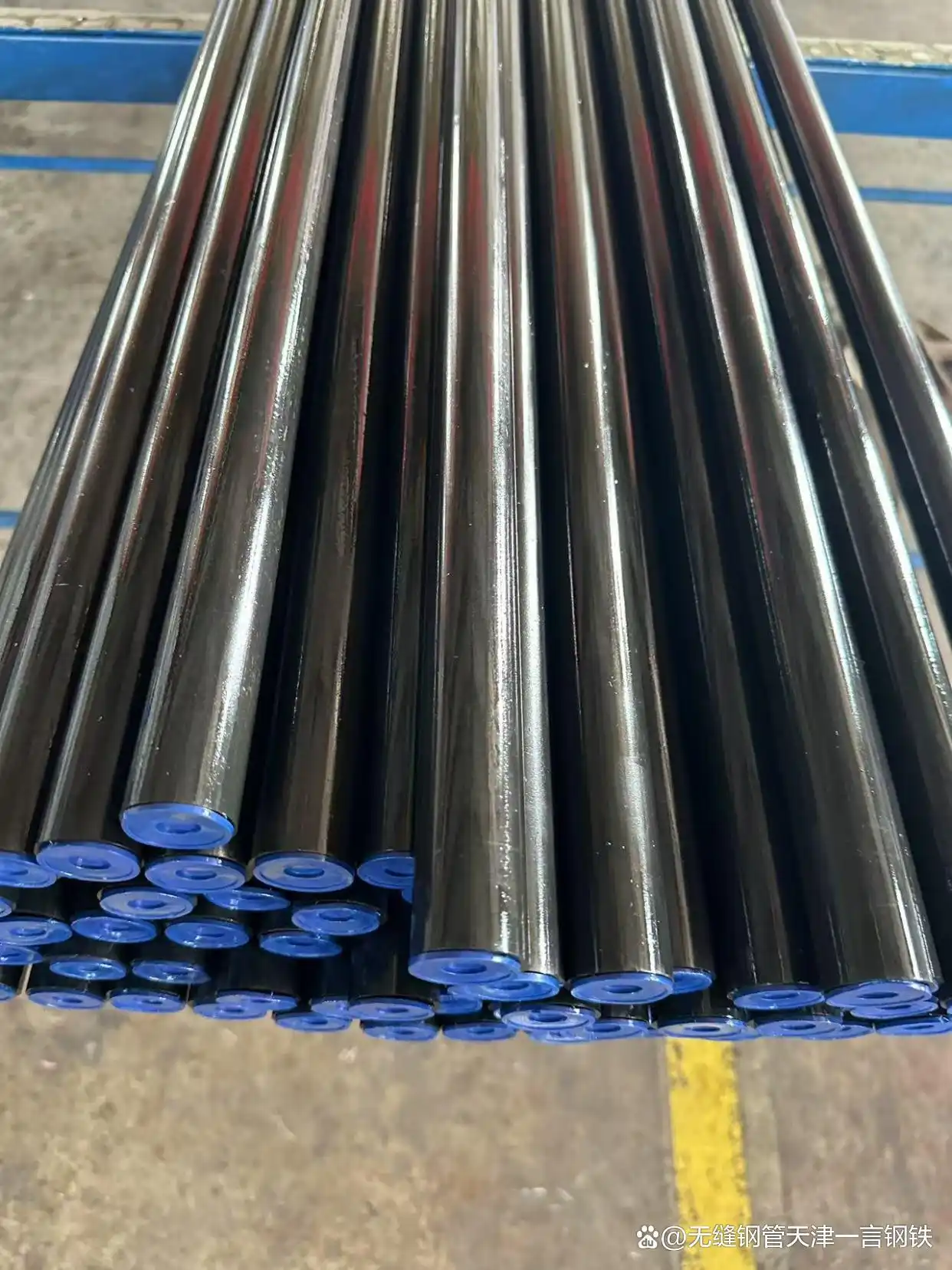
ดินแดน 2391 ท่อไร้รอยต่อเกรด St45, จัดให้ในสภาพ NBK, แสดงถึงจุดสุดยอดของวิศวกรรมท่อเหล็กที่มีความแม่นยำ. ความเป็นเลิศคือผลลัพธ์ที่คำนวณได้จากการควบคุมทางโลหะวิทยาขั้นสูง, ความเป็นพลาสติกงานเย็นที่รุนแรง, และการประมวลผลความร้อนอย่างพิถีพิถัน. ความเหนือกว่าในการใช้งานได้รับการตรวจสอบโดยความสามารถที่ได้รับการพิสูจน์แล้ว:
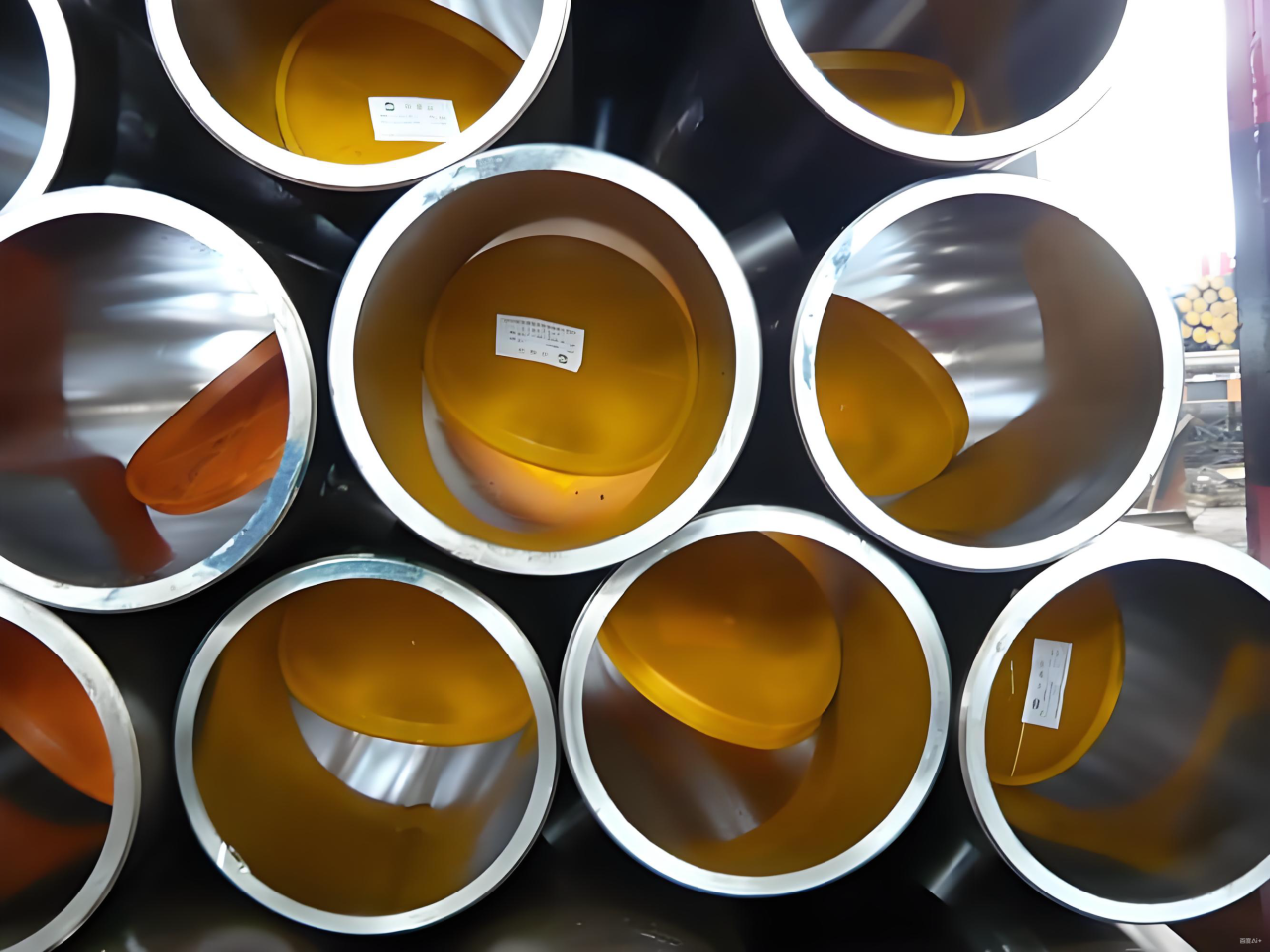
ดินแดน 2391 ท่อไร้รอยต่อ เกรด St45 คือ, ดังนั้น, ผลิตภัณฑ์ที่เลือกโดยที่ความสมบูรณ์ของมิติไม่ใช่ความต้องการ แต่เป็นข้อกำหนดเบื้องต้นด้านความปลอดภัยและประสิทธิภาพ. การใช้งานเป็นรากฐานการทำงานที่เชื่อถือได้ของระบบกลไกและของไหลที่มีความละเอียดอ่อนในทุกแง่มุมของอุตสาหกรรมสมัยใหม่, มอบส่วนประกอบพื้นฐานที่รับประกันความแม่นยำตั้งแต่ขั้นตอนการผลิตไปจนถึงการให้บริการในการดำเนินงานหลายทศวรรษ.